ToolMage
Sign in

Best 2 Merchandising AI tools for Ecommerce

Popular Merchandising AI tools in Ecommerce include Depict and AnyTweet, helping you work more efficiently.

AnyTweet
Freemium

AnyTweet

AnyTweet is a unique platform that allows Twitter users to monetize their content by transforming their tweets into high-quality merchandise. In just a few clicks, you can create a personal online store featuring your best tweets on t-shirts, mugs, and more. Anytweet handles all production and shipping, providing a seamless way for creators and businesses to generate revenue and expand their brand's physical presence.

Fan Engagement
Visits 6.1KFavorites 117Likes 109
Depict
Freemium

Depict

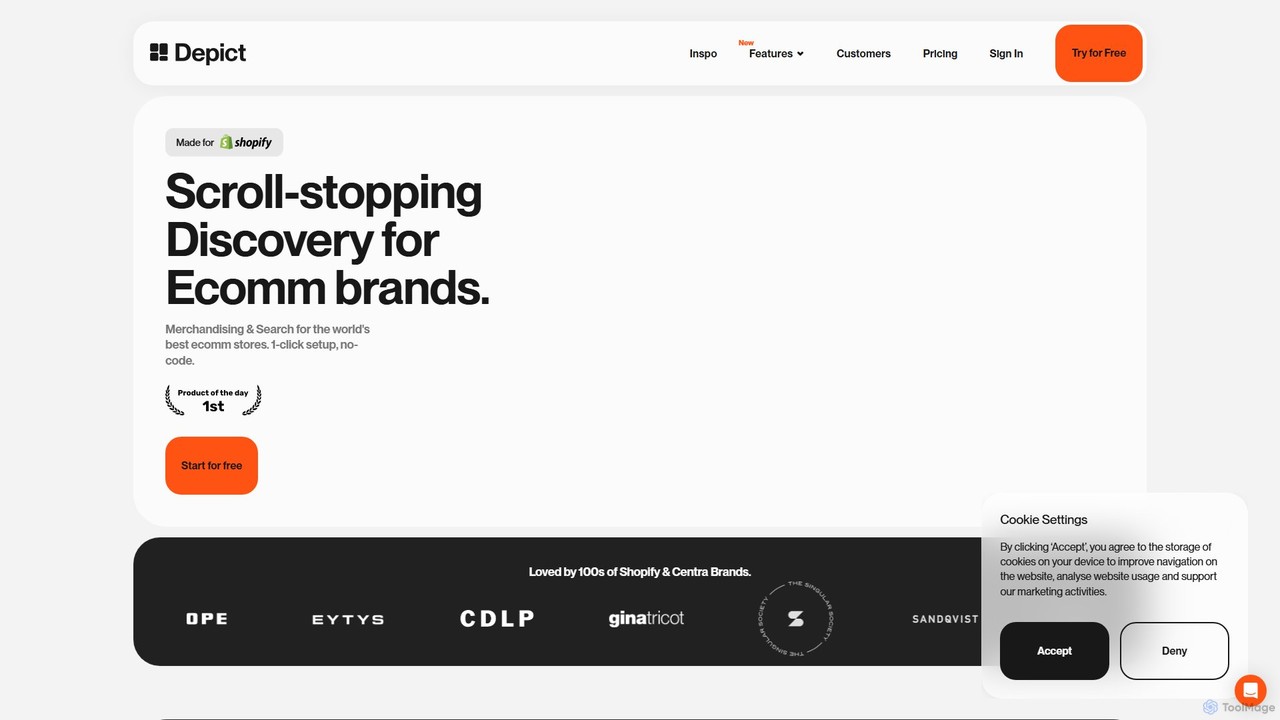
Depict is an AI-powered visual merchandising and search tool for Shopify and Centra e-commerce brands. It enables businesses to create stunning, high-converting product collections with a no-code, drag-and-drop interface. Automate sorting, personalize customer experiences, and gain data-driven insights to boost product discovery and sales.

Merchandising
Visits 39.4KFavorites 114Likes 125

About Merchandising

Merchandising AI tools are a category of artificial intelligence solutions designed to optimize product presentation, pricing, and promotion strategies within e-commerce. These tools leverage advanced algorithms to analyze vast datasets, including market trends, customer behavior, and inventory levels. Their primary purpose is to enhance sales performance, improve customer experience through personalization, and maximize profitability for online retailers by automating and refining various aspects of product management.

Core Features

  • Dynamic Pricing: Automatically adjusts product prices in real-time based on demand, competitor pricing, and inventory.
  • Personalized Recommendations: Delivers tailored product suggestions to individual customers, boosting conversion rates and average order value.
  • Automated Inventory Optimization: Predicts demand fluctuations and manages stock levels to prevent overstocking or stockouts.
  • Visual Merchandising Analysis: Evaluates product images, layouts, and display effectiveness to optimize online store presentation.
  • Trend Forecasting: Identifies emerging product trends and consumer preferences to inform purchasing and marketing strategies.

Use Cases

Online retailers utilize these tools to dynamically adjust prices during sales events, e-commerce platforms personalize product feeds for individual shoppers, and brands optimize product display on their websites to maximize engagement and sales.

How to Choose

When selecting an AI merchandising tool, consider its integration capabilities with your existing e-commerce platform, the sophistication and accuracy of its AI algorithms, the level of customization it offers for specific business rules, and the robustness of its reporting and analytics features to measure ROI.

Merchandising use cases

1

Dynamic Pricing for Flash Sales

E-commerce managers use AI merchandising tools to automatically adjust product prices during limited-time promotions or flash sales, maximizing revenue while efficiently clearing excess inventory.

2

Personalized Product Bundling

Online fashion retailers leverage AI to suggest complementary items, such as a shirt with matching pants and accessories, to customers based on their browsing history and purchase patterns, significantly increasing average order value.

3

A/B Testing Product Page Layouts

Marketing teams employ AI to analyze user interaction with different product image arrangements, description formats, and call-to-action placements, identifying the most effective design to enhance conversion rates.

4

Automated Stock Replenishment

Retail operations utilize AI to accurately predict future demand for seasonal or high-demand products, automatically triggering reorder alerts or direct orders to suppliers to prevent costly stockouts and ensure continuous availability.

5

Competitor Price Monitoring & Adjustment

Businesses deploy AI to continuously scan competitor pricing across various online channels and automatically adjust their own product prices to maintain a competitive edge without requiring constant manual oversight.

6

Optimizing Product Discovery for New Arrivals

Brands use AI to intelligently place new products in relevant categories and recommend them to specific customer segments based on past browsing and purchase history, accelerating product adoption and sales.

Merchandising FAQ

What are AI Merchandising tools?

AI Merchandising tools are software solutions that use artificial intelligence to automate and optimize various aspects of product merchandising in e-commerce. They analyze data on customer behavior, market trends, and inventory to inform decisions on pricing, product recommendations, visual display, and promotional strategies. Their core aim is to boost sales, improve customer experience, and enhance profitability for online businesses.

How do AI Merchandising tools benefit e-commerce businesses?

These tools offer significant benefits by enabling dynamic pricing, personalized product recommendations, and efficient inventory management, all of which contribute to increased sales and higher average order values. They also save time by automating complex tasks, reduce manual errors, and provide data-driven insights for better strategic decision-making, ultimately leading to improved customer satisfaction and operational efficiency.

What's the difference between AI Merchandising and traditional Merchandising?

Traditional merchandising relies heavily on manual analysis, human intuition, and static rules for product placement, pricing, and promotions. AI Merchandising, conversely, uses machine learning and data analytics to make real-time, dynamic, and personalized decisions at scale. It can adapt instantly to changing market conditions and individual customer preferences, offering a level of precision and automation unattainable with traditional methods, especially within the vast and dynamic e-commerce landscape.

What key features should I look for in an AI Merchandising platform?

When evaluating AI Merchandising platforms, prioritize features such as dynamic pricing capabilities, robust personalized recommendation engines, intelligent inventory forecasting and optimization, and advanced visual merchandising analysis. Additionally, look for strong integration with your existing e-commerce platform, comprehensive analytics and reporting dashboards, and the ability to customize rules and strategies to align with your specific business goals and brand identity.

Can AI Merchandising tools integrate with existing e-commerce platforms?

Yes, most modern AI Merchandising tools are designed with integration in mind. They typically offer APIs (Application Programming Interfaces) or pre-built connectors for popular e-commerce platforms like Shopify, Magento, WooCommerce, and Salesforce Commerce Cloud. This allows for seamless data exchange and functionality embedding, ensuring that the AI capabilities can augment your current e-commerce infrastructure without requiring a complete overhaul.