ToolMage
Sign in

Best 3 Optimization AI tools for Ecommerce

Popular Optimization AI tools in Ecommerce include Optimizely, WorkMagic, and ASK BOSCO®, helping you work more efficiently.

Optimizely
Paid

Optimizely

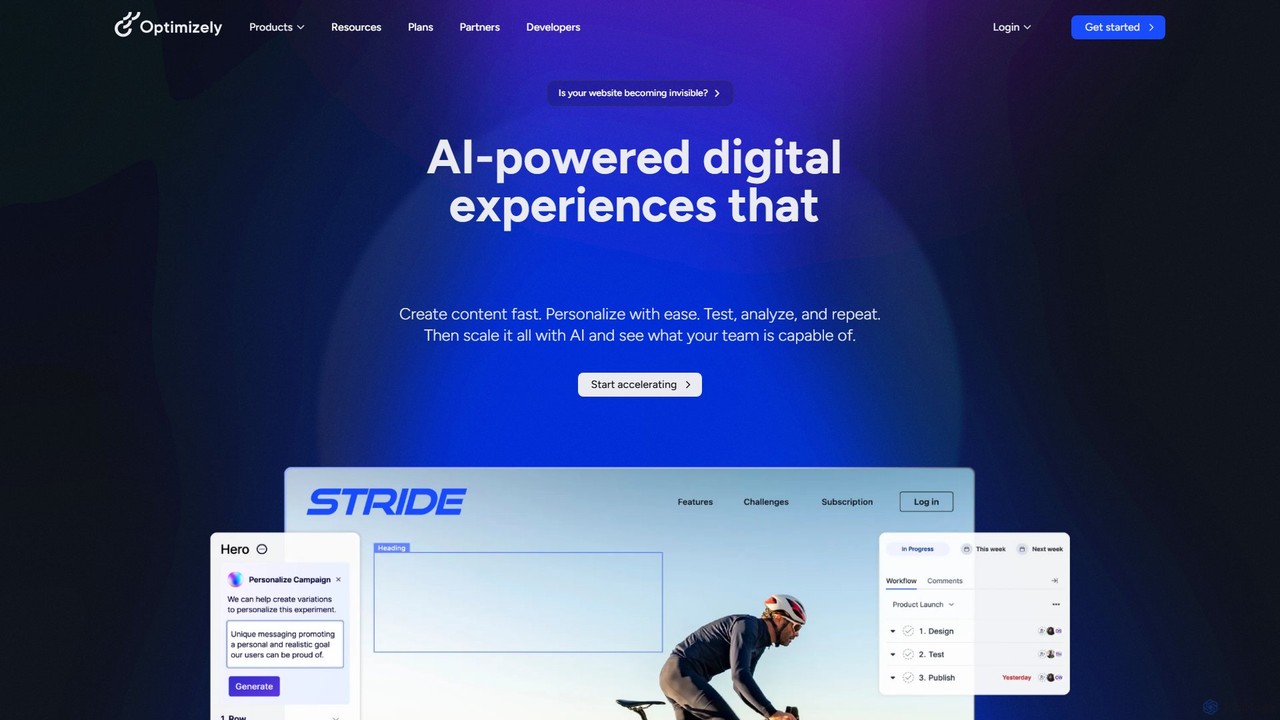
Optimizely is a leading AI-powered Digital Experience Platform (DXP) that enables marketers, developers, and e-commerce leaders to create, personalize, and experiment with digital experiences. It combines content management, A/B testing, personalization, and e-commerce into a single, unified platform to drive growth and ROI.

Content Management
Visits 646.3KFavorites 134Likes 140
WorkMagic
Paid

WorkMagic

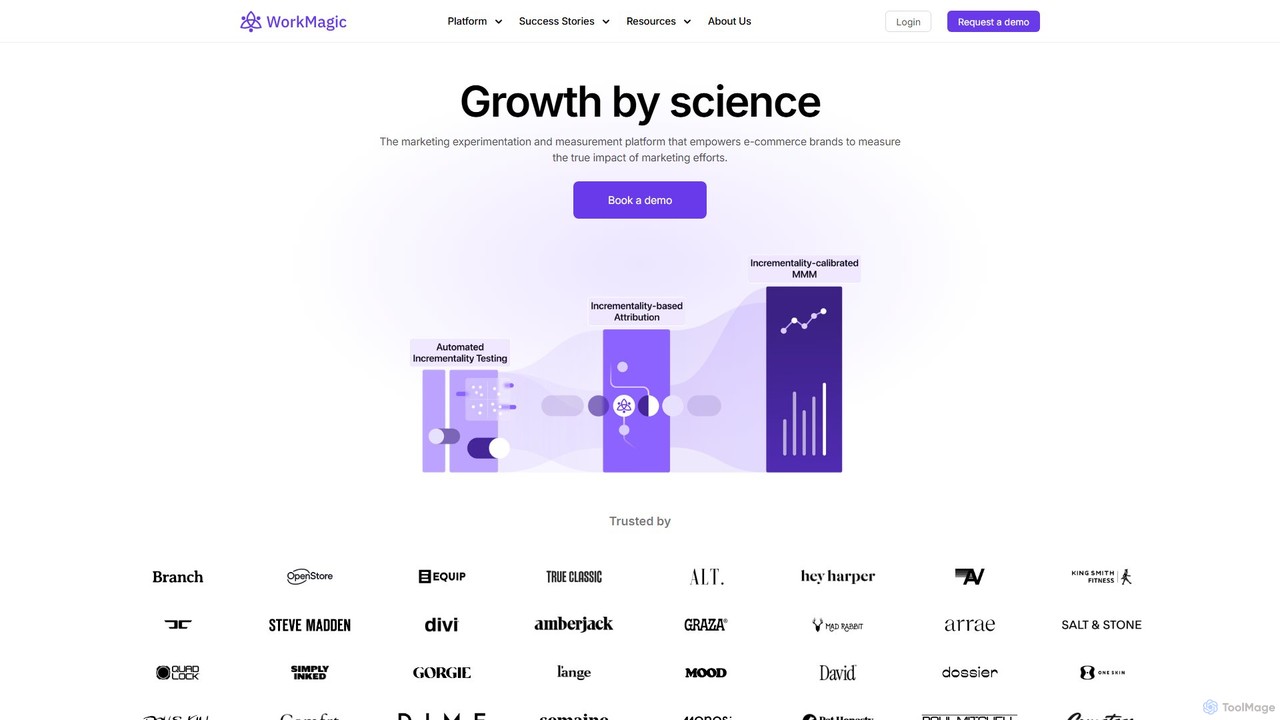
WorkMagic is an AI-powered marketing experimentation and measurement platform for e-commerce brands. It uses a scientific approach, including incrementality measurement and marketing mix modeling (iMMM), to reveal the true impact of marketing efforts, helping businesses optimize ad spend and significantly improve marketing efficiency (MER) and ROAS.

Business Intelligence
Visits 17.4KFavorites 118Likes 110
ASK BOSCO®
Paid

ASK BOSCO®

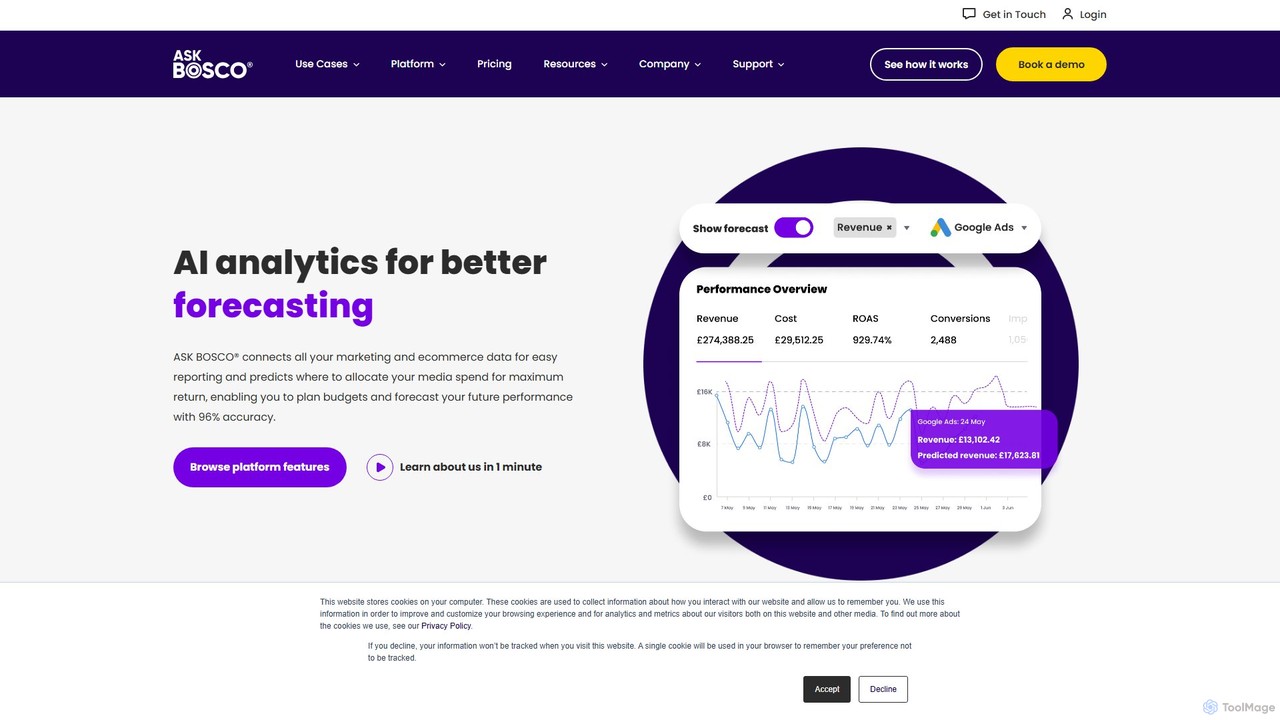
ASK BOSCO® is an AI-powered analytics platform for agencies and retailers, designed for advanced reporting, forecasting, and competitor benchmarking. It connects all your marketing and e-commerce data to predict optimal media spend allocation, enabling you to plan budgets and forecast future performance with up to 96% accuracy. Centralize data, automate reports, and make smarter, data-driven decisions to maximize your return on investment.

Forecasting
Visits 10.4KFavorites 108Likes 92

About Optimization

AI Optimization tools for ecommerce are specialized applications that use machine learning to automatically improve the performance of online stores. These tools analyze vast amounts of data—including customer behavior, sales history, and market trends—to make intelligent decisions in real-time. Their primary goal is to increase conversions, boost average order value, and enhance customer loyalty without manual intervention. By automating complex tasks like price adjustments and content testing, they empower businesses to operate more efficiently and effectively.

Core Features

  • Dynamic Pricing: Automatically adjusts product prices based on competitor pricing, demand, and inventory levels to maximize revenue.
  • Personalization Engine: Delivers tailored product recommendations, search results, and content for each individual visitor.
  • Conversion Rate Optimization (CRO): Conducts automated A/B testing on page elements like headlines, images, and calls-to-action to find the best performing versions.
  • SEO & Listing Enhancement: Analyzes and suggests improvements for product titles, descriptions, and keywords to increase visibility in search engines and marketplaces.
  • Demand Forecasting: Predicts future product demand to optimize inventory levels, preventing stockouts and reducing excess stock.

Use Cases

These tools are essential for ecommerce managers, digital marketers, and online store owners of all sizes. They are used to refine marketing campaigns, improve the user shopping experience, and make data-driven inventory decisions. Common applications include optimizing landing pages for ad campaigns, personalizing email marketing content, and managing pricing strategies during peak sales seasons.

How to Choose

When selecting an AI Optimization tool, consider its integration capabilities with your ecommerce platform (e.g., Shopify, Magento, WooCommerce). Evaluate the specific features offered—do you need dynamic pricing, personalization, or both? Assess the pricing model (subscription vs. revenue share) and ensure it aligns with your budget. Finally, consider the tool's ease of use and the level of automation versus manual control it provides.

Featured tool rankings

Optimization use cases

1

Automate Dynamic Pricing for a Competitive Edge

An online electronics retailer faces intense price competition. Using an AI optimization tool, the store manager sets rules to automatically monitor key competitors' prices for top-selling products. The AI adjusts their prices in real-time, staying slightly below the competition while maintaining a target profit margin. This strategy allows them to capture price-sensitive customers and increase sales volume by 15% without constant manual price checks.

2

Boost Average Order Value with Personalization

A fashion apparel brand wants to encourage customers to buy more items per order. They integrate an AI personalization engine into their product pages. The tool analyzes a visitor's browsing history, past purchases, and items in their cart to display a 'Complete the Look' section with highly relevant accessories and matching garments. This leads to a 20% increase in average order value (AOV) by making cross-selling intuitive and appealing.

3

Optimize Product Listings for Marketplace Visibility

A home goods seller on Amazon and eBay struggles to get their products noticed. They use an AI optimization tool to analyze top-ranking listings in their category. The tool identifies high-performing keywords, optimal title structures, and effective description formats. By applying these AI-generated suggestions, the seller improves their search ranking, resulting in a 40% uplift in organic traffic and sales from the marketplaces.

4

Reduce Cart Abandonment with Smart Pop-ups

An online cosmetics store notices a high cart abandonment rate. They implement an AI tool that tracks user behavior and detects exit intent. When a user with items in their cart moves to close the tab, the AI triggers a personalized pop-up offering a limited-time 10% discount or free shipping to complete the purchase. This targeted intervention successfully recovers over 18% of otherwise lost sales.

5

Forecast Demand for Efficient Inventory Management

A specialty food store needs to prepare for the holiday season without overstocking perishable goods. They use an AI demand forecasting tool that analyzes historical sales data, seasonality, and current market trends. The tool provides accurate predictions for how much of each product to order. This data-driven approach helps them reduce waste by 25% and avoid stockouts of their most popular gift baskets.

6

A/B Test Landing Pages for Higher Ad Conversions

A subscription box service runs Google Ads campaigns but has a low conversion rate on their landing page. They use an AI CRO tool to automatically test multiple variations of their headline, main image, and call-to-action button. The AI rapidly identifies the winning combination that resonates most with their target audience, leading to a 35% increase in sign-ups from the same amount of ad spend.

Optimization FAQ

What are AI Ecommerce Optimization tools?

AI Ecommerce Optimization tools are software applications that use artificial intelligence to automatically analyze and improve an online store's performance. They go beyond simple analytics by actively making changes or providing actionable recommendations to increase sales, conversions, and customer engagement. Key functions include dynamic pricing, product personalization, and automated A/B testing.

How do I choose the right Ecommerce Optimization tool?

To choose the right tool, consider these four factors:

  • Platform Integration: Ensure it seamlessly connects with your ecommerce platform (like Shopify, BigCommerce, or WooCommerce).
  • Core Features: Identify your primary goal. Do you need to optimize pricing, personalize recommendations, improve SEO, or all of the above?
  • Budget: Compare pricing models, such as monthly subscriptions, revenue sharing, or usage-based fees.
  • Ease of Use: Evaluate the user interface and the level of technical expertise required to manage the tool effectively.

What is the difference between AI Optimization and standard Analytics tools?

Standard analytics tools, like Google Analytics, are descriptive; they tell you what happened on your site (e.g., page views, bounce rate). AI Optimization tools are prescriptive and automated; they use that data to understand why it happened and then automatically take action to improve outcomes. For example, analytics shows you a landing page has a low conversion rate, while an AI optimization tool will test new headlines and layouts to fix it.

What key features should I look for in an AI Optimization tool for ecommerce?

Look for features that directly impact revenue and user experience. The most valuable ones typically include a personalization engine for tailored recommendations, dynamic pricing capabilities to respond to market changes, automated A/B testing for conversion rate optimization (CRO), and tools for SEO and product listing enhancement. Strong reporting and analytics are also crucial to measure the impact of these optimizations.

Can small online stores benefit from AI Optimization tools?

Absolutely. In fact, small stores can gain a significant competitive advantage by using these tools. AI optimization automates tasks that would typically require a dedicated data analyst or marketing team. This allows small businesses to implement sophisticated personalization, pricing, and testing strategies that were once only accessible to large enterprises, leveling the playing field and maximizing their return on investment.