Ecommerce Best in category 7 results Recommendation Engine AI Tool

Popular AI tools in the Recommendation Engine field of Ecommerce include SpoiledChild、Shaped、SmartGiftAI、Outdone、giftastic、Giftcoach, etc., helping you quickly improve efficiency.

SpoiledChild

SpoiledChild

SpoiledChild is an intelligent beauty and wellness brand that uses an AI-powered engine, SpoiledBrain, to provide personalized skin …

9.1M
Free
Giftastic

Giftastic

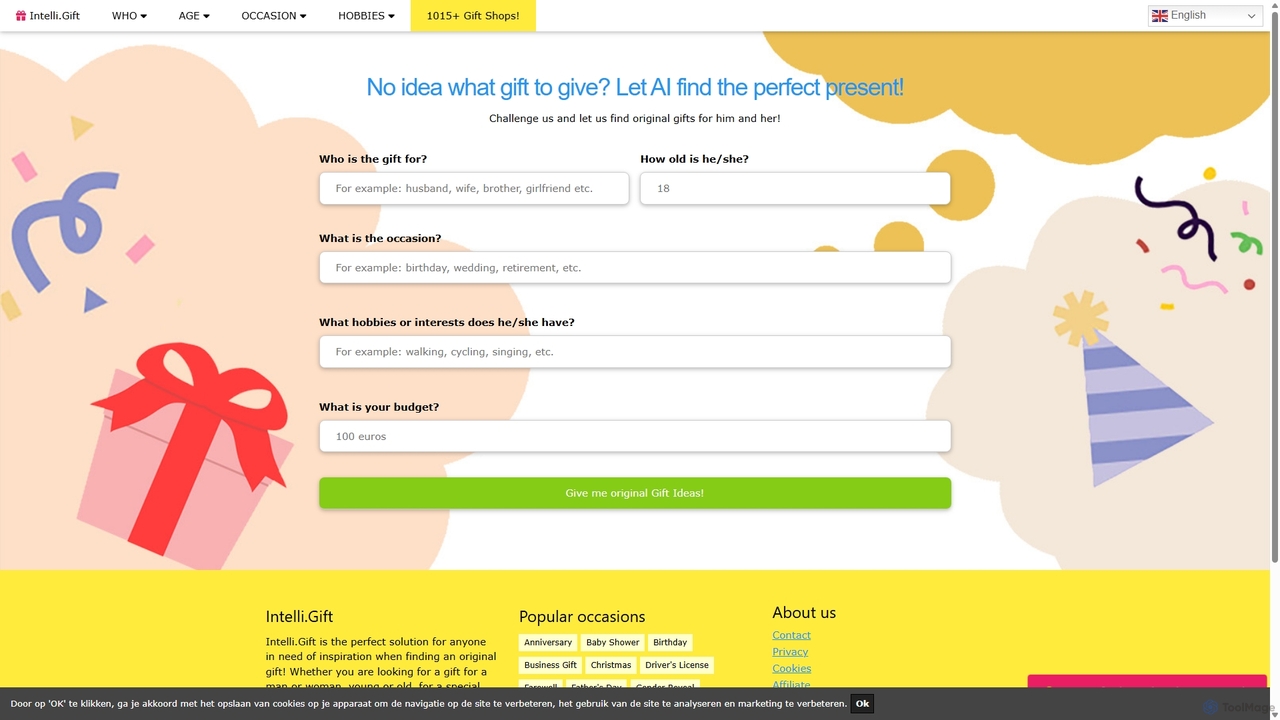
Giftastic.ai is an AI-powered gift finder that helps you discover the perfect present for any person, occasion, and …

2.2K
Free
Outdone

Outdone

Outdone is an AI-powered gift recommendation engine designed to eliminate the stress of shopping. By providing a few …

3.3K
Shaped

Shaped

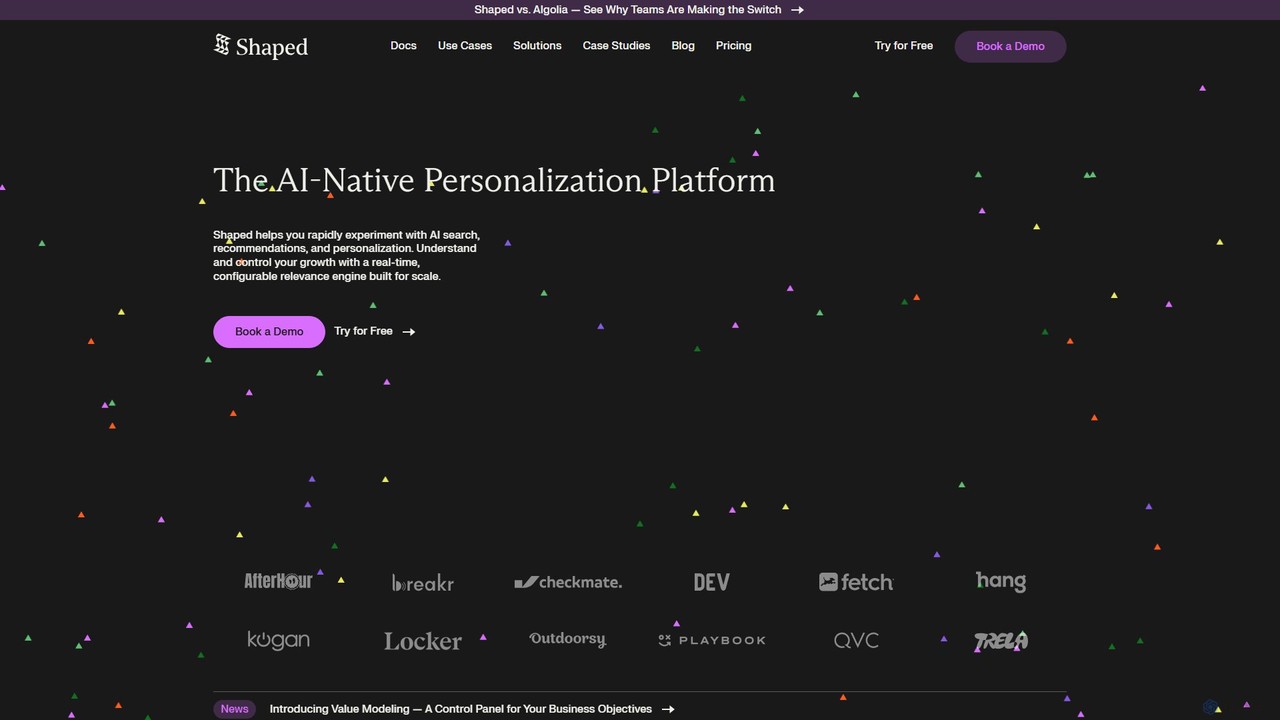
Shaped is an AI-native personalization platform that enables developers and product teams to build and deploy sophisticated recommendation …

59.1K
Free
SmartGiftAI

SmartGiftAI

SmartGiftAI is an AI-powered gifting platform that eliminates the stress of finding the perfect present. By leveraging OpenAI's …

3.6K
Free
giftastic

giftastic

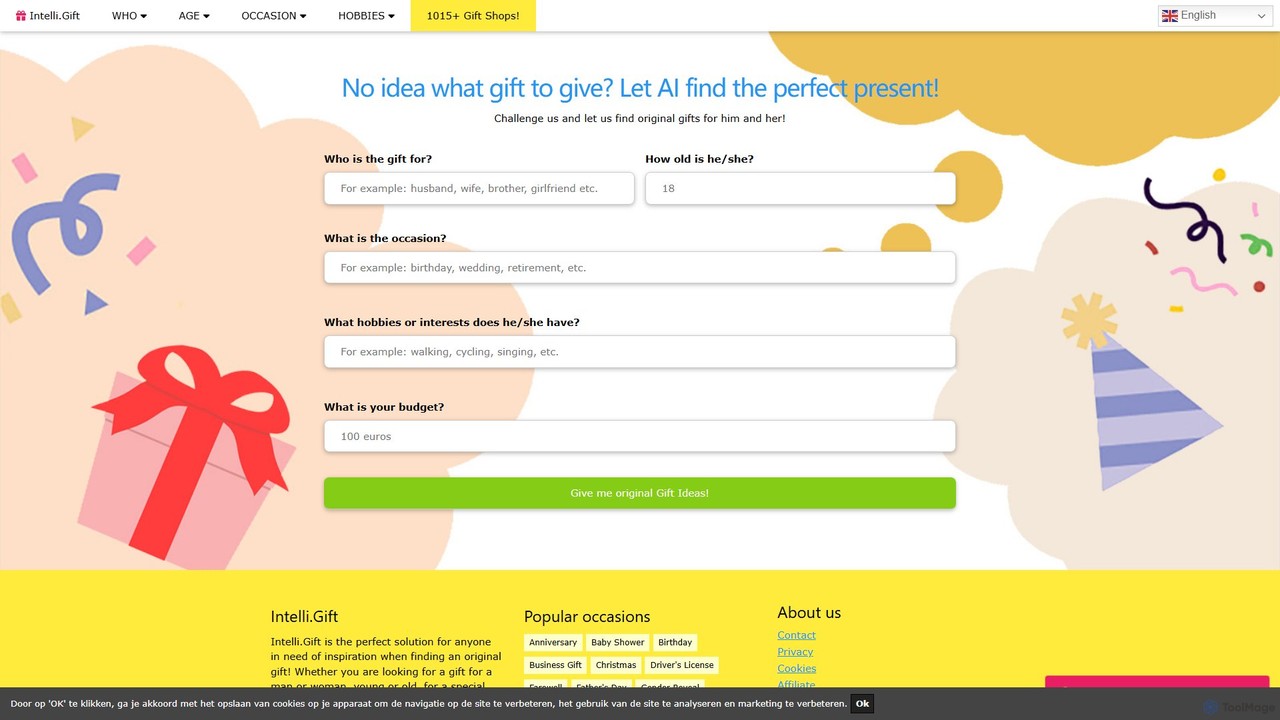
giftastic is an AI-powered gift finder that helps you discover the perfect present for any person, occasion, and …

2.3K
Free
Giftcoach

Giftcoach

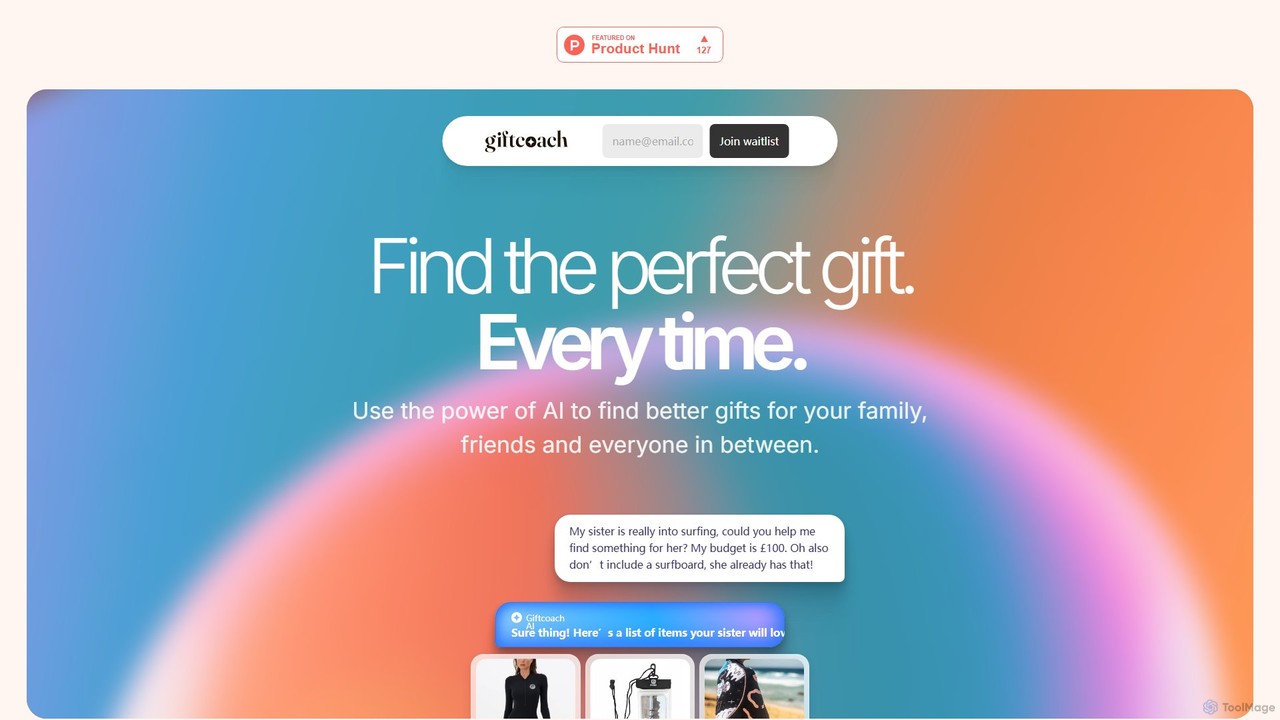
Giftcoach is a smart AI gift-buying assistant that helps you find the perfect present every time. Using a …

2.3K

About Recommendation Engine

Recommendation Engines are AI-powered systems designed to suggest relevant products, content, or services to users, significantly enhancing the personalized shopping experience within e-commerce platforms. These engines analyze user behavior, item attributes, and contextual data to predict preferences and deliver tailored suggestions. By understanding individual tastes, they drive engagement, increase conversion rates, and boost average order value for online businesses.

Core Features

  • Collaborative Filtering: Identifies user groups with similar tastes to recommend items liked by others in the group.
  • Content-Based Filtering: Suggests items similar to those a user has liked in the past, based on item attributes.
  • Hybrid Models: Combines multiple recommendation techniques to overcome limitations and improve accuracy.
  • Real-time Personalization: Adapts recommendations instantly based on current user interactions and browsing sessions.
  • Explainable Recommendations: Provides reasons why certain items are recommended, building user trust.

Applicable Scenarios

Recommendation engines are vital across various digital platforms. E-commerce stores use them to suggest complementary products at checkout or personalized items on homepages. Streaming services leverage them to recommend movies or music based on viewing history. Content platforms employ them to surface articles or videos tailored to user interests, keeping audiences engaged.

How to Choose

When selecting a recommendation engine, consider its algorithm sophistication, ensuring it supports collaborative, content-based, and hybrid models for diverse needs. Evaluate its integration capabilities with existing e-commerce platforms and data sources. Assess its scalability to handle growing user bases and product catalogs, and look for real-time processing for dynamic personalization. Finally, consider the level of customization and control it offers over recommendation logic.

Recommendation EngineUse Cases

1

Enhancing E-commerce Product Discovery

For online retailers, a recommendation engine helps customers discover new products they might love but wouldn't have found otherwise. By analyzing past purchases, browsing history, and similar customer behavior, the engine suggests relevant items on product pages ('Customers who bought this also bought'), checkout ('Frequently bought together'), or personalized homepages, leading to increased sales and average order value.

2

Personalizing Content Feeds

Content platforms like news aggregators or social media sites utilize recommendation engines to curate personalized feeds for each user. Based on articles read, topics followed, and engagement patterns, the engine prioritizes and displays content most likely to interest the user, significantly boosting time spent on the platform and overall user engagement.

3

Optimizing Streaming Service Suggestions

Streaming services (video, music, podcasts) rely heavily on recommendation engines to keep subscribers engaged. By analyzing viewing/listening history, ratings, and genre preferences, the engine suggests new shows, movies, or songs that align with individual tastes, reducing churn and encouraging continued subscription.

4

Driving Cross-Selling and Upselling in Retail

Beyond basic product suggestions, recommendation engines are powerful tools for strategic cross-selling and upselling. For example, an engine might suggest premium versions of a product a user is viewing (upsell) or complementary accessories (cross-sell) based on purchase patterns of similar customers, maximizing revenue per transaction.

5

Tailoring Learning Path Recommendations

In online education or e-learning platforms, recommendation engines guide students through personalized learning paths. Based on a student's progress, performance, and stated interests, the engine suggests relevant courses, modules, or resources, ensuring a more effective and engaging learning experience tailored to individual needs.

6

Improving Customer Service with Relevant FAQs

Customer support portals can integrate recommendation engines to proactively suggest relevant FAQ articles or troubleshooting guides to users. By analyzing the user's query keywords, browsing context, and past interactions, the engine provides immediate, personalized self-help options, reducing support ticket volume and improving customer satisfaction.

Recommendation EngineFrequently Asked Questions