Ecommerce Best in category 3 results Seo AI Tool

Popular AI tools in the Seo field of Ecommerce include Roketfy、VerbiAI、Storeclaw, etc., helping you quickly improve efficiency.

Storeclaw

Storeclaw

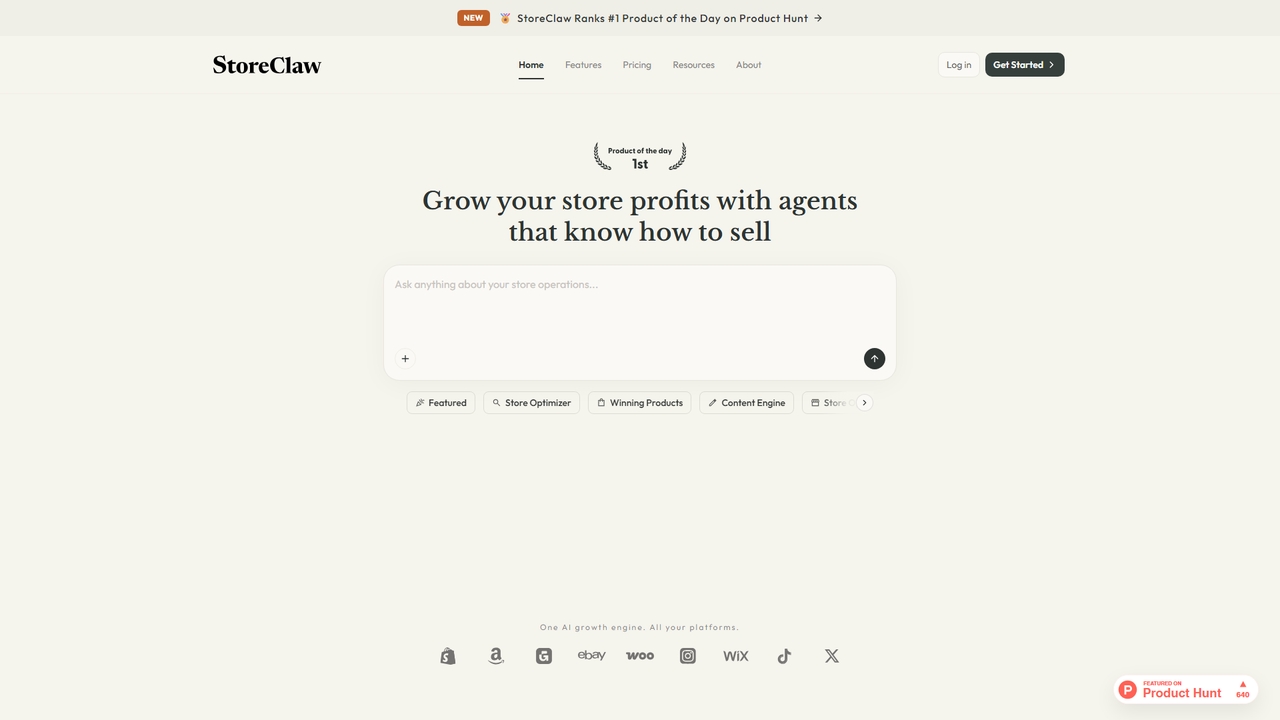
StoreClaw is an autonomous AI growth engine designed for ecommerce. It integrates store diagnostics, SEO/GEO optimization, marketing content …

2.8K
VerbiAI

VerbiAI

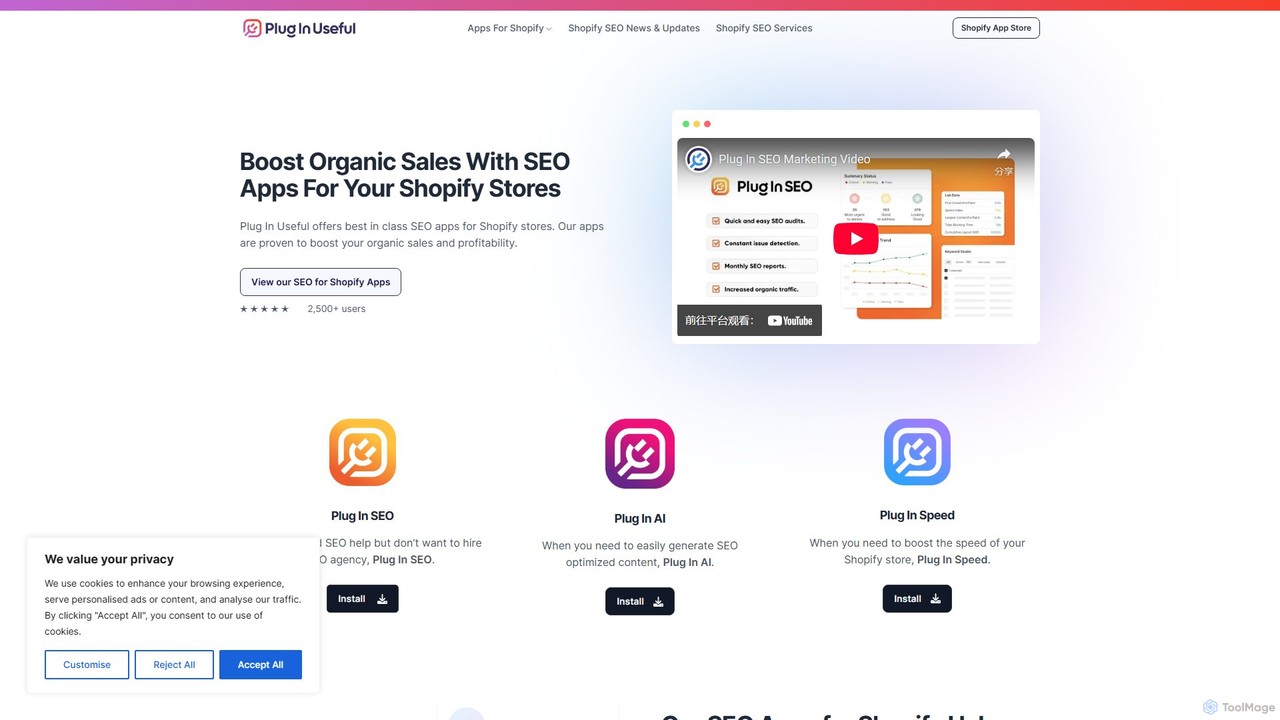
VerbiAI is an AI-powered SEO content generation tool, now part of the Plug In Useful suite, designed specifically …

5.2K
Roketfy

Roketfy

Roketfy is an AI-powered suite of tools designed for Etsy sellers to boost sales. It offers features like …

16.2K

About Seo

AI SEO tools for e-commerce are specialized platforms designed to automate and enhance the search engine visibility of online stores. They utilize machine learning and natural language processing to analyze competitor strategies, identify high-intent keywords, and optimize product pages at scale. For online retailers, these tools are instrumental in driving qualified organic traffic, improving product discoverability in a crowded market, and making data-driven decisions to increase revenue. They go beyond traditional SEO by automating complex tasks like technical audits for thousands of URLs and generating SEO-friendly content for product catalogs.

Core Features

  • AI Keyword Research: Identifies long-tail and transactional keywords specifically for product and category pages.
  • Automated Content Optimization: Generates or refines product descriptions, titles, and meta tags to improve search rankings.
  • Large-Scale Technical Audits: Automatically scans entire e-commerce sites to find and prioritize issues like broken links, slow pages, or schema errors.
  • Competitor Analysis: Tracks the rankings and on-page strategies of competing product pages to uncover opportunities.
  • SERP & Rank Tracking: Monitors keyword positions for thousands of products, providing insights into market visibility and performance.

Applicable Scenarios

These tools are primarily used by e-commerce managers, SEO specialists, and digital marketing teams within online retail businesses. They are essential for managing large product inventories, optimizing for seasonal shopping trends, and scaling content marketing efforts. For example, a marketing manager can use them to quickly optimize hundreds of new product listings or an SEO specialist can automate weekly site health checks to maintain performance.

How to Choose

When selecting an AI SEO tool for e-commerce, prioritize its integration capabilities with your platform (e.g., Shopify, Magento, BigCommerce). Evaluate the tool's ability to handle a large volume of URLs and keywords effectively. Assess the quality of its AI-generated content for product descriptions and its accuracy in competitor and rank tracking data. Finally, consider the user interface and the actionability of its reports for your team.

SeoUse Cases

1

Optimize Product Pages for Niche Keywords

An e-commerce manager for an online store selling specialized camera gear needs to improve the visibility of a new lens series. Using an AI SEO tool, they input the basic product specifications. The tool analyzes top-ranking competitors and generates a list of high-intent, long-tail keywords like "best low-light portrait lens for Sony A7IV." It then suggests optimized product titles, meta descriptions, and even drafts a detailed product description incorporating these terms naturally. This process, which would manually take hours per product, is completed in minutes, allowing the manager to optimize the entire product line efficiently and attract highly qualified buyers.

2

Automate SEO Content for Blog & Category Pages

A content marketing team for a large online fashion retailer wants to capture traffic from informational queries. They use an AI SEO tool to identify trending topics related to "summer style trends." The tool generates a content brief and a first draft for a blog post titled "Top 5 Summer Outfits to Try This Year." It automatically suggests internal links to relevant product categories like 'dresses,' 'sandals,' and 'sunglasses.' This accelerates content creation, drives targeted traffic to the blog, and funnels readers toward making a purchase, boosting both engagement and sales.

3

Scale Technical SEO Audits for a Large Catalog

An in-house SEO specialist at a major electronics retailer is responsible for a website with over 50,000 product URLs. Manually checking for technical issues is impossible. They schedule a weekly automated site audit using an AI SEO tool. The tool crawls the entire site, identifying critical errors such as 404 pages from discontinued products, missing product schema markup, and slow-loading category pages. It then generates a prioritized report with clear instructions, enabling the specialist to focus on fixing the most impactful issues first and maintain the site's technical health and search engine crawlability.

4

Monitor Competitor Product Ranking Strategies

The owner of a growing online store for organic skincare products wants to understand how top competitors are ranking for valuable keywords like "natural vitamin C serum." They use an AI SEO tool to track the daily rankings of specific competitor product pages for a set of target keywords. The tool provides insights into the on-page elements, content structure, and backlink profiles of these top pages. This competitive intelligence allows the owner to identify gaps in their own product page optimization and adjust their strategy to effectively compete in the search results.

5

Generate Unique Category Page Descriptions

An e-commerce site selling home goods has hundreds of category pages (e.g., 'kitchenware,' 'bedding,' 'lighting') with little to no unique content, which hurts their SEO. A content strategist uses an AI tool to generate keyword-rich introductory paragraphs for each main category page. By providing the category name and a few key products, the AI creates engaging, descriptive text that explains the product range and its benefits. This helps differentiate the pages from competitors and improves their authority and ranking potential for broader, high-volume search terms.

6

Optimize for Local SEO and In-Store Pickups

A retail chain with both an online store and 50 physical locations wants to drive local traffic. Their marketing team uses an AI SEO tool with local SEO features. The tool helps optimize the Google Business Profile for each location by suggesting locally relevant keywords and generating posts about in-store promotions. It also helps create localized landing pages on the main website, targeting queries like "buy running shoes near me." This integrated strategy increases visibility in local search results and drives both online sales for in-store pickup and direct foot traffic.

SeoFrequently Asked Questions