Education Best in category 9 results Creative Writing AI Tool

Popular AI tools in the Creative Writing field of Education include novelistai、aipoemgenerator、Kidgeni、AI Story Generator、AI Storyteller、Untold、aistorygenerator、SensAI Triad、StoryFork, etc., helping you quickly improve efficiency.

Free
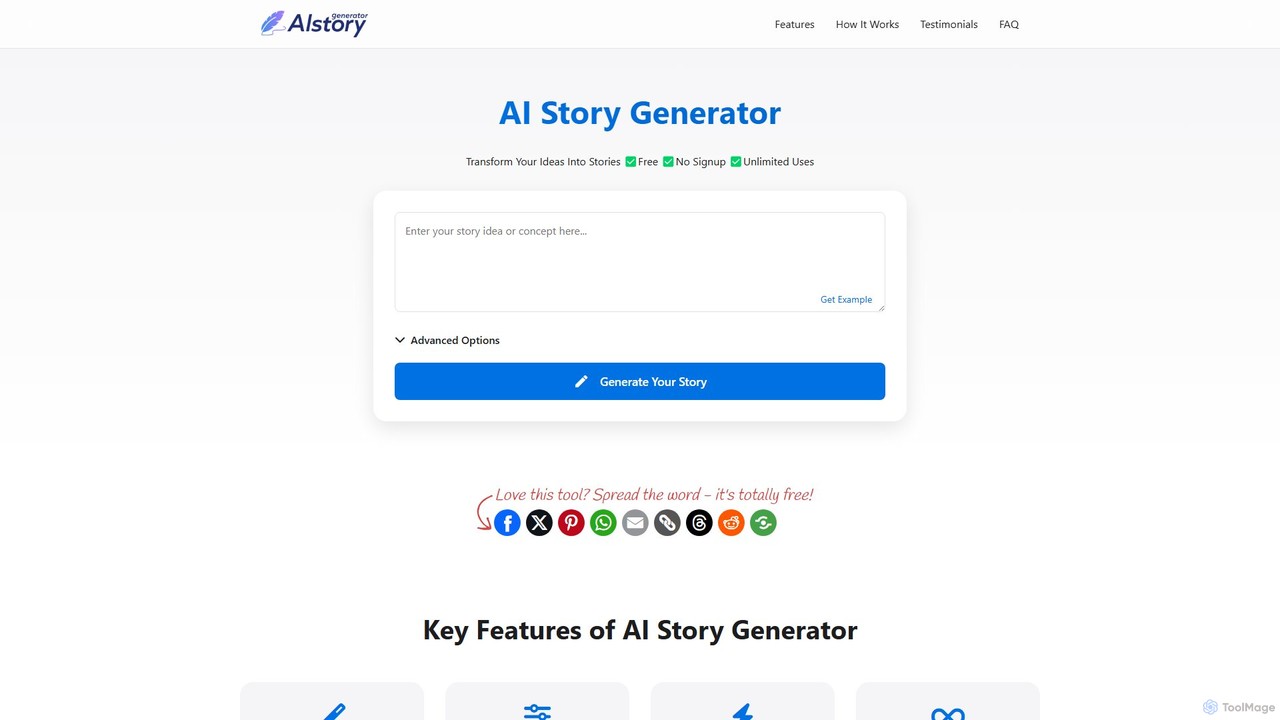
AI Story Generator

AI Story Generator

AI Story Generator is a free, user-friendly online tool that leverages advanced AI to create unique short stories …

3.1K
Untold

Untold

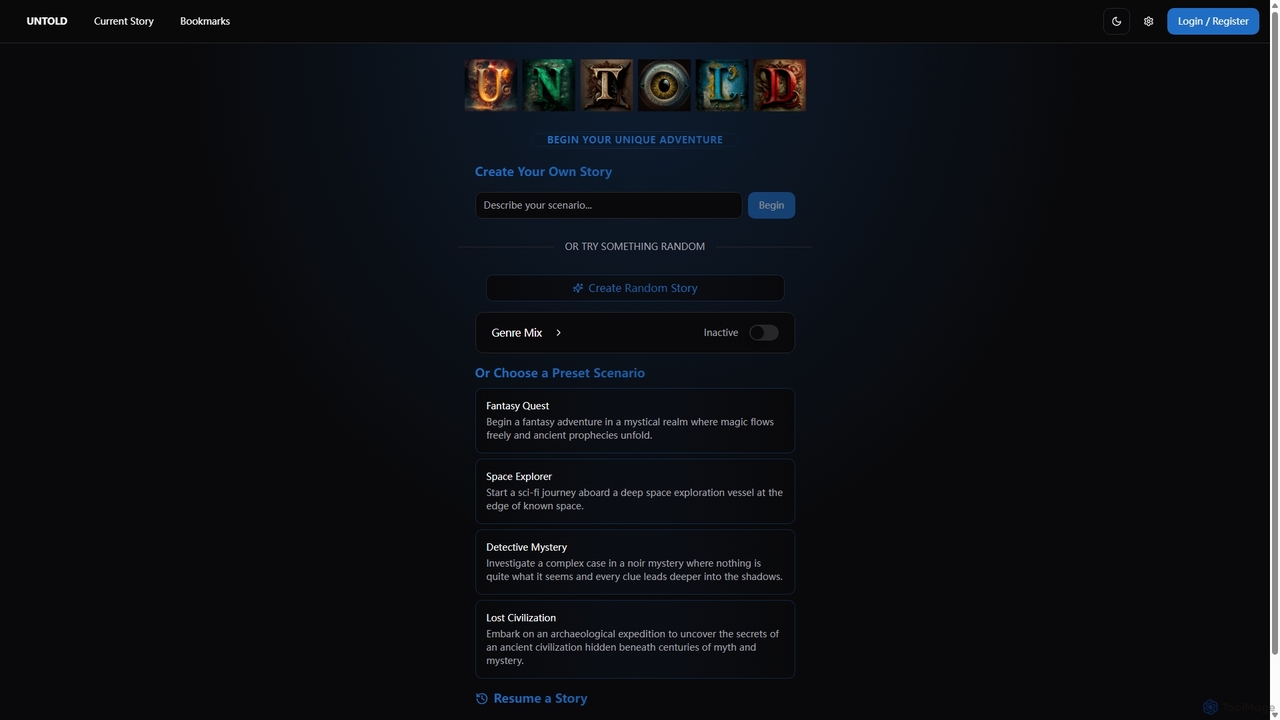
Untold is an AI-powered interactive storytelling platform where you can create and experience unique text-based adventures. Choose from …

2.8K
Free
AI Storyteller

AI Storyteller

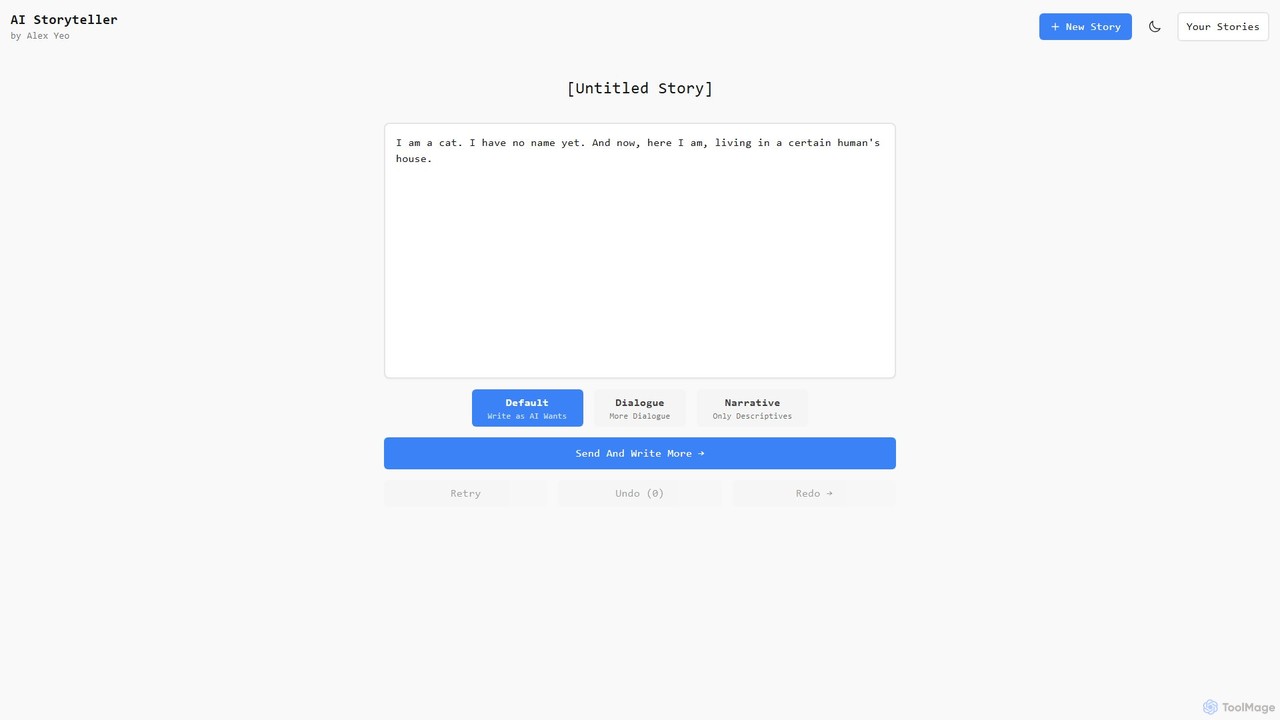
AI Storyteller is a free, interactive AI writing assistant designed for collaborative story creation. Users can guide the …

2.9K
novelistai

novelistai

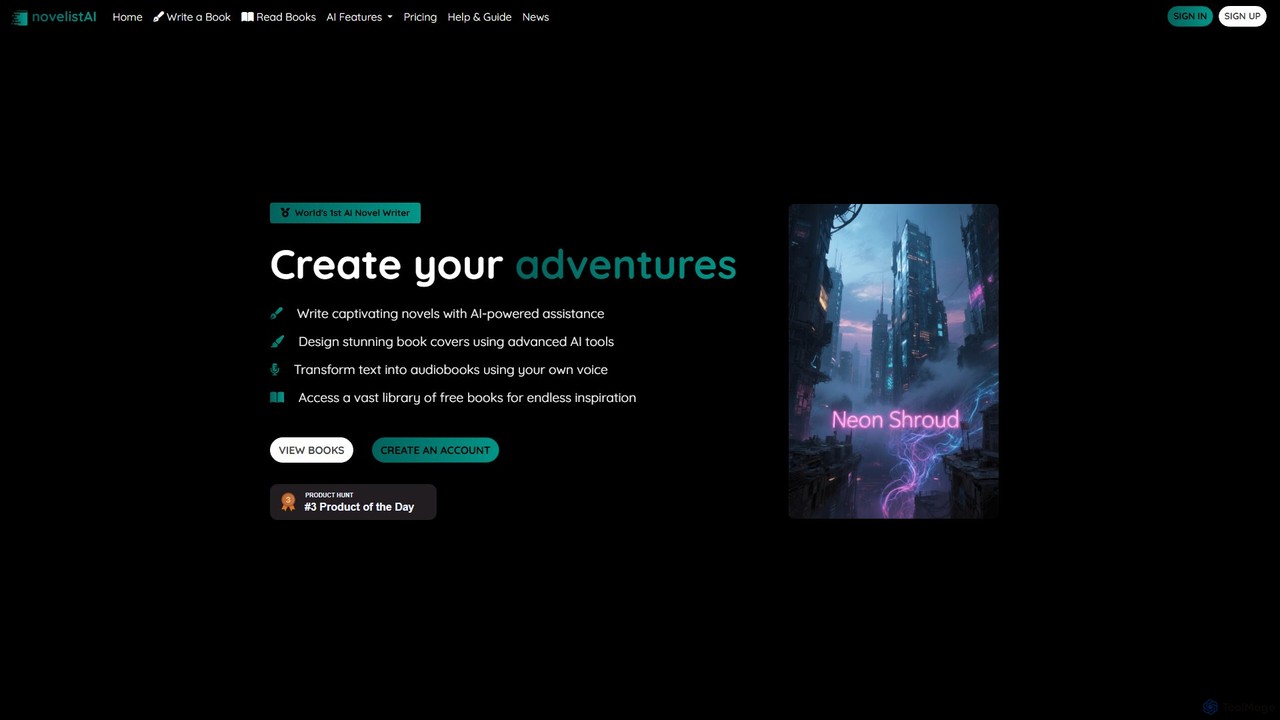
NovelistAI is an all-in-one AI-powered platform for creative writing. It helps users write novels, gamebooks, and scripts, generate …

37.5K
Kidgeni

Kidgeni

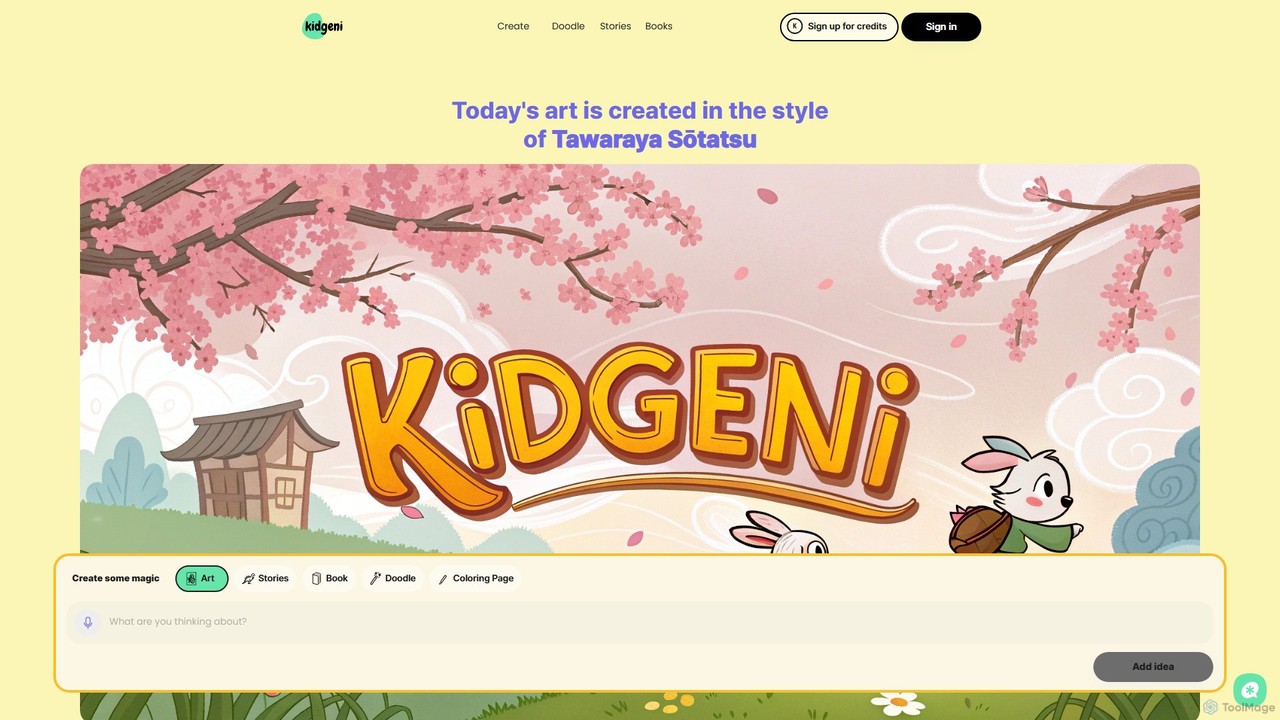
Kidgeni is an AI-powered creative platform designed for children. It transforms their ideas into beautiful art, turns simple …

10.9K
SensAI Triad

SensAI Triad

SensAI Triad is a privacy-first suite of AI tools for writers, acting as a personal writing coach. It …

2.8K
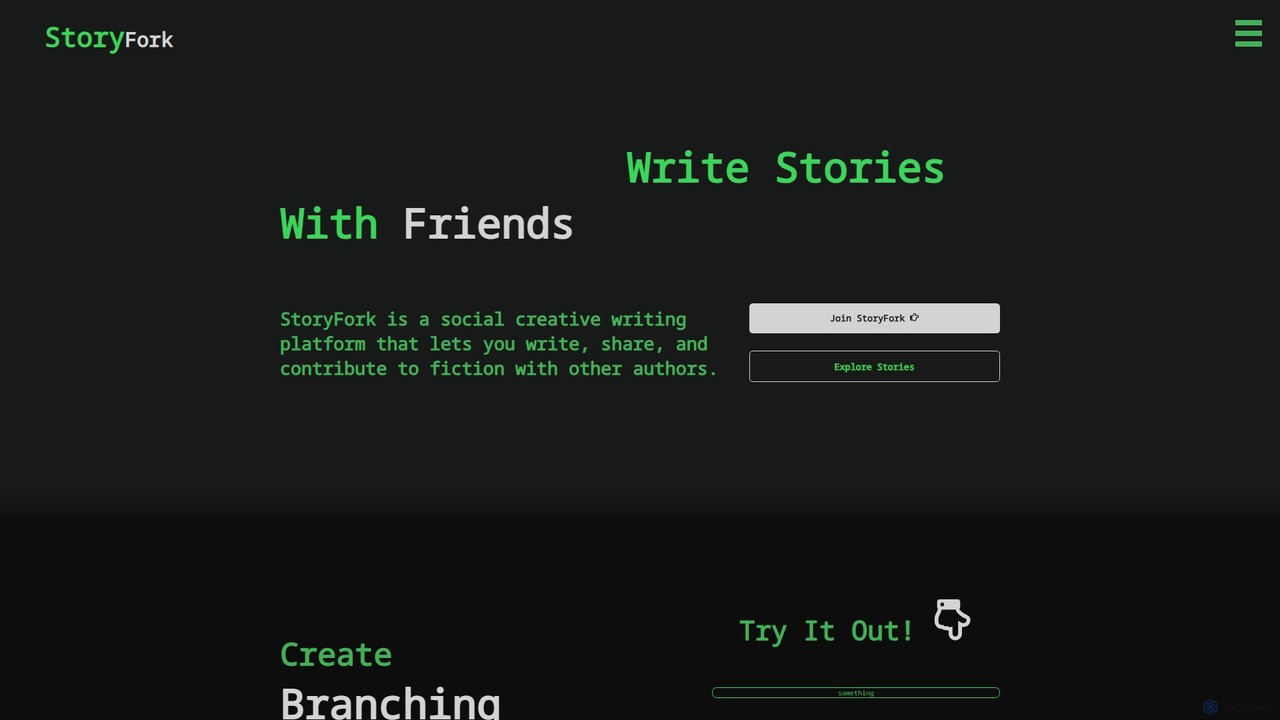
StoryFork

StoryFork

StoryFork is a social creative writing platform that allows users to collaboratively write branching narratives. It features a …

2.7K
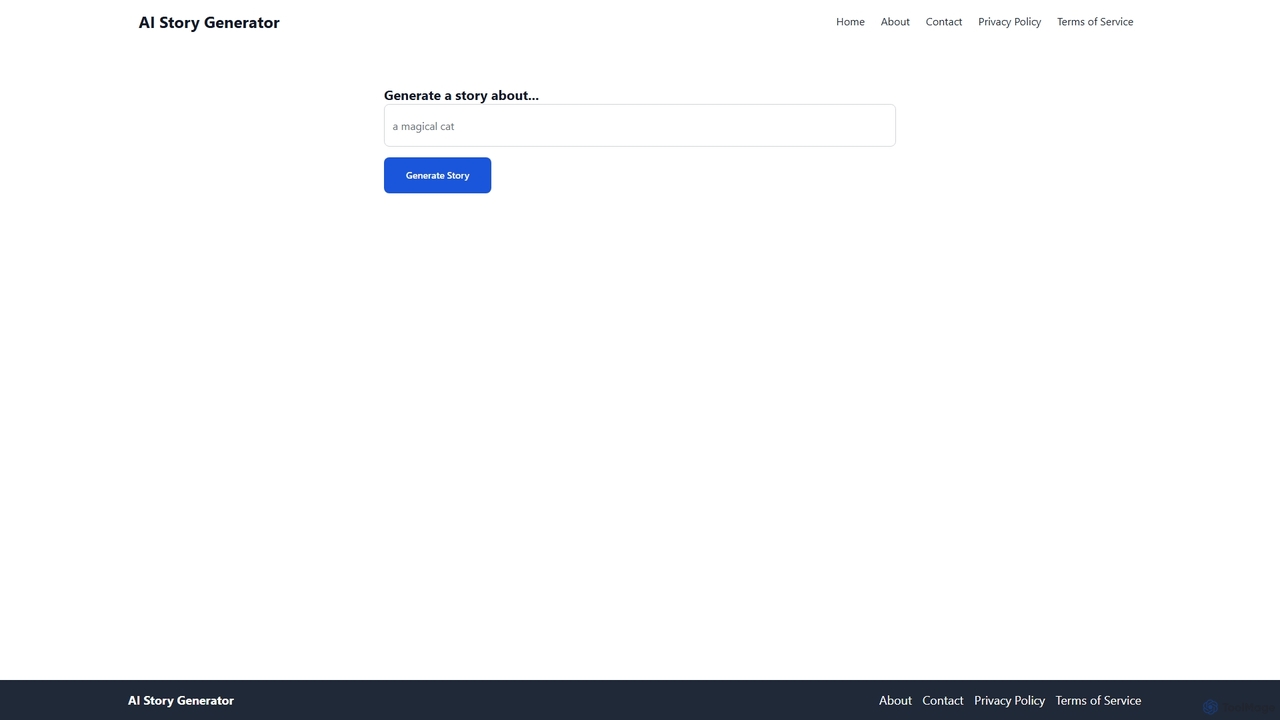
aistorygenerator

aistorygenerator

aistorygenerator is an AI-powered creative writing assistant designed to help authors, screenwriters, and hobbyists generate compelling stories. Overcome …

2.8K
Free
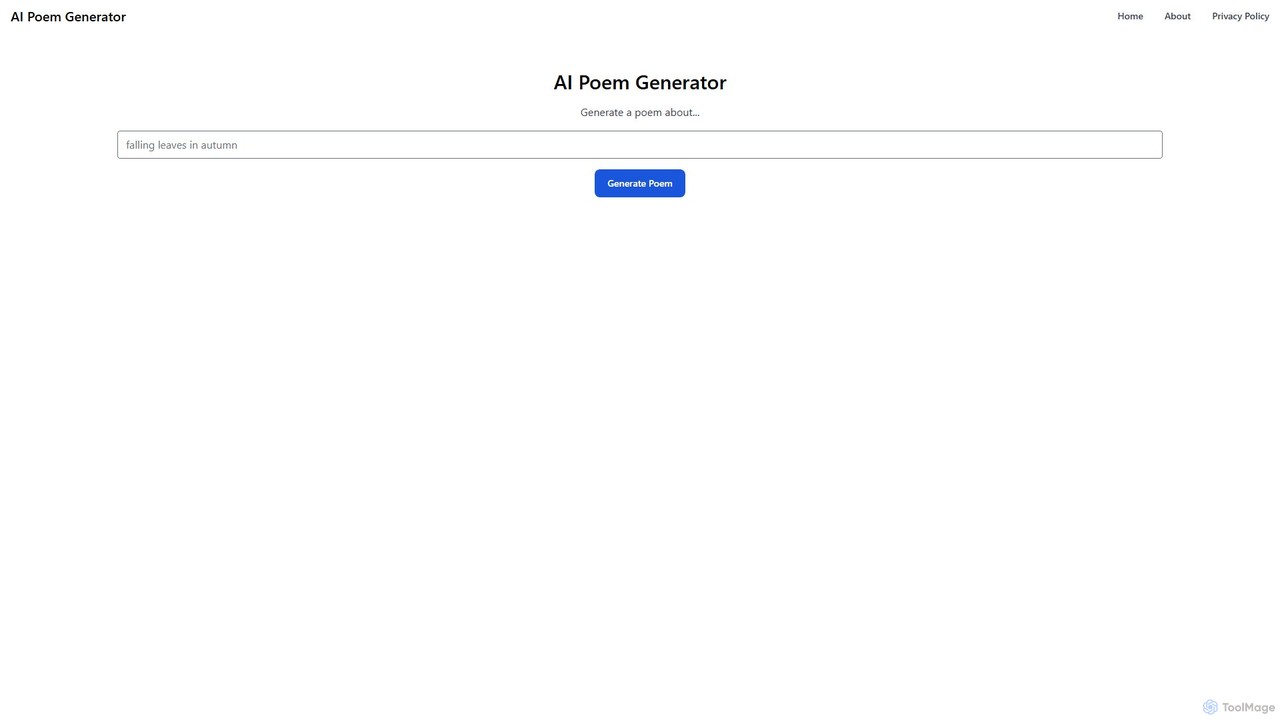
aipoemgenerator

aipoemgenerator

A free, AI-powered online tool that instantly generates rhyming poems from a simple text prompt. Powered by OpenAI, …

14.0K

About Creative Writing

Creative Writing AI tools are advanced artificial intelligence applications designed to assist and enhance the process of generating original and imaginative text. Leveraging natural language generation (NLG) and large language models (LLMs), these tools can produce diverse forms of creative content, from compelling narratives and poetic verses to engaging scripts and marketing taglines. They serve as powerful co-pilots for writers, helping to overcome creative blocks, explore new ideas, and refine their artistic expression, making the creative process more accessible and efficient for various users within the broader field of education and content creation.

Core Features

  • Idea Generation: Provides prompts, themes, and initial concepts to spark creativity for stories, poems, or scripts.
  • Plot & Character Development: Assists in outlining story arcs, developing character backstories, and suggesting plot twists.
  • Style & Tone Adaptation: Generates text in specific literary styles, genres, or emotional tones, from whimsical to dramatic.
  • Drafting & Expansion: Helps write initial drafts, expand existing text, or generate variations of sentences and paragraphs.
  • Rhyme & Meter Assistance: Offers suggestions for rhyming words and helps maintain poetic meter for verse creation.

Use Cases

Creative Writing AI tools are invaluable for authors, screenwriters, poets, and content creators seeking to streamline their creative workflow. They are used to quickly brainstorm story ideas for novels, develop compelling dialogue for film scripts, or generate unique lyrical concepts for songs. Additionally, educators can integrate these tools to teach students about different writing styles or to help them overcome initial hurdles in their creative assignments.

How to Choose

When selecting a Creative Writing AI tool, consider its genre specialization (e.g., fiction, poetry, scriptwriting), the depth of its idea generation capabilities, and its flexibility in adapting to different writing styles and tones. Evaluate the user interface for ease of use, the quality of its output, and whether it offers features like real-time collaboration or integration with other writing software. Pricing models and the availability of free trials are also important factors.

Creative WritingUse Cases

1

Developing Novel Plotlines

Aspiring novelists can use Creative Writing AI to brainstorm complex plot structures, generate unexpected twists, and develop detailed subplots. By inputting initial concepts or character profiles, the AI can suggest multiple narrative paths, helping writers overcome writer's block and explore diverse story possibilities before committing to a full draft.

2

Crafting Engaging Screenplay Dialogue

Screenwriters utilize these tools to generate natural-sounding and character-appropriate dialogue for film or TV scripts. The AI can help refine conversations, ensure consistency in character voice, and even suggest witty retorts or dramatic exchanges, significantly speeding up the dialogue writing process while maintaining authenticity.

3

Generating Poetic Verses and Rhymes

Poets can leverage Creative Writing AI to find perfect rhymes, explore different poetic forms, or generate evocative imagery. The tool can assist in maintaining meter, suggesting synonyms for richer vocabulary, and even composing entire stanzas based on a given theme or emotional prompt, fostering a more fluid creative flow.

4

Creating Unique Song Lyrics

Songwriters employ AI to brainstorm lyrical themes, generate catchy hooks, or develop full verses and choruses. By providing a mood, genre, or specific topic, the AI can offer a variety of lyrical options, helping to overcome creative plateaus and produce original, emotionally resonant songs more efficiently.

5

Developing Immersive Game Narratives

Game designers and writers use Creative Writing AI to build rich backstories for characters, create branching dialogue options for NPCs, and develop intricate lore for game worlds. This accelerates the narrative development process, ensuring a consistent and engaging player experience across complex interactive stories.

6

Assisting Educational Creative Assignments

Students and educators in creative writing courses can use AI tools to generate prompts for essays, explore different literary styles, or receive feedback on early drafts. This helps students understand various writing techniques, experiment with genres, and refine their work, making the learning process more interactive and supportive.

Creative WritingFrequently Asked Questions