ToolMage
Sign in

Best 4 Proofreading AI tools for Education

Popular Proofreading AI tools in Education include scribowriter, PunctuationCheck, Check Typo, and SafeSpelling, helping you work more efficiently.

SafeSpelling
Freemium

SafeSpelling

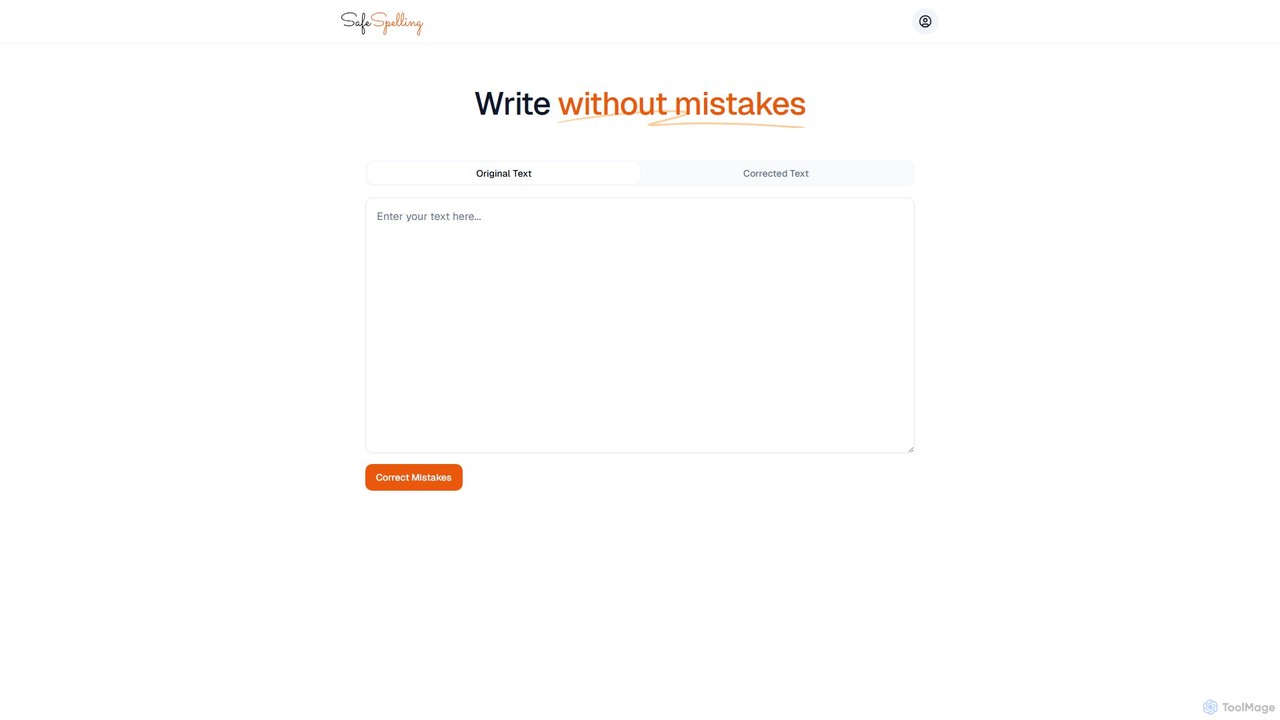
SafeSpelling is an AI-powered writing assistant designed to eliminate spelling, grammar, and punctuation errors. It helps users enhance their writing clarity, style, and professionalism. Ideal for students, professionals, and writers who want to produce flawless text with confidence.

Proofreading
Visits 7KFavorites 155Likes 138
scribowriter
Freemium

scribowriter

scribowriter is an advanced AI writing assistant designed to enhance your writing. It offers a suite of tools including a paraphraser, summarizer, grammar checker, and more. Ideal for students, writers, and professionals to improve clarity, style, and accuracy in their texts.

Proofreading
Visits 9.8KFavorites 101Likes 93
PunctuationCheck
Free

PunctuationCheck

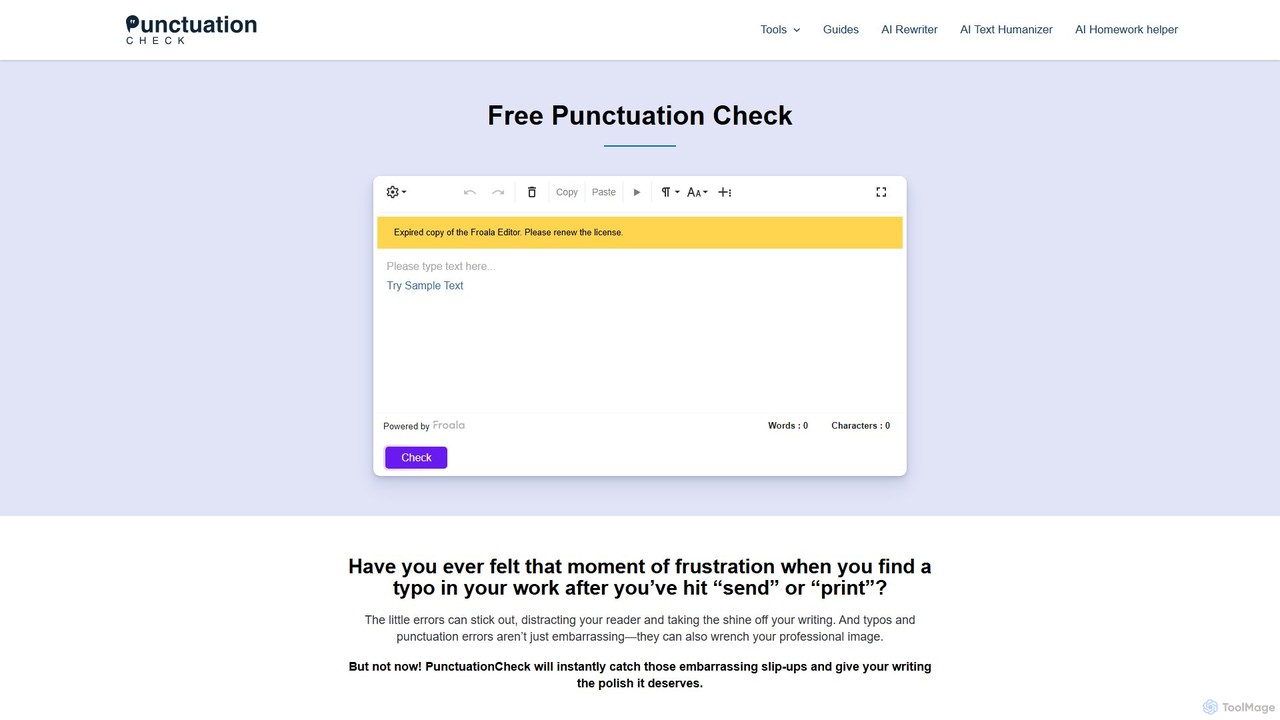
PunctuationCheck is a free online tool designed to instantly correct punctuation, spelling, and grammar errors in your English writing. It supports multiple English dialects, offers one-click corrections, and features a user-friendly editor. Ideal for students, professionals, and writers looking to polish their text, enhance clarity, and maintain a professional image without any cost or sign-up.

Proofreading
Visits 9KFavorites 177Likes 184
Check Typo
Freemium

Check Typo

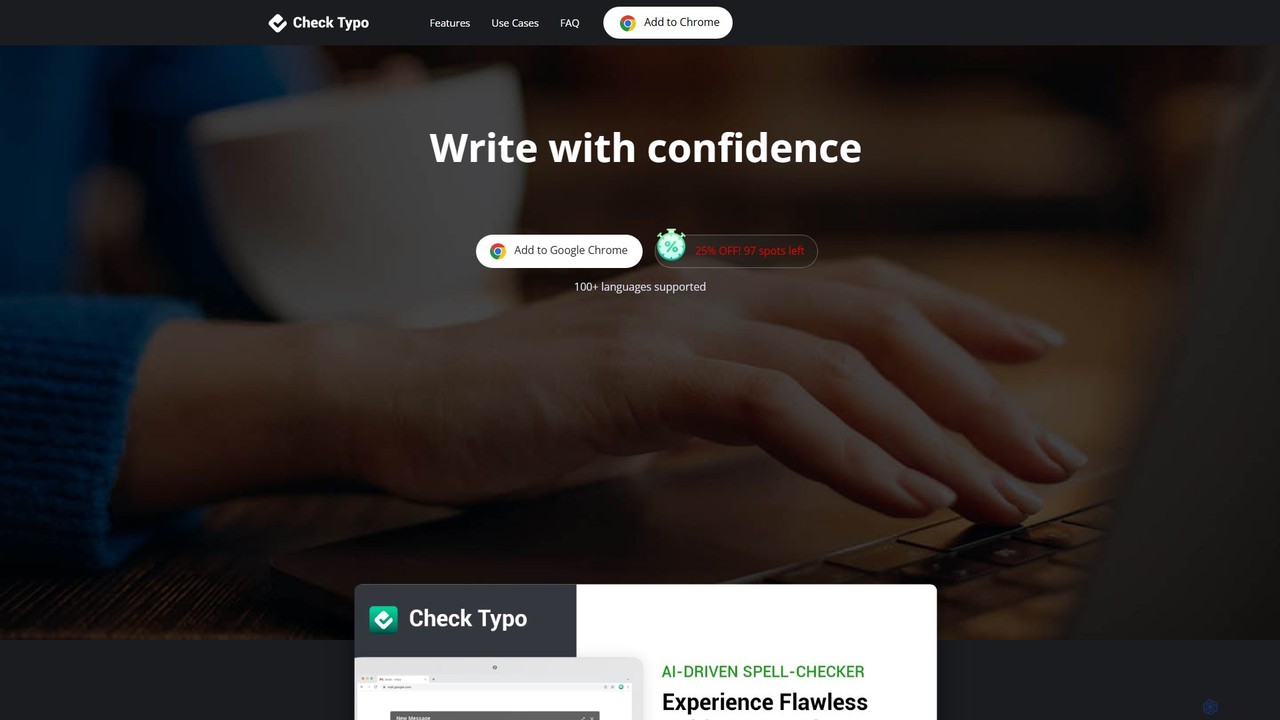
Check Typo is an AI-powered writing assistant and spell-checker that integrates seamlessly across various platforms. It helps students, professionals, and writers produce clear, professional, and error-free text in emails, social media posts, and professional profiles.

Proofreading
Visits 7.1KFavorites 196Likes 188

About Proofreading

AI Proofreading tools are a category of software that uses artificial intelligence to detect and correct errors in written text. Unlike traditional spell checkers, these tools leverage natural language processing (NLP) to analyze grammar, punctuation, style, tone, and clarity in context. They help users produce professional, error-free, and polished documents, from academic essays and business reports to marketing copy. Many advanced proofreaders also offer features like plagiarism detection and suggestions for improving sentence structure, making them comprehensive writing assistants within the broader education and communication fields.

Core Features

  • Advanced Grammar Correction: Identifies complex grammatical mistakes, including subject-verb agreement, tense consistency, and sentence structure issues.
  • Style and Tone Analysis: Provides suggestions to improve readability, conciseness, and match a desired tone, such as formal, academic, or casual.
  • Clarity Enhancement: Rephrases convoluted sentences and suggests simpler alternatives for better comprehension by the intended audience.
  • Plagiarism Detection: Scans text against a vast database of online sources and academic papers to ensure the originality of the work.
  • Multi-language Support: Corrects and improves text in various languages, understanding the unique grammatical rules and nuances of each.

Use Cases

These tools are indispensable in academic and professional settings. Students use them to polish essays and dissertations, researchers to prepare manuscripts for publication, and business professionals to draft error-free reports and proposals. Content creators and marketers also rely on them to ensure their blog posts and web copy are clear and engaging for their audience.

How to Choose

When selecting an AI proofreading tool, consider the depth of its analysis; some focus on basic grammar while others offer advanced stylistic feedback. Evaluate its integration capabilities with your writing software (e.g., Google Docs, Microsoft Word). Also, check the supported languages and consider the pricing model—whether a free version is sufficient or a premium subscription is needed for features like plagiarism checking and unlimited use.

Proofreading use cases

1

Polishing Academic Papers and Theses

For students and researchers, ensuring academic integrity and clarity is crucial. An AI proofreading tool automates the tedious process of checking for grammatical errors, incorrect citations, and stylistic inconsistencies. It can scan a 10,000-word thesis in minutes, highlighting complex punctuation issues and suggesting more formal phrasing. This allows the author to focus on the content and arguments, significantly reducing revision time and improving the chances of a higher grade or successful publication.

2

Refining Business Proposals and Reports

A business professional drafting a critical client proposal cannot afford typos or unclear language. AI proofreaders act as a final quality check, ensuring the document is professional and persuasive. They correct grammar, check for a consistent formal tone, and suggest more impactful vocabulary. This helps build credibility and ensures the message is communicated clearly, which can directly influence the outcome of a deal or project.

3

Enhancing Marketing and Web Content

Content marketers and copywriters use AI proofreading tools to optimize their articles, blog posts, and website copy for readability and engagement. The tool can analyze the text for clarity, suggest active voice alternatives, and ensure the tone aligns with the brand's voice. By eliminating errors and improving flow, the content becomes more effective at capturing audience attention and driving conversions, directly impacting SEO performance and marketing ROI.

4

Streamlining Multilingual Communication

For global teams and individuals communicating in a non-native language, AI proofreaders are invaluable. They can correct grammatical errors specific to different languages (e.g., German noun capitalization, French verb conjugations). This helps non-native speakers write with confidence, ensuring their emails, reports, and messages are clear, professional, and free from embarrassing mistakes that could cause miscommunication.

5

Perfecting Resumes and Cover Letters

Job applicants use AI proofreading tools to ensure their resume and cover letter are flawless. A single typo can lead to rejection by applicant tracking systems (ATS) or human recruiters. These tools meticulously scan for spelling mistakes, grammatical errors, and awkward phrasing. They help present the applicant's qualifications in the most professional light, creating a strong first impression and increasing the chances of securing an interview.

6

Assisting Authors in Self-Editing

For authors and bloggers, the self-editing process can be challenging. An AI proofreader serves as an objective first reader, catching errors that the writer might overlook after spending hours on the text. It helps identify repetitive phrasing, run-on sentences, and inconsistent tense usage. This initial cleanup allows human editors to focus on higher-level aspects like plot and character development, streamlining the entire editing workflow from first draft to final publication.

Proofreading FAQ

What is an AI Proofreading tool?

An AI Proofreading tool is software that uses artificial intelligence, specifically natural language processing (NLP), to analyze and improve written text. It goes far beyond simple spell-checking to identify and correct complex errors in grammar, punctuation, style, and tone. These tools act as a comprehensive writing assistant, helping users produce clear, accurate, and professional writing for academic, business, or creative purposes.

How do I choose the right AI proofreader?

To choose the right AI proofreader, consider these key factors:

  • Correction Depth: Determine if you need basic grammar checks or advanced stylistic, tonal, and clarity suggestions.
  • Integrations: Check if it works seamlessly with your preferred writing applications like Google Docs, Microsoft Word, or web browsers.
  • Language Support: Ensure it supports all the languages you write in with a high degree of accuracy.
  • Special Features: Decide if you need extras like plagiarism detection, a citation generator, or team collaboration tools, which are often part of premium plans.
What's the difference between an AI proofreader and a standard spell checker?

A standard spell checker primarily identifies misspelled words and very basic grammatical errors based on a predefined dictionary and rules. An AI proofreader, however, understands context. It uses NLP to analyze sentence structure, suggest stylistic improvements, detect inappropriate tone, and correct complex grammatical mistakes that rule-based checkers would miss. In essence, a spell checker finds typos, while an AI proofreader acts as a comprehensive writing coach that improves the overall quality of the text.

Who can benefit from using AI proofreading tools?

A wide range of users can benefit from AI proofreading tools, as they are fundamental to producing quality work in education and beyond. Key users include:

  • Students and Academics: For error-free essays, research papers, and dissertations.
  • Business Professionals: For clear and professional reports, emails, and proposals.
  • Writers and Bloggers: To polish articles, books, and web content for publication.
  • Non-native Speakers: To write more confidently and accurately in a second language.
  • Job Seekers: To create flawless resumes and cover letters that make a strong impression.
Are AI proofreading tools 100% accurate?

While AI proofreading tools are highly advanced and significantly improve writing quality, they are not infallible. They can occasionally misinterpret nuanced context, creative language, or highly technical jargon, leading to incorrect suggestions. They are best used as a powerful assistant to augment, not replace, human judgment. It is always recommended to carefully review the suggestions before accepting them, especially for critical documents like academic submissions or legal contracts.