ToolMage
Sign in

Best 11 Fraud Detection AI tools for Finance

Popular Fraud Detection AI tools in Finance include Shufti Pro, Chargeblast, Verihubs, Logic, Inscribe, InsightAI, Merchanto, ProofUp, Fintelite, and autogon, helping you work more efficiently.

Logic
Freemium

Logic

Logic is a no-code AI platform that automates recurring business decisions and review processes. Users describe their operational logic in plain English, and Logic transforms it into a consistent, scalable automation engine with production-ready APIs, eliminating technical overhead and manual bottlenecks.

Operations Management
Visits 29.5KFavorites 139Likes 143
Verihubs
Paid

Verihubs

Verihubs is an AI-powered back-end infrastructure solution for digital businesses, specializing in identity verification and fraud detection. It offers a suite of tools including face recognition, liveness detection, deepfake prevention, and OCR to secure digital onboarding and transactions.

Api
Visits 41.4KFavorites 120Likes 126
Fintelite

Fintelite

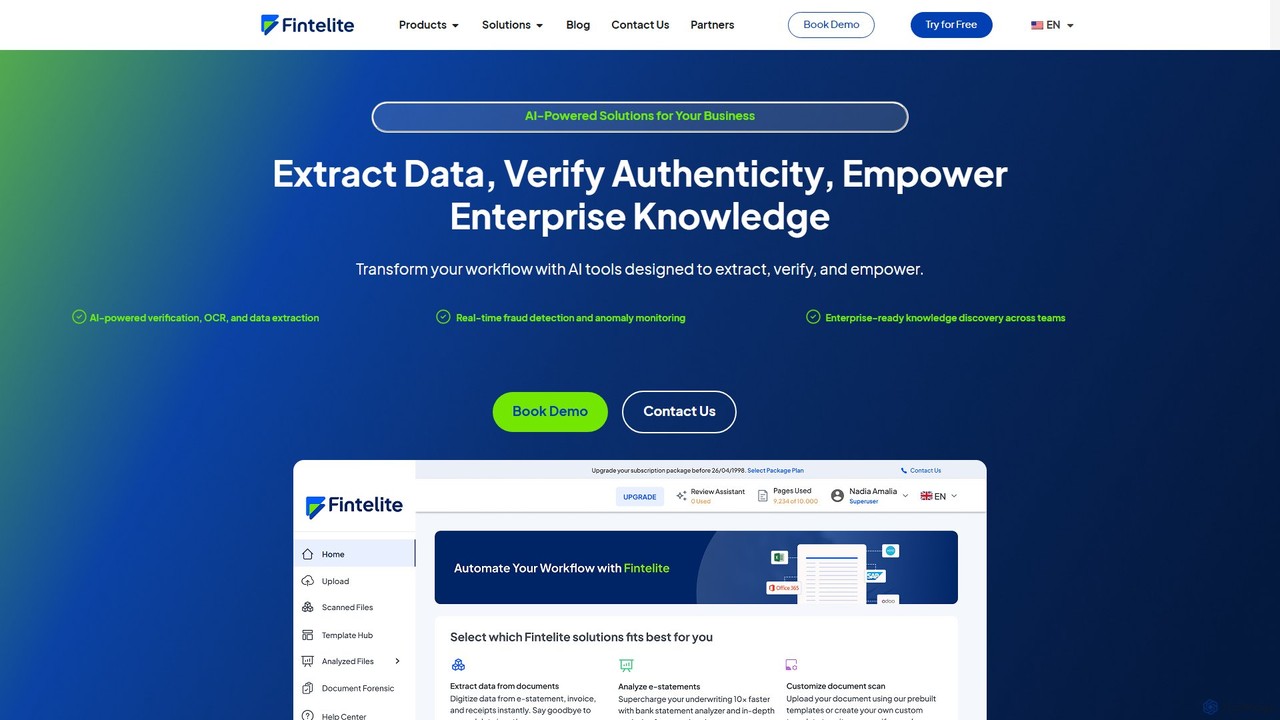
Fintelite is an AI-powered platform designed for financial services and enterprises, offering intelligent document processing, OCR, real-time fraud detection, and knowledge management. It automates data extraction, verifies document authenticity, and centralizes internal knowledge to boost efficiency, reduce manual effort, and enhance security.

Knowledge Management
Visits 10.2KFavorites 152Likes 142
autogon
Freemium

autogon

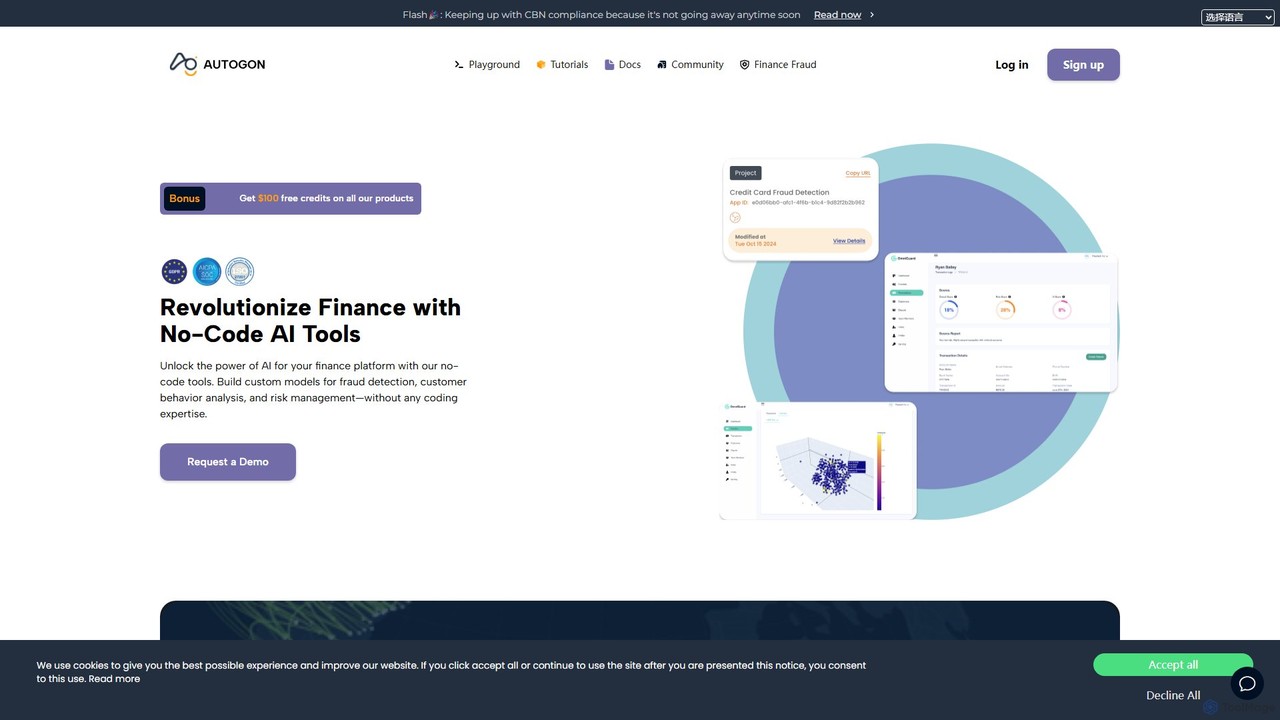
Autogon is a powerful no-code AI platform designed to democratize artificial intelligence, especially for the finance sector. It enables users to build, deploy, and manage custom AI models for fraud detection, risk management, customer analytics, and automated chatbots without writing a single line of code. It also offers a versatile AI playground for various other industries.

Machine Learning
Visits 10.1KFavorites 125Likes 116
InsightAI
Paid

InsightAI

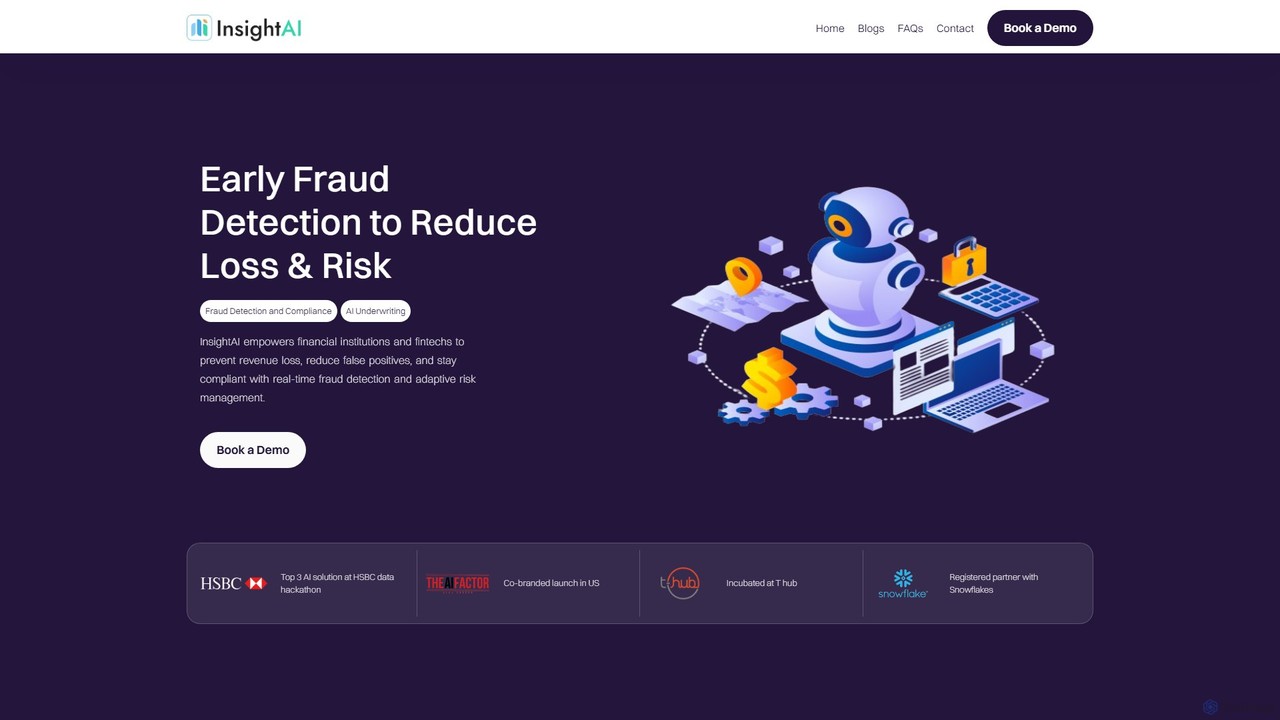
InsightAI is an AI-powered platform for financial institutions and fintechs, offering real-time fraud detection, adaptive risk management, and AI-driven underwriting. It automates data analysis, ensures compliance, and enhances operational efficiency, helping businesses reduce revenue loss and operational costs while improving accuracy and productivity.

Compliance
Visits 19.7KFavorites 121Likes 124
gueno
Paid

gueno

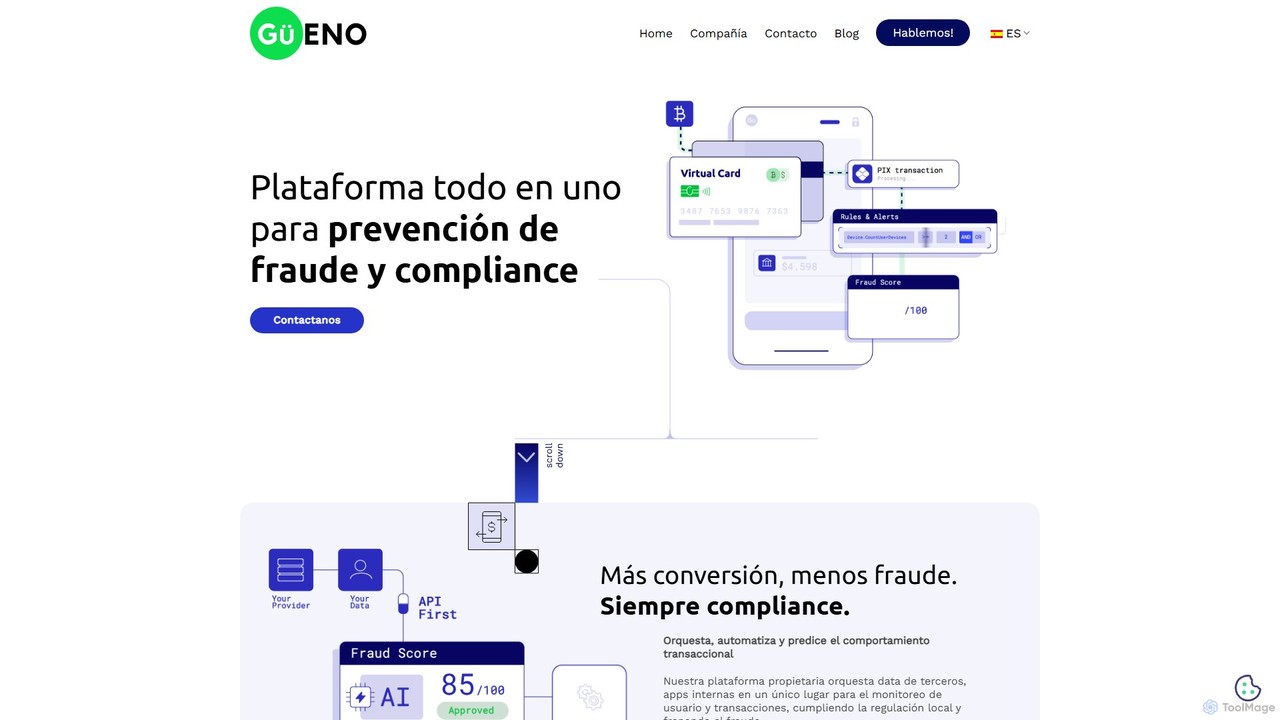
gueno is an all-in-one, AI-powered platform for fraud prevention and compliance, specifically designed for Fintech and Crypto companies operating in Latin America. It provides real-time monitoring, user onboarding, and transaction validation for both FIAT and crypto through a single, easy-to-integrate API, helping businesses increase conversion while minimizing risk.

Fraud Detection
Visits 5.6KFavorites 113Likes 118
Chargeblast
Paid

Chargeblast

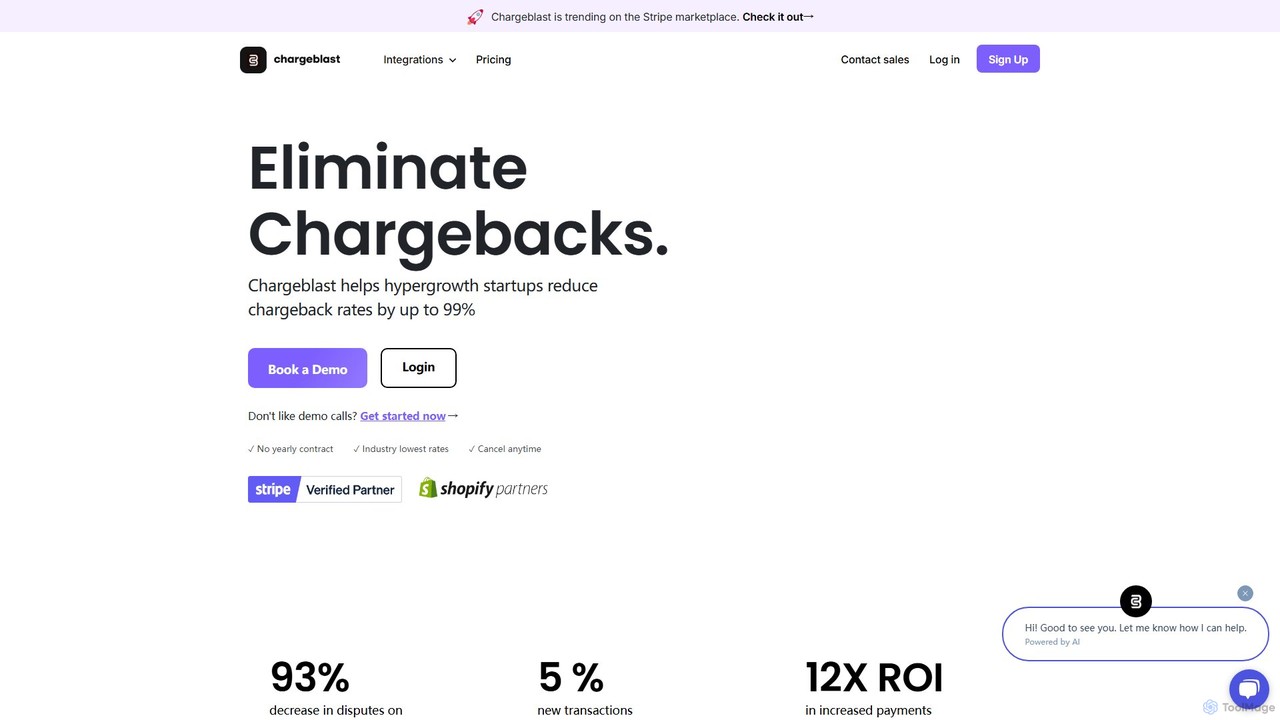
Chargeblast is a chargeback prevention tool that provides real-time alerts, allowing merchants to refund transactions before they become official disputes. It helps businesses drastically reduce dispute rates, save on fees, avoid high-risk monitoring, and increase revenue by accepting more payments.

Payment Processing
Visits 118.3KFavorites 126Likes 112
ProofUp
Paid

ProofUp

ProofUp is an AI-powered tenant screening platform for landlords and property managers. It provides advanced security features including document fraud detection, biometric ID verification with facial recognition, and direct income verification via secure bank integration, helping to minimize risk and prevent rental fraud.

Fraud Detection
Visits 14.2KFavorites 153Likes 164
Inscribe
Freemium

Inscribe

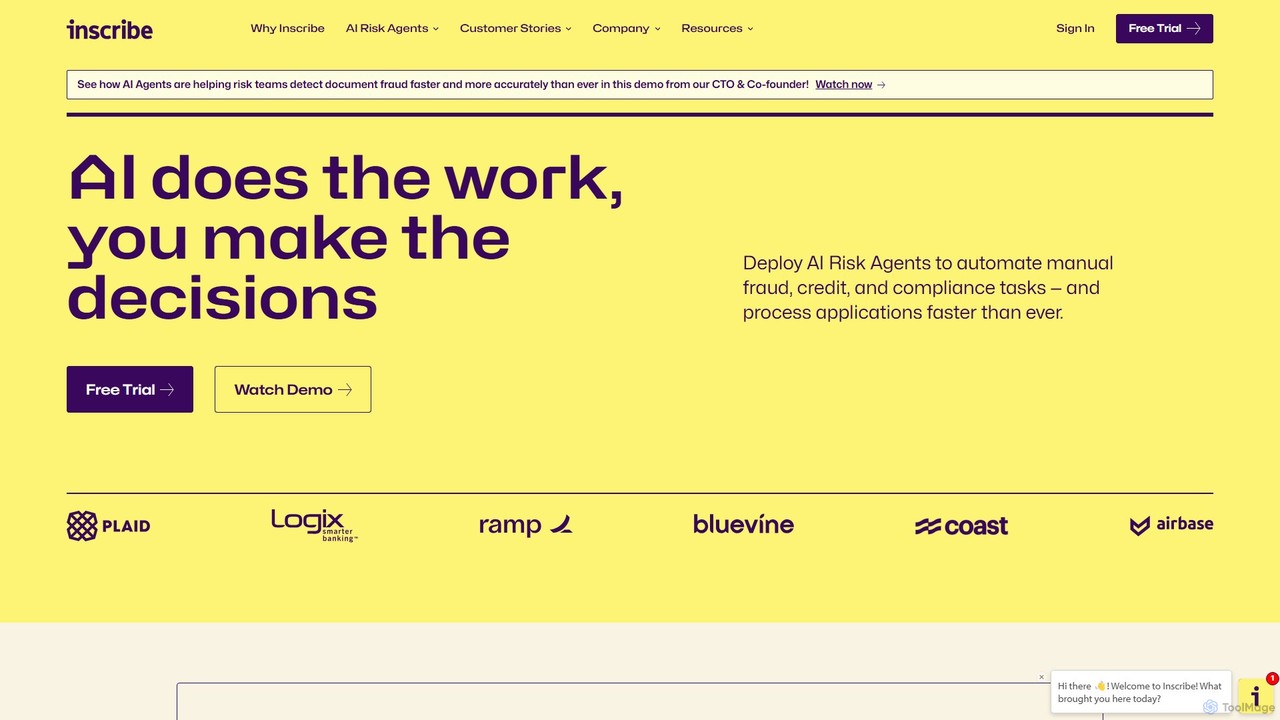
Inscribe is an AI-powered platform for risk teams in finance and fintech. It uses AI Risk Agents to automate fraudulent document detection, compliance checks (KYB), and credit analysis. Inscribe helps businesses speed up application processing, reduce manual workloads, and make faster, more accurate risk decisions.

Credit Analysis
Visits 22.1KFavorites 115Likes 119
Merchanto
Paid

Merchanto

Merchanto is an AI-powered platform designed for online businesses to prevent chargebacks and combat payment fraud. By leveraging direct collaboration with Visa and MasterCard issuers, it provides a real-time, end-to-end solution to deflect disputes before they escalate into costly chargebacks, aiming for up to 100% deflection efficiency.

Risk Management
Visits 15.7KFavorites 131Likes 122
Shufti Pro
Paid

Shufti Pro

Shufti Pro is an AI-powered identity verification platform offering comprehensive KYC, KYB, and AML solutions. It uses advanced facial recognition, biometric analysis, and document verification to prevent fraud, ensure regulatory compliance, and streamline customer onboarding. With global coverage across 240+ countries and support for 150+ languages, Shufti Pro provides a secure, accurate, and seamless verification experience for industries like fintech, gaming, and e-commerce.

Kyc & Aml
Visits 266.3KFavorites 109Likes 110

About Fraud Detection

Fraud Detection tools are AI-powered solutions designed to identify, prevent, and mitigate fraudulent activities across various financial and digital transactions. Leveraging advanced machine learning algorithms and data analytics, these tools analyze patterns, anomalies, and behavioral deviations to flag suspicious activities in real-time or retrospectively. They play a critical role in safeguarding assets, maintaining trust, and ensuring compliance within the broader finance sector by minimizing financial losses and reputational damage. Their predictive capabilities help organizations proactively address emerging fraud threats.

Core Features

  • Real-time Monitoring: Continuously analyzes transactions and user behavior for immediate anomaly detection.
  • Pattern Recognition: Identifies complex fraud patterns that human analysts might miss using machine learning.
  • Risk Scoring: Assigns risk scores to transactions or entities, prioritizing high-risk cases for investigation.
  • Anomaly Detection: Flags deviations from normal behavior or transaction profiles as potential fraud indicators.
  • Adaptive Learning: Continuously learns from new data and feedback to improve detection accuracy over time.

Applicable Scenarios

These tools are indispensable for financial institutions, e-commerce platforms, insurance companies, and payment processors. They are used by risk analysts, compliance officers, and security teams to protect against credit card fraud, identity theft, money laundering, and insurance claims fraud. Their application extends to any business handling high volumes of transactions or sensitive customer data.

How to Choose

When selecting a fraud detection tool, consider its detection accuracy and false positive rate, integration capabilities with existing systems, scalability to handle growing data volumes, and the level of customization offered for specific fraud types. Evaluate its real-time processing capabilities, compliance features, and the clarity of its reporting and alert mechanisms to ensure it meets your operational and regulatory needs.

Featured tool rankings

Fraud Detection use cases

1

Real-time Credit Card Transaction Monitoring

For banks and payment processors, AI fraud detection tools continuously monitor millions of credit card transactions. They analyze spending habits, location data, and transaction frequency to instantly identify and flag unusual purchases, preventing unauthorized use and chargebacks before they impact customers or the institution. This significantly reduces financial losses from card fraud.

2

Preventing E-commerce Payment Fraud

E-commerce platforms utilize these tools to scrutinize online orders and payment attempts. By analyzing IP addresses, device fingerprints, shipping addresses, and purchase history, the AI can detect suspicious patterns indicative of stolen card use or account takeover attempts, blocking fraudulent transactions and protecting both merchants and legitimate customers.

3

Detecting Insurance Claims Fraud

Insurance companies deploy AI fraud detection to analyze claims submissions for inconsistencies, unusual patterns, or connections to known fraudulent networks. The tools can cross-reference data points from medical records, accident reports, and policy histories to identify inflated claims, staged accidents, or identity fraud, streamlining investigations and reducing payouts on illegitimate claims.

4

Combating Money Laundering in Banking

Financial institutions use AI to monitor large volumes of banking transactions for suspicious activities that might indicate money laundering. The AI identifies complex layering schemes, unusual fund transfers, or transactions with high-risk entities, helping compliance officers meet Anti-Money Laundering (AML) regulations and prevent illicit financial flows.

5

Identifying Identity Theft and Account Takeovers

Online service providers and financial platforms leverage fraud detection AI to protect user accounts from identity theft and account takeovers. By analyzing login patterns, device changes, password reset requests, and behavioral biometrics, the tools can detect unauthorized access attempts, alerting users and blocking malicious actors from compromising accounts.

6

Analyzing Loan Application Fraud

Lending institutions use AI to vet loan applications for fraudulent information or synthetic identities. These tools analyze submitted documents, credit history, and applicant data for discrepancies, fabricated details, or links to known fraud rings, ensuring that loans are only approved for legitimate borrowers and minimizing default risks.

Fraud Detection FAQ

What are AI Fraud Detection tools?

AI Fraud Detection tools are software solutions that use artificial intelligence, particularly machine learning, to automatically identify and prevent fraudulent activities. They analyze vast datasets of transactions, user behaviors, and other relevant information to detect anomalies, suspicious patterns, and deviations from normal activity that indicate potential fraud. These tools are crucial for protecting financial assets, customer data, and organizational reputation across various industries.

How do AI Fraud Detection tools work?

AI Fraud Detection tools primarily work by training machine learning models on historical data containing both legitimate and fraudulent transactions. These models learn to recognize patterns and features associated with fraud. When new transactions occur, the AI analyzes them against these learned patterns, assigns a risk score, and flags any activity that deviates significantly from normal behavior or matches known fraud signatures. Some systems also use unsupervised learning to detect novel fraud types without prior examples.

What types of fraud can AI detection tools prevent?

AI fraud detection tools are highly versatile and can prevent a wide range of fraud types, including:

  • Credit Card Fraud: Unauthorized transactions, card-not-present fraud.
  • Identity Theft: Account takeovers, synthetic identity fraud.
  • Insurance Fraud: Exaggerated claims, staged incidents.
  • Money Laundering: Suspicious transaction patterns, illicit fund transfers.
  • E-commerce Fraud: Chargeback fraud, friendly fraud.
  • Loan Application Fraud: Fabricated information, multiple applications.

They are effective across banking, e-commerce, insurance, and telecommunications sectors.

How do AI Fraud Detection tools differ from traditional rule-based systems?

AI Fraud Detection tools offer significant advantages over traditional rule-based systems. Rule-based systems rely on predefined rules set by humans, which can be rigid, generate high false positives, and struggle with new, evolving fraud schemes. In contrast, AI tools use machine learning to adapt and learn from new data, identifying complex, subtle patterns that rules might miss. They can detect unknown fraud types, reduce false positives, and provide more accurate, real-time protection, making them more dynamic and effective against sophisticated fraudsters.

What are the key benefits of using AI for fraud detection?

The key benefits of using AI for fraud detection include:

  • Enhanced Accuracy: Significantly reduces false positives and negatives compared to manual or rule-based methods.
  • Real-time Protection: Detects and prevents fraud instantaneously, minimizing losses.
  • Scalability: Can process vast volumes of data and transactions efficiently.
  • Adaptability: Continuously learns and evolves to combat new and emerging fraud tactics.
  • Operational Efficiency: Automates detection, freeing up human analysts for complex investigations.
  • Cost Reduction: Prevents financial losses from fraud and reduces operational costs associated with manual reviews.