Gaming Best in category 1 results Game Resources AI Tool

Popular AI tools in the Game Resources field of Gaming include lockovercodes, etc., helping you quickly improve efficiency.

Free
lockovercodes

lockovercodes

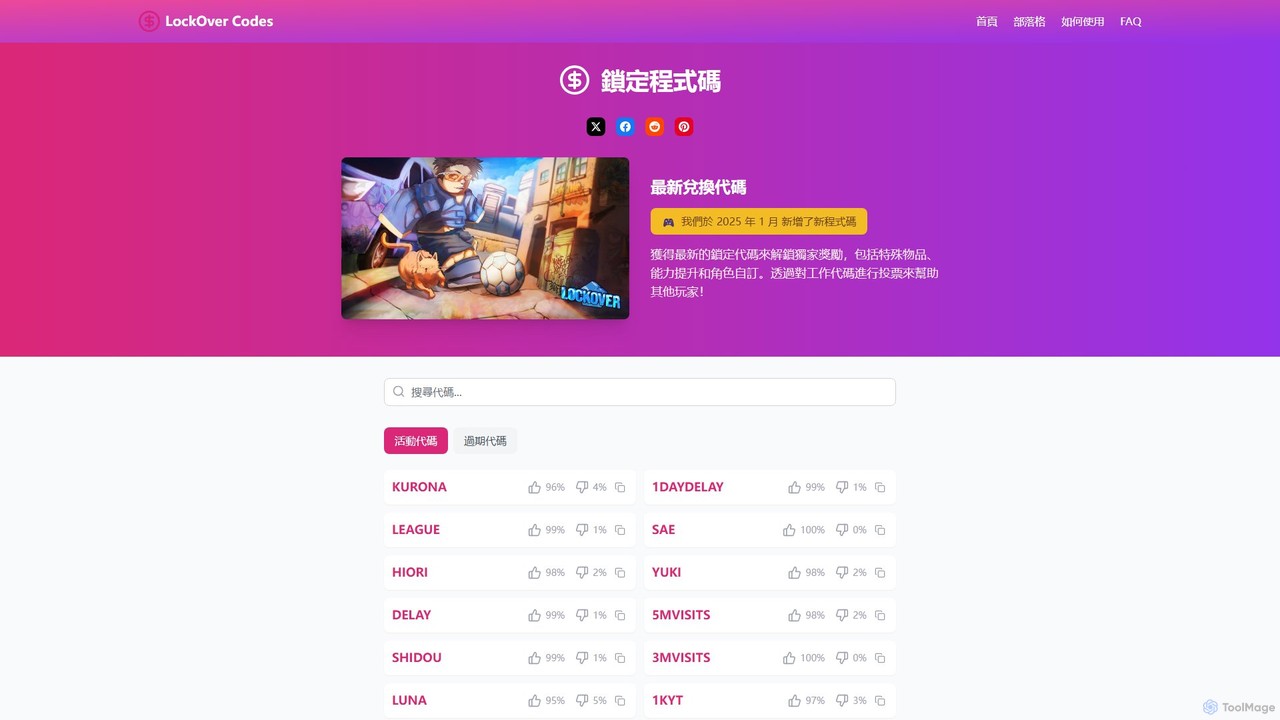
A dedicated resource hub for Roblox players, providing a comprehensive and updated list of active promotional codes for …

2.8K

About Game Resources

AI Game Resources are tools that leverage artificial intelligence to generate a wide range of assets for game development. These tools utilize generative models, such as GANs and diffusion models, to create unique textures, 3D models, sound effects, music, and even narrative content from user inputs like text prompts or reference images. Their primary value lies in accelerating the prototyping and production phases, enabling developers to quickly populate game worlds with high-quality, original content. This approach significantly reduces the time and cost associated with manual asset creation.

Core Features

  • Procedural Asset Generation: Creates unique game assets like textures, models, and sprites based on algorithms and user parameters.
  • AI-Powered Audio Creation: Generates original music, ambient sounds, and sound effects tailored to specific moods or in-game events.
  • Narrative and Content Generation: Produces game-related text, including NPC dialogue, quest descriptions, and item lore.
  • Concept Art and Character Design: Quickly visualizes characters, environments, and props from simple text descriptions for rapid iteration.
  • Texture and Material Synthesis: Generates seamless, high-resolution textures and materials for 3D models and environments.

Use Cases

These tools are invaluable for indie developers and small studios with limited resources, allowing them to create professional-grade assets without a large art team. Large studios use them for rapid prototyping, exploring creative concepts, and generating placeholder assets. Game jam participants also benefit by quickly producing functional assets within tight deadlines, focusing more on gameplay mechanics.

How to Choose

When selecting an AI Game Resources tool, first consider the specific asset type you need (e.g., 2D, 3D, audio, text). Evaluate the tool's integration capabilities and supported export formats (e.g., FBX, PNG, WAV) to ensure compatibility with your game engine. Assess the level of customization and artistic control it offers. Finally, compare pricing models—subscription, pay-per-asset, or free tiers—to find one that aligns with your project budget and scale.

Game ResourcesUse Cases

1

Rapid Prototyping for Indie Developers

An indie developer working alone needs to create a playable prototype for a new RPG concept within a month. Instead of spending weeks modeling characters and environments, they use an AI game resource tool. By inputting descriptions like 'low-poly fantasy knight' and 'mossy stone dungeon texture,' they generate all necessary placeholder assets in just a few days. This allows them to focus on core gameplay mechanics and programming, resulting in a functional prototype ready for playtesting and investor pitches much faster than traditional methods would allow.

2

Generating Diverse Environmental Textures

An art team for an open-world game needs to create thousands of unique textures for terrain, foliage, and buildings to avoid visual repetition. Manually creating each one is impractical. They use an AI texture synthesis tool trained on their game's art style. A level designer can now generate hundreds of variations of a 'cobblestone path' or 'bark' texture with slight, realistic differences. This populates the world with diverse, high-quality assets that maintain a consistent art direction, significantly enhancing player immersion.

3

Creating Adaptive Game Soundtracks

A solo developer creating a survival horror game lacks the budget for a composer. They need a dynamic soundtrack that changes based on the player's situation (e.g., exploring, hiding, in combat). Using an AI music generation tool, they define moods and intensity levels. The tool generates hours of royalty-free music that can transition seamlessly between 'eerie exploration' and 'high-intensity chase' themes. This provides a professional and adaptive audio experience that enhances tension and gameplay without requiring any musical expertise.

4

Generating NPC Dialogue and Quest Descriptions

A narrative designer is tasked with writing dialogue for hundreds of minor NPCs in a large RPG to make the world feel alive. To save time, they use an AI text generation tool. They provide the tool with character traits ('gruff blacksmith,' 'cheerful innkeeper') and a context ('discussing the recent dragon attack'). The AI generates multiple dialogue options and quest descriptions that fit the character's personality and the game's lore. The designer can then quickly review, edit, and implement this content, populating the game with rich narrative details in a fraction of the time.

5

Concept Art Exploration for Character Design

A lead artist needs to finalize the design for a game's main antagonist. Instead of having junior artists spend a week sketching dozens of variations, they use an AI image generator. The lead artist inputs a detailed prompt describing the character's key features, style, and mood. Within minutes, the AI produces a wide array of visual concepts. This allows the team to quickly identify promising design directions, combine elements from different generations, and move to a refined, final design much more efficiently, freeing up artists for more detailed production work.

6

Creating Unique Sound Effects for Actions

A sound designer for a sci-fi game needs hundreds of unique sound effects for futuristic weapons, doors, and user interfaces. Using an AI sound effect generator, they can input parameters like 'short laser blast with metallic echo' or 'holographic interface activation'. The tool generates multiple unique variations for each prompt. This avoids the repetitive sound design found in many games and allows the designer to quickly produce a rich, varied soundscape that enhances the game's futuristic setting, without needing to record or manually synthesize every sound from scratch.

Game ResourcesFrequently Asked Questions