Gaming Best in category 1 results Interactive Fiction AI Tool

Popular AI tools in the Interactive Fiction field of Gaming include immersim, etc., helping you quickly improve efficiency.

immersim

immersim

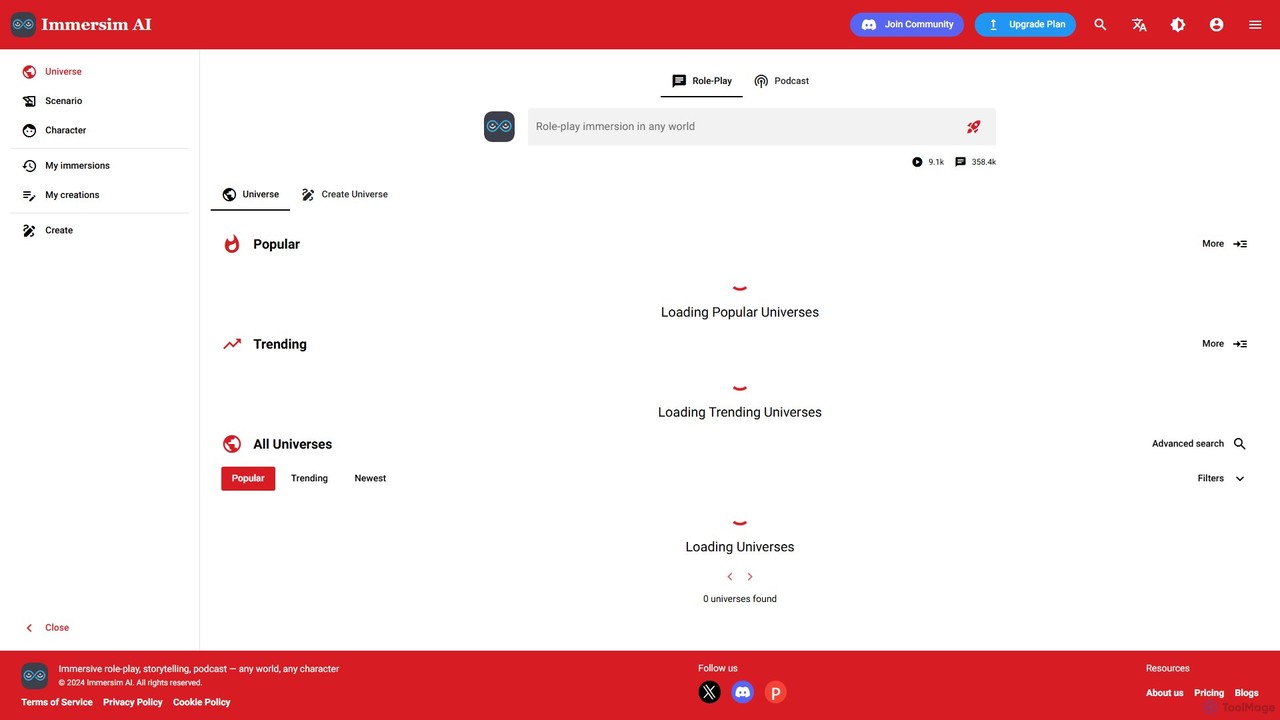
Immersim is an AI-powered platform for creating and experiencing immersive role-playing and storytelling. Users can explore vast, community-created …

2.9K

About Interactive Fiction

Interactive Fiction tools are a class of AI-powered applications that generate dynamic, text-based narratives where user choices directly influence the story's progression. These tools utilize large language models (LLMs) to create unique plot points, characters, and environments in real-time, moving beyond traditional pre-written branching paths. They offer a deeply personalized storytelling experience, allowing users to explore worlds, solve puzzles, and shape their own adventures through natural language commands. Unlike conventional games, AI-driven interactive fiction provides nearly limitless narrative possibilities, adapting to unexpected player actions.

Core Features

  • Dynamic Narrative Generation: The AI creates story elements on the fly based on player input, ensuring no two stories are the same.
  • Natural Language Understanding (NLU): Interact using conversational text commands instead of being limited to pre-defined options.
  • Persistent World State: The game world remembers player actions and environmental changes, ensuring narrative consistency.
  • On-Demand Character & Setting Creation: Generates unique non-player characters (NPCs) and detailed settings to enrich the story.
  • Genre and Tone Control: Allows users to specify the desired genre, such as fantasy, sci-fi, or mystery, to guide the narrative style.

Use Cases

These tools are used by writers and narrative designers for prototyping game plots, by educators for creating immersive learning simulations (e.g., historical or ethical scenarios), and by tabletop RPG players for generating spontaneous side quests. Casual users also enjoy them as a unique form of entertainment that fosters creativity and problem-solving.

How to Choose

When selecting an Interactive Fiction tool, evaluate the quality and coherence of its AI narrative engine. Consider the flexibility of its input system—does it support complex commands? Also, check for customization options that allow you to define your own worlds or characters, and assess the AI's ability to maintain long-term memory of plot points for a consistent experience.

Interactive FictionUse Cases

1

Role-Playing as a Personalized Dungeon Master

For tabletop RPG players and Dungeon Masters (DMs), an AI Interactive Fiction tool can act as a dynamic co-pilot. When players venture off the planned path or a DM needs to improvise a side quest, they can input the current game state and player query. The AI then generates a coherent, engaging scenario complete with unique NPCs, locations, and challenges. This saves hours of preparation time, eliminates creative blocks, and enables a truly responsive and unpredictable gameplay session where the world reacts realistically to player choices.

2

Prototyping Branching Narratives for Games

Indie game developers and narrative designers can leverage these tools for rapid prototyping. Instead of writing extensive code or complex flowcharts to test a story idea, a designer can input the core premise and key decision points. By playing through various scenarios and making different choices, they can quickly identify which plotlines are compelling and which fall flat. This process allows for fast iteration on dialogue, character arcs, and overall narrative structure, significantly speeding up the pre-production phase of game development.

3

Creating Interactive Educational Scenarios

Educators and corporate trainers can design powerful, immersive learning simulations. For instance, a history teacher could create a scenario where students act as diplomats during a major historical crisis, making decisions that lead to different outcomes. Similarly, a corporate trainer can build a simulation for customer service representatives to practice handling difficult client interactions. The AI provides realistic, dynamic responses, allowing learners to see the direct consequences of their choices in a safe, controlled environment, enhancing retention and critical thinking skills.

4

Therapeutic and Creative Writing Exploration

For writers facing a block or individuals seeking self-exploration, these tools offer a unique canvas. A user can start a story with a personal prompt or a creative idea, and the AI acts as a collaborative partner, building upon the user's input to unfold a unique narrative. This can spark new ideas, help users explore different perspectives on a situation, or provide a non-judgmental space for storytelling. It's a form of digital journaling or therapy where fictional scenarios can be used to process real emotions and thoughts in a creative way.

5

Generating Unique Bedtime Stories for Children

Parents and guardians can use these tools to create new, personalized bedtime stories every night. By providing simple prompts such as the child's name, their favorite animal, and a desired theme (e.g., 'A brave squirrel named Timmy explores a magical forest'), the AI can generate a unique, age-appropriate story. This makes storytime more engaging and special, as the child becomes a central character in their own adventure. It also provides a limitless supply of new tales, preventing the repetition of the same few books.

6

Language Learning Through Immersive Storytelling

Language learners can practice a new language in a contextual, interactive way that goes beyond flashcards. By setting the story's language to their target language (e.g., Spanish), users can immerse themselves in a narrative where they must read, understand, and respond in that language to progress. This method improves reading comprehension, vocabulary acquisition, and sentence construction skills in a low-pressure, engaging environment. The AI can adapt to varying skill levels, making it a versatile tool for both beginners and advanced learners seeking to solidify their fluency.

Interactive FictionFrequently Asked Questions