DRESSX
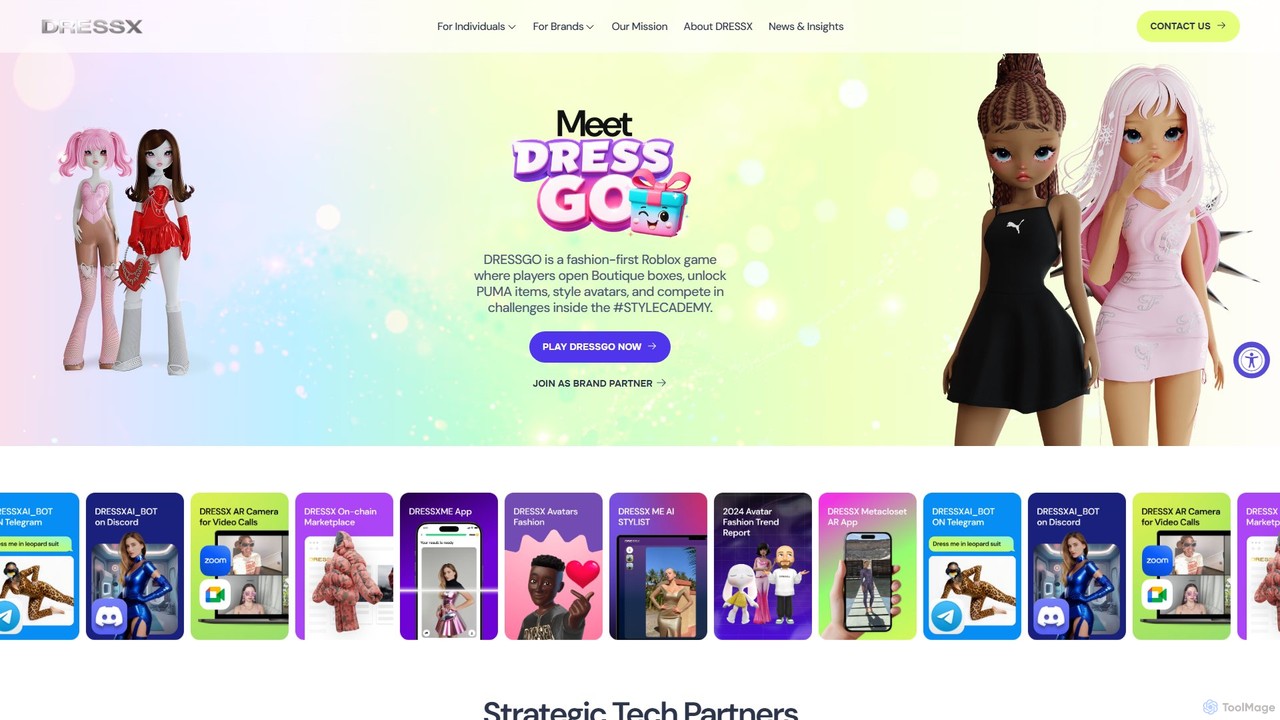
DRESSX is a pioneering digital fashion platform using AI and AR for virtual clothing. It allows users to …
DRESSX is a pioneering digital fashion platform using AI and AR for virtual clothing. It allows users to dress their photos in digital outfits, try on clothes in real-time via AR, create fashion with generative AI, and style avatars for the metaverse, bridging the gap between fashion, technology, and sustainability.
THINK
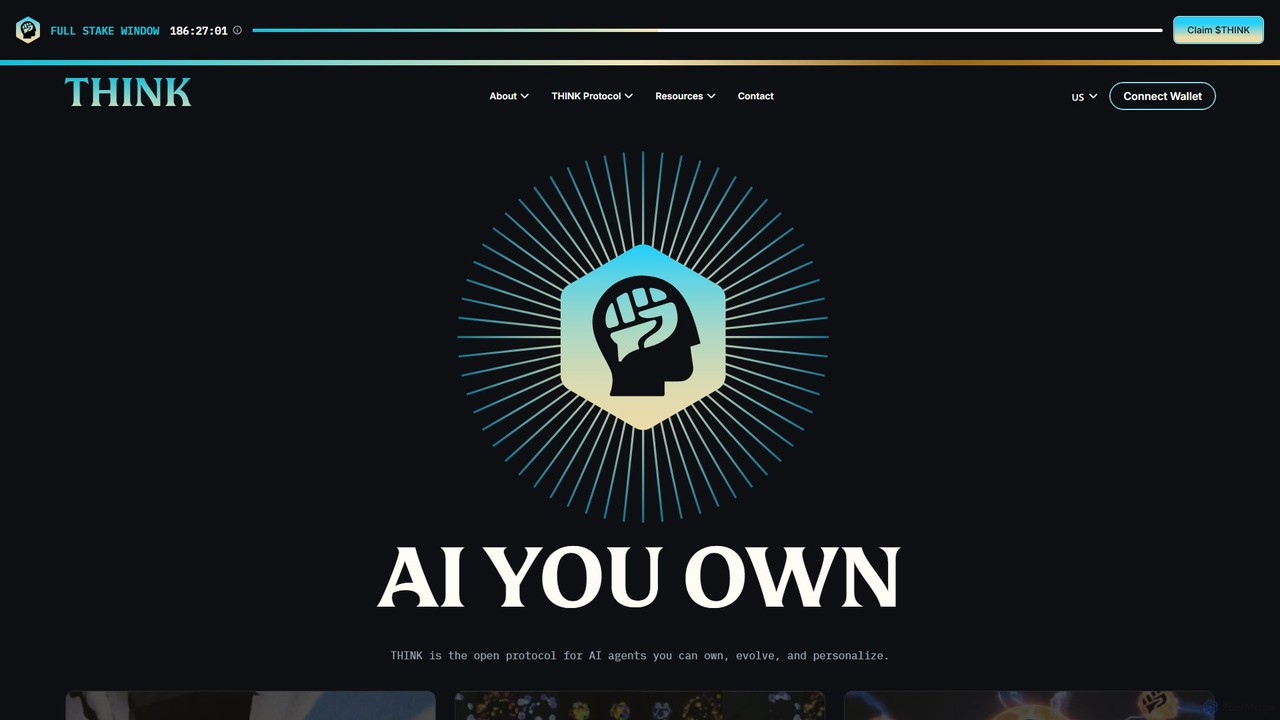
THINK is a decentralized protocol for a new, agent-powered internet. It enables developers and creators to build, connect, …
THINK is a decentralized protocol for a new, agent-powered internet. It enables developers and creators to build, connect, and deploy interoperable AI agents that are fully owned by users. By leveraging blockchain and open-source technology, THINK aims to create a composable, permissionless ecosystem where intelligence is portable and data sovereignty is paramount.
About Metaverse
Metaverse AI tools are advanced software solutions that leverage artificial intelligence to enhance, create, and manage immersive digital environments and experiences within the metaverse. These tools utilize AI algorithms for tasks ranging from procedural content generation and intelligent NPC behavior to dynamic world adaptation and personalized user interactions. They empower developers and creators to build more vibrant, responsive, and engaging virtual worlds, significantly enriching the user experience beyond traditional gaming by fostering deeper immersion and emergent gameplay.
Core Features
- AI-driven Content Generation: Automatically creates vast and diverse virtual landscapes, objects, and narratives, reducing manual development time.
- Intelligent NPC & Avatar Behavior: Develops non-player characters and digital avatars with realistic, adaptive, and context-aware interactions and personalities.
- Dynamic Environment Adaptation: Enables virtual worlds to respond and evolve based on user actions, real-time data, or predefined AI models.
- Personalized User Experiences: Tailors content, recommendations, and interactions to individual users within the metaverse, enhancing engagement.
- Digital Economy & Asset Management: Integrates AI for managing virtual economies, optimizing digital asset creation, and facilitating secure transactions.
Use Cases
Metaverse AI tools are crucial for game studios and virtual world developers aiming to build next-generation interactive experiences. They are also adopted by brands for creating engaging virtual showrooms and by educational institutions for developing dynamic learning environments. These tools streamline the creation of complex virtual ecosystems, allowing for unprecedented scalability and personalization in digital spaces.
How to Choose
When selecting Metaverse AI tools, consider the specific needs of your virtual project, such as the scale of content generation required, the complexity of desired AI behaviors, and integration capabilities with existing metaverse platforms or game engines. Evaluate the tool's ability to support real-time interactions, its scalability for growing user bases, and the level of customization it offers for unique virtual experiences. Also, assess the community support and documentation available for seamless implementation.
MetaverseUse Cases
Designing Dynamic & Expansive Virtual Worlds
Game developers and virtual architects utilize Metaverse AI tools to procedurally generate vast and intricate digital landscapes, cities, and ecosystems. By defining parameters like terrain type, architectural styles, and environmental elements, AI can rapidly create unique, explorable worlds that would take human designers years, allowing for endless discovery and reducing development bottlenecks.
Creating Intelligent Virtual Companions & NPCs
Metaverse creators employ AI to develop non-player characters (NPCs) and virtual companions with advanced conversational abilities and adaptive behaviors. These AI-driven entities can engage users in natural language conversations, learn from interactions, and perform complex tasks, offering personalized guidance, entertainment, or even serving as dynamic quest givers within immersive virtual experiences.
Enhancing Immersive Gaming Experiences with Adaptive AI
Game designers integrate Metaverse AI to create more responsive and challenging gameplay. AI can dynamically adjust game difficulty, generate unique enemy behaviors, or create emergent narrative events based on player actions and preferences. This leads to highly personalized and replayable gaming experiences where the virtual world feels alive and reactive to each individual player.
Personalizing Digital Avatars and User Identities
Individual users and content creators leverage Metaverse AI tools to generate highly customized and expressive digital avatars. By inputting descriptions or reference images, AI can create unique character models, clothing, and accessories, allowing users to craft distinct virtual identities that reflect their personality or brand, fostering a deeper sense of presence in the metaverse.
Developing AI-Driven Virtual Economies and Marketplaces
Businesses and platform operators use Metaverse AI to manage and optimize digital economies within virtual worlds. AI can analyze user behavior and market trends to suggest new virtual products, dynamically price digital assets, or identify potential fraud. This ensures a balanced and thriving in-world economy, facilitating fair trade and value creation for users.
Real-time Language Translation in Global Virtual Spaces
Metaverse platforms utilize AI for real-time, seamless language translation, breaking down communication barriers between users from diverse linguistic backgrounds. As users interact in voice or text, AI instantly translates their input into the recipient's preferred language, enabling truly global social interactions and collaborative experiences within the metaverse without manual intervention.