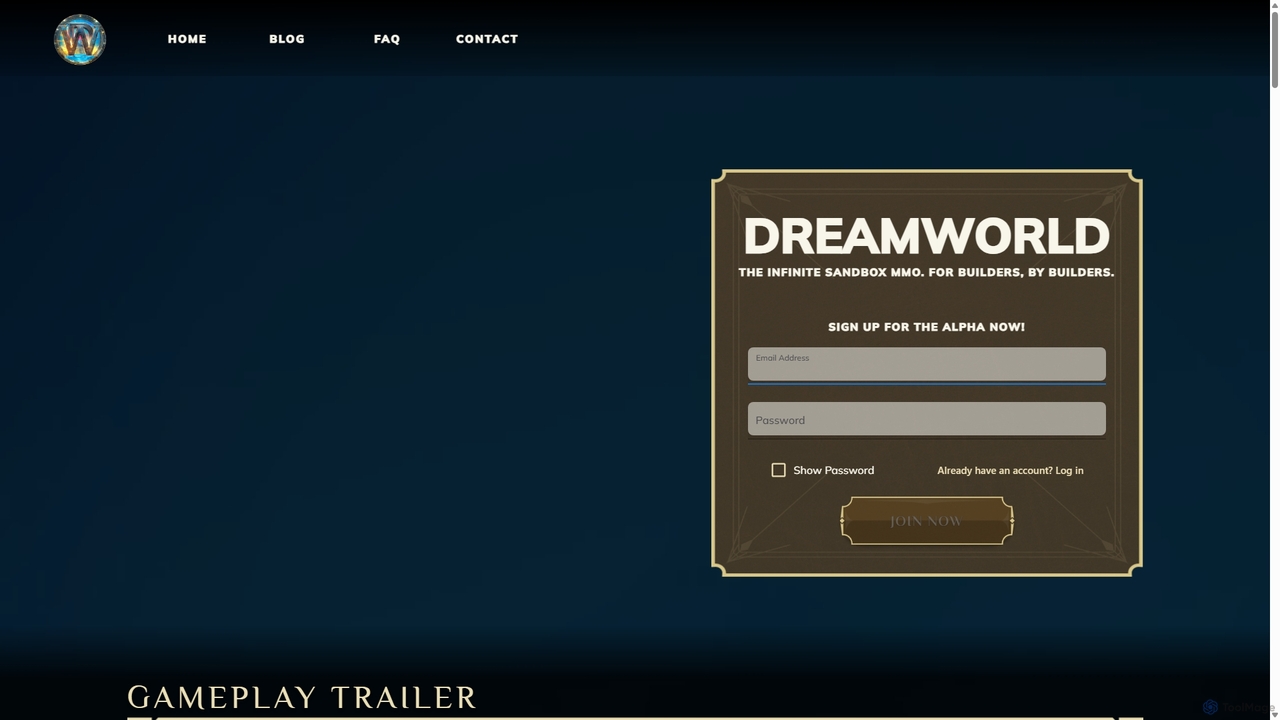
Sandbox games are a genre of video games that emphasize player freedom to explore, create, or modify a virtual world, often without a linear narrative or specific objectives. These tools typically feature open-world environments, robust crafting or building systems, and emergent gameplay driven by player choices. Users can build structures, experiment with game mechanics, create their own stories, or simply explore vast digital landscapes, fostering unparalleled creativity and replayability.
Core Features
- Open-World Exploration: Players can freely roam vast game worlds, discovering hidden locations and resources.
- Creation & Building Systems: Provides extensive tools and materials for players to construct houses, cities, or complex machinery.
- Resource Gathering & Management: Players collect various resources to craft items, build structures, or ensure survival.
- Non-Linear Objectives: Games often lack mandatory main quests, allowing players to set their own goals or create challenges.
- Physics & Interaction Simulation: Objects and environments typically follow physical laws, supporting player experimentation and interaction.
Applicable Scenarios
Sandbox games are widely used by individual players for creative expression, allowing them to design unique buildings or art. Developers and players also leverage them for virtual world simulation, building complex ecosystems or city plans for experimentation. Furthermore, they serve as educational tools for conducting physics experiments or engineering designs in a virtual environment.
How to Choose
When selecting a sandbox game, consider the degree of freedom and creativity offered in building, modifying, and exploring. Evaluate the scale and diversity of the game world, including terrain and interactive elements. Look for active communities and extensive mod support, which can significantly enhance the gameplay experience. Finally, assess the depth of game mechanics, such as resource management, physics engine, and interaction systems, for engaging gameplay.