Gaming Best in category 8 results Strategy Games AI Tool

Popular AI tools in the Strategy Games field of Gaming include Noctie.ai、ChessGPT、Scrabblecam、BraiMax Chess、Futera SuSu、chesswith.ai、Chesski、urzas.ai, etc., helping you quickly improve efficiency.

Free
ChessGPT

ChessGPT

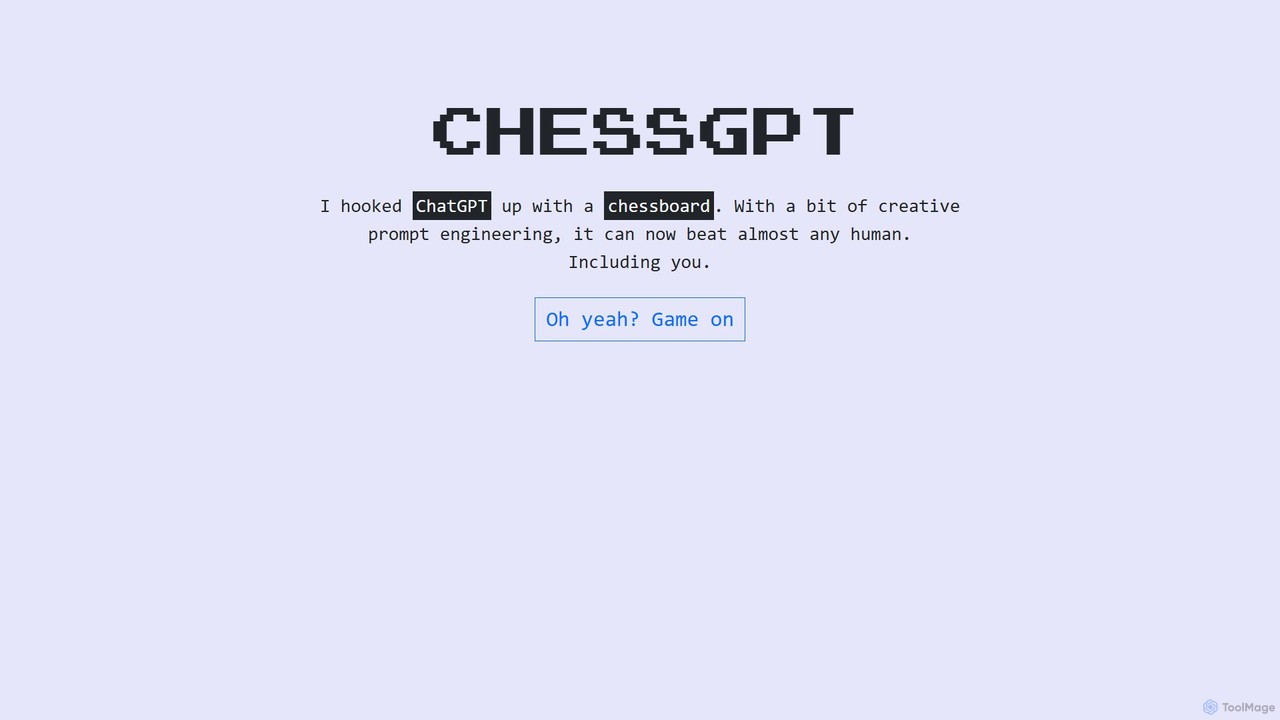
ChessGPT is a unique AI chess partner that brings the game to life with a conversational, audio-first experience. …

18.9K
urzas.ai

urzas.ai

urzas.ai is an AI-powered assistant for Magic: The Gathering players. It allows you to build, refine, and analyze …

2.9K
Free
Scrabblecam

Scrabblecam

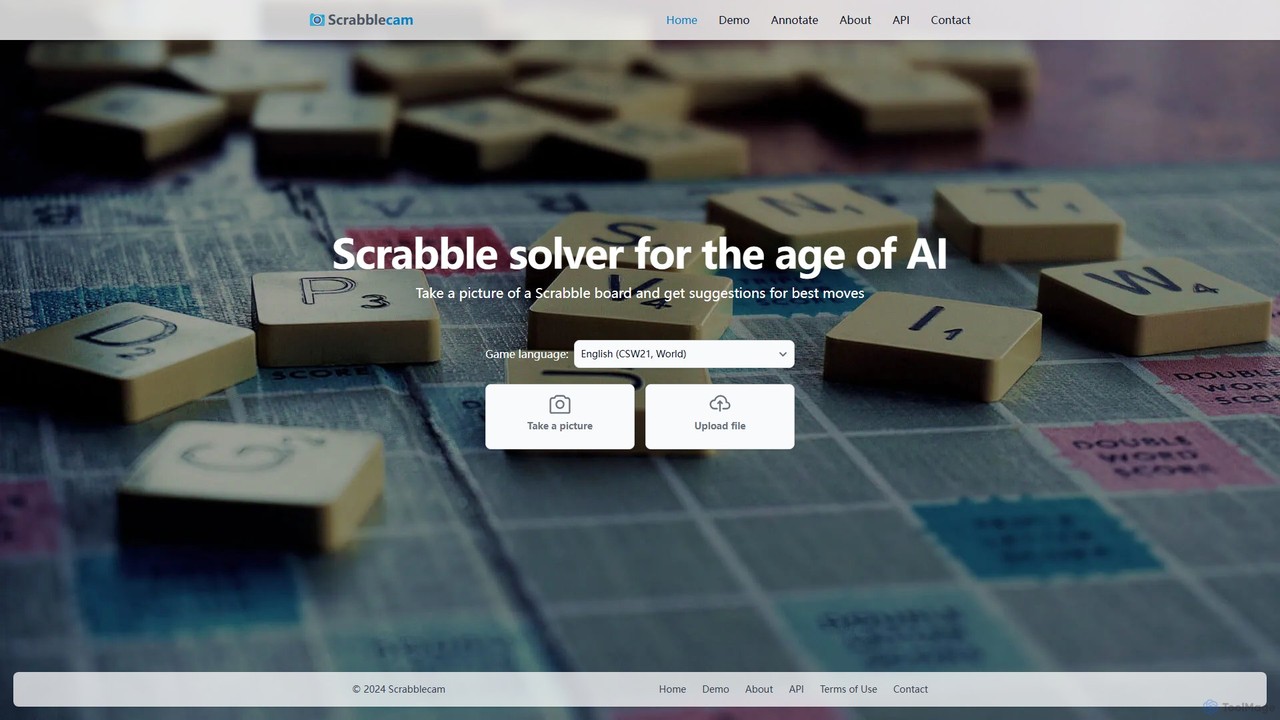
Scrabblecam is an AI-powered Scrabble solver that analyzes photos of physical game boards to suggest the highest-scoring moves. …

10.6K
BraiMax Chess

BraiMax Chess

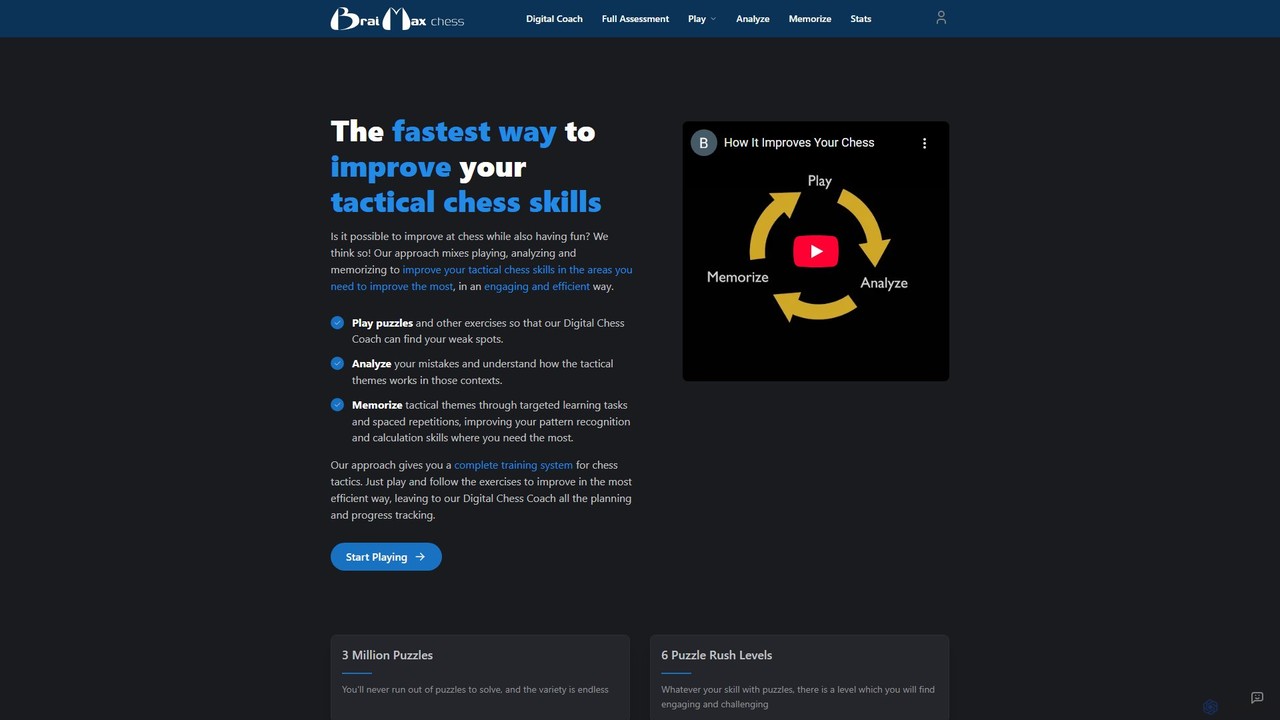
BraiMax Chess is an AI-powered training platform designed to enhance your tactical chess skills. It features a Digital …

3.4K
chesswith.ai

chesswith.ai

chesswith.ai is an advanced AI-powered chess platform for players of all levels. Challenge a highly adaptable AI opponent, …

3.2K
Noctie.ai

Noctie.ai

Noctie.ai is an advanced AI chess training partner designed to mimic human playstyles, from beginner to grandmaster. It …

182.3K
Chesski

Chesski

Chesski is an AI-powered chess coach designed to help players of all levels improve their game. It analyzes …

2.9K
Futera SuSu

Futera SuSu

Futera SuSu is a next-generation football trading card game powered by the AURIX AI. Set in the rich, …

3.2K

About Strategy Games

AI Strategy Games are a category of video games where artificial intelligence is central to creating dynamic, challenging, and highly replayable strategic experiences. These games utilize advanced AI for opponent behavior, procedural content generation for maps and scenarios, and adaptive difficulty systems. They offer players complex decision-making challenges, requiring them to plan, adapt, and outthink intelligent, non-scripted adversaries. Unlike traditional games with predictable AI, these tools can leverage machine learning to create opponents that learn from player behavior, ensuring a unique challenge in every session.

Core Features

  • Adaptive Opponent AI: Opponents that analyze player tactics and adjust their strategies in real-time for a dynamic challenge.
  • Procedural Content Generation (PCG): Algorithms that create unique maps, quests, and game setups, ensuring high replayability.
  • Dynamic Difficulty Adjustment: Systems that automatically scale the game's challenge based on the player's performance and skill level.
  • Complex World Simulation: AI-driven simulation of economies, diplomacy, and ecosystems that react to player actions.
  • AI-Assisted Coaching: In-game systems that provide strategic advice and performance feedback to help players improve.

Applicable Scenarios

These games are primarily used by players seeking deep single-player challenges against intelligent AI. Game developers also use these AI systems for testing game balance and mechanics against sophisticated agents. Additionally, esports professionals leverage them for training against AI that can mimic various human playstyles, providing a consistent and challenging practice partner.

Selection Criteria

When choosing an AI Strategy Game, consider the genre focus—whether it's Real-Time Strategy (RTS), turn-based, or grand strategy. Evaluate the AI's complexity; look for details on its learning capabilities. Assess replayability features like the extent of procedural generation. Finally, consider community and modding support, which can indicate a robust AI and offer further enhancements.

Strategy GamesUse Cases

1

Training for Competitive Esports

An aspiring esports player for a Real-Time Strategy (RTS) game uses an AI opponent for practice. The AI is configured to mimic the aggressive 'rush' tactics of top-tier human players. It analyzes the player's build orders and exploits weaknesses, providing a challenging training partner available 24/7. This allows the player to refine their early-game defense and counter-attack strategies, improving reaction time and decision-making under pressure without needing a human opponent.

2

Dynamic Storytelling in Role-Playing Games

A game developer integrates an AI strategy module into their open-world RPG. This AI controls faction behavior, resource management, and territorial disputes. Instead of scripted events, the AI dynamically generates conflicts and alliances based on the player's actions and the world's state. If a player disrupts a trade route, the affected faction's AI might declare war or hire mercenaries, creating emergent, player-driven narratives that are unique to each playthrough.

3

Balancing Complex Economic Simulations

A game designer is creating a complex city-building simulation and uses an AI-powered strategy engine to run thousands of automated playthroughs. The AI agents act as players, attempting to 'break' the game's economy by finding exploitable loopholes. The system logs data on resource flow and market stability, allowing the designer to identify and fix balancing issues before release, ensuring a fair and challenging economic system for human players.

4

Generating Infinite Grand Strategy Scenarios

A history enthusiast enjoys grand strategy games but is tired of the same historical starting points. They use an AI strategy game with strong procedural generation. The AI creates a unique world map, complete with varied biomes, resources, and randomly generated empires with distinct traits and goals. This provides a completely new and unpredictable strategic puzzle for each game, offering virtually limitless replayability beyond historical constraints.

5

AI-Powered Dungeon Master for Tabletop RPGs

A group of friends wants to play a tactical tabletop RPG but lacks a Dungeon Master (DM). They use a digital AI strategy game that fills this role. The AI controls enemy units in combat, adapting its tactics based on the players' party composition and actions. It can adjust encounter difficulty on the fly and even generate narrative prompts or side quests based on how the players navigate the dungeon, providing a guided yet flexible cooperative experience.

6

Educational Simulation for Military Tactics

A military academy uses a sophisticated AI strategy game as a training tool for cadets. The platform simulates realistic combat scenarios where the AI controls opposing forces with advanced tactical doctrines. Cadets must make decisions regarding logistics, troop deployment, and engagement rules. The AI provides a non-scripted adversary that can probe for weaknesses and exploit tactical errors, offering a safe and repeatable environment to learn complex strategic principles.

Strategy GamesFrequently Asked Questions