ToolMage
Sign in

Best 4 Strategy AI tools for Gaming

Popular Strategy AI tools in Gaming include pairrd, PokerGPT, Astro Looter, and noluai, helping you work more efficiently.

noluai
Freemium

noluai

noluai is an AI-powered poker analytics platform designed to help players improve their game. By analyzing hand histories and gameplay patterns, it provides data-driven strategic insights, identifies leaks in your strategy, and offers real-time advice to optimize your decision-making at the table.

Training
Visits 4KFavorites 121Likes 130
pairrd
Paid

pairrd

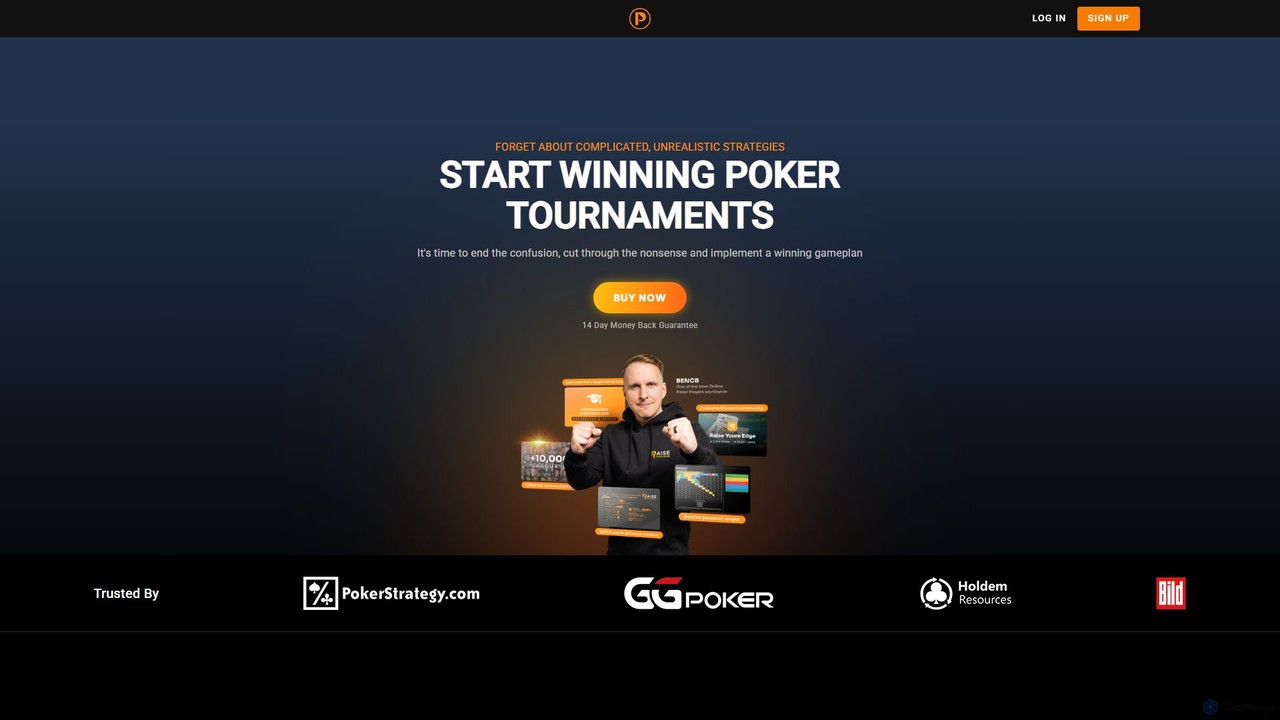
pairrd is an interactive poker learning platform created by high-stakes pro Ben Rolle (bencb789). It helps players master tournament poker through daily drills, structured video lessons, and AI-powered situational training. The platform focuses on practical, winning strategies over complex GTO theory, providing a clear path to improvement for players of all skill levels.

E Learning
Visits 44.1KFavorites 124Likes 129
Astro Looter
Paid

Astro Looter

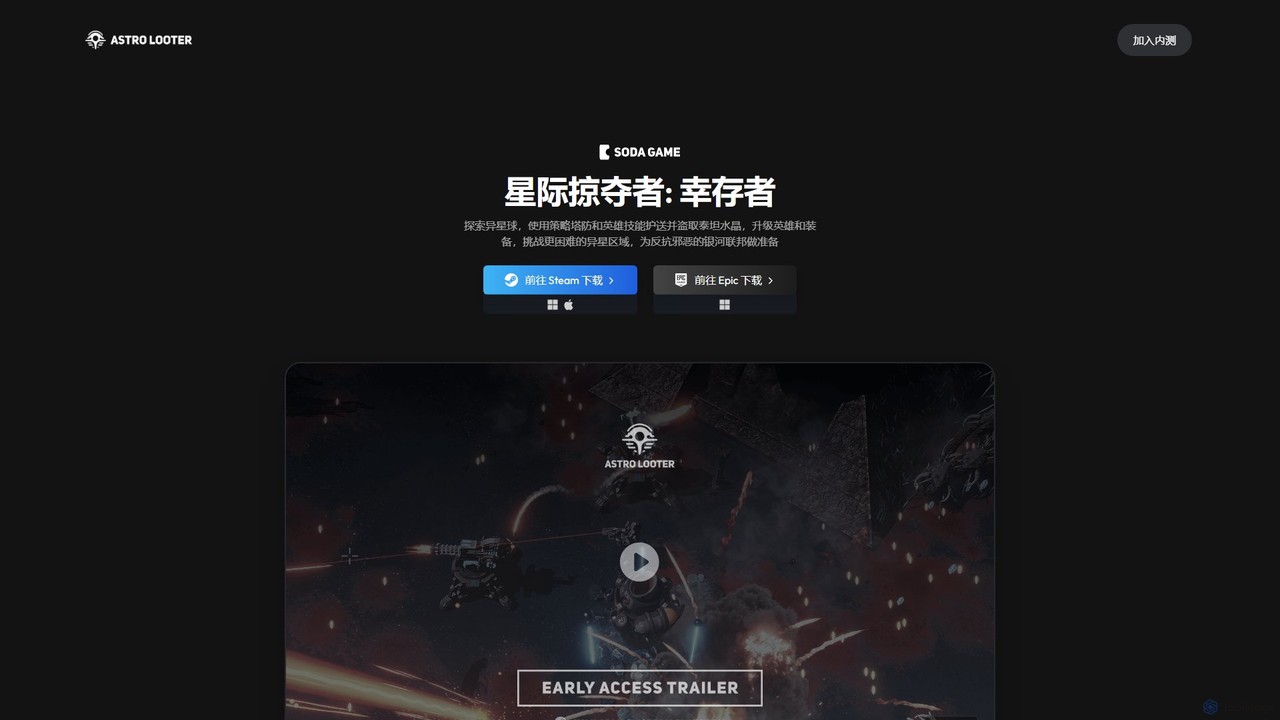
Astro Looter is an intense action roguelike game blending top-down shooter and tower-defense elements. As an elite looter, you'll explore alien planets, battle relentless insectoid swarms, and strategically deploy defenses to mine valuable Titan crystals. Powered by AI for dynamic, replayable missions.

Games
Visits 4.1KFavorites 114Likes 120
PokerGPT
Freemium

PokerGPT

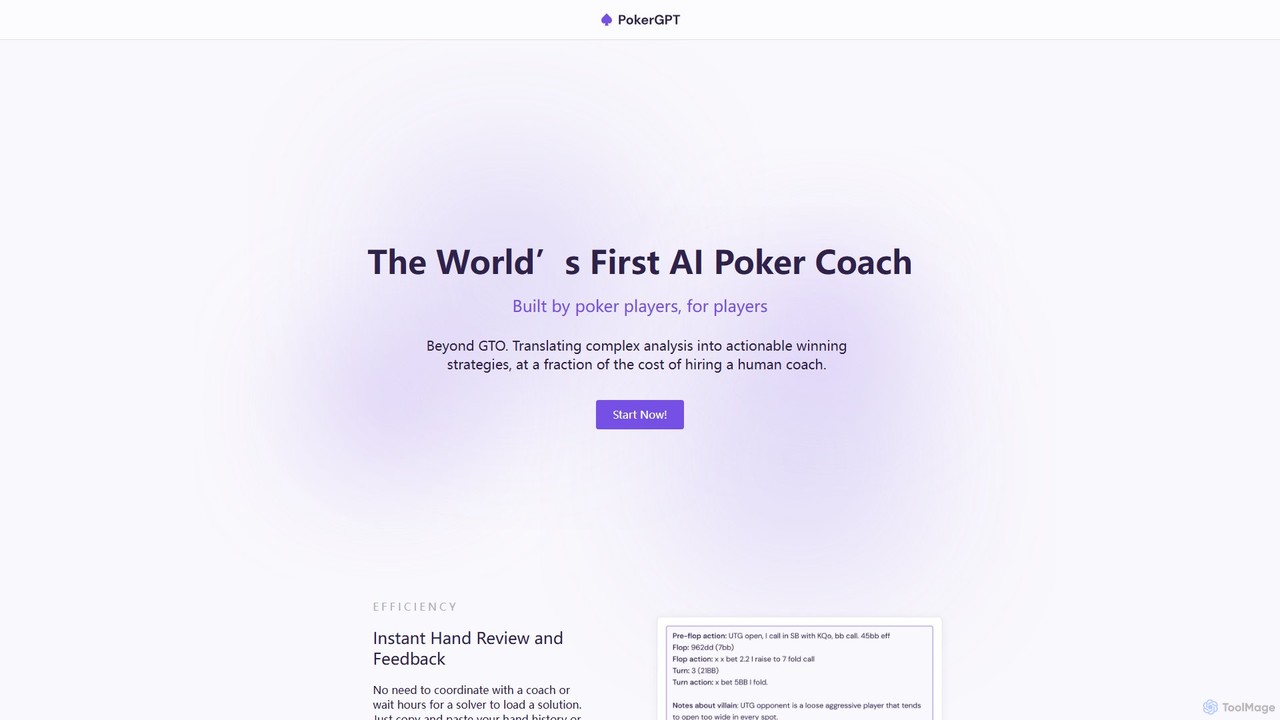
PokerGPT is an AI-powered poker coach that provides instant hand analysis and strategic feedback. Simply paste your hand history to receive insights on both GTO and exploitative tactics. It translates complex poker theory into simple, actionable advice, helping players of all levels improve their game, gain confidence, and dominate the tables.

Coaching
Visits 5.5KFavorites 124Likes 141

About Strategy

AI Strategy tools in gaming are a specialized category of artificial intelligence applications designed to enhance, analyze, and assist strategic gameplay. These tools leverage advanced algorithms, machine learning, and data analysis to optimize game design, provide tactical insights, and simulate complex strategic scenarios. They empower both game developers to create more engaging experiences and players to refine their skills and strategies within various strategy game genres.

Core Features

  • Game Balancing & Design: Optimizing unit stats, resource distribution, and map layouts for fair and challenging gameplay.
  • Tactical & Decision Support: Offering real-time advice, predicting opponent moves, or suggesting optimal actions for players.
  • Opponent AI Simulation: Creating sophisticated and adaptive AI adversaries that learn and react dynamically.
  • Replay Analysis & Meta-game Insights: Analyzing game data to identify trends, common strategies, and player performance patterns.
  • Procedural Content Generation: Automatically generating strategic elements like quests, scenarios, or map variations.

Use Cases

Game developers utilize these tools for balancing game mechanics and creating intelligent AI opponents. Players employ them for improving tactical decision-making and analyzing their performance. Esports analysts also use them to dissect professional matches and identify strategic advantages.

How to Choose

Consider the tool's compatibility with your specific game genre (RTS, TBS, Grand Strategy) and its level of assistance (for players or developers). Evaluate its data analysis capabilities, integration with game engines, and the flexibility of its strategic modeling. Ensure it offers customizable parameters to fit unique game or gameplay requirements.

Featured tool rankings

Strategy use cases

1

Optimizing Build Orders in RTS Games

RTS players utilize AI strategy tools to analyze vast amounts of match data, automatically generating and optimizing build orders for different opening strategies. This helps players quickly master the optimal meta-game strategies, gaining an early economic and military advantage in competitive matches.

2

Designing Balanced Game Maps for Strategy Titles

Game designers use AI tools to evaluate new map designs for resource distribution, terrain advantages, and strategic choke points. The AI simulates various player behaviors and match outcomes, identifying potential imbalances or 'dead-end' areas, assisting designers in adjusting map layouts to ensure fairness and diverse tactical choices.

3

Analyzing Esports Replays for Strategic Weaknesses

Esports coaches and analysts leverage AI strategy tools to automatically parse professional match replays. The AI can identify team tactical errors, individual mechanical flaws, and common opponent strategies, generating detailed reports that help teams train specifically and devise counter-strategies, thereby improving their win rates.

4

Generating Dynamic AI Opponent Behaviors

Game developers use AI strategy tools to create more intelligent and adaptive AI opponents. The AI can dynamically adjust difficulty and tactics based on the player's playstyle and skill level, providing a more challenging and immersive single-player experience, avoiding repetitive and predictable AI behaviors.

5

Providing Real-time Tactical Advice in Turn-Based RPGs

Players in turn-based role-playing games utilize AI tools to receive real-time tactical advice. The AI analyzes the current battlefield situation, unit attributes, and skill cooldowns of both allies and enemies, recommending optimal skill sequences, positioning, or target selection to help players make the best decisions in complex battles.

6

Simulating Game Economies for Strategic Planning

Strategy game developers use AI tools to simulate the long-term operation of in-game economic systems. The AI can predict resource supply and demand, market fluctuations, and player behavior impacts on the economy, helping developers adjust economic parameters before game release to ensure a healthy and sustainable in-game economy, avoiding inflation or resource depletion.

Strategy FAQ

What are AI Strategy tools in gaming?

AI Strategy tools in gaming are applications that use artificial intelligence to enhance strategic elements within video games. They go beyond basic scripting, employing machine learning and data analysis to assist in game design, provide player insights, simulate complex scenarios, and create more intelligent AI opponents. These tools are crucial for both developing and playing strategy games effectively.

How do AI Strategy tools enhance strategic gameplay?

These tools enhance gameplay by offering several benefits. For players, they provide tactical recommendations, optimize build orders, and analyze personal performance to identify areas for improvement. For developers, they aid in balancing game mechanics, generating diverse strategic content, and creating sophisticated AI adversaries that offer a dynamic and challenging experience, ultimately leading to deeper and more engaging strategic depth.

What's the difference between AI Strategy tools for players and developers?

AI Strategy tools for players primarily focus on providing in-game assistance, such as real-time tactical advice, move prediction, or post-game performance analysis to improve individual skill. Developer-focused tools, however, are used for game creation and refinement, including balancing game systems, designing AI opponent behaviors, simulating game economies, and generating procedural strategic content to build a robust and engaging game world.

How can AI Strategy tools help balance a new game?

AI Strategy tools assist in game balancing by simulating countless playtests and analyzing vast amounts of data. They can identify overpowered or underpowered units, unbalanced map designs, or exploitable strategies. By running simulations with various parameters, these tools help developers fine-tune game mechanics, resource distribution, and unit interactions to ensure a fair, challenging, and enjoyable experience for all players before release.

What should I consider when choosing an AI Strategy tool for my game or gameplay?

When selecting an AI Strategy tool, consider its specific application: are you a player seeking tactical assistance or a developer needing design support? Evaluate its compatibility with your game genre (RTS, TBS, Grand Strategy), the depth of its analytical capabilities, and its integration with existing game engines or platforms. Also, assess the tool's learning curve, data privacy policies, and whether it offers customizable parameters to fit your unique strategic needs.