ToolMage
Sign in

Best 2 Paraphraser AI tools for General Writing

Popular Paraphraser AI tools in General Writing include Pismo and AI Toolbar, helping you work more efficiently.

Pismo
Freemium

Pismo

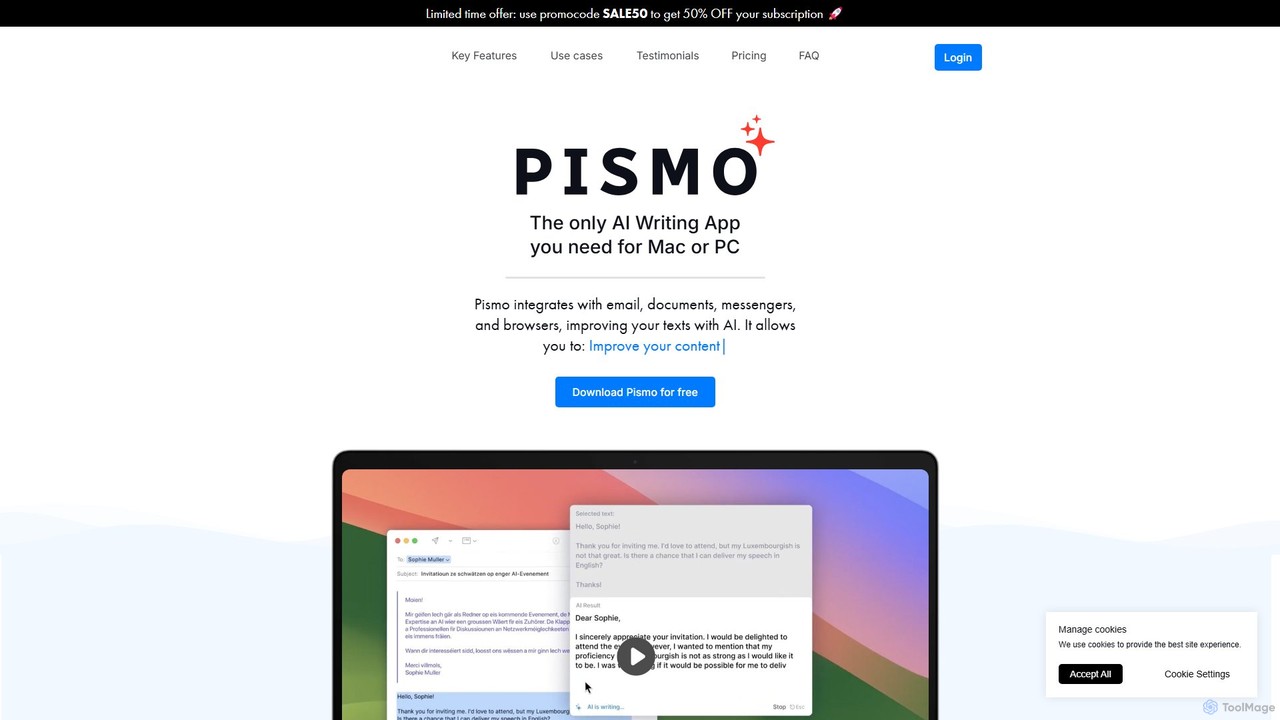
Pismo is a native AI writing assistant for Mac and Windows. It integrates seamlessly into any application, allowing you to improve writing, fix grammar, translate text, change tone, and use custom prompts with hotkeys to boost your productivity.

Paraphraser
Visits 13.8KFavorites 87Likes 100
AI Toolbar
Freemium

AI Toolbar

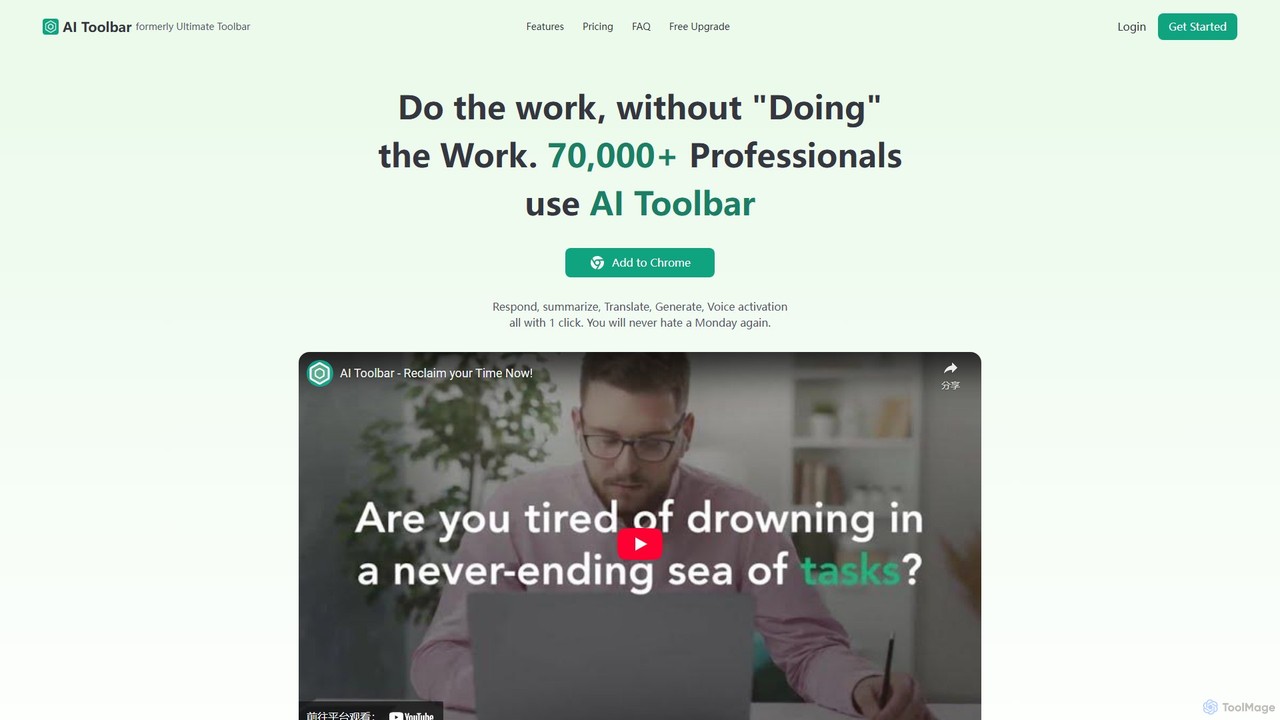
AI Toolbar is a powerful Chrome extension that acts as your personal virtual assistant. It integrates AI directly into your browser, allowing you to respond to emails, summarize and translate text, generate content, and use voice commands on any webpage with a single click. Trusted by over 70,000 professionals, it's designed to dramatically boost your productivity and streamline your workflow.

Paraphraser
Visits 6.6KFavorites 157Likes 161

About Paraphraser

Paraphraser tools are AI-powered applications designed to rewrite existing text while preserving its original meaning. These tools leverage advanced natural language processing (NLP) to analyze content, understand context, and generate alternative phrasings, sentence structures, and vocabulary. They are invaluable for enhancing clarity, adjusting tone, and ensuring originality across various writing tasks, making them a key component within the broader General Writing category.

Core Features

  • Contextual Rewriting: Intelligently rephrases sentences and paragraphs based on the surrounding text to maintain coherence.
  • Tone Adjustment: Allows users to modify the writing style, such as making text more formal, informal, academic, or creative.
  • Plagiarism Avoidance: Generates unique versions of text to help writers avoid unintentional plagiarism while citing sources.
  • Fluency & Readability Enhancement: Improves sentence flow, grammar, and vocabulary to make content easier to read and understand.
  • Multiple Output Options: Provides several rephrased versions, giving users choices to best fit their needs.

Use Cases

Paraphraser tools are widely used by students, content creators, marketers, and professionals to refine their written communication. They assist in transforming complex academic papers into simpler language, adapting marketing copy for different audiences, or quickly generating variations of existing content for SEO purposes.

How to Choose

When selecting a paraphraser tool, consider the quality and naturalness of its output, the range of tone and style options available, and its ability to handle different text lengths. Evaluate its language support, integration capabilities with other writing platforms, and pricing model to ensure it meets your specific writing and budget requirements.

Paraphraser use cases

1

Refining Academic Papers

Students and researchers often use paraphraser tools to rephrase complex academic concepts, ensuring their essays and theses are clear, concise, and free from unintentional plagiarism. By inputting original source material, they can generate unique interpretations that demonstrate understanding while adhering to academic integrity standards.

2

Optimizing SEO Content

SEO specialists and content marketers utilize paraphrasers to create multiple unique versions of existing articles or product descriptions. This helps in targeting various keywords, avoiding duplicate content penalties, and refreshing older content for better search engine visibility without significant manual rewriting effort.

3

Enhancing Professional Communication

Business professionals and communicators employ paraphrasing tools to refine emails, reports, and presentations. They can adjust the tone to be more formal or persuasive, improve sentence structure for clarity, and ensure messages are impactful and professional, saving time on manual editing.

4

Overcoming Writer's Block

Content creators and writers facing writer's block can input their initial drafts or fragmented ideas into a paraphraser. The tool provides fresh perspectives and alternative phrasings, helping to jumpstart creativity and develop content further, transforming rough ideas into polished prose.

5

Adapting Content for Different Audiences

Marketers and educators frequently need to adapt content for diverse target audiences. A paraphraser allows them to take a core message and rewrite it for a younger demographic, a technical audience, or a general public, ensuring the language and complexity are appropriate for each group.

6

Summarizing and Simplifying Complex Information

While primarily for rewriting, paraphrasers can also be used to simplify dense technical or legal documents. By rephrasing complex jargon into more accessible language, users can create summaries or explanations that are easier for a broader audience to understand, improving comprehension and accessibility.

Paraphraser FAQ

What are Paraphraser tools?

Paraphraser tools are AI-powered applications that rewrite text while preserving its original meaning. They analyze the input content's context, grammar, and vocabulary to generate alternative phrasings, sentence structures, and word choices. These tools are commonly used to improve clarity, adjust tone, and help avoid plagiarism in written work.

How do AI Paraphraser tools work?

AI Paraphraser tools typically work by employing advanced Natural Language Processing (NLP) and machine learning algorithms. They first deconstruct the input text to understand its semantic meaning. Then, using large language models, they generate new sentences and phrases that convey the same meaning but with different wording and structure, often offering various style or tone options.

What are the main benefits of using an AI Paraphraser?

The main benefits of using an AI Paraphraser include significantly saving time on manual rewriting, improving the clarity and fluency of text, and adjusting the tone to suit different contexts. They are also highly effective in helping writers avoid unintentional plagiarism by generating unique versions of source material, and can aid in overcoming writer's block by offering fresh perspectives.

What is the difference between paraphrasing and summarizing?

Paraphrasing involves rewriting a piece of text in your own words while maintaining its original length and detailed meaning. The goal is to present the same information differently. Summarizing, on the other hand, condenses a longer text into a shorter version, focusing only on the main ideas and omitting details. Both aim to convey information from a source, but with different levels of detail and length.

Who can benefit most from using Paraphraser tools?

A wide range of individuals can benefit from paraphraser tools. Students and academics use them for essays and research papers, ensuring originality. Content creators and marketers leverage them for SEO optimization and adapting content for diverse audiences. Business professionals find them useful for refining emails and reports, while non-native English speakers can improve their writing fluency and accuracy.