ToolMage
Sign in

Best 4 Content Creation AI tools for General Writing

Popular Content Creation AI tools in General Writing include Copilotly, Free AI Chat, BanruoAI, and Whybot, helping you work more efficiently.

Copilotly
Freemium

Copilotly

Copilotly is a personal AI copilot designed to enhance productivity and creativity across your digital workflow. It integrates seamlessly into your browser and favorite websites like Gmail, Twitter, and LinkedIn, providing contextual assistance, content generation, and strategic guidance. From drafting professional emails to brainstorming social media content and accessing expert advice from specialized AI personas like doctors and lawyers, Copilotly acts as your all-in-one digital assistant to help you achieve more, effortlessly.

Search Assistant
Visits 35.2KFavorites 120Likes 126
Whybot
Freemium

Whybot

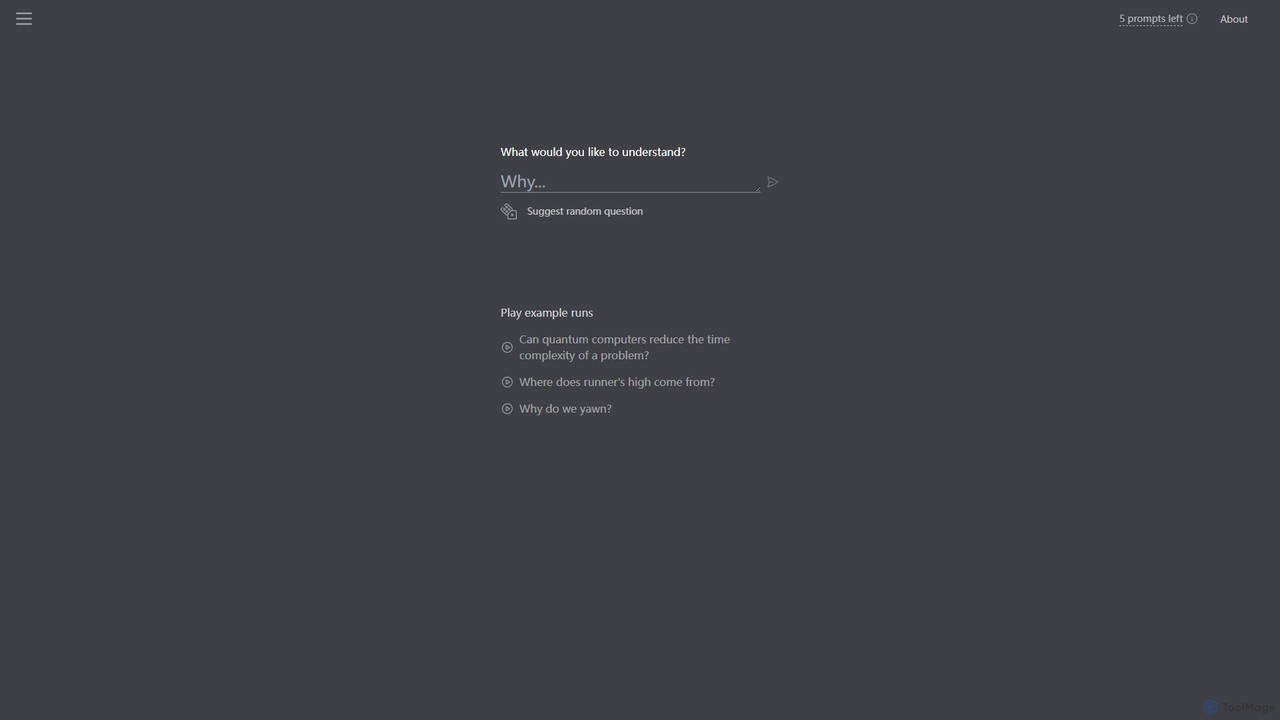
Whybot is an AI-powered exploration tool designed to provide deep, comprehensive answers to complex questions. It helps users move beyond surface-level information to truly understand the 'why' behind any topic, from quantum computing to human biology. Ideal for students, researchers, and the endlessly curious.

Research
Visits 5.3KFavorites 102Likes 85
Free AI Chat
Free

Free AI Chat

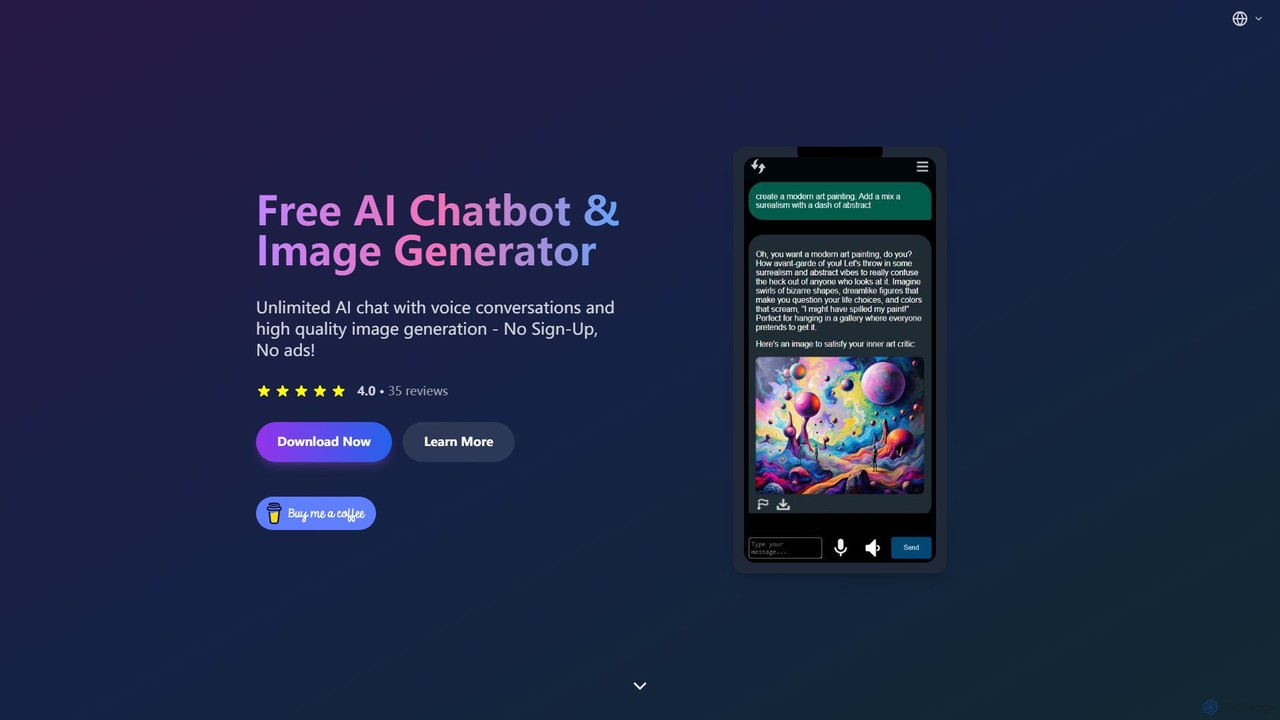
A completely free mobile app offering unlimited AI chat (text and voice) and high-quality image generation. Powered by advanced AI like GPT-4, it requires no sign-up, has no ads, and provides features like customizable personas and integrated web search.

Content Creation
Visits 10.3KFavorites 99Likes 117
BanruoAI
Freemium

BanruoAI

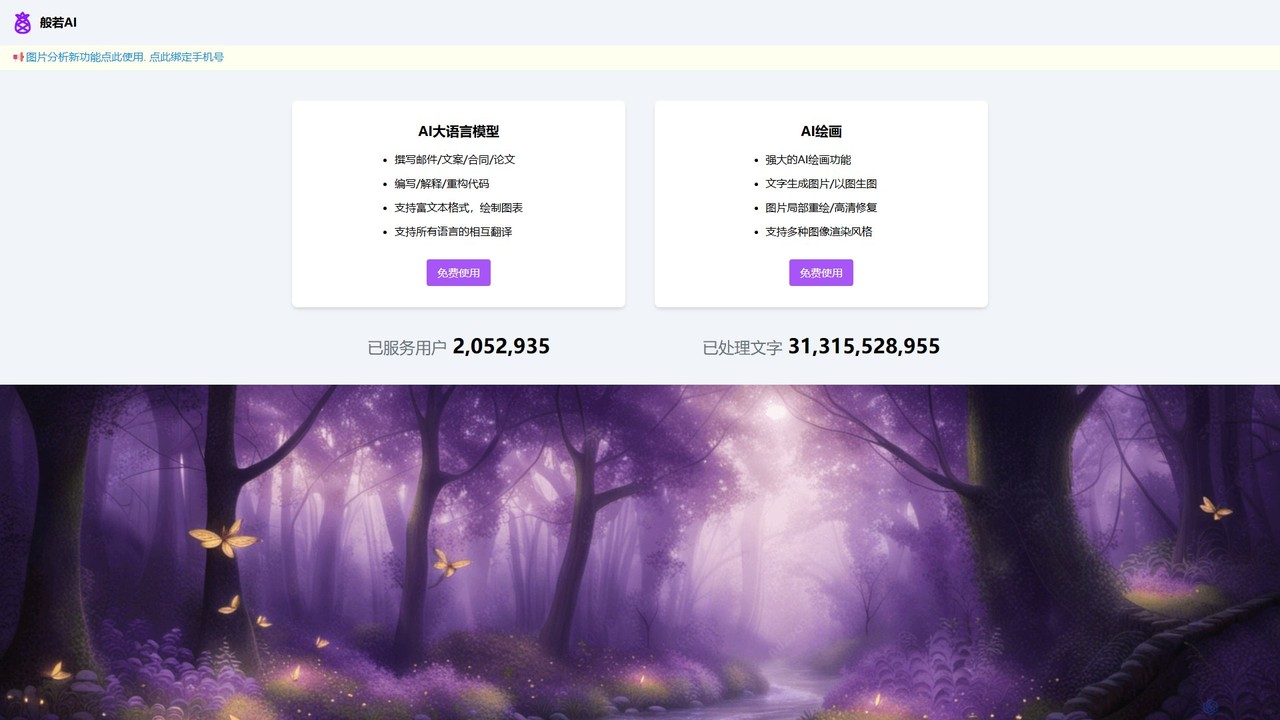
BanruoAI is a powerful, integrated AI platform offering a generative large language model for text and code, alongside an advanced AI image generator. It supports content creation, translation, coding assistance, text-to-image, inpainting, and HD image restoration, all available for free.

Code Assistant
Visits 5.5KFavorites 141Likes 129

About Content Creation

AI Content Creation tools are specialized applications designed to generate polished, ready-to-publish materials such as articles, social media posts, and marketing copy. Unlike general writing assistants, these tools utilize advanced language models combined with specific templates and frameworks to produce content tailored for particular platforms and objectives. They streamline the entire content lifecycle, from brainstorming ideas and creating outlines to drafting full-length pieces with appropriate tone and style. This targeted approach helps creators overcome writer's block and significantly accelerate content production for marketing, communication, and branding.

Core Features

  • Template-Based Generation: Offers a library of pre-built templates for various content types like blog posts, ad copy, emails, and social media updates.
  • Tone and Style Adaptation: Allows users to define and adjust the output's tone of voice, such as professional, witty, casual, or persuasive.
  • SEO Optimization Features: Includes functionalities for integrating keywords, generating meta descriptions, and suggesting SEO-friendly headlines.
  • Multi-Format Outputs: Capable of creating content variants suitable for different platforms (e.g., a blog post summary for a tweet or a LinkedIn article).
  • Content Briefs and Outlines: Assists in generating structured outlines and content briefs based on a given topic or keywords.

Use Cases

These tools are widely used by content marketers, social media managers, SEO specialists, bloggers, and copywriters. Common applications include drafting weekly blog articles, populating a social media calendar with engaging posts, writing compelling product descriptions for e-commerce sites, and creating copy for email marketing campaigns.

How to Choose

When selecting an AI Content Creation tool, consider the quality and coherence of the generated text. Evaluate the variety and relevance of its content templates. Assess the depth of its SEO and optimization features. Also, check the supported languages and integration capabilities with other platforms like WordPress or social media schedulers.

Content Creation use cases

1

Drafting SEO-Optimized Blog Posts

A content marketer for a SaaS company needs to produce two high-quality, 1500-word blog posts per week to drive organic traffic. Using an AI content creation tool, they input target keywords and a brief outline. The tool generates a structured first draft, complete with an introduction, body paragraphs with proper heading structure (H2s, H3s), and a conclusion. The marketer then spends about 20% of their time editing, fact-checking, and adding their unique insights, reducing the total writing time by over 70% per article.

2

Generating Social Media Campaign Content

A social media manager is launching a new product campaign and needs a month's worth of content for Twitter, LinkedIn, and Instagram. They use an AI tool's 'Campaign Creator' feature. By providing the product name, key features, and target audience, the tool generates 30 unique post ideas, each adapted for the character limits and tone of the different platforms. This includes witty tweets, professional LinkedIn posts, and engaging Instagram captions, saving days of brainstorming and copywriting work.

3

Writing Persuasive E-commerce Product Descriptions

An e-commerce store owner with hundreds of products needs to write unique, persuasive descriptions for each item to improve conversion rates and SEO. Manually, this is a monumental task. Using an AI content tool, they upload a CSV file with product names and key features. The tool then bulk-generates descriptions using a proven copywriting framework like AIDA (Attention, Interest, Desire, Action). The owner can then quickly review and tweak the descriptions, populating their entire store with high-quality copy in a fraction of the time.

4

Creating Email Marketing Sequences

A digital marketer needs to create a 5-part email welcome sequence for new subscribers. They use an AI content creation tool to generate the entire sequence. They specify the goal (e.g., nurture leads, introduce the brand), the target audience, and key messages. The AI generates five distinct emails: a welcome message, a brand story email, a social proof email, a common problem/solution email, and a soft-sell promotional email. This provides a complete, coherent sequence that only requires minor edits before being loaded into their email marketing platform.

5

Developing Video Scripts and YouTube Outlines

A YouTuber wants to increase their output to three videos per week but struggles with scripting. They use an AI content tool to brainstorm video ideas based on their channel's niche. Once an idea is selected, the tool generates a detailed video outline, including an engaging hook, key talking points, a call-to-action, and suggestions for visual elements. It can then expand this outline into a full script. This process systematizes their creative workflow, allowing them to focus on filming and editing rather than being stuck in the writing phase.

6

Crafting Website and Landing Page Copy

A startup founder is building a new website but lacks professional copywriting skills. They use an AI content creation tool with specific templates for web copy, such as 'Homepage Hero Section', 'About Us Page', and 'Pricing Page'. By inputting their company's value proposition and target audience, the tool generates clear, concise, and persuasive copy. It can also create multiple variations for A/B testing headlines and calls-to-action, helping the founder optimize their site for conversions without hiring an expensive copywriter.

Content Creation FAQ

What are AI Content Creation tools?

AI Content Creation tools are software applications that use artificial intelligence, specifically large language models, to generate human-like text for various formats. They go beyond simple text generation by offering structured templates, tone adjustments, and optimization features for specific use cases like blog posts, marketing emails, social media updates, and product descriptions. Their primary purpose is to assist writers and marketers in producing high-quality content faster and more efficiently.

How do AI Content Creation tools differ from General Writing tools?

The main difference lies in their scope and application. General Writing tools focus on foundational tasks like grammar correction, summarization, or basic text completion. AI Content Creation tools are more specialized. They are built with specific marketing and publishing workflows in mind, offering features like:

  • Content Templates: Pre-designed structures for blogs, ads, emails, etc.
  • Copywriting Frameworks: Integration of models like AIDA or PAS.
  • SEO Integration: Tools for keyword inclusion and headline analysis.
  • Brand Voice Consistency: Features to maintain a specific tone across all content.

In short, General Writing tools help you write better, while Content Creation tools help you create complete, goal-oriented content pieces from start to finish.

How to choose the right AI tool for content creation?

Selecting the right tool depends on your specific needs. Consider these factors:

  • Content Type: Do you primarily write long-form blog posts, short social media captions, or technical documentation? Choose a tool that excels in your required format.
  • Output Quality: Test different tools to see which one produces the most coherent, accurate, and natural-sounding text for your niche.
  • Feature Set: Look for essential features like a variety of templates, tone controls, SEO tools, and plagiarism checkers.
  • Ease of Use: The interface should be intuitive and allow you to generate and edit content efficiently.
  • Integrations: Check if the tool integrates with your existing workflow, such as WordPress, Google Docs, or social media scheduling platforms.
Can AI-generated content rank on search engines like Google?

Yes, AI-generated content can rank on search engines, but with an important condition: it must be high-quality, helpful, and people-first. Google's guidelines state that they reward high-quality content, regardless of how it's produced. Using AI to create low-quality, spammy, or unoriginal content will likely harm your SEO. The best practice is to use AI as a tool to assist human creators—for drafting, brainstorming, and overcoming writer's block—while a human editor ensures the final piece is accurate, original, and provides genuine value to the reader.

Who can benefit from using AI Content Creation tools?

A wide range of professionals and individuals can benefit from these tools. Key users include:

  • Content Marketers & SEOs: To scale content production for blogs and websites, and to optimize for search engines.
  • Social Media Managers: To quickly generate a high volume of posts for various platforms and maintain an active presence.
  • Copywriters & Freelancers: To speed up their workflow, overcome writer's block, and generate creative ideas for clients.
  • Small Business Owners: To create professional marketing materials without a large budget or dedicated marketing team.
  • Students & Academics: To assist with drafting papers, brainstorming ideas, and structuring arguments.