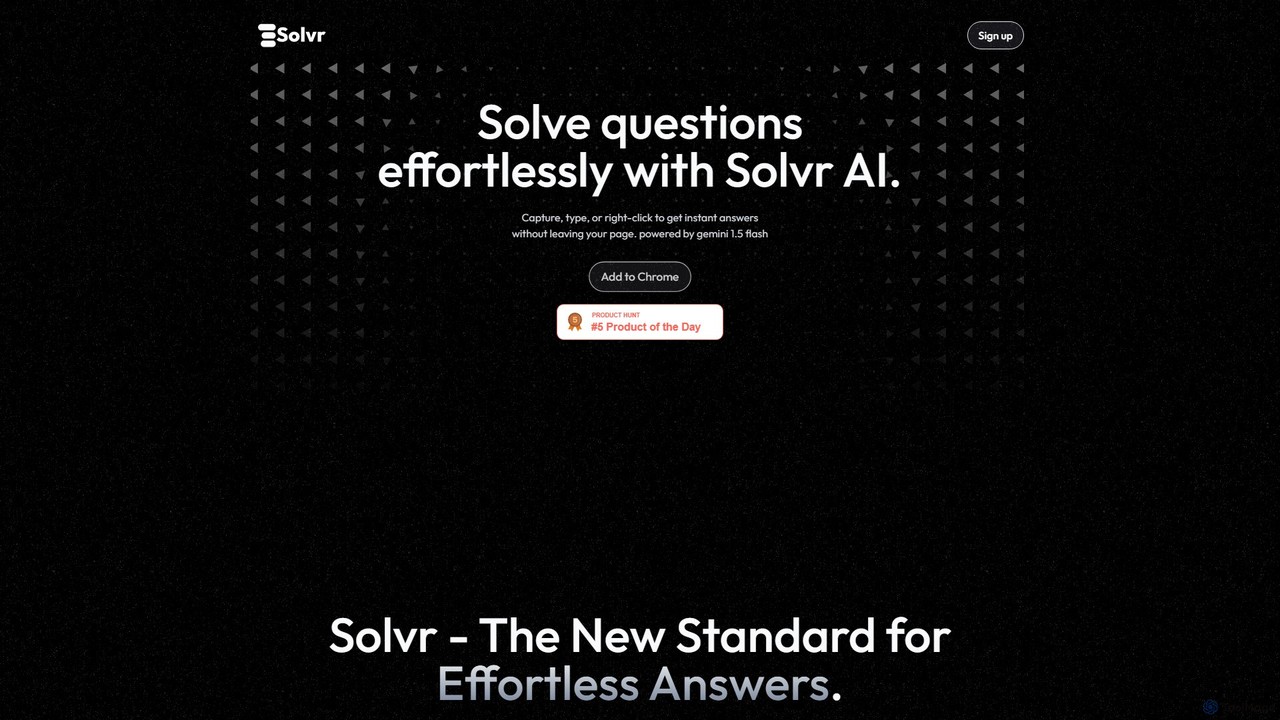
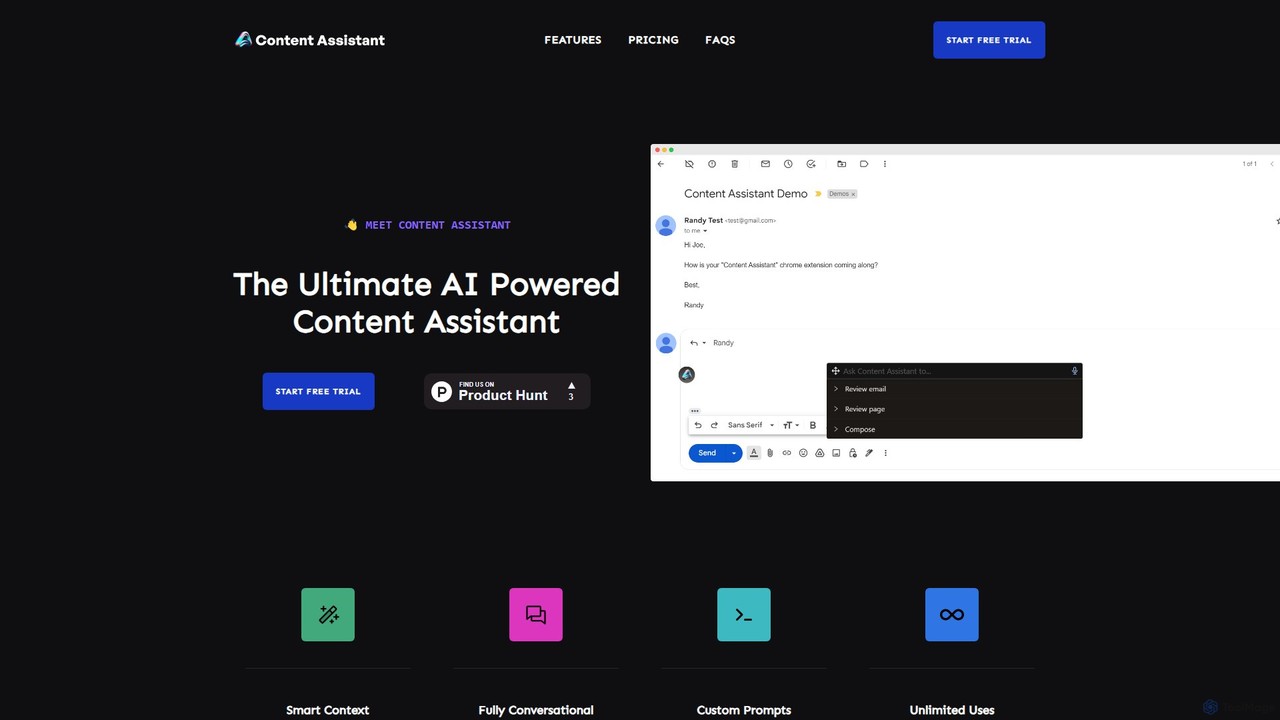
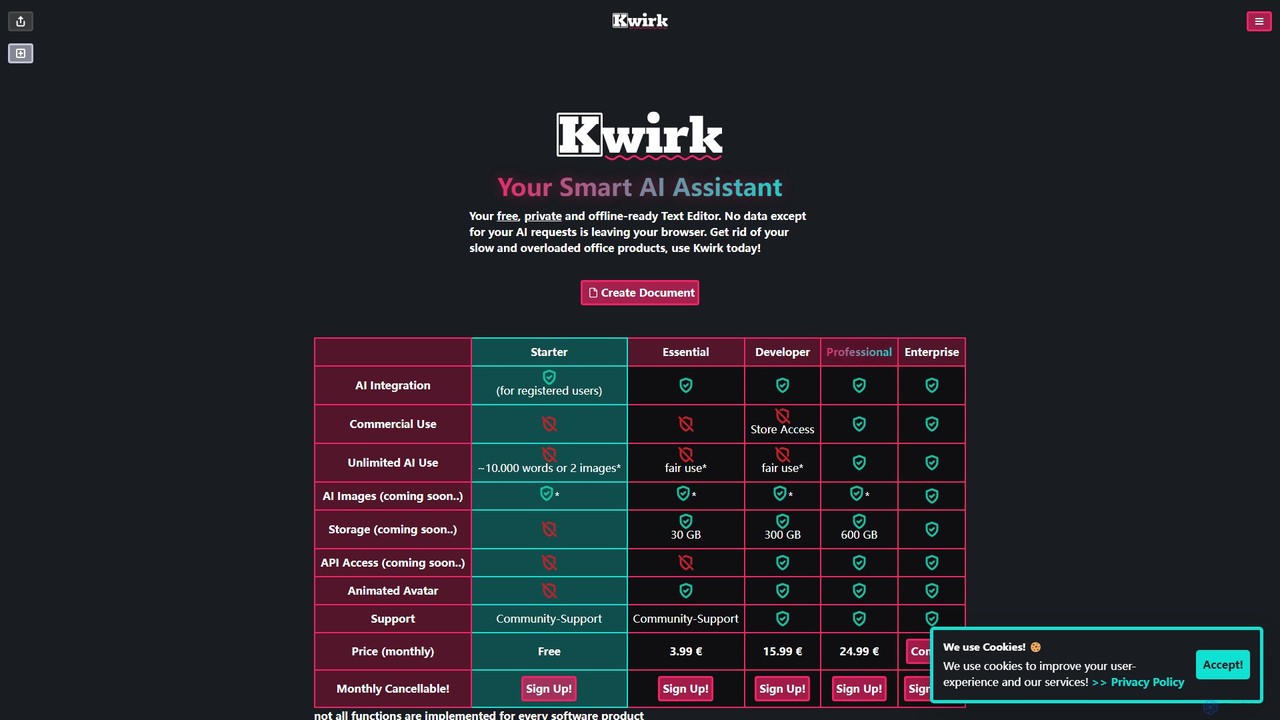
AI Summarizers are tools that use natural language processing to condense long texts into short, coherent overviews. They analyze content to identify key sentences and concepts, generating a digestible version that retains the original's core message. This enables users to quickly understand articles, reports, and documents without reading them in their entirety, significantly saving time in research and analysis. Many advanced summarizers offer both extractive methods, which pull direct quotes, and abstractive methods, which create new, summary sentences.
Core Features
- Abstractive Summarization: Generates new, human-like sentences that capture the essence of the original text.
- Extractive Summarization: Identifies and pulls the most important sentences directly from the source document.
- Customizable Length: Allows users to specify the desired length of the summary, either by percentage or word count.
- Key Point Extraction: Automatically identifies and lists the main topics or arguments as bullet points.
- Multi-Format Input: Supports summarizing content from various sources, including pasted text, document uploads (PDF, DOCX), and web page URLs.
Use Cases
AI Summarizers are widely used by students, researchers, journalists, and business analysts. They are essential for tasks like conducting literature reviews, analyzing lengthy market reports, condensing news articles for content creation, and generating concise meeting notes from transcripts. Any role that involves processing large volumes of text can benefit from these tools.
How to Choose
When selecting an AI Summarizer, consider the quality and coherence of the output—does it accurately reflect the source? Evaluate its support for different input types (URL, PDF, text) and languages. Also, check for customization options, such as adjustable summary length and the choice between extractive and abstractive methods. Finally, consider its integration capabilities, like browser extensions or APIs, to fit your workflow.