ToolMage
Sign in

Best 4 Administration AI tools for Healthcare

Popular Administration AI tools in Healthcare include Tennr, Streamline Verify, runtrellis, and Outcall AI, helping you work more efficiently.

Tennr
Paid

Tennr

Tennr is an AI-powered platform that automates complex back-office workflows. It uses AI agents to read, understand, and process unstructured documents like PDFs, faxes, and emails, eliminating manual data entry and streamlining operations in sectors like healthcare and logistics.

Data Extraction
Visits 44.1KFavorites 133Likes 109
Outcall AI
Paid

Outcall AI

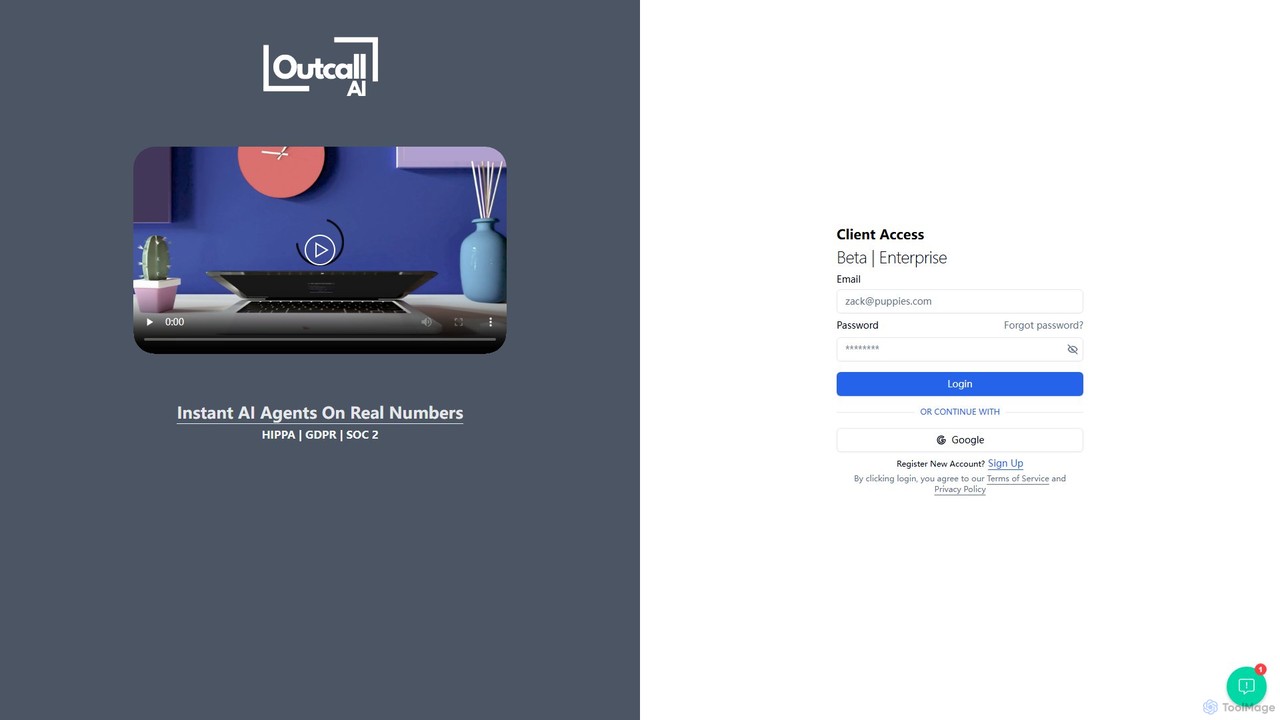
Outcall AI provides indistinguishable AI voice receptionists that operate on real phone numbers, ensuring every call is answered 24/7. It's a secure, scalable solution for businesses to manage front desk operations, offering HIPAA, GDPR, and SOC 2 compliance for enterprise-level needs.

Virtual Assistant
Visits 6KFavorites 133Likes 149
Streamline Verify
Paid

Streamline Verify

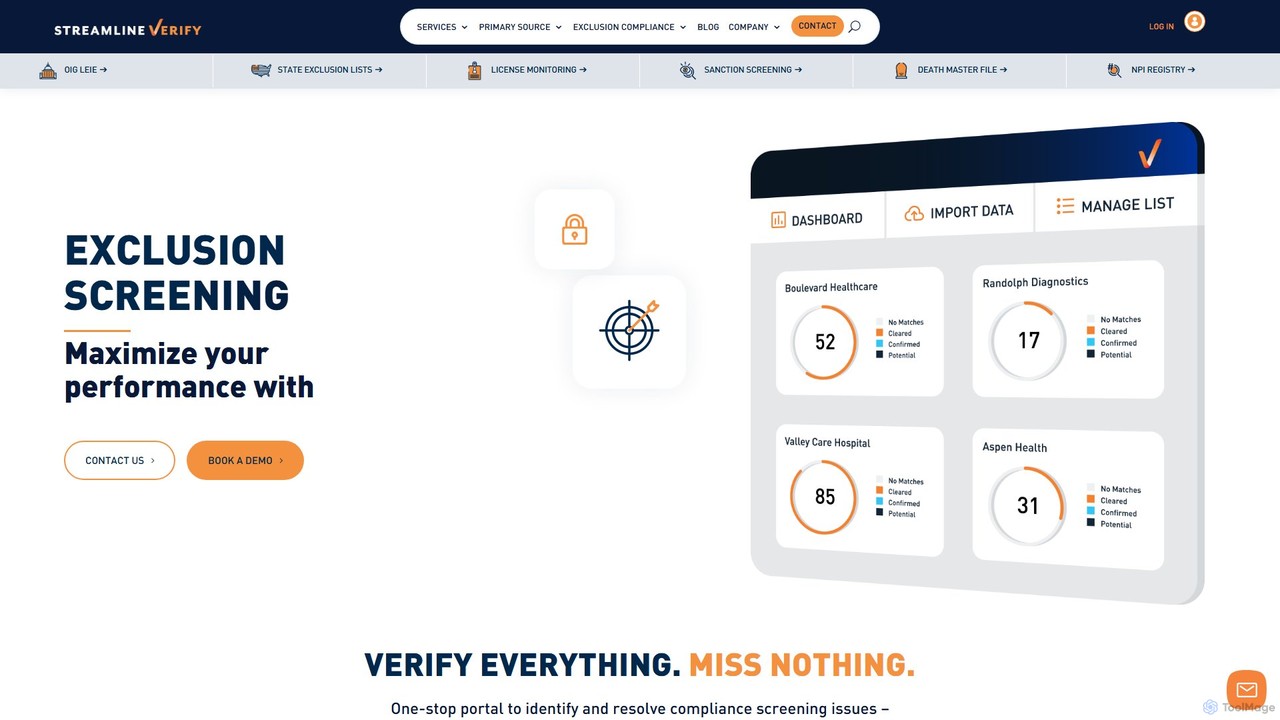
Streamline Verify is an automated exclusion screening platform for the healthcare industry. It continuously monitors federal and state exclusion lists (like OIG LEIE and SAM.gov) to ensure organizations remain compliant, mitigate risks, and avoid costly penalties by not employing sanctioned individuals or entities.

Administration
Visits 16.1KFavorites 150Likes 155
runtrellis
Paid

runtrellis

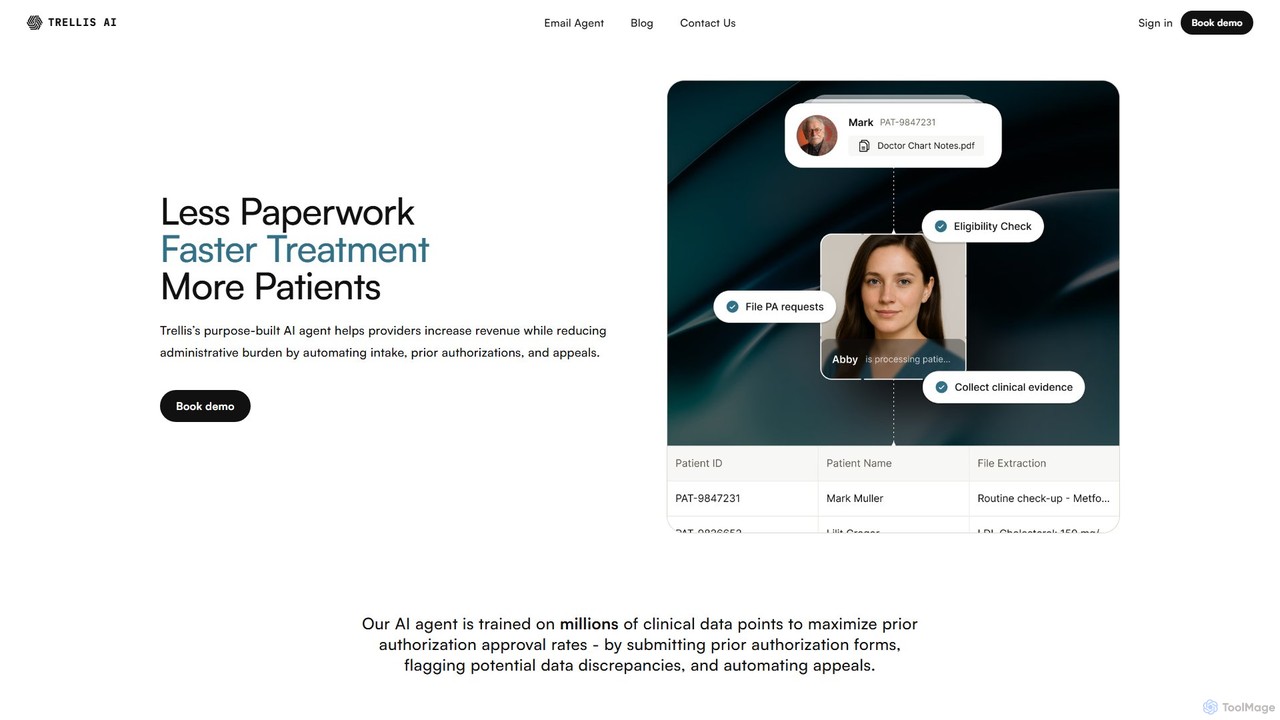
Runtrellis is an AI-powered platform that automates administrative workflows for healthcare and other document-heavy industries. It features a specialized AI agent for automating patient intake, prior authorizations, and appeals, alongside 'Abby', a personalized email agent that processes attachments to streamline tasks like invoice and contract management.

Document Management
Visits 9.5KFavorites 104Likes 136

About Administration

Administration AI tools in healthcare are specialized solutions designed to automate and optimize the operational and managerial tasks within medical facilities. Leveraging advanced algorithms, these tools streamline workflows from patient scheduling and medical record management to billing and resource allocation. Their primary value lies in significantly enhancing administrative efficiency, reducing operational costs, and allowing healthcare professionals to focus more on patient care. These AI-powered systems are crucial for improving the overall operational health and responsiveness of modern healthcare systems.

Core Features

  • Automated Scheduling: Optimizes patient appointments, staff shifts, and facility resource booking to reduce wait times.
  • Claims Processing Automation: Accelerates medical billing and insurance claims submission, verification, and reconciliation.
  • Resource Management: Intelligently allocates staff, equipment, and rooms based on real-time demand and availability.
  • Document Management & Indexing: Digitizes, organizes, and retrieves administrative documents and non-clinical patient records.
  • Compliance Reporting: Generates automated reports and monitors data to ensure adherence to healthcare regulations.

Applicable Scenarios

These tools are indispensable for hospital administrators, clinic managers, and medical office staff. They are used for tasks like optimizing patient intake processes, managing complex billing cycles, and ensuring efficient allocation of medical equipment across departments to enhance operational flow.

How to Choose

When selecting Administration AI tools for healthcare, consider the specific administrative functions you need to automate, such as scheduling or billing. Evaluate the tool's integration capabilities with existing Electronic Health Record (EHR) systems and other hospital management software. Assess its compliance features for data security and regulatory standards like HIPAA, and ensure it offers scalable solutions to meet future growth.

Administration use cases

1

Optimizing Patient Appointment Scheduling

Hospital administrators and clinic staff utilize AI scheduling tools to manage complex patient appointment systems. These tools analyze patient preferences, doctor availability, and facility resources to automatically suggest optimal appointment slots, reducing wait times and no-shows. This leads to more efficient patient flow and better resource utilization, significantly improving patient satisfaction and operational throughput.

2

Automating Medical Billing and Claims Processing

Medical billing departments leverage AI to automate the submission, tracking, and reconciliation of insurance claims. AI algorithms can identify coding errors, verify patient eligibility, and flag potential rejections before submission, drastically reducing claim denial rates and accelerating revenue cycles. This frees up staff from manual data entry and error correction, allowing them to focus on complex cases.

3

Intelligent Resource Allocation in Hospitals

Hospital operations managers use AI to dynamically allocate critical resources such as operating rooms, diagnostic equipment, and nursing staff. The AI analyzes real-time patient demand, staff availability, and equipment status to optimize usage, minimize bottlenecks, and ensure resources are available when and where needed. This enhances operational efficiency and improves patient care delivery.

4

Streamlining Medical Supply Chain Management

Healthcare procurement teams employ AI to forecast demand for medical supplies, manage inventory levels, and optimize purchasing decisions. AI tools track consumption patterns, predict future needs, and identify cost-saving opportunities, ensuring critical supplies are always in stock while minimizing waste and storage costs. This proactive approach prevents shortages and improves financial management.

5

Enhancing Administrative Document Management

Medical office personnel use AI-powered document management systems to digitize, index, and retrieve vast amounts of administrative paperwork, such as consent forms, referral letters, and non-clinical patient records. AI can automatically extract key information, categorize documents, and ensure secure, compliant storage, making information quickly accessible and reducing manual filing errors.

6

Automated Compliance Reporting and Auditing

Compliance officers and administrative teams in healthcare organizations utilize AI to automate the generation of regulatory reports and internal audit processes. AI tools can continuously monitor operational data for adherence to standards like HIPAA or GDPR, identify potential compliance risks, and produce detailed reports, ensuring the organization remains compliant and avoids penalties.

Administration FAQ

What are Administration AI tools in healthcare?

Administration AI tools in healthcare are software solutions that use artificial intelligence to automate, optimize, and streamline non-clinical operational tasks within medical facilities. They aim to improve efficiency, reduce costs, and enhance the overall management of healthcare services. Key areas include patient scheduling, medical billing, resource management, and administrative document handling.

How do AI tools improve healthcare administration?

AI tools significantly improve healthcare administration by automating repetitive tasks, reducing human error, and providing data-driven insights. They can optimize patient flow, accelerate claims processing, manage resources more effectively, and ensure compliance. This ultimately frees up staff to focus on more critical patient-facing roles and strategic initiatives, leading to better overall operational outcomes.

What are the main challenges when implementing AI in healthcare administration?

Implementing AI in healthcare administration often faces challenges such as ensuring data privacy and security (e.g., HIPAA compliance), integrating with legacy systems, the need for robust data quality, and staff training. Overcoming these requires careful planning, secure infrastructure, a clear understanding of regulatory requirements, and a phased implementation approach to minimize disruption.

How do Administration AI tools differ from clinical AI tools?

Administration AI tools focus on the operational and managerial aspects of healthcare, such as scheduling, billing, and resource allocation, without direct patient diagnosis or treatment. In contrast, clinical AI tools are designed to assist with patient care, including diagnostics, treatment planning, drug discovery, and personalized medicine, directly impacting clinical outcomes and patient health.

What should I consider when choosing an Administration AI tool for my healthcare facility?

When selecting an Administration AI tool, prioritize its ability to integrate seamlessly with your existing EHR and other management systems. Evaluate its compliance with healthcare regulations (e.g., HIPAA, GDPR), scalability, and the specific administrative functions it automates. Also, consider user-friendliness, vendor support, data security protocols, and the total cost of ownership to ensure it meets your facility's unique needs.