ToolMage
Sign in

Best 3 Product Photography AI tools for Image Editing

Popular Product Photography AI tools in Image Editing include ProMediafy, PhotoStudio AI, and QuicSnap, helping you work more efficiently.

ProMediafy
Freemium

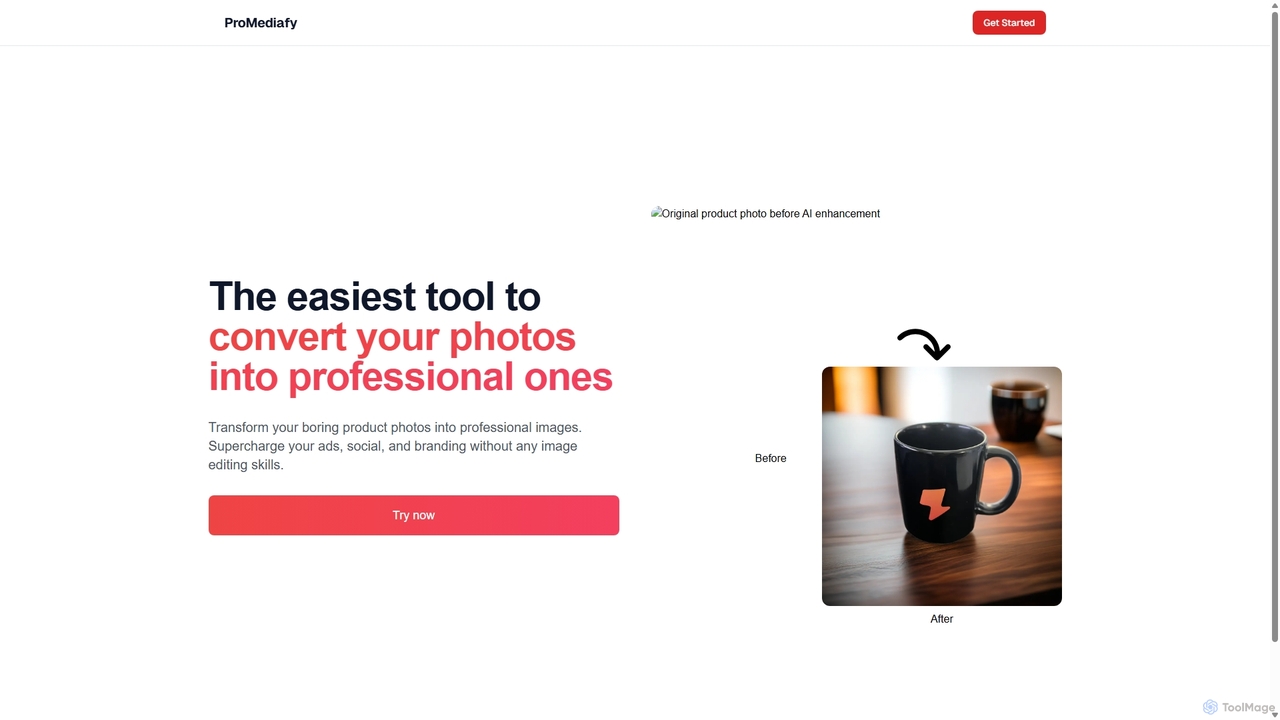
ProMediafy

ProMediafy is an AI-powered tool that effortlessly transforms standard product photos into professional, studio-quality images. It's designed for e-commerce, marketing, and branding, allowing users to generate stunning visuals without any photo editing skills. Simply upload an image, and let the AI create perfect backgrounds, lighting, and shadows to make your products stand out.

Background Generator
Visits 5.8KFavorites 113Likes 143
QuicSnap
Paid

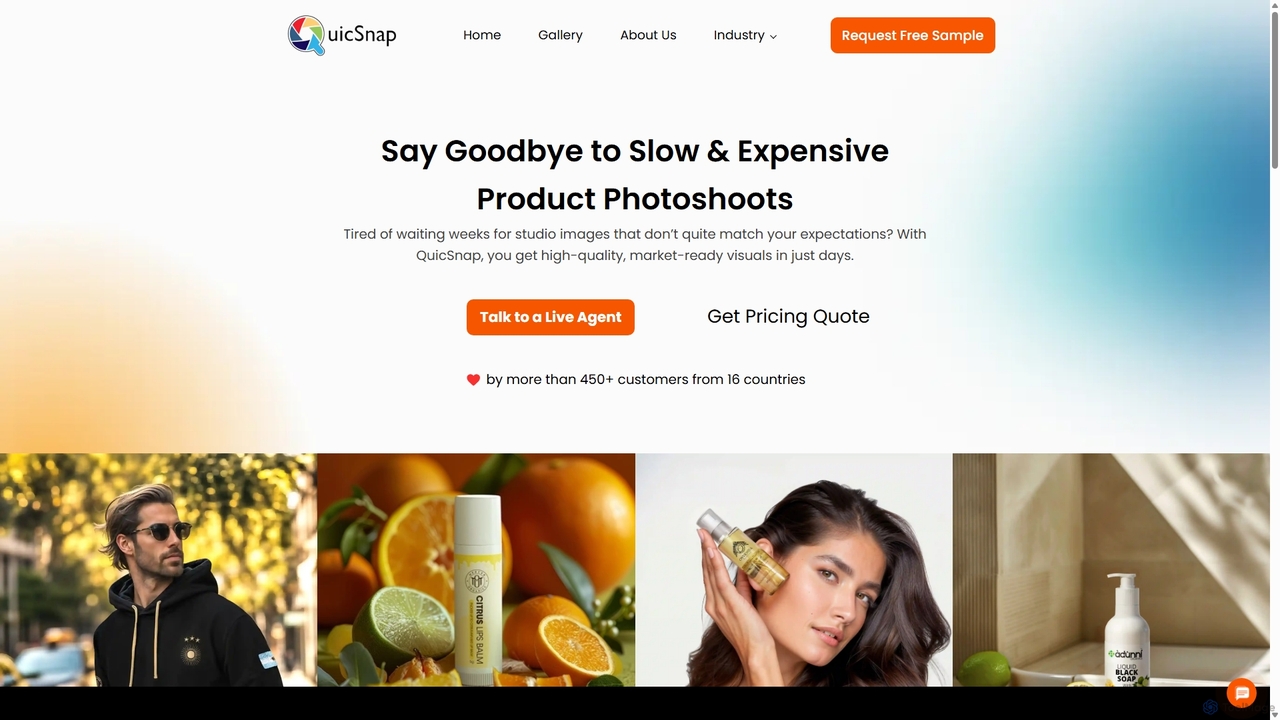
QuicSnap

QuicSnap is an AI-powered product photography service that transforms simple phone photos into studio-quality, market-ready visuals. It combines AI generation with professional human designers to deliver fast, affordable, and brand-aligned images for e-commerce businesses, particularly in apparel, beauty, and FMCG sectors.

Image Generation
Visits 5.6KFavorites 117Likes 135
PhotoStudio AI
Freemium

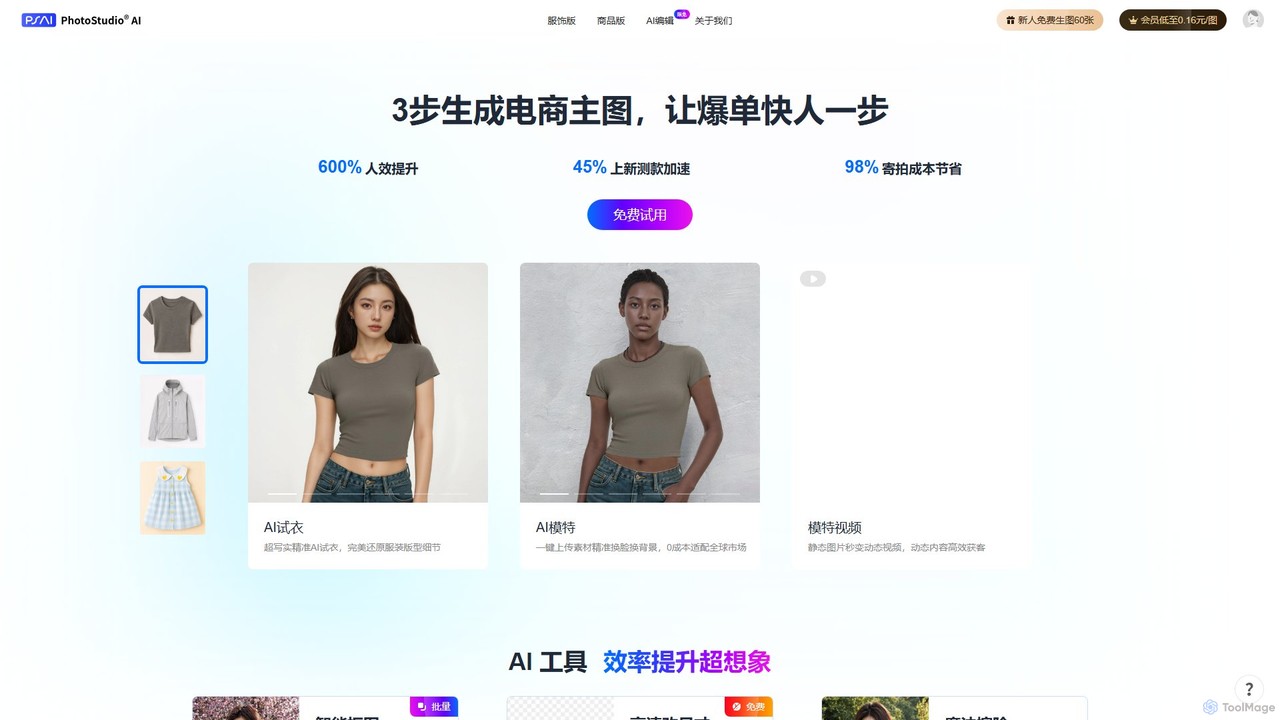
PhotoStudio AI

PhotoStudio AI is a generative AI platform by ArcSoft, designed for e-commerce. It creates professional product and fashion photoshoots instantly, featuring AI models, virtual try-on, and powerful editing tools. This helps businesses dramatically reduce photography costs, accelerate product launches, and enhance marketing visuals.

Image Generation
Visits 5.7KFavorites 139Likes 128

About Product Photography

AI Product Photography tools are a specialized category of image editors that use generative AI to create studio-quality product visuals from simple images. They leverage advanced algorithms for background generation, virtual staging, and realistic lighting effects, eliminating the need for physical photoshoots. This allows businesses to produce a high volume of professional, consistent, and commercially-ready images quickly and cost-effectively. These tools are particularly valuable for creating compelling visuals for e-commerce platforms, marketing campaigns, and social media content.

Core Features

  • AI Background Generation: Instantly remove, replace, or generate custom, context-aware backgrounds for any product.
  • Virtual Staging: Place products into realistic, AI-generated scenes and environments, such as placing furniture in a living room.
  • Realistic Shadow & Reflection: Automatically add natural shadows and reflections to ground the product in its environment for enhanced realism.
  • Template-Based Scenes: Utilize a library of pre-designed templates for various styles and platforms to ensure brand consistency.
  • AI Model Generation: Showcase apparel and accessories on diverse, AI-generated human models without organizing a photoshoot.

Use Cases

These tools are primarily used in e-commerce, retail, and digital marketing. Online store owners, brand managers, and marketing agencies rely on them to create clean product listings for platforms like Amazon and Shopify, generate engaging lifestyle images for social media ads, and produce entire product catalogs without the high costs of traditional photography.

How to Choose

When selecting an AI Product Photography tool, consider the level of realism in the generated images, especially in lighting and shadows. Evaluate the variety and quality of the available templates and virtual scenes. Assess the user interface for ease of use, particularly for users without a design background. Finally, compare pricing models—whether subscription-based or pay-per-image—to find one that aligns with your image production volume and budget.

Product Photography use cases

1

E-commerce Product Listing Optimization

An online store owner needs to create consistent, high-quality images for hundreds of products. Instead of a costly photoshoot, they upload basic smartphone photos of each item. Using an AI Product Photography tool, they instantly generate images with a pure white background for their main product listings. They also create several lifestyle shots for each product by placing them in various virtual scenes, such as a handbag on a café table or skincare products on a marble bathroom counter. This process ensures a professional and uniform look across their entire store, improving customer trust and conversion rates, all while saving over 90% of their traditional photography budget.

2

Generating Ad Creatives for Social Media

A marketing team for a beverage brand needs fresh visuals for their weekly Instagram and Facebook ad campaigns. They use an AI tool to place their canned drink into dozens of different settings—on a beach, next to a laptop at a desk, in a picnic basket. The AI generates realistic lighting and shadows for each scene, creating a wide variety of high-quality ad creatives in minutes. This allows the team to A/B test different visual concepts to see what resonates best with their audience, significantly increasing ad performance and engagement without the time and expense of location scouting and photoshoots.

3

Virtual Staging for Furniture Catalogs

A furniture company is launching a new line of sofas. Instead of building and photographing dozens of physical room sets, they use an AI virtual staging tool. They upload images of their sofas and the AI places them into a wide variety of professionally designed virtual interiors, from minimalist lofts to cozy family rooms. The tool automatically adjusts for scale, perspective, and lighting, and adds realistic shadows. In a single day, they generate hundreds of unique catalog images, showcasing their products in diverse styles to appeal to a broader customer base. This approach drastically reduces production time from weeks to hours and cuts costs associated with set design and logistics.

4

AI-Powered Fashion Model Photography

A startup fashion brand wants to showcase its new collection on a diverse range of models but lacks the budget for a large-scale photoshoot. They take simple flat-lay photos of their clothing items. Using an AI model generation tool, they can select from a variety of AI-generated models with different ethnicities, body types, and poses. The AI realistically drapes the clothing onto the selected models, creating professional-looking on-model photos in seconds. This allows the brand to represent a diverse customer base in their marketing and product pages, enhancing inclusivity and appeal without the logistical complexities and high costs of hiring multiple models and a photography crew.

5

Creating Appetizing Food & Beverage Imagery

A small coffee roaster wants to create mouth-watering images for their website and social media. They take a simple photo of their coffee bag. Using an AI product photography tool, they place the bag on a rustic wooden table, add a steaming cup of coffee beside it, and scatter a few coffee beans around for texture. The AI generates the entire scene with perfect, warm lighting that highlights the product. This allows them to produce an endless variety of professional, appetizing images that convey a premium brand feel, without needing skills in food styling or photography, and at a fraction of the cost.

6

High-End Product Visualization for Jewelry

A jewelry designer needs to showcase a new collection of diamond rings online. Capturing the intricate details, sparkle, and reflections of gemstones and precious metals with traditional photography is extremely difficult and expensive. By using a specialized AI product photography tool, the designer uploads a basic image of a ring. The AI then renders it in a virtual scene with sophisticated lighting setups that create realistic caustics, sharp reflections on the metal, and brilliant fire in the diamond. They can generate images from multiple angles and in different settings (e.g., on a velvet cushion, on a model's hand) to create a complete and luxurious product gallery that rivals high-budget studio shots.

Product Photography FAQ

What are AI Product Photography tools?

AI Product Photography tools are applications that use generative artificial intelligence to create high-quality, professional product images from basic photos. Instead of just editing an existing image, these tools generate new visual elements like backgrounds, shadows, reflections, and even entire scenes. They are designed to automate the process of creating studio-quality visuals, eliminating the need for expensive equipment, physical sets, and professional photographers. Common use cases include creating clean e-commerce listings and generating lifestyle images for marketing.

How do AI Product Photography tools differ from traditional image editors?

The key difference lies in creation versus manipulation. Traditional image editors, like Adobe Photoshop, are primarily for manipulating existing pixels in a photo—adjusting colors, removing blemishes, or cutting out objects. AI Product Photography tools, on the other hand, are generative. They create new pixels and entire scenes that did not exist in the original photo. For example, an editor removes a background, while an AI tool generates a completely new, realistic background with appropriate lighting and shadows. This generative capability makes them powerful for creating entirely new visual concepts, not just refining existing ones.

How to choose the right AI tool for product photos?

To choose the right tool, evaluate these four key factors:

  • Image Quality & Realism: Scrutinize the output. Do shadows and reflections look natural? Are textures realistic? Look for a tool that excels in creating believable images that don't look obviously AI-generated.
  • Template & Scene Variety: Assess the library of available backgrounds, scenes, and styles. A good tool offers a wide range of options relevant to your product category and brand aesthetic.
  • Ease of Use: The interface should be intuitive, allowing users without technical or design skills to generate great results quickly. Look for simple drag-and-drop functionality and clear instructions.
  • Pricing Model: Compare costs. Some tools offer a monthly subscription with a set number of images, while others use a pay-per-image credit system. Choose the model that best fits your production volume and budget.
Can AI completely replace traditional product photography?

AI is a powerful complement to traditional photography, but not always a complete replacement. For high-volume e-commerce imagery, social media content, and marketing materials where consistency and speed are key, AI tools offer a highly efficient and cost-effective solution. However, for unique 'hero' shots, complex creative campaigns, or products with extremely intricate details, traditional photography often provides greater control, authenticity, and the ability to capture a specific artistic vision. Many brands find the most effective strategy is a hybrid approach: using AI for scalable, everyday visuals and reserving traditional photoshoots for key brand-defining images.

Who can benefit most from AI Product Photography tools?

These tools are particularly beneficial for a few key groups:

  • E-commerce Sellers & SMBs: Small to medium-sized businesses can create professional product listings without the high budget of traditional photography, leveling the playing field with larger competitors.
  • Marketing & Social Media Teams: Marketers can rapidly generate a large volume of diverse visual content for A/B testing ads, creating engaging social media posts, and populating websites.
  • Product Designers & Prototypers: Designers can quickly visualize jejich products in realistic contexts to present to stakeholders or for user testing, long before a physical prototype is ready for a photoshoot.
  • Dropshippers: Individuals who dropship products can easily create unique, high-quality product images instead of using the generic, overused photos provided by suppliers.