Pwnus
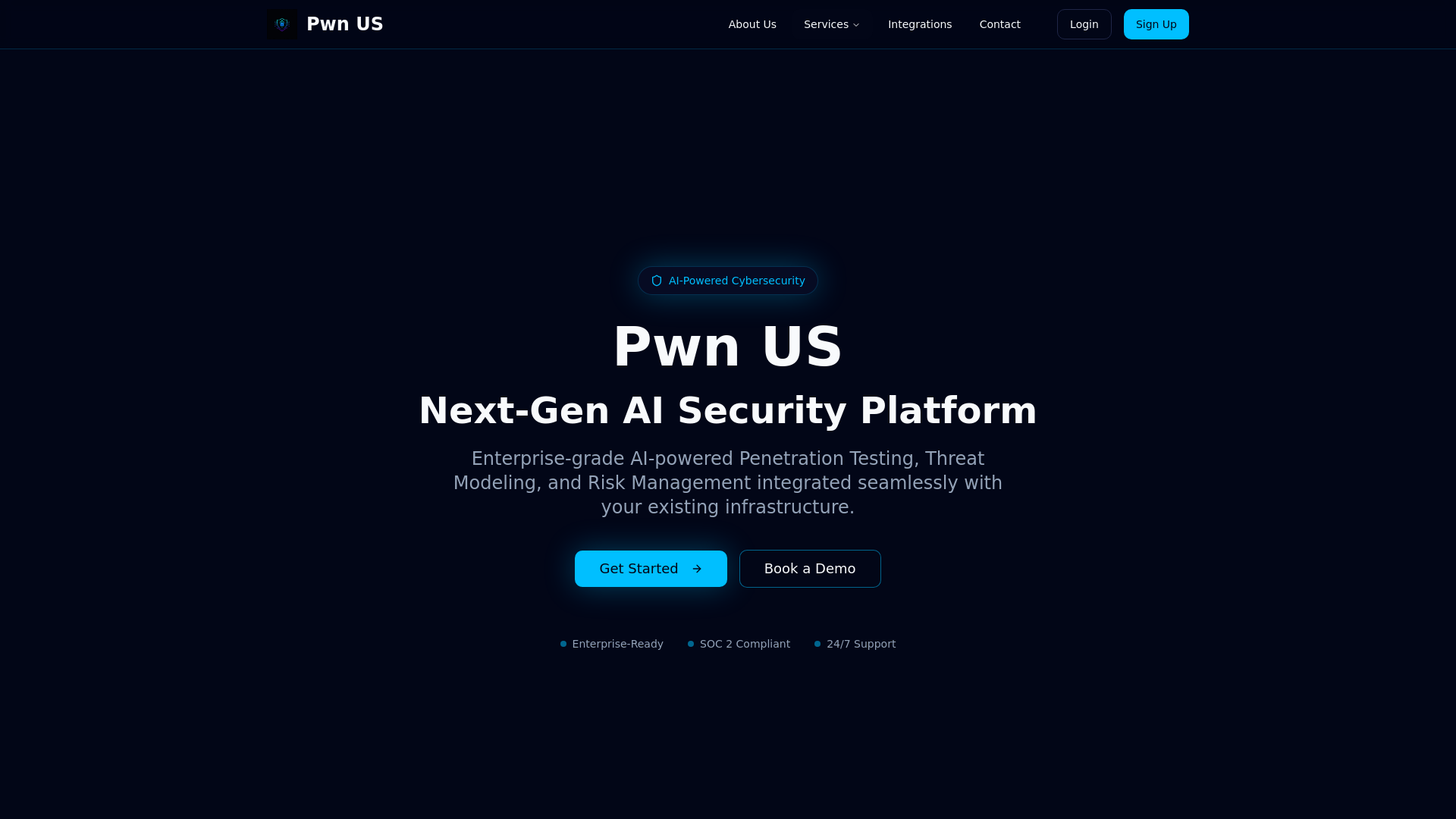
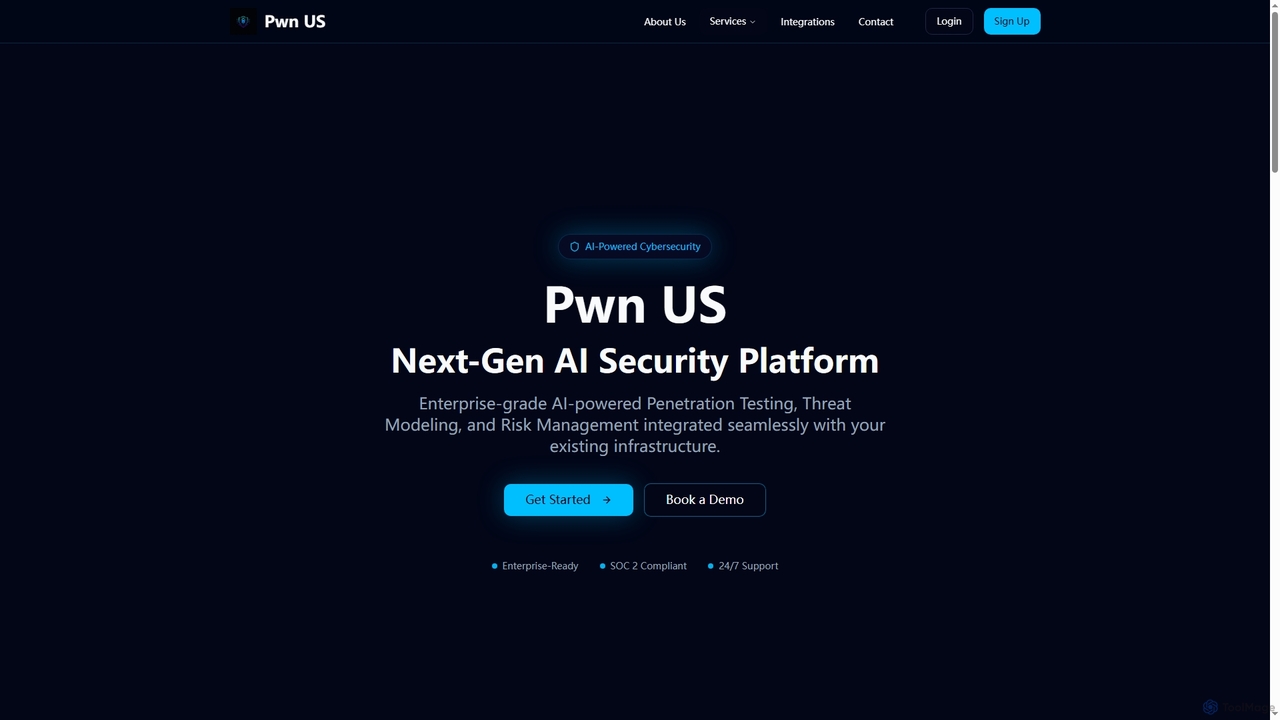
Pwnus is an AI-powered enterprise cybersecurity platform offering next-generation solutions for automated penetration testing, intelligent threat modeling, and …
Pwnus is an AI-powered enterprise cybersecurity platform offering next-generation solutions for automated penetration testing, intelligent threat modeling, and comprehensive risk management. It seamlessly integrates with existing infrastructure to provide continuous security monitoring, compliance management, and third-party risk assessment, safeguarding organizations from evolving cyber threats with advanced AI algorithms and machine learning.
Acqr
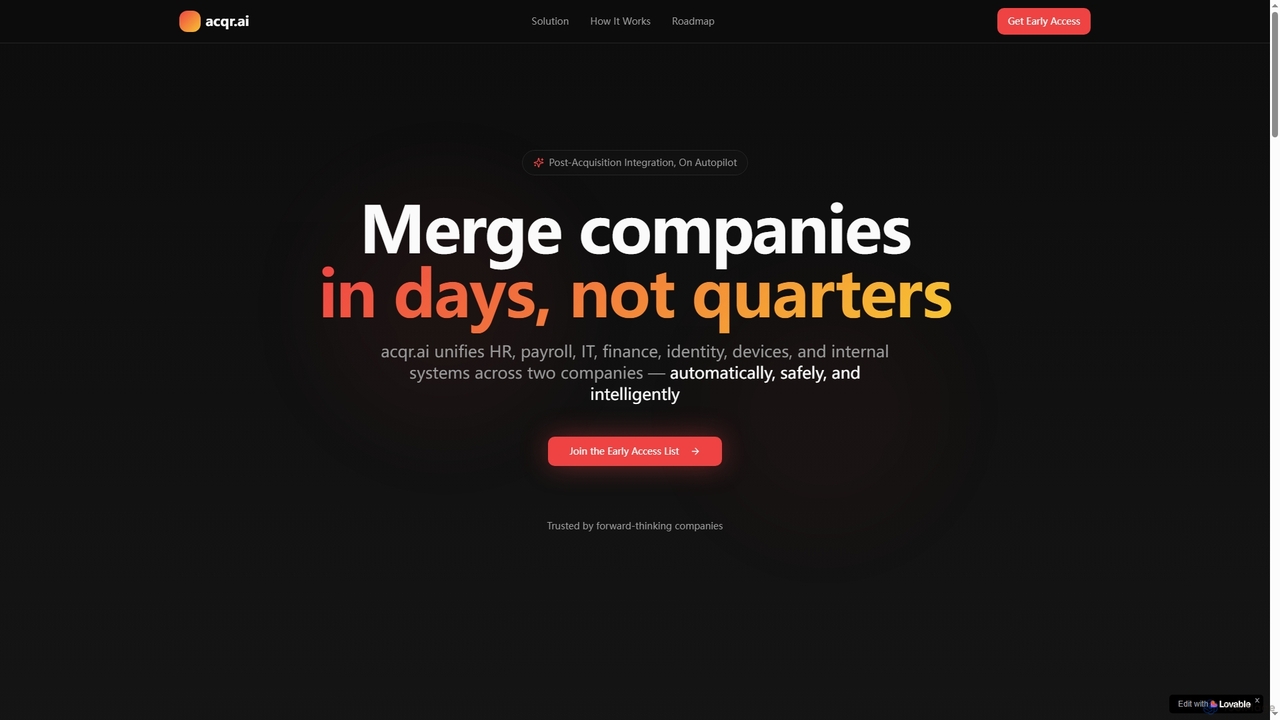
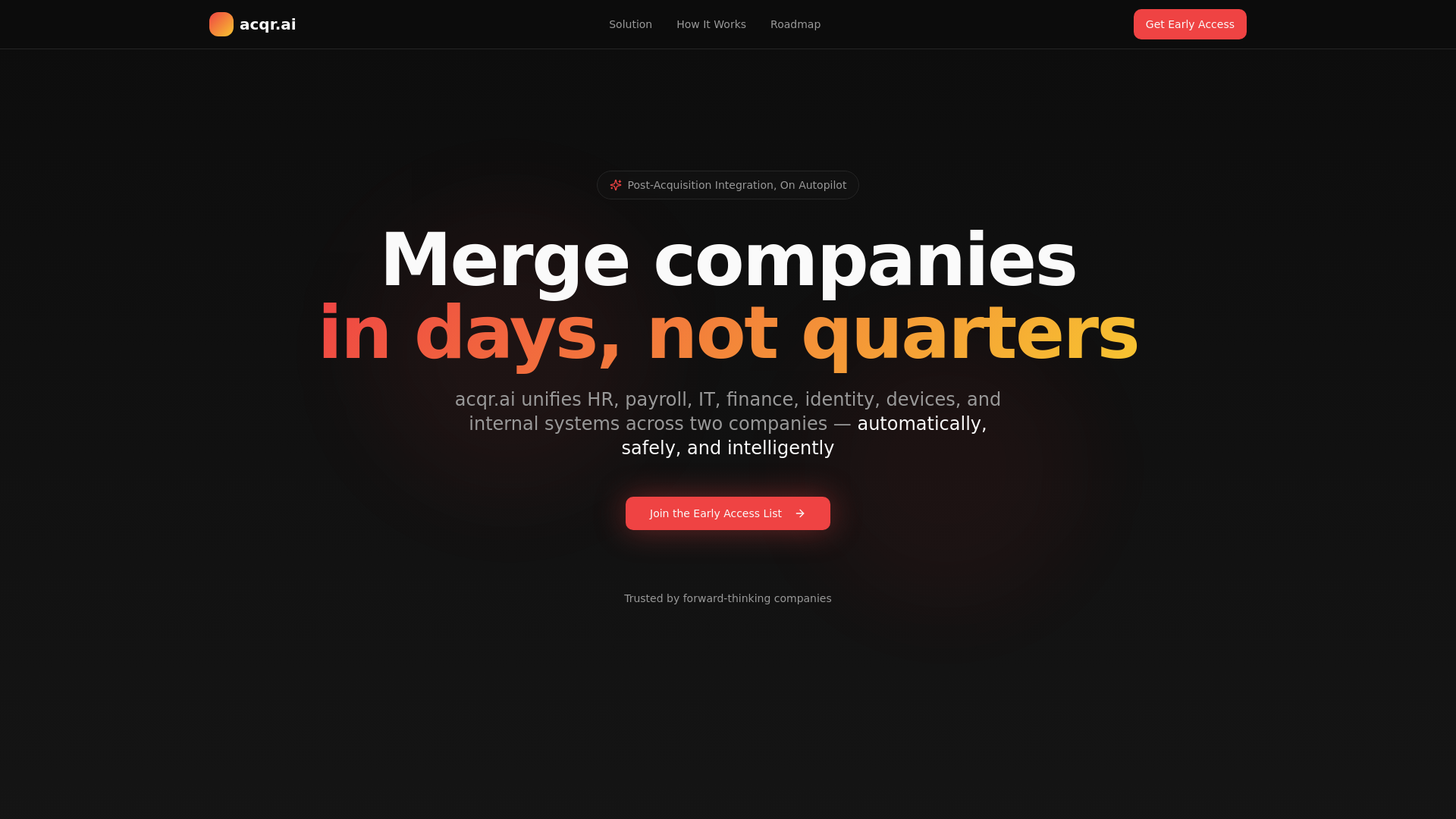
Acqr is an AI-powered platform designed to automate and streamline post-acquisition integration, unifying HR, payroll, IT, finance, identity, …
Acqr is an AI-powered platform designed to automate and streamline post-acquisition integration, unifying HR, payroll, IT, finance, identity, and internal systems across merged companies in days, not quarters. It aims to reduce M&A failure rates caused by poor integration.
Patchifi
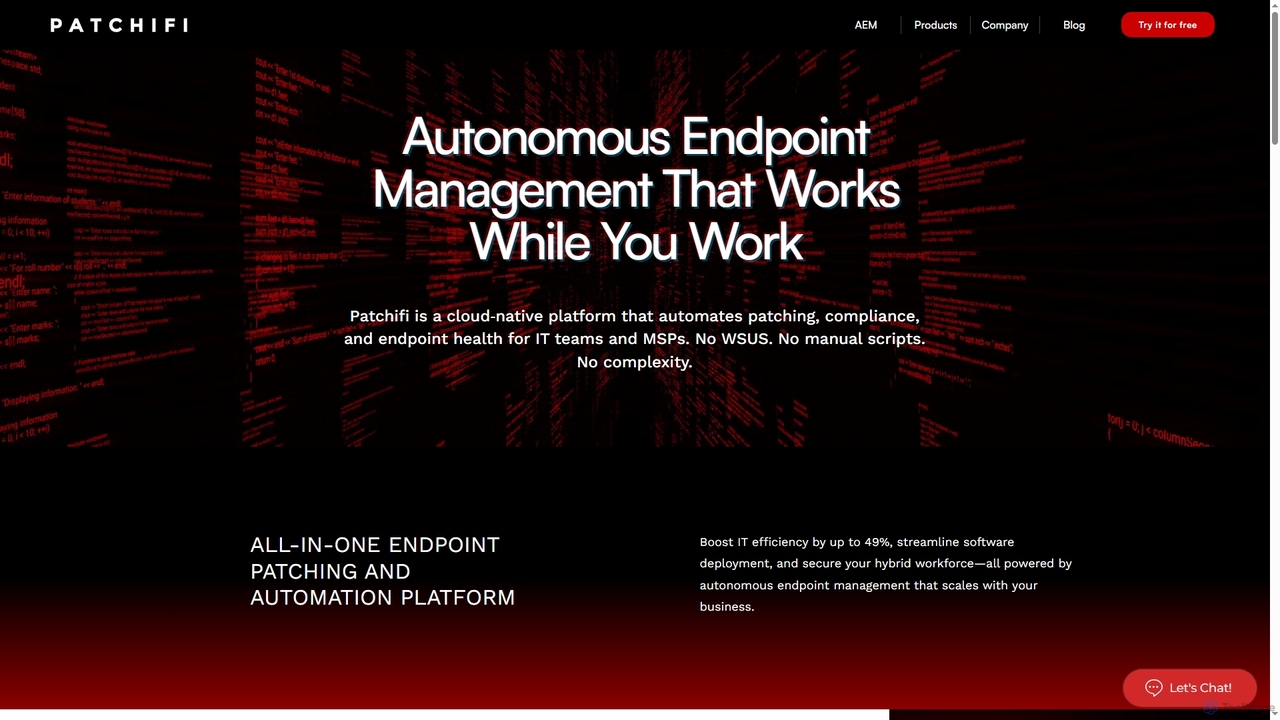
Patchifi is a cloud-native platform that automates endpoint management, patching, and compliance for IT teams and Managed Service …
Patchifi is a cloud-native platform that automates endpoint management, patching, and compliance for IT teams and Managed Service Providers (MSPs). It streamlines software deployment, enhances security, and boosts IT efficiency by up to 49% through intelligent automation, eliminating manual scripts and complexity.
VPS Commander
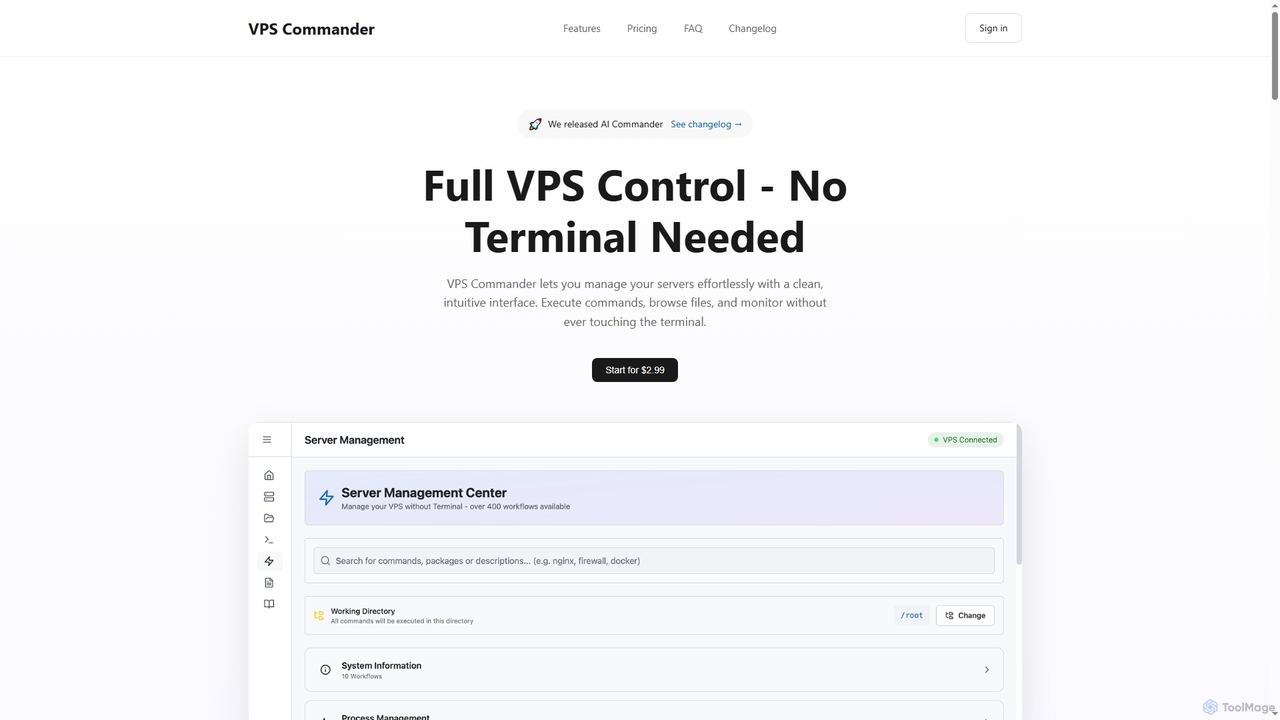
VPS Commander simplifies complex server management, transforming intricate terminal commands into intuitive clicks. It offers a modern interface …
VPS Commander simplifies complex server management, transforming intricate terminal commands into intuitive clicks. It offers a modern interface for managing workflows, files, and processes, empowering anyone to control their Virtual Private Servers without needing command-line expertise.
Fleet
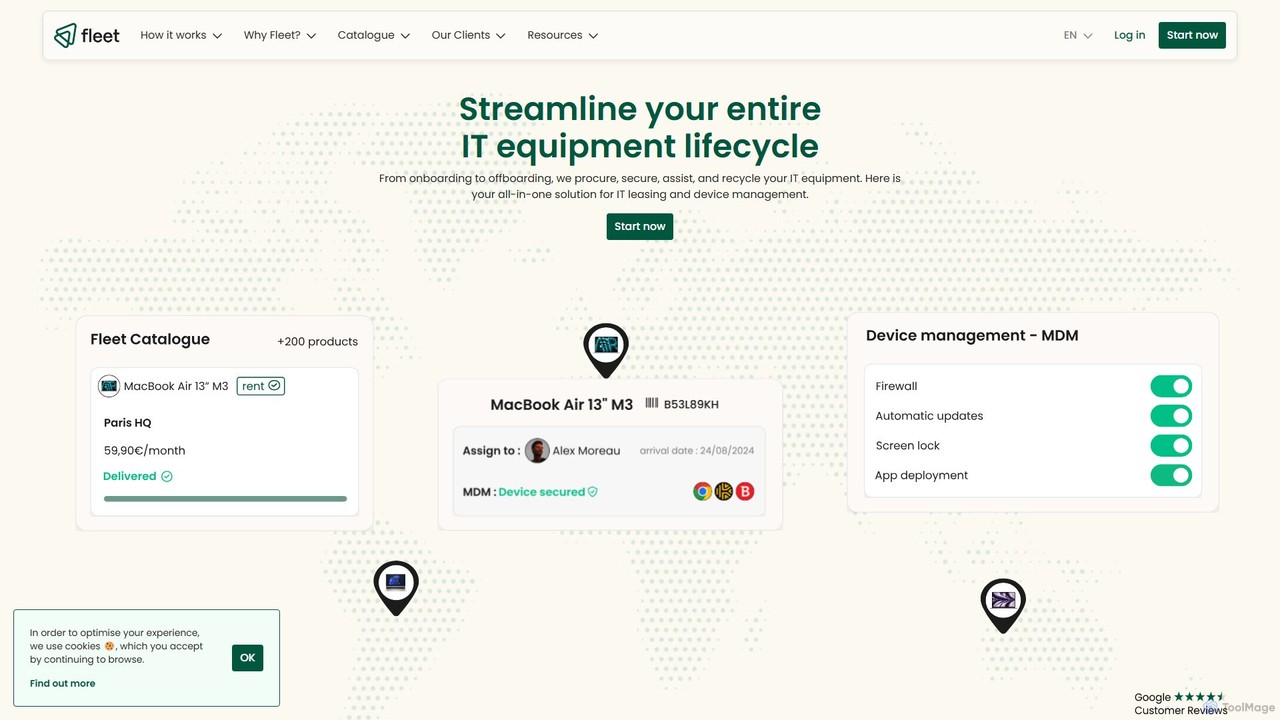
Fleet is an all-in-one IT management platform that simplifies the entire device lifecycle for businesses. It offers equipment …
Fleet is an all-in-one IT management platform that simplifies the entire device lifecycle for businesses. It offers equipment leasing, automated onboarding, premium support, and secure device management (MDM). By leveraging AI through its Copilot, Fleet helps companies optimize IT costs, enhance security, and manage their global hardware fleet efficiently from a single, intuitive interface, promoting a responsible and sustainable IT policy.
allowly
An AI-powered governance platform that enables businesses to securely manage and control employee access to AI and SaaS …
An AI-powered governance platform that enables businesses to securely manage and control employee access to AI and SaaS applications, preventing shadow IT and ensuring compliance.
Silo
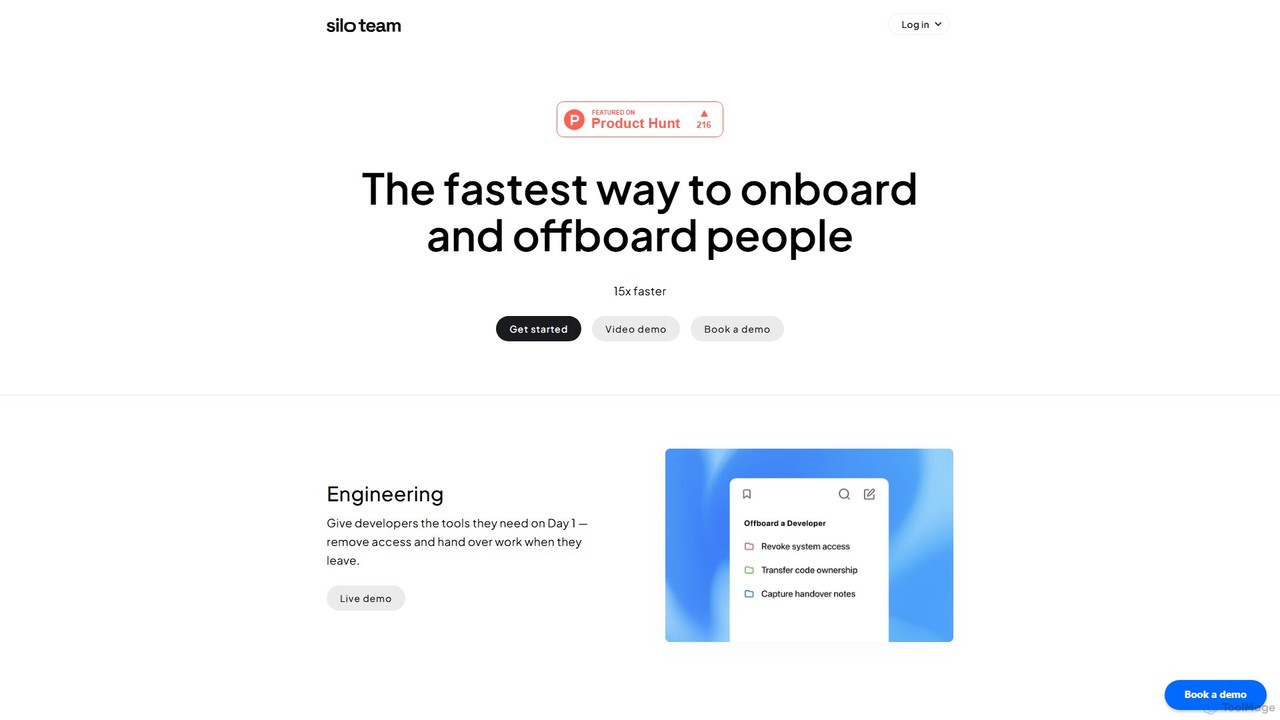
Silo is an advanced automation platform designed to streamline and accelerate employee onboarding and offboarding. It automates access …
Silo is an advanced automation platform designed to streamline and accelerate employee onboarding and offboarding. It automates access management, task assignments, and policy training across various departments like Engineering, Sales, and Finance. By providing role-based, compliant workflows, Silo helps companies onboard new hires up to 15x faster, enhance security by instantly revoking access for departing employees, and ensure a seamless, audit-ready employee lifecycle management process.
About It Management
AI-powered IT Management tools, often known as AIOps platforms, are systems that leverage artificial intelligence and machine learning to automate and enhance IT operations. These tools analyze vast amounts of data from diverse sources like logs, metrics, and network traffic to predict potential issues, identify root causes, and automate remediation. By shifting from a reactive to a proactive approach, they help organizations significantly reduce system downtime, improve service reliability, and increase the efficiency of IT teams. This allows technical staff to focus on strategic initiatives rather than manual monitoring and troubleshooting.
Core Features
- Predictive Analytics: Utilizes machine learning models to forecast system failures and performance bottlenecks before they impact users.
- Automated Root Cause Analysis: Rapidly pinpoints the source of an issue by correlating events across multiple systems, reducing investigation time.
- Intelligent Alert Correlation: Groups thousands of related alerts into a single, actionable incident to eliminate noise and reduce alert fatigue.
- Automated Remediation: Executes predefined workflows or scripts to automatically resolve common incidents without human intervention.
- Performance Optimization: Provides recommendations for resource allocation and configuration changes to improve system efficiency and lower costs.
Use Cases
These tools are essential for IT Operations, DevOps, and Site Reliability Engineering (SRE) teams in data-intensive industries such as finance, e-commerce, and SaaS. They are used to manage complex environments like microservices architectures and hybrid clouds, ensuring high availability and optimal performance for critical business applications.
How to Choose
When selecting an AI IT Management tool, consider its integration capabilities with your existing monitoring stack (e.g., Datadog, Splunk). Evaluate the sophistication of its AI models for anomaly detection and root cause analysis. Also, assess the extent of its automation features, its scalability to handle your data volume, and its overall ease of use for your team.
It ManagementUse Cases
Proactive Outage Prevention for E-commerce
An IT operations team for a major e-commerce platform uses an AIOps tool to ensure stability during a high-traffic flash sale. By analyzing historical performance data and real-time metrics from servers, databases, and APIs, the AI model predicts a potential database overload three hours before the sale begins. It automatically alerts the team and recommends scaling up specific database resources. The team applies the recommendation, preventing a costly outage and ensuring a smooth shopping experience for thousands of customers.
Automated Incident Root Cause Analysis
A Site Reliability Engineer (SRE) at a SaaS company receives an alert for slow application performance. Instead of manually sifting through logs from dozens of microservices, they use an AIOps platform. The tool automatically correlates performance metrics, logs, and recent code deployments. Within minutes, it identifies the root cause: a recent update to a single microservice caused a memory leak. The platform presents this finding with supporting evidence, reducing the Mean Time to Resolution (MTTR) from hours to under 15 minutes.
Reducing Alert Fatigue in a Network Operations Center
A Network Operations Center (NOC) team for a telecommunications company is overwhelmed with thousands of alerts daily from their monitoring systems. They implement an AIOps tool to process this data stream. The AI intelligently groups related alerts from different systems (e.g., high CPU on a router, increased latency, and packet loss) into a single, high-context incident. This reduces the alert volume by over 90%, allowing NOC engineers to focus on investigating and resolving genuine problems instead of being distracted by redundant noise.
Optimizing Cloud Infrastructure Costs
A fast-growing startup uses multiple cloud services, and their monthly bill is increasing unpredictably. Their DevOps team deploys an AI IT management tool that analyzes resource utilization patterns across their entire cloud environment. The tool identifies persistently underutilized virtual machines and oversized database instances. It provides specific 'right-sizing' recommendations, such as changing instance types or implementing auto-scaling policies. By following these AI-driven suggestions, the company reduces its monthly cloud expenditure by 25% without impacting application performance.
Automating IT Service Desk Ticket Routing
A large enterprise's IT service desk handles hundreds of support tickets daily. An AI management tool is integrated with their ticketing system. Using Natural Language Processing (NLP), the tool analyzes the text of each new ticket to understand the user's issue. It then automatically categorizes the ticket (e.g., 'Hardware Issue', 'Software Access'), assigns a priority level, and routes it to the appropriate support team (e.g., network team, application support). This automation eliminates manual triage, speeds up response times, and ensures tickets reach the right experts faster.
Enhancing IT Security with Anomaly Detection
A financial institution's security operations (SecOps) team uses an AIOps platform to monitor for threats. The platform establishes a baseline of normal network traffic and user activity. It then continuously monitors for deviations. The AI detects an unusual pattern: a user account that normally operates during business hours is suddenly accessing sensitive files at 3 AM from an unrecognized IP address. The system immediately flags this as a high-risk anomaly and triggers an alert, enabling the SecOps team to investigate and contain a potential security breach much faster than with rule-based systems alone.