It & Security Best in category 1 results Network Security AI Tool

Popular AI tools in the Network Security field of It & Security include Site24x7, etc., helping you quickly improve efficiency.

Site24x7

Site24x7

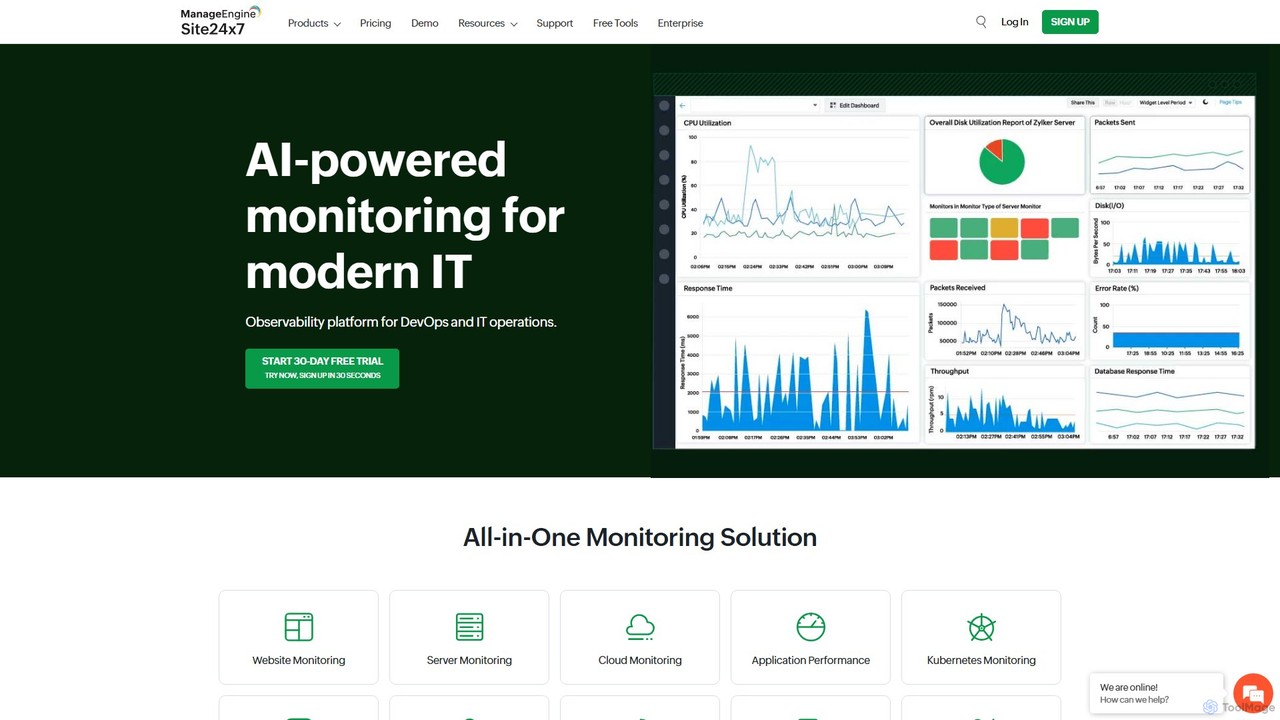
Site24x7 is an AI-powered, all-in-one observability platform for DevOps and IT operations. It provides comprehensive monitoring for websites, …

1.0M

About Network Security

Network Security tools are AI-powered solutions designed to protect an organization's network infrastructure and data from cyber threats. These tools leverage machine learning and advanced analytics to detect, prevent, and respond to various security incidents in real-time. They enhance traditional security measures by identifying sophisticated attack patterns, anomalies, and vulnerabilities that human analysts might miss, ensuring robust defense within the broader IT & Security landscape.

Core Features

  • Real-time Threat Detection: Identifies and alerts on malicious activities, malware, and intrusion attempts as they occur.
  • Vulnerability Management: Scans networks for weaknesses, misconfigurations, and unpatched systems, providing remediation recommendations.
  • Behavioral Anomaly Detection: Establishes baselines of normal network behavior to flag unusual activities indicative of a breach.
  • Automated Incident Response: Initiates predefined actions like blocking IP addresses or isolating compromised devices upon threat detection.
  • Data Loss Prevention (DDLP): Monitors and controls data in transit and at rest to prevent unauthorized access or exfiltration of sensitive information.

Use Cases

Network Security tools are essential for IT security teams, network administrators, and compliance officers across all industries. They are used to continuously monitor network traffic, secure endpoints, protect cloud environments, and ensure regulatory compliance. These tools help maintain business continuity by proactively defending against ransomware, phishing, and insider threats.

How to Choose

When selecting Network Security tools, consider the scope of protection (on-premise, cloud, hybrid), integration capabilities with existing security infrastructure, the accuracy of threat detection, and the level of automation offered for incident response. Evaluate scalability, ease of management, and compliance reporting features to ensure it meets your organization's specific security posture and regulatory requirements.

Network SecurityUse Cases

1

Automated Threat Detection and Alerting

A corporate IT security team uses AI-powered Network Security tools to continuously monitor network traffic for suspicious activities. The AI system automatically detects anomalies like unusual data transfers, unauthorized access attempts, or known malware signatures, generating real-time alerts. This allows the team to quickly investigate and mitigate potential breaches, significantly reducing the time to detect and respond to cyber threats compared to manual monitoring.

2

Proactive Vulnerability Scanning and Remediation

A network administrator deploys AI-driven Network Security tools to perform regular, automated scans of the entire network infrastructure, including servers, workstations, and IoT devices. The tools identify unpatched software, misconfigured firewalls, and open ports, then prioritize vulnerabilities based on their severity and exploitability. This enables the administrator to proactively apply patches and reconfigure settings, preventing attackers from exploiting known weaknesses before they can cause damage.

3

Enhanced Cloud Network Security

A cloud architect uses AI-powered Network Security tools to secure their organization's multi-cloud environment. These tools provide continuous monitoring of cloud network traffic, identify misconfigurations in cloud security groups, and detect unauthorized access attempts to cloud resources. By leveraging AI, the architect can ensure consistent security policies across different cloud providers and automatically remediate compliance violations, protecting sensitive data stored and processed in the cloud from evolving threats.

4

Insider Threat Detection and Prevention

A large enterprise employs AI-driven Network Security tools to monitor employee network behavior for signs of insider threats. The AI establishes baselines for normal user activity and flags deviations, such as unusual access to sensitive files, attempts to bypass security controls, or data exfiltration to external storage. This proactive monitoring helps the security team identify and intervene in potential insider threats, whether malicious or accidental, before significant data breaches or system compromises occur.

5

Automated Compliance Auditing and Reporting

A financial institution utilizes AI-powered Network Security tools to automate compliance auditing for regulations like GDPR, HIPAA, or PCI DSS. The tools continuously assess network configurations, access controls, and data handling practices against predefined compliance standards. They generate detailed reports highlighting areas of non-compliance and suggesting corrective actions, significantly reducing the manual effort and time required for audits and ensuring the organization maintains a strong regulatory posture.

6

Intelligent Network Segmentation and Access Control

An IT manager implements AI-driven Network Security tools to enforce granular network segmentation and dynamic access controls. The AI analyzes user roles, device types, and application needs to automatically create and adjust network segments, limiting lateral movement for potential attackers. It also enforces least-privilege access, ensuring users and devices only access the resources strictly necessary for their functions, thereby minimizing the attack surface and containing breaches more effectively.

Network SecurityFrequently Asked Questions