It & Security Best in category 1 results Device Management AI Tool

Popular AI tools in the Device Management field of It & Security include AirDroid, etc., helping you quickly improve efficiency.

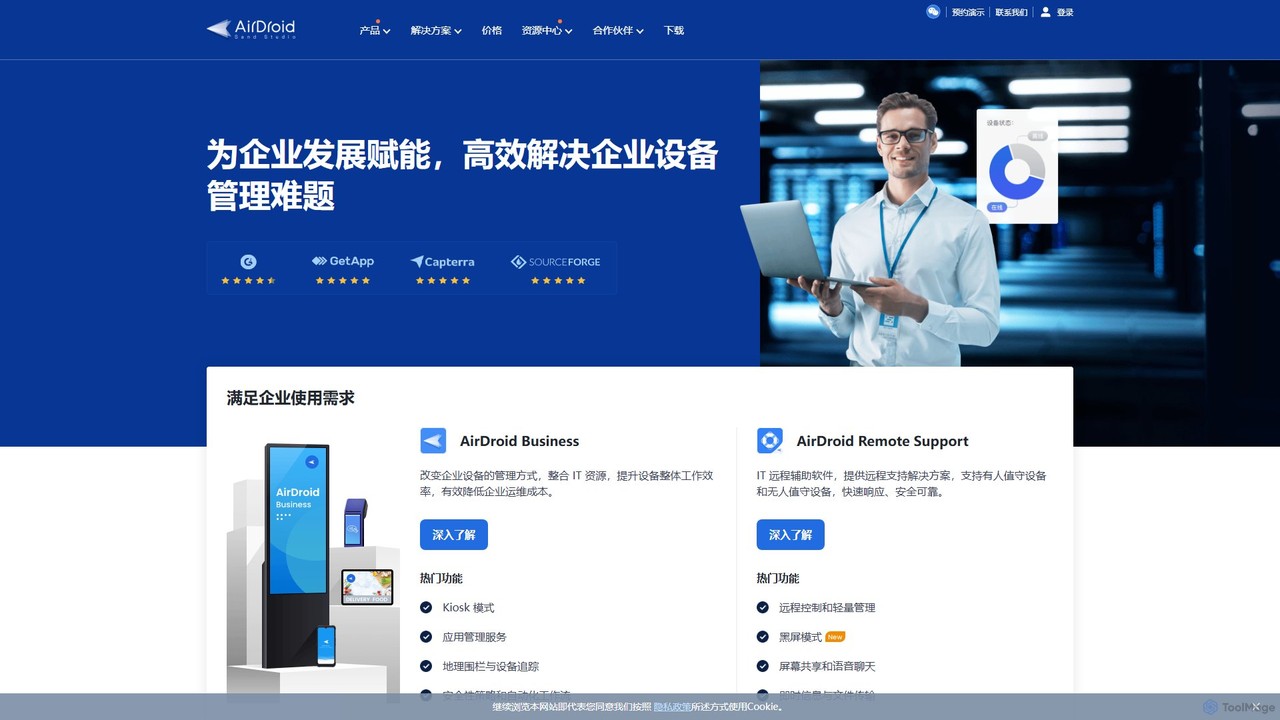
AirDroid

AirDroid

AirDroid is a comprehensive suite of tools for remote control, mobile device management (MDM), and remote support. It …

243.1K

About Device Management

Device Management refers to AI-powered tools designed to monitor, control, and optimize the performance and security of connected devices across an organization. These solutions leverage machine learning, advanced analytics, and automation to streamline routine tasks, predict potential issues, and enhance operational efficiency. By providing intelligent oversight, AI device management ensures optimal functionality, extends device lifespans, and strengthens overall IT infrastructure security. They are crucial for managing complex ecosystems ranging from IoT sensors and industrial equipment to enterprise endpoints and network infrastructure, transforming reactive management into proactive intelligence.

Core Features

  • Predictive Maintenance: Utilizes AI to analyze device data and forecast potential failures, enabling proactive maintenance.
  • Automated Policy Enforcement: Automatically applies and enforces security and operational policies across all managed devices.
  • Intelligent Anomaly Detection: Identifies unusual device behavior or performance deviations that may indicate issues or threats.
  • Resource Optimization: Dynamically allocates and manages device resources to maximize performance and minimize energy consumption.
  • Remote Troubleshooting & Control: Allows for AI-assisted diagnosis and resolution of device issues from a central location.

Applicable Scenarios

AI-powered device management is vital for industries with extensive device networks, such as manufacturing for smart factory operations, healthcare for managing medical IoT devices, and logistics for optimizing large vehicle fleets. It helps IT departments maintain endpoint security, ensures operational continuity in critical infrastructure, and supports the scalable deployment of new technologies like edge computing.

How to Choose

When selecting an AI device management solution, consider its scalability to accommodate future growth, integration capabilities with existing IT systems, and the breadth of AI features like predictive analytics and automation. Evaluate its security protocols, compliance certifications, and the clarity of its reporting and analytics dashboards. User-friendliness and vendor support are also crucial for effective long-term deployment.

Device ManagementUse Cases

1

Predictive Maintenance for Industrial IoT Equipment

A factory operations manager utilizes AI device management to monitor hundreds of industrial machines and sensors on the production floor. The AI analyzes real-time operational data, identifies subtle patterns indicating potential component wear or malfunction, and predicts equipment failures days or weeks in advance. This enables the manager to schedule proactive maintenance during planned downtime, preventing costly unexpected breakdowns and ensuring continuous production, significantly reducing operational costs and improving uptime.

2

Automated Security Policy Enforcement for Endpoints

An IT security administrator in a large enterprise deploys AI device management to oversee thousands of employee laptops, smartphones, and tablets. The AI continuously scans devices for compliance with security policies, such as required software updates, antivirus status, and unauthorized application installations. If a device falls out of compliance, the system automatically quarantines it, applies necessary patches, or restricts network access, ensuring a robust security posture without manual intervention and reducing vulnerability risks.

3

Intelligent Resource Optimization in Data Centers

A data center operator uses AI device management to dynamically manage server and network resources. The AI monitors workload patterns, temperature, and energy consumption across racks of servers. Based on predictive analytics, it automatically reallocates virtual machines, adjusts cooling systems, and powers down idle components to optimize performance, prevent overheating, and significantly reduce energy costs. This ensures maximum efficiency and reliability for critical applications.

4

Remote AI-Assisted Troubleshooting for Customer Devices

A customer support team for a smart home device manufacturer employs AI device management to assist with remote diagnostics. When a customer reports an issue, the AI analyzes diagnostic data from the device, identifies common failure points or configuration errors, and suggests troubleshooting steps or even initiates automated firmware updates or reconfigurations. This drastically reduces the need for on-site visits, improves first-call resolution rates, and enhances customer satisfaction.

5

Optimizing Fleet Management for Logistics Companies

A logistics company manager uses AI device management to oversee a fleet of delivery vehicles equipped with telematics sensors. The AI monitors engine performance, tire pressure, fuel consumption, and driver behavior. It predicts maintenance needs for individual vehicles, optimizes delivery routes based on real-time traffic and vehicle health, and identifies inefficient driving patterns. This leads to reduced fuel costs, extended vehicle lifespan, and improved delivery schedules.

6

Smart Building Energy and Occupancy Management

A facility manager for a large office building implements AI device management to control HVAC, lighting, and security systems. The AI learns occupancy patterns, external weather conditions, and energy pricing. It then autonomously adjusts climate control, dims lights in unoccupied areas, and optimizes ventilation, ensuring occupant comfort while significantly reducing energy consumption and operational expenses. This creates a more sustainable and cost-efficient building environment.

Device ManagementFrequently Asked Questions