It & Security Best in category 2 results Incident Management AI Tool

Popular AI tools in the Incident Management field of It & Security include allquiet、Signal0ne, etc., helping you quickly improve efficiency.

Signal0ne

Signal0ne

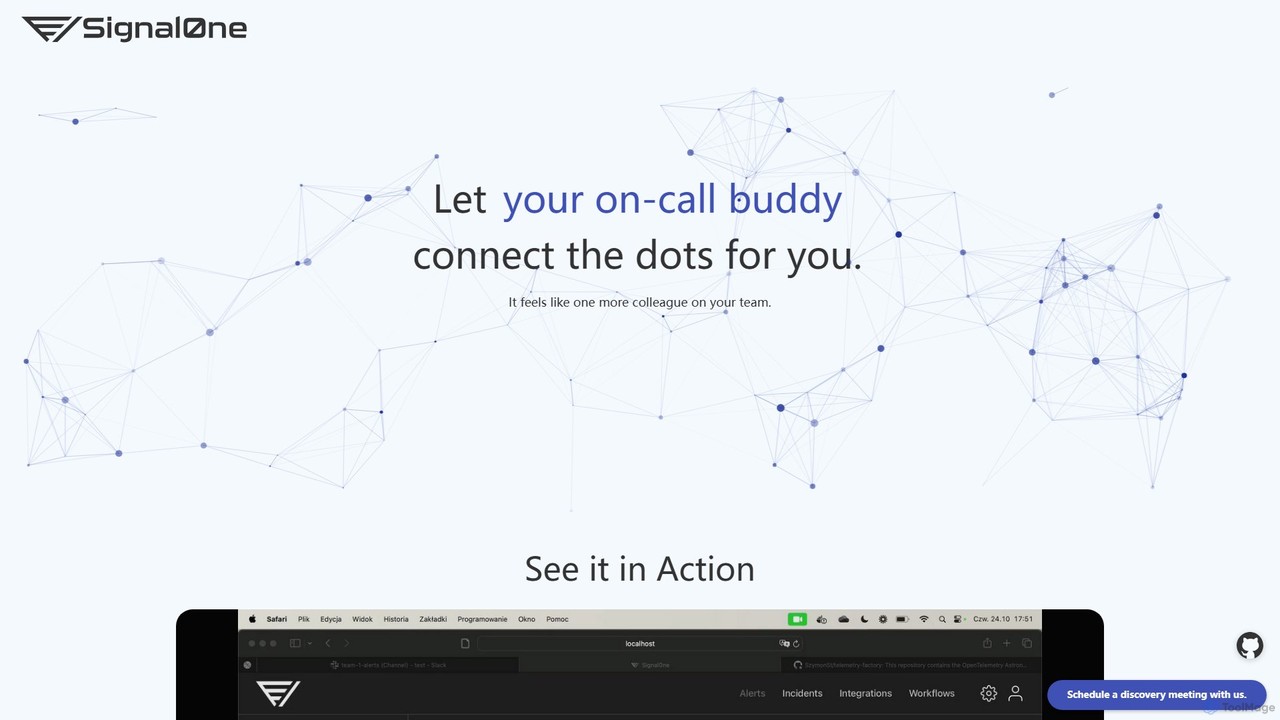
Signal0ne is an AI-powered AIOps platform that acts as an on-call assistant for DevOps and SRE teams. It …

2.8K
allquiet

allquiet

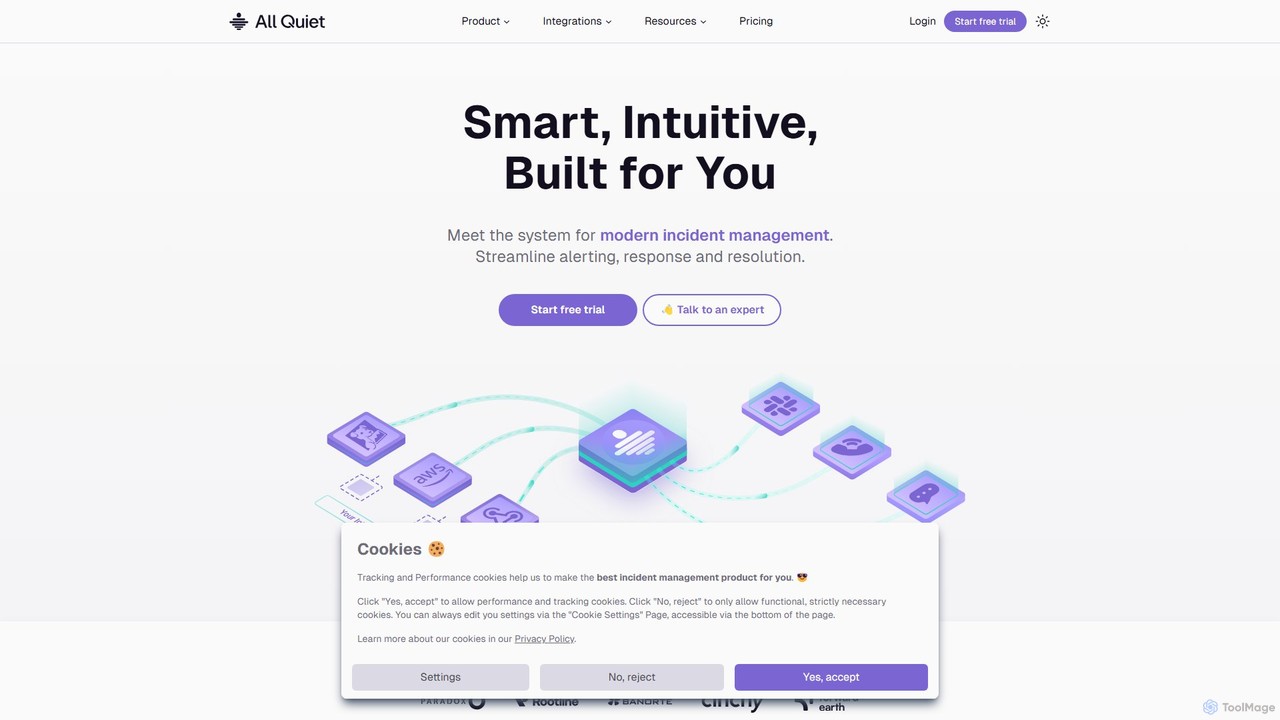
allquiet is a modern IT incident management and on-call scheduling platform for tech teams. It streamlines alerting, response, …

12.4K

About Incident Management

AI Incident Management tools are specialized platforms designed to automate and accelerate the detection, response, and resolution of IT service disruptions. Leveraging machine learning, these tools analyze vast amounts of data from monitoring systems to correlate alerts, suppress noise, and identify root causes with high precision. Their primary value lies in drastically reducing Mean Time To Resolution (MTTR), minimizing system downtime, and freeing up engineering teams from manual triage. They intelligently orchestrate the entire incident lifecycle, from initial alert to post-mortem analysis.

Core Features

  • AI-Powered Alert Correlation: Automatically groups related alerts from various sources into a single, actionable incident, reducing alert fatigue.
  • Automated Root Cause Analysis (RCA): Pinpoints the likely source of an issue by analyzing logs, metrics, and change events without manual investigation.
  • Intelligent On-Call Management: Routes incidents to the right on-call engineers based on schedules, skills, and severity, and automates escalation policies.
  • Automated Remediation Workflows: Executes pre-defined scripts or 'runbooks' to automatically resolve common and recurring issues.
  • Predictive Analytics: Identifies patterns and trends in historical data to forecast potential future incidents before they impact users.

Use Cases

These tools are essential for Site Reliability Engineers (SREs), DevOps teams, and IT Operations (ITOps) in technology-driven industries like SaaS, e-commerce, and finance. They are used to manage the reliability of complex cloud-native applications, respond instantly to production outages, and proactively maintain service level objectives (SLOs).

How to Choose

When selecting an AI Incident Management tool, consider its integration capabilities with your existing monitoring stack (e.g., Datadog, Prometheus) and communication platforms (e.g., Slack, Jira). Evaluate the sophistication of its AI for root cause analysis and the flexibility of its automation engine. Also, assess its scalability to handle your alert volume and the clarity of its pricing model.

Incident ManagementUse Cases

1

Automate E-commerce Site Outage Response

An SRE team for a major online retailer receives a flood of alerts during a peak sales event. Instead of manually sifting through hundreds of notifications, the AI Incident Management tool automatically correlates high CPU usage, slow database queries, and a spike in 5xx server errors into a single critical incident. It identifies a recent code deployment as the probable root cause by analyzing change logs. The system then automatically triggers a pre-configured runbook to roll back the deployment, restoring service in minutes instead of hours and saving potentially millions in lost revenue.

2

Reduce Alert Fatigue for DevOps Teams

A DevOps team managing hundreds of microservices is constantly bombarded with low-priority, repetitive alerts, causing genuine issues to be missed. By implementing an AI Incident Management tool, they can automatically group and suppress noisy alerts. The AI learns which alerts are informational versus critical. For example, it bundles 50 instances of a minor 'disk space warning' into one low-priority ticket, while immediately escalating a single, novel 'authentication service failure' alert to the on-call engineer with high priority, ensuring critical signals are never lost in the noise.

3

Accelerate Root Cause Analysis for SaaS Platforms

A SaaS company experiences intermittent performance degradation. Manually digging through logs and metrics from dozens of services would take hours. Their AI Incident Management platform ingests all this data in real-time. When users report slowness, the AI analyzes telemetry data from the past hour, correlates the performance dip with a recent database configuration change, and highlights a specific query that began timing out. This reduces the Root Cause Analysis (RCA) time from hours to minutes, allowing developers to focus on fixing the issue rather than finding it.

4

Proactively Prevent Infrastructure Failures

An IT Operations team for a large enterprise uses an AI Incident Management tool to monitor their hybrid cloud environment. The tool's predictive analytics engine analyzes historical trends and identifies that a specific Kubernetes cluster consistently experiences CPU spikes on the first Monday of every month due to batch processing jobs. Instead of waiting for an incident, the tool proactively creates a ticket a week in advance, recommending the team to scale up the cluster resources before the scheduled job runs. This prevents performance degradation and potential outages, shifting the team from a reactive to a proactive operational model.

5

Streamline On-Call Escalations for Financial Services

In a highly regulated financial services company, response time is critical. An alert for a potential transaction processing failure is triggered at 2 AM. The AI Incident Management tool, understanding the severity and business impact, bypasses the Level 1 on-call engineer. It directly pages the senior database administrator and the application owner simultaneously, based on escalation policies and historical data showing this type of alert always requires their intervention. It also automatically opens a Slack channel with all relevant parties and provides a summary of the issue, enabling immediate, coordinated action.

6

Automate Post-Incident Reporting and Analysis

After a critical incident is resolved, a product team needs to conduct a post-mortem to prevent recurrence. Instead of manually gathering data, the AI Incident Management tool automatically generates a complete incident timeline. This includes all alerts, chat conversations from Slack, key metrics graphs during the incident, and actions taken by responders. It can even suggest contributing factors based on its analysis. This automated report saves hours of manual work, ensures accuracy, and provides a structured foundation for the team's review meeting, fostering a culture of continuous learning and improvement.

Incident ManagementFrequently Asked Questions