Legal Best in category 8 results Document Review AI Tool

Popular AI tools in the Document Review field of Legal include Hebbia、ChatDOC、Lateral、StrataReports、PDF Pals、PortableDocs、Socrates、Fileread, etc., helping you quickly improve efficiency.

Socrates

Socrates

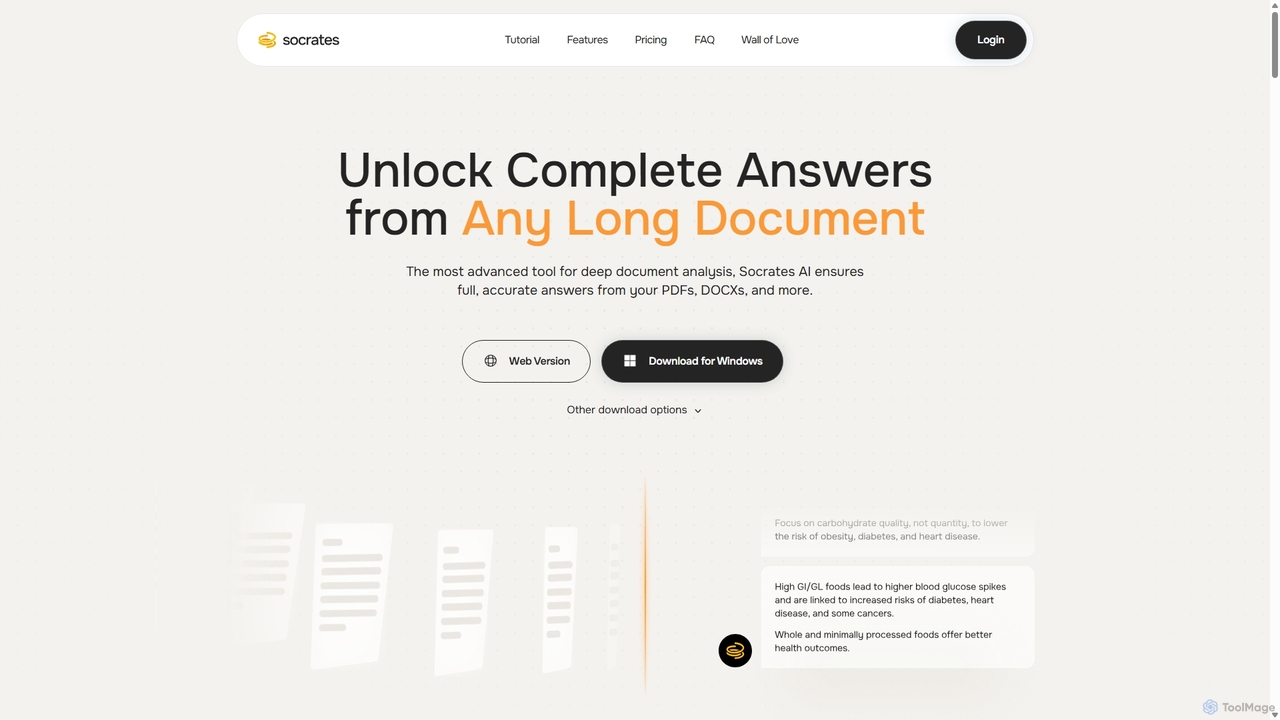
Socrates is an advanced AI tool for deep document analysis. It allows users to upload long documents like …

3.2K
Hebbia

Hebbia

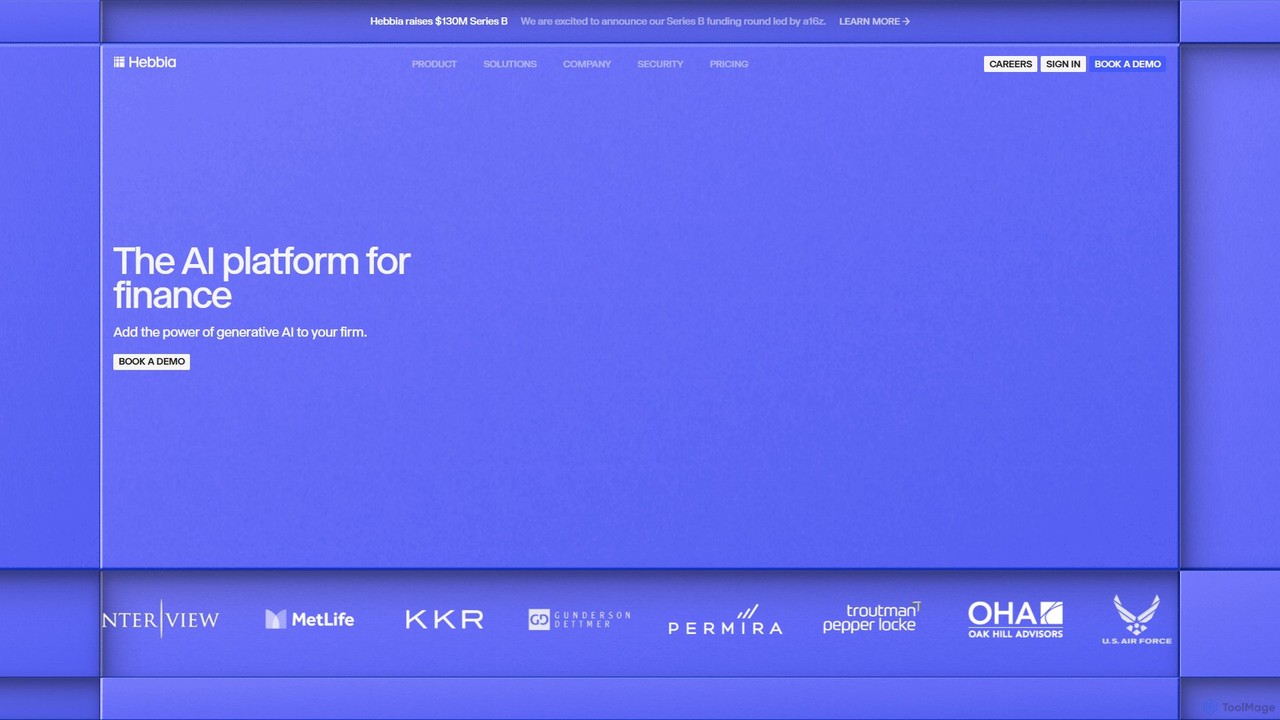
Hebbia is an enterprise-grade AI platform designed for finance, legal, and corporate sectors. It enables firms to build …

110.1K
StrataReports

StrataReports

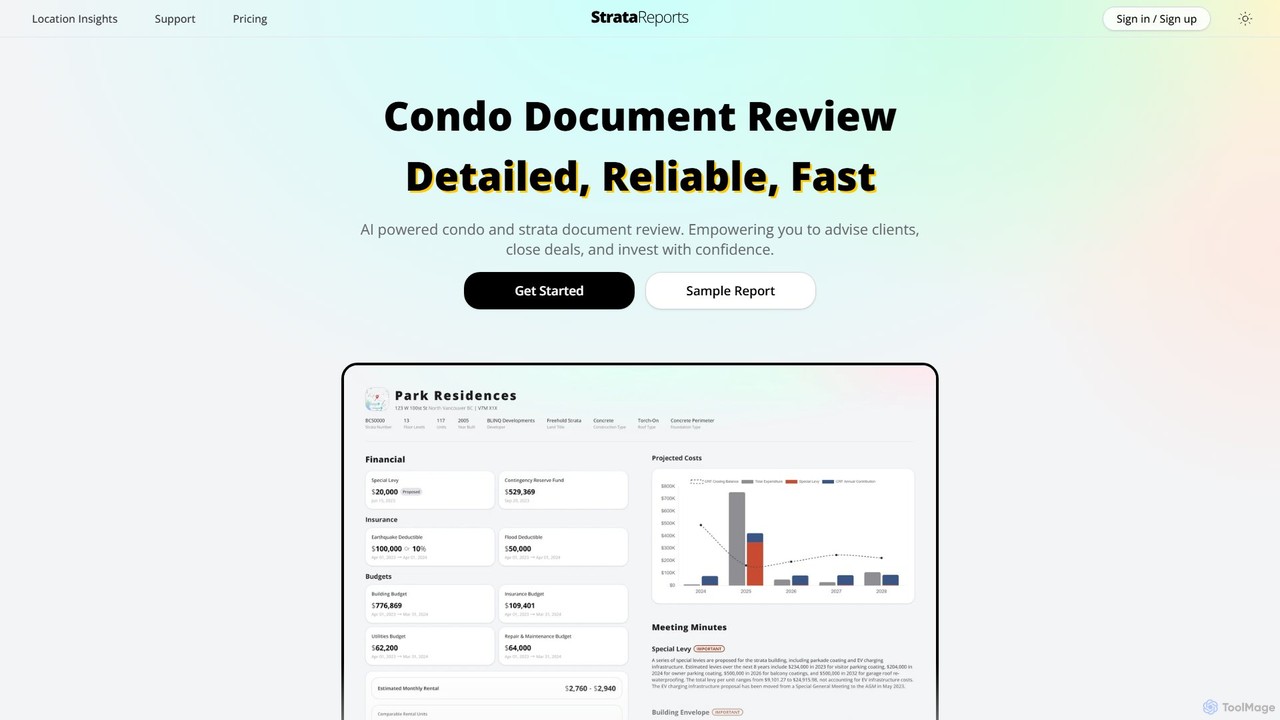
An AI-powered platform for the Canadian real estate market that analyzes condo and strata documents in minutes. It …

7.6K
ChatDOC

ChatDOC

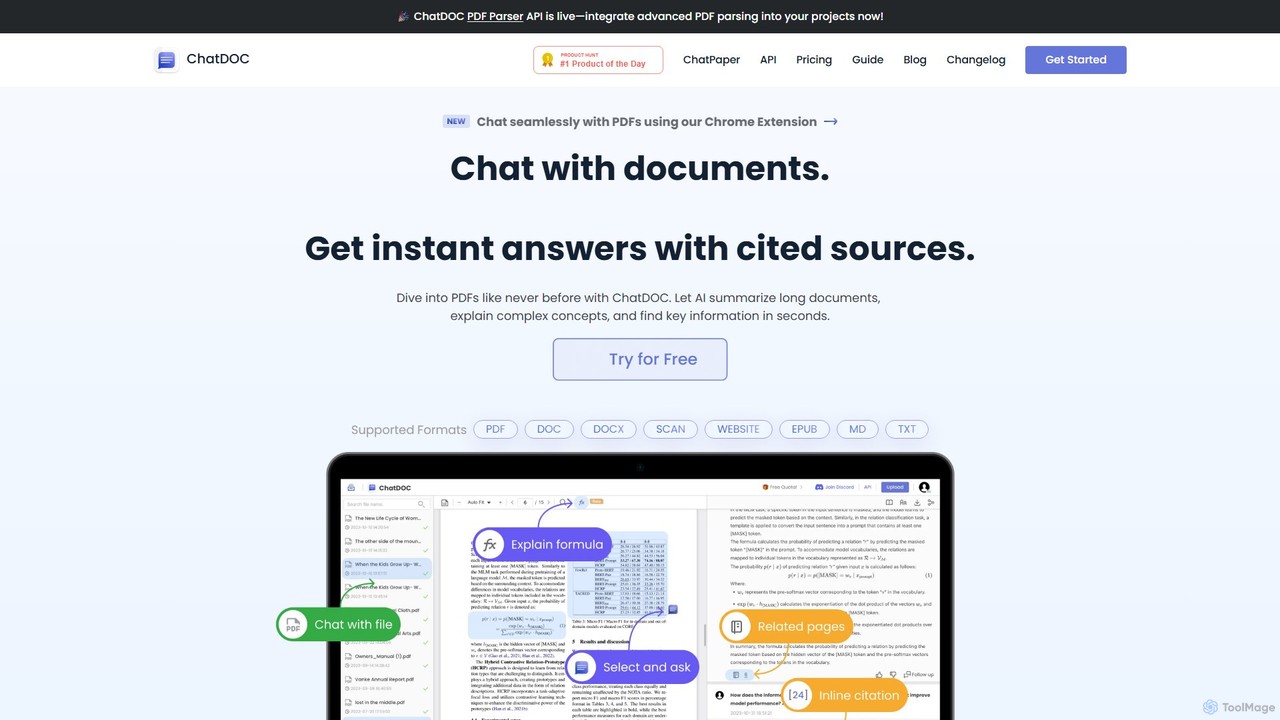
ChatDOC is an AI-powered document reading assistant that lets you chat with your files. Instantly extract, summarize, and …

104.3K
Lateral

Lateral

Lateral is an AI-powered research assistant designed for academics, students, and professionals. It helps you rapidly search, organize, …

14.5K
PDF Pals

PDF Pals

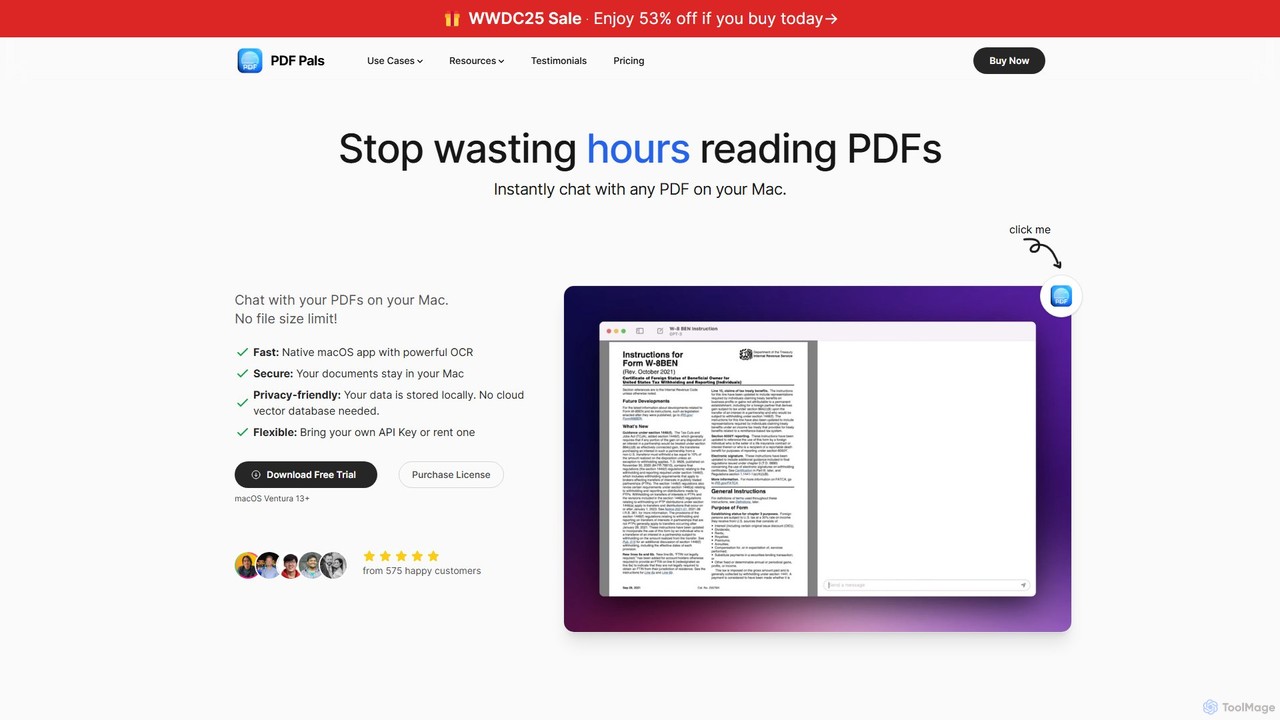
PDF Pals is a native macOS application that allows you to chat with your PDF documents locally. It …

6.9K
PortableDocs

PortableDocs

PortableDocs is an AI-powered platform that allows you to chat with your PDF documents. Instantly get summaries, ask …

6.2K
Fileread

Fileread

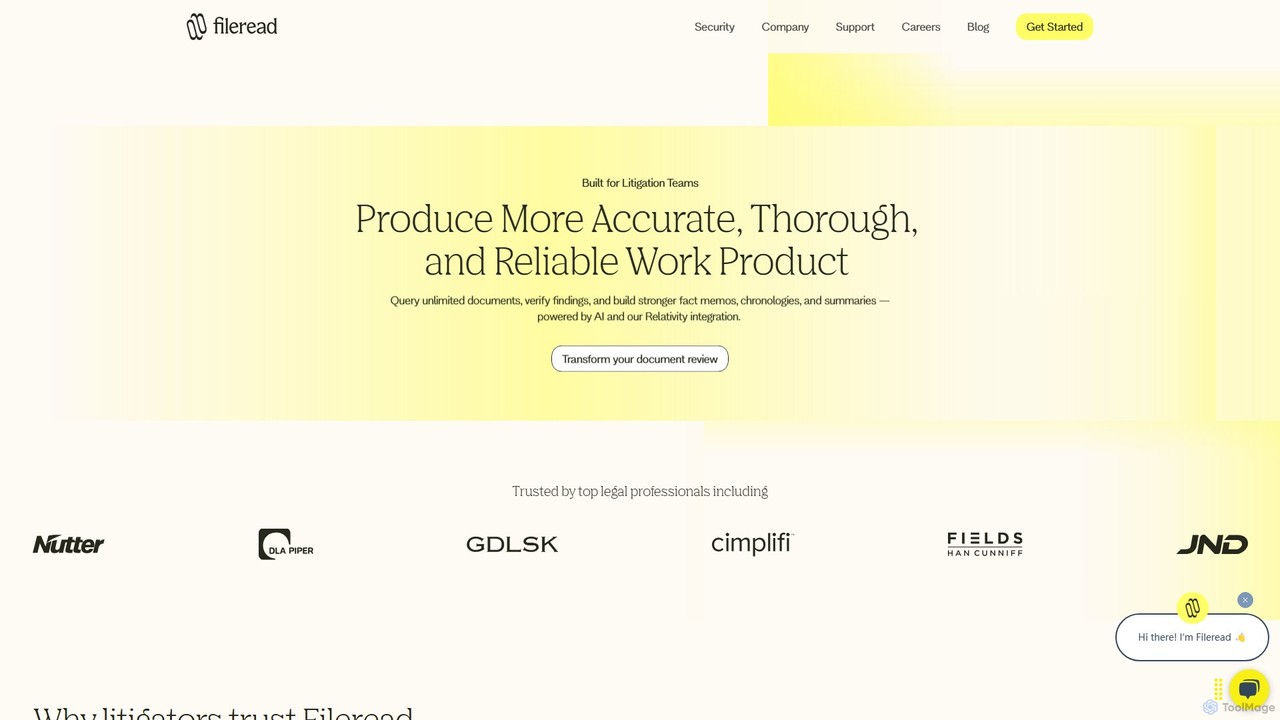
Fileread is an AI-powered document review platform designed for litigation teams. It streamlines fact-finding and case preparation by …

1.4K

About Document Review

AI Document Review tools are specialized platforms that automate the analysis and classification of large volumes of legal and business documents. Leveraging advanced Natural Language Processing (NLP) and machine learning, these tools can identify relevant information, extract key data points, and flag potential risks with high speed and accuracy. They are essential for modern legal practices, corporate compliance, and due diligence processes, transforming time-consuming manual reviews into efficient, data-driven workflows. This technology enables legal professionals to focus on strategic analysis rather than tedious document sifting.

Core Features

  • Predictive Coding (TAR): Trains the AI based on human decisions to automatically classify the relevance of millions of documents in litigation and investigations.
  • Clause & Entity Extraction: Automatically identifies and extracts specific legal clauses, names, dates, monetary values, and other critical entities from contracts and reports.
  • Automated Redaction: Detects and redacts personally identifiable information (PII) and other sensitive data to ensure confidentiality and compliance.
  • Topic Modeling & Clustering: Groups documents by conceptual similarity, allowing reviewers to quickly understand key themes and communication patterns within a dataset.
  • Risk & Compliance Analysis: Scans agreements and policies to flag non-standard clauses, potential legal risks, or deviations from regulatory requirements.

Use Cases

These tools are primarily used by law firms, corporate legal departments, and government agencies. Common applications include e-discovery for litigation, where lawyers must analyze millions of files for evidence, and due diligence for mergers and acquisitions (M&A), where teams review contracts to uncover liabilities. They are also vital for internal investigations and ensuring regulatory compliance across an organization's documents.

How to Choose

When selecting an AI Document Review tool, prioritize the accuracy and validation metrics of its machine learning models. Evaluate its support for diverse file types (emails, PDFs, spreadsheets) and its integration capabilities with existing case management or e-discovery platforms. Also, consider the platform's security protocols, data privacy certifications (like SOC 2 or ISO 27001), and the intuitiveness of the user interface for legal professionals who may not be tech experts.

Document ReviewUse Cases

1

Accelerating E-Discovery in Litigation

A litigation team at a law firm is faced with reviewing two terabytes of data, including emails and internal documents, for a complex commercial dispute. Instead of deploying a large team of paralegals for a manual review that could take months, they use an AI Document Review tool. By reviewing a small sample set to train the AI, the platform's predictive coding feature automatically prioritizes and categorizes the entire document collection based on relevance. This process identifies the most critical documents in days, not months, drastically reducing review costs and allowing the legal team to build their case strategy faster.

2

Streamlining M&A Due Diligence

During a high-stakes merger and acquisition, a corporate legal team needs to analyze thousands of contracts from the target company to identify potential risks and liabilities. An AI Document Review tool automates this process by extracting key clauses such as change of control, indemnification, and termination rights. The platform presents this information in a structured dashboard, allowing the team to quickly assess contractual risks, identify non-standard terms, and ensure a smoother, more informed transaction. This reduces the risk of overlooking critical liabilities hidden within dense legal text.

3

Automating Contract Compliance Audits

A compliance officer at a multinational corporation is tasked with ensuring all vendor contracts adhere to new data privacy regulations like GDPR. Manually reviewing thousands of active agreements is unfeasible. Using an AI Document Review tool, the officer can run an automated audit. The tool scans every contract, flags those lacking necessary data protection clauses, and identifies agreements that require amendment. This proactive approach ensures regulatory compliance, avoids potential fines, and creates a searchable, organized contract repository.

4

Conducting Efficient Internal Investigations

An in-house counsel needs to investigate an allegation of employee misconduct discreetly and quickly. The investigation involves analyzing years of internal communications. An AI Document Review tool helps accelerate this process by using topic modeling and concept searching. Instead of just searching for keywords, the counsel can search for concepts like 'unauthorized access' or 'confidential data transfer.' The tool visualizes communication patterns and surfaces relevant conversations, enabling the legal team to uncover the facts swiftly while maintaining confidentiality.

5

Managing Commercial Lease Abstraction

A large real estate investment trust (REIT) manages a portfolio of hundreds of commercial properties, each with a complex lease agreement. Manually extracting key data points like rent escalation dates, renewal options, and maintenance responsibilities is prone to error and time-consuming. An AI tool automates lease abstraction by accurately identifying and pulling these critical terms into a centralized database. This ensures data accuracy for financial modeling, helps property managers track important deadlines, and provides portfolio-wide insights at a glance.

6

Verifying Regulatory Submissions

A legal team at a pharmaceutical company must prepare and submit extensive documentation to a regulatory body like the FDA. These submissions contain thousands of pages where consistency and accuracy are paramount. An AI Document Review tool is used to cross-reference information across different documents, verify that all required sections are complete, and check for inconsistent data points or terminology. This automated quality control check minimizes the risk of submission rejection due to human error, saving significant time and resources in the drug approval process.

Document ReviewFrequently Asked Questions