ToolMage
Sign in

Best 25 Market Research AI tools

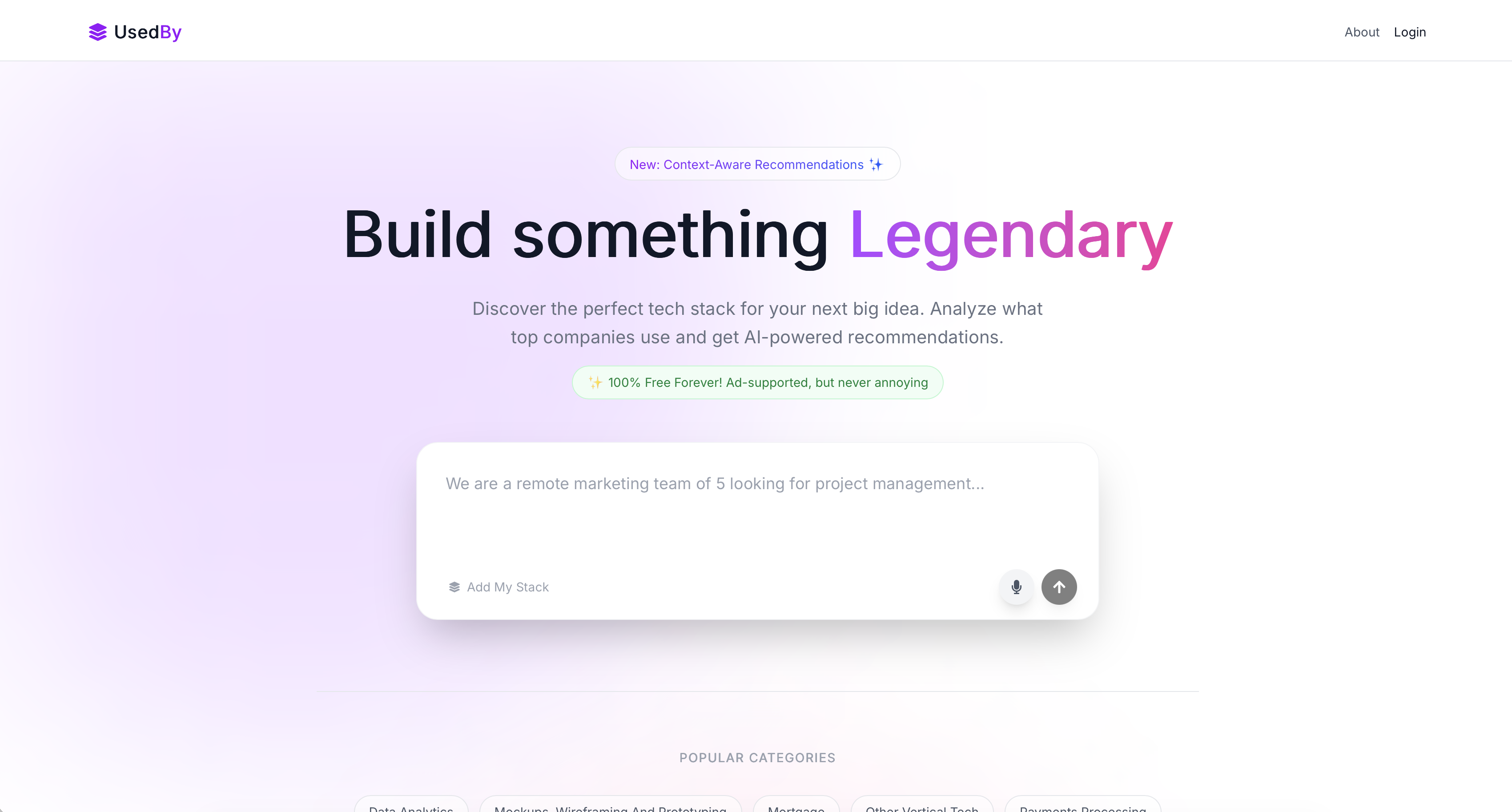
Popular Market Research AI tools include Atypica, Voicepanel, Trend Hunter AI, Encubatorr, UsedBy, iLuk, Prism, LaunchPad AI, Fast Research, and VCV8, helping you work more efficiently.

unsurvey
Freemium

unsurvey

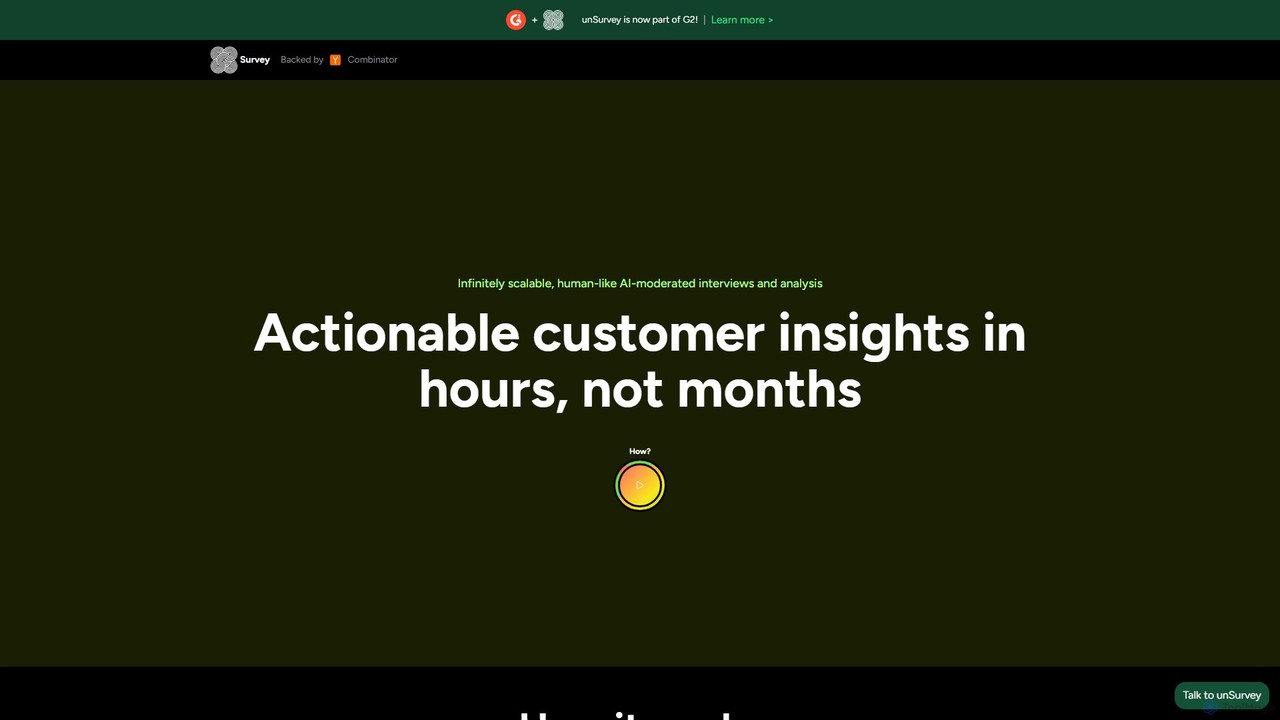
unsurvey is an AI-powered platform that replaces traditional surveys with dynamic, human-like conversational interviews. It enables businesses to gather deep, actionable customer insights in over 50 languages through voice, video, or text, delivering results in hours instead of months. It automates analysis, providing summaries, structured data, and visualizations.

Feedback Collection
Visits 5.9KFavorites 119Likes 139

About Market Research

AI Market Research tools are a class of platforms that leverage artificial intelligence to automate and enhance the process of gathering, analyzing, and interpreting market data. These tools utilize machine learning and natural language processing (NLP) to process vast datasets from sources like social media, customer reviews, and industry reports. They provide businesses with actionable insights into consumer behavior, competitive landscapes, and emerging trends, enabling faster and more data-driven decision-making. This approach significantly reduces the time and manual effort traditionally required for comprehensive market analysis.

Core Features

  • Sentiment Analysis: Automatically gauges the emotional tone (positive, negative, neutral) within text data like reviews or social media posts.
  • Trend Prediction: Identifies and forecasts emerging patterns and topics from large-scale data streams to anticipate market shifts.
  • Competitor Monitoring: Tracks competitors' activities, product launches, marketing campaigns, and customer feedback in real-time.
  • Audience Segmentation: Groups consumers into distinct segments based on demographics, behaviors, and psychographics discovered from data.

Use Cases

These tools are widely used by marketing teams to refine campaign strategies, product managers to validate new features, and business strategists to identify new market opportunities. For example, a CPG company can analyze online conversations to discover unmet consumer needs, while a tech startup can monitor competitor mentions to find strategic weaknesses.

How to Choose

When selecting an AI Market Research tool, consider the scope and quality of its data sources (e.g., social media, news, forums). Evaluate the depth of its analytical capabilities, such as sentiment accuracy and trend forecasting. Also, assess its data visualization features for ease of interpretation and its integration options with other business systems like CRM or BI platforms.

Featured tool rankings

Market Research use cases

1

Analyze Competitor Strategies and Product Positioning

A product manager at a software company uses an AI market research tool to continuously monitor key competitors. The tool aggregates and analyzes data from competitor websites, press releases, customer review sites, and social media. It automatically identifies changes in product features, pricing adjustments, and shifts in marketing messaging. By analyzing the sentiment of competitor's customer reviews, the manager can pinpoint common complaints and feature gaps, providing direct input for their own product roadmap and identifying strategic opportunities to differentiate their offering in the market.

2

Identify Emerging Consumer Trends for Marketing Campaigns

A marketing team for a fashion brand wants to create a campaign that resonates with Gen Z. They use an AI tool to analyze millions of recent posts on platforms like TikTok and Instagram. The tool's trend prediction feature identifies rising aesthetics, slang terms, and color palettes. It also segments the audience based on their engagement with different trends. This data allows the team to move beyond generic assumptions and build a highly relevant campaign, using the exact language and visual styles that are currently capturing their target audience's attention, leading to higher engagement rates.

3

Validate New Product Ideas with Real-World Data

A startup is developing a new productivity app and needs to validate its core concept before investing heavily in development. Instead of relying solely on surveys, they use an AI market research tool to analyze discussions in online forums and communities related to productivity. The tool identifies the most frequently mentioned pain points, desired features that current tools lack, and the language people use to describe their workflow challenges. This provides unbiased, unsolicited evidence of market demand, helping the startup refine its feature set and value proposition to align with genuine user needs.

4

Monitor Brand Health and Public Perception in Real-Time

A public relations team for a global airline uses an AI tool to monitor brand mentions across news sites, blogs, and social media 24/7. The tool's sentiment analysis instantly flags negative spikes in conversation, allowing the team to quickly identify and address customer service issues or PR crises before they escalate. It also tracks sentiment trends over time, providing a clear view of how marketing campaigns or policy changes impact public perception. This continuous feedback loop enables proactive reputation management rather than reactive damage control.

5

Create Data-Driven Customer Personas

A UX research team is tasked with updating their company's customer personas. Instead of manual interviews and surveys alone, they feed customer feedback from support tickets, app store reviews, and forum posts into an AI research tool. The tool clusters the unstructured text data into distinct audience segments based on recurring themes, pain points, and goals. It identifies key demographic and psychographic traits for each cluster, automatically generating detailed, data-backed personas. This process is faster and less biased than traditional methods, resulting in more accurate representations of the user base.

6

Inform Investment Decisions with Market Viability Analysis

A venture capital firm is evaluating a potential investment in a new B2B SaaS startup. They use an AI market research platform to analyze the target industry. The tool quantifies the volume of online conversation around the problem the startup aims to solve, identifies key competitors and their market share of voice, and analyzes sentiment towards existing solutions. The resulting report provides a data-driven assessment of market size, growth potential, and competitive intensity, helping the firm make a more informed, lower-risk investment decision.

Market Research FAQ

What are AI Market Research tools?

AI Market Research tools are software platforms that use artificial intelligence, particularly machine learning and natural language processing (NLP), to automatically collect and analyze public and private data. Unlike traditional methods that rely on surveys and focus groups, these tools analyze vast amounts of unstructured data from sources like social media, news articles, and customer reviews. Their primary function is to identify consumer trends, analyze sentiment, monitor competitors, and segment audiences to provide businesses with faster, more comprehensive market insights.

How to choose the right AI Market Research tool?

Choosing the right tool depends on your specific needs. Consider the following factors:

  • Data Sources: Ensure the tool covers the platforms and data types most relevant to your audience (e.g., TikTok for Gen Z, LinkedIn for B2B, industry forums for niche products).
  • Analytical Depth: Evaluate the sophistication of its features. Does it offer basic sentiment analysis, or can it identify complex themes, emotions, and purchase intent?
  • Ease of Use: Look for an intuitive interface and clear data visualizations (like dashboards and charts) that make it easy for your team to interpret insights without data science expertise.
  • Integration Capabilities: Check if it can connect with your existing tools, such as CRM, BI platforms, or social media management software, to create a unified data ecosystem.
What's the difference between AI Market Research and traditional survey tools?

The key difference lies in the source and nature of the data. Traditional survey tools (like SurveyMonkey) collect solicited, structured data by asking people direct questions. The insights are limited to the questions you ask and the people you can reach.

AI Market Research tools analyze unsolicited, unstructured data that already exists publicly (e.g., social media posts, reviews). This provides a more authentic, real-time view of what people truly think and say when they are not being prompted. AI tools discover insights you might not have known to ask about, offering a broader and often more candid perspective on the market.

What kind of data can AI Market Research tools analyze?

These tools are designed to process a wide variety of primarily text-based, unstructured data. Common data sources include:

  • Social Media: Posts, comments, and mentions from platforms like Twitter, Reddit, Instagram, and TikTok.
  • Customer Reviews: Feedback from e-commerce sites (like Amazon), app stores, and dedicated review platforms (like G2 or Yelp).
  • News & Blogs: Articles, press releases, and blog posts from millions of online publications.
  • Forums & Communities: Discussions from niche online communities and forums relevant to specific industries.
  • Internal Data: Some advanced tools can also analyze internal company data like customer support tickets, chat logs, and internal survey responses.
Is AI Market Research expensive?

The cost of AI Market Research tools can vary widely. Pricing often depends on factors like the volume of data analyzed (e.g., number of mentions per month), the number of user seats, and the complexity of the features included. Some tools offer entry-level plans suitable for small businesses or startups, while enterprise-grade platforms with advanced predictive analytics and extensive data sources can be a significant investment. Many providers offer tiered pricing models, allowing businesses to scale their usage as their needs grow. It's often more cost-effective than commissioning traditional market research studies for each new question.