Marketing Best in category 15 results Customer Relationship Management AI Tool

Popular AI tools in the Customer Relationship Management field of Marketing include Fullpath、SubscriptionFlow、Laxis、Tresl、deeto、reengage.app、GeekSight、Resonance、MailAgent.ai、Flowsell.ai, etc., helping you quickly improve efficiency.

LeadMaster

LeadMaster

LeadMaster is an AI-powered sales intelligence platform that revolutionizes your sales process. It automatically analyzes your leads before …

86
MailAgent.ai

MailAgent.ai

MailAgent.ai is an AI-powered email automation tool designed to enhance customer service for small and medium-sized businesses. It …

3.2K
Gift With Bear

Gift With Bear

An AI-powered gifting platform for individuals, teams, and enterprises. It simplifies corporate and personal gifting by offering personalized, …

355
Flowsell.ai

Flowsell.ai

Flowsell.ai is an AI-driven platform designed for barbershops to automate client rebooking and boost online reviews. It uses …

3.2K
Perks

Perks

Perks is an all-in-one rewards and appointment scheduling app for service-based businesses. It helps merchants boost customer retention …

1.1K
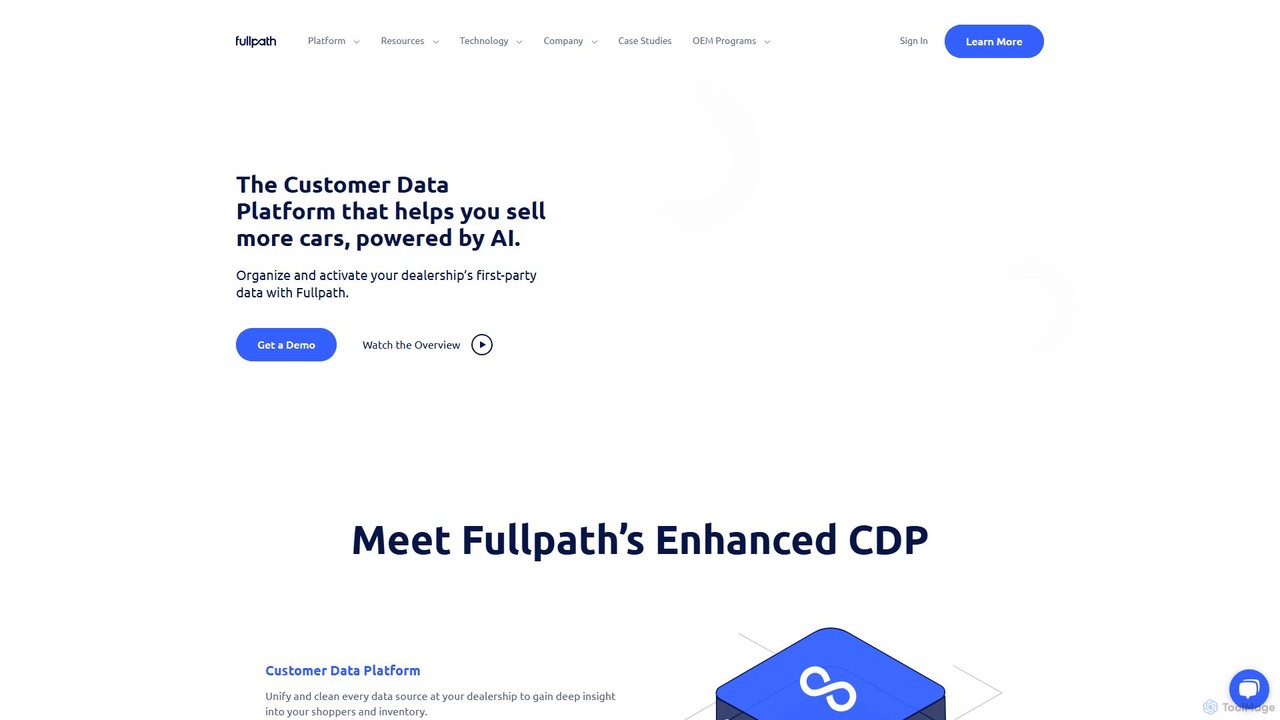
Fullpath

Fullpath

Fullpath is an AI-powered Customer Data Platform (CDP) designed specifically for the automotive industry. It helps car dealerships …

96.9K
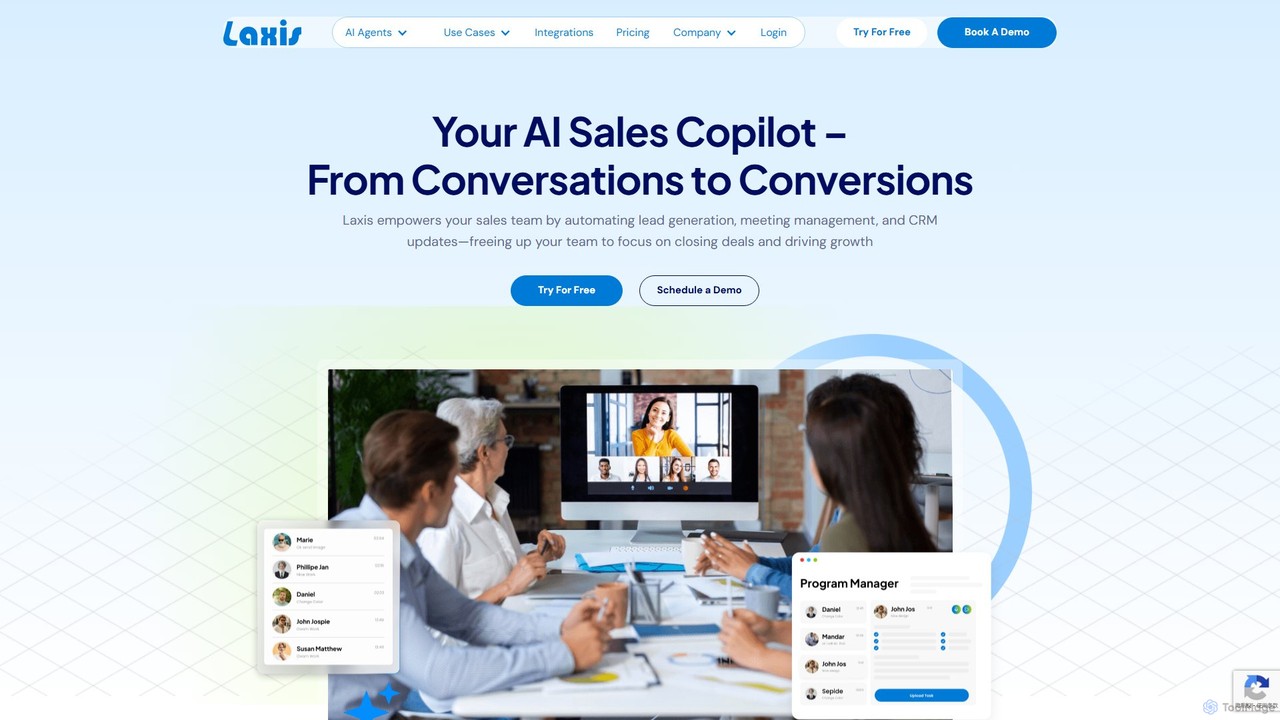
Laxis

Laxis

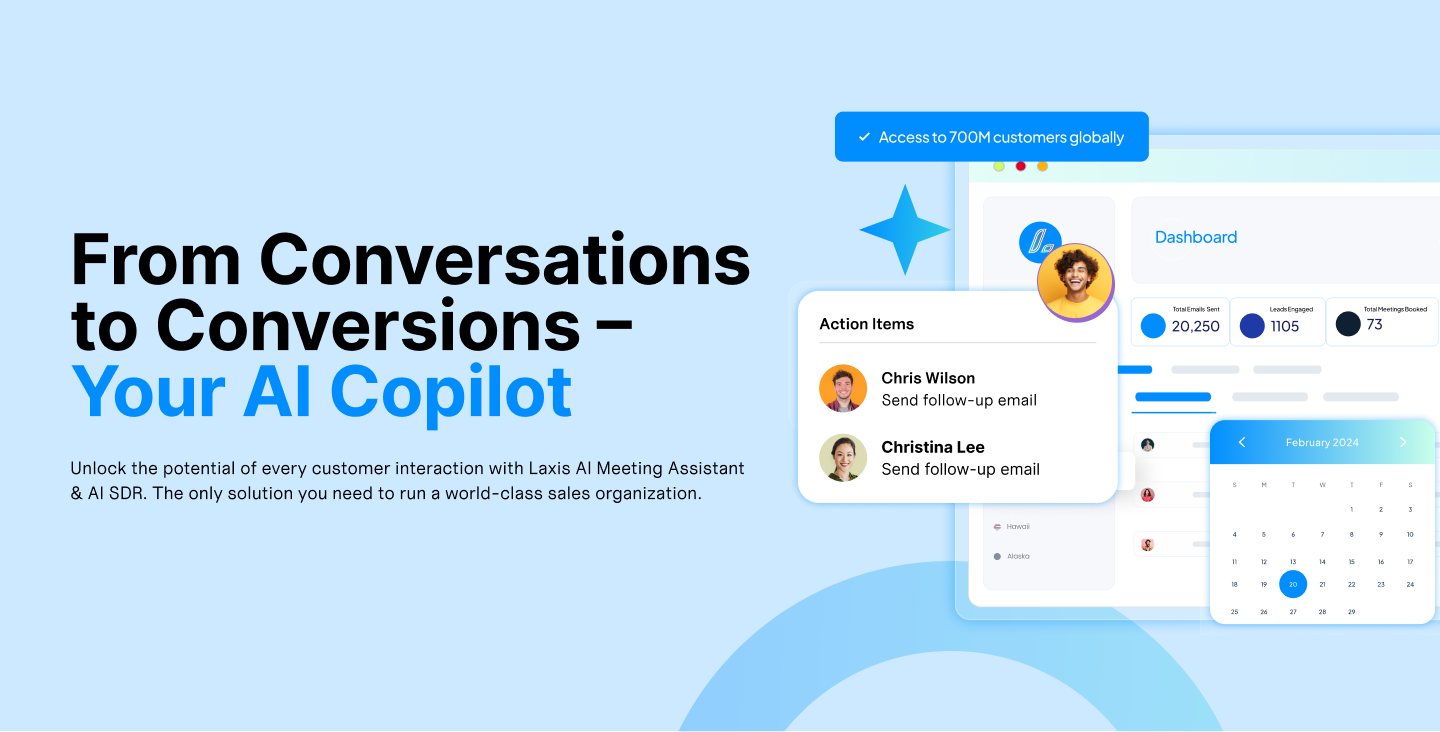
Laxis is an AI-powered sales copilot designed to streamline the entire sales workflow. It automates lead generation, provides …

19.9K
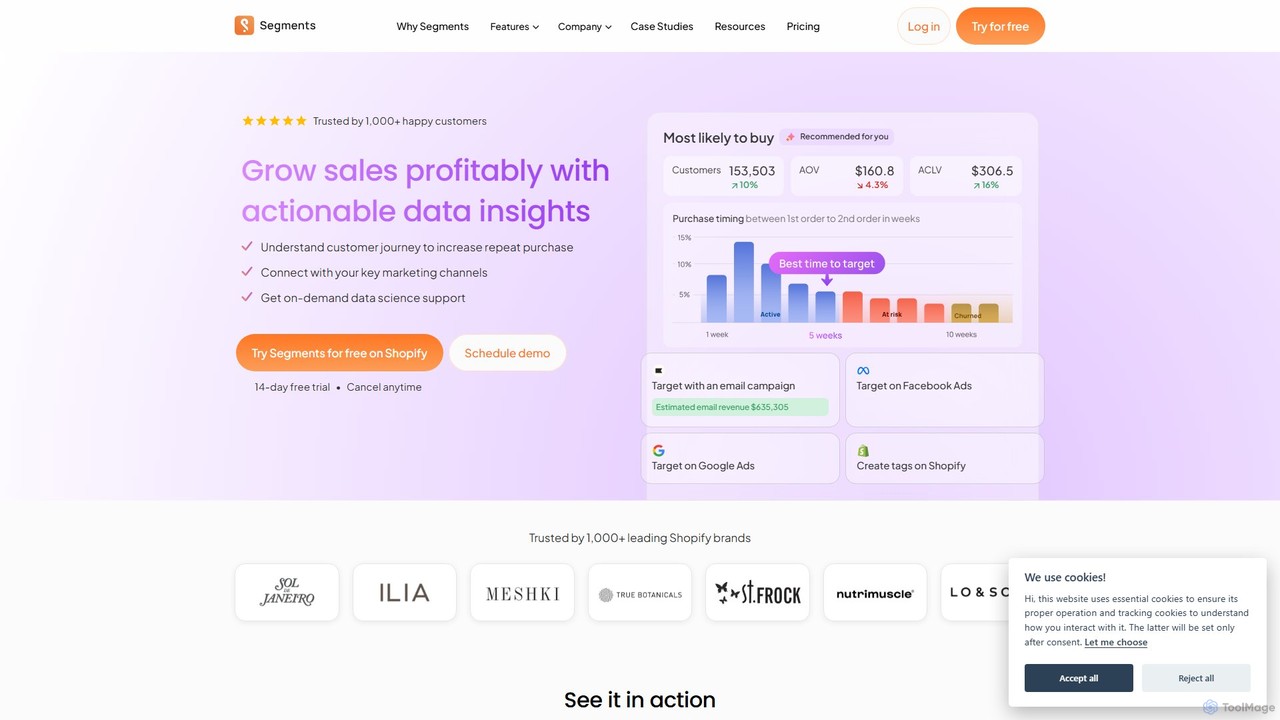
Tresl

Tresl

Tresl is an AI-powered customer segmentation and analytics platform for Shopify stores. It uses natural language processing (SegmentsGPT …

8.4K
Resonance

Resonance

Resonance is a no-code AI platform that acts as a universal add-on for your marketing tools. It enables …

3.2K
reengage.app

reengage.app

reengage.app is an AI-powered customer re-engagement platform designed to help businesses win back inactive users and recover lost …

6.1K
deeto

deeto

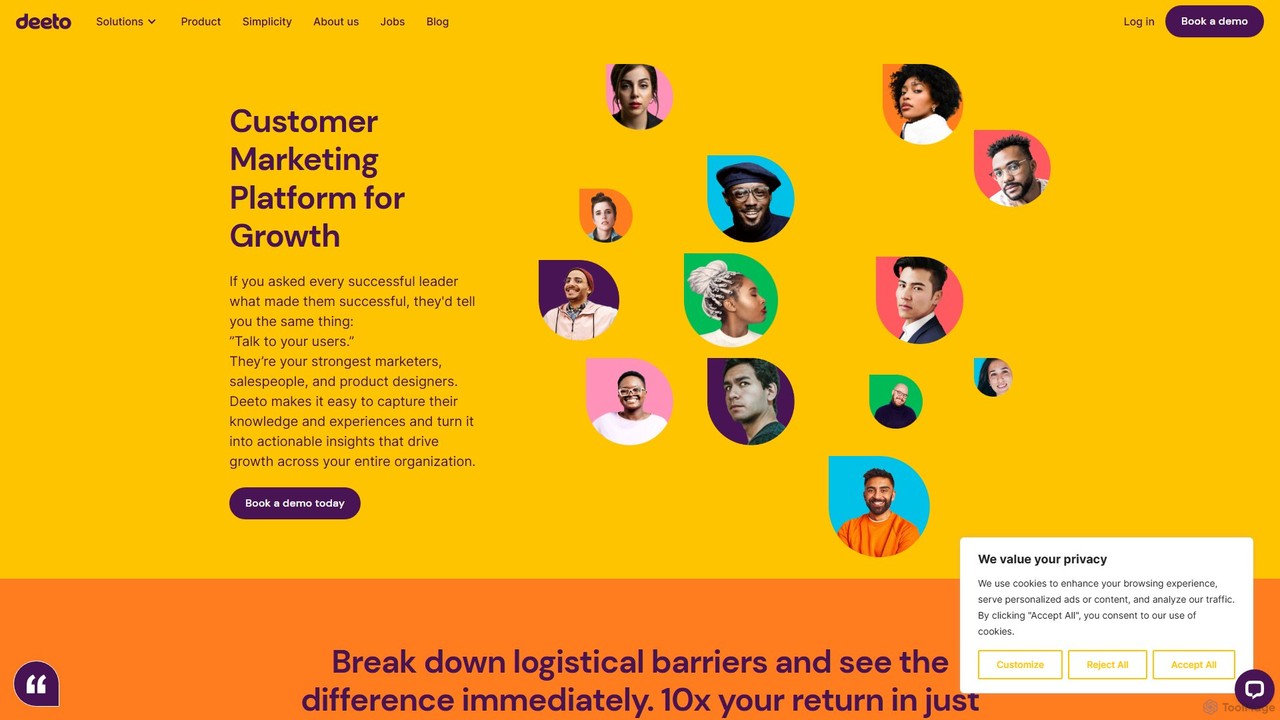
deeto is an AI-powered customer marketing platform designed to help businesses identify, engage, and mobilize their most passionate …

7.0K
Doerchat

Doerchat

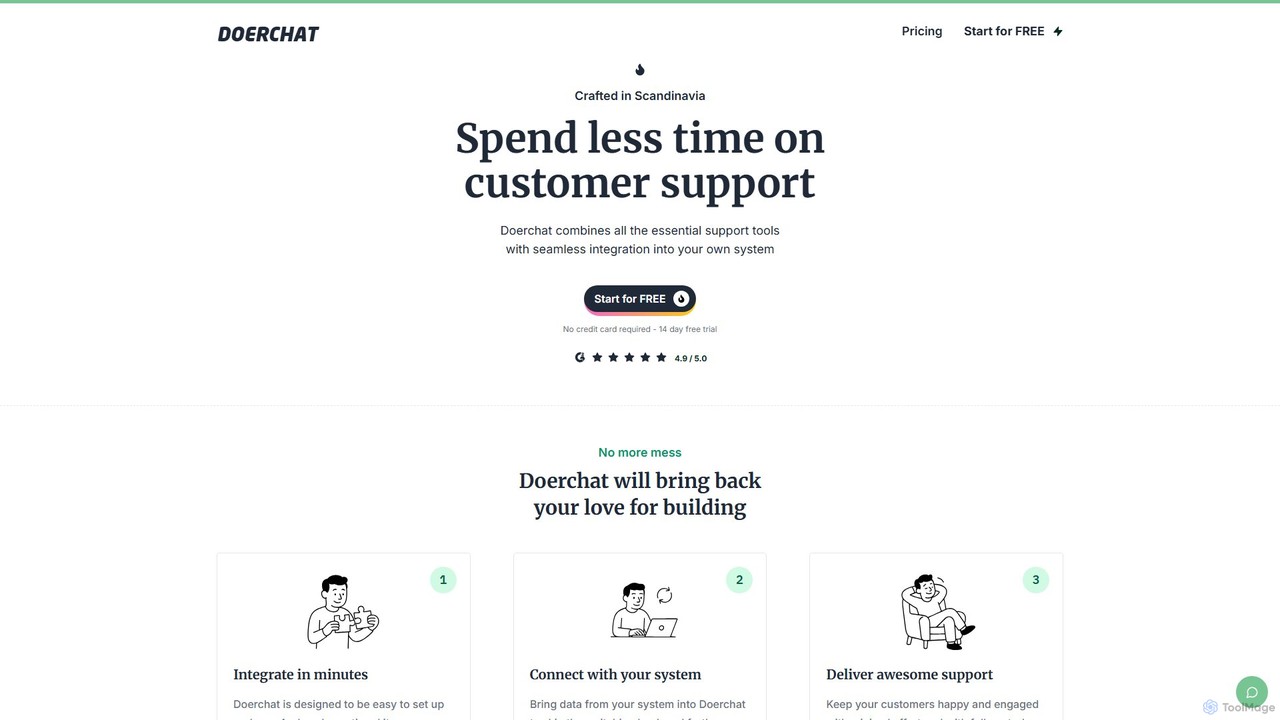
Doerchat is an all-in-one customer support platform designed for indie hackers and SaaS businesses. It combines live chat, …

3.2K
GeekSight

GeekSight

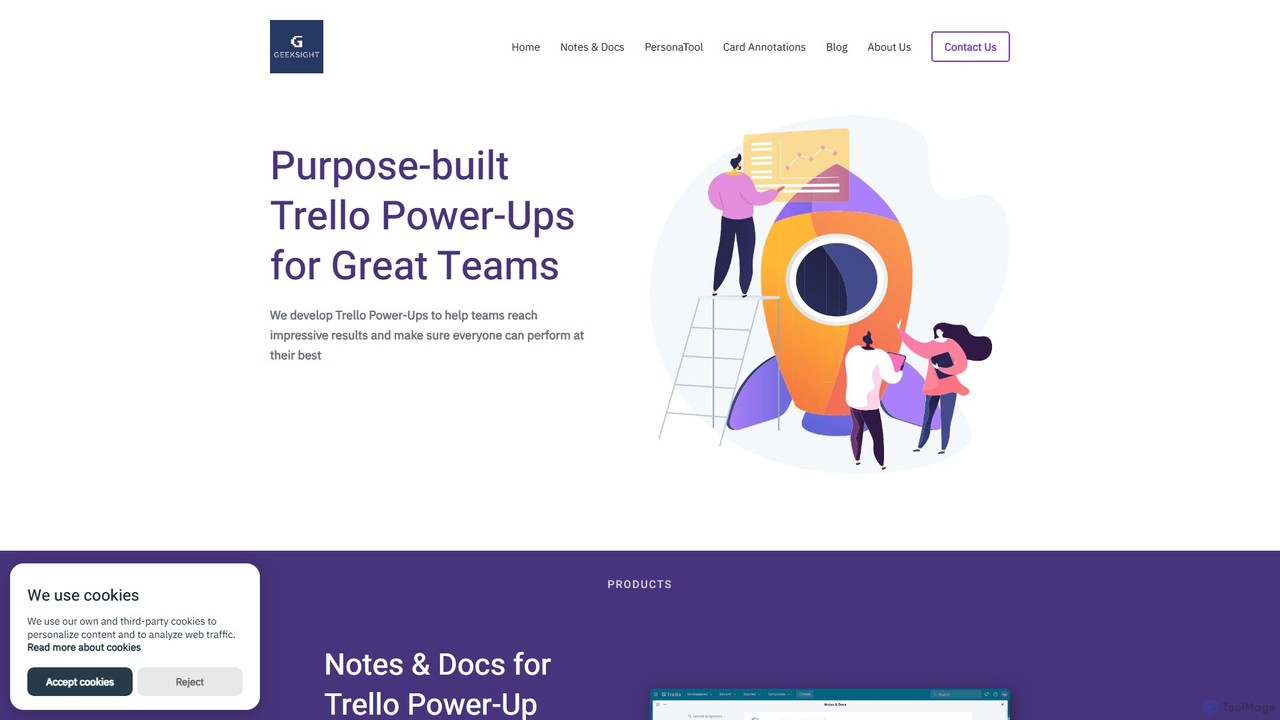
GeekSight develops specialized, AI-powered Trello Power-Ups designed to enhance team productivity and workflow management. Its products, including Notes …

4.5K
Coho AI

Coho AI

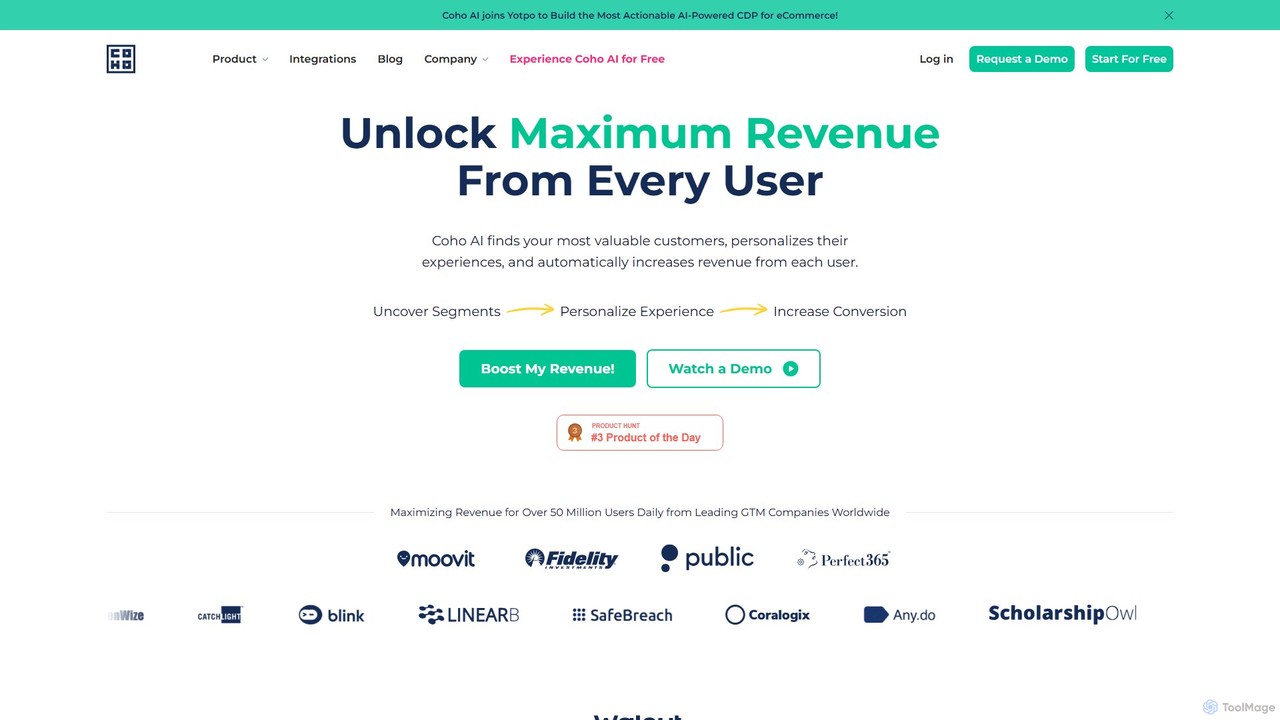
Coho AI is an AI-powered platform designed for SaaS companies to optimize the customer journey and enhance retention. …

97
SubscriptionFlow

SubscriptionFlow

An AI-powered subscription management platform designed to automate recurring billing, optimize payments, and reduce customer churn. It provides …

30.2K

About Customer Relationship Management

AI Customer Relationship Management (CRM) tools are platforms that use artificial intelligence to automate and optimize interactions with customers. They employ machine learning algorithms to analyze vast amounts of customer data, predict behaviors, and personalize communication at scale. This enables businesses to build stronger relationships, improve sales forecasting accuracy, and deliver proactive customer service. As a key component of a modern marketing stack, AI CRMs transform raw data into actionable intelligence, providing predictive insights that traditional systems cannot.

Core Features

  • Predictive Lead Scoring: Automatically analyzes and scores leads based on their likelihood to convert, helping sales teams prioritize efforts.
  • Sentiment Analysis: Gauges customer emotions and opinions from emails, calls, and social media to understand satisfaction and intent.
  • Automated Data Entry: Intelligently captures and logs customer interaction data from various channels, reducing manual administrative work.
  • AI-Powered Forecasting: Uses historical data and predictive models to generate more accurate sales and revenue forecasts.
  • Next-Best-Action Recommendations: Provides intelligent suggestions to sales and service agents on the most effective next steps for each customer.

Use Cases

AI CRMs are widely used by sales, marketing, and customer service teams across various industries like SaaS, e-commerce, and finance. For instance, a sales team can use it to focus on high-value leads, while a marketing team can automate personalized email campaigns based on predicted customer interests. Customer support can leverage it to anticipate issues and provide proactive solutions.

How to Choose

When selecting an AI CRM, consider the quality of its predictive analytics and the specific AI features offered, such as lead scoring or sentiment analysis. Evaluate its integration capabilities with your existing marketing and sales tools. Also, assess the ease of use for your team and whether the pricing model aligns with your business growth and data volume. The level of automation should match your operational needs.

Customer Relationship ManagementUse Cases

1

Automating Lead Qualification and Prioritization

A sales team at a B2B software company uses an AI CRM to manage a high volume of inbound leads. The AI automatically analyzes each lead's firmographic data, website behavior, and email engagement. It then assigns a predictive score, instantly flagging high-potential leads for immediate follow-up by senior sales reps, while routing lower-scored leads to an automated nurturing sequence. This process reduces manual sorting time by over 70% and increases the conversion rate of top-tier leads by focusing human effort where it matters most.

2

Enhancing Customer Support with Sentiment Analysis

A customer support team for an e-commerce brand integrates their AI CRM with their helpdesk software. The system's sentiment analysis feature scans all incoming support tickets and live chats in real-time. It automatically flags messages with negative sentiment (e.g., frustration, anger) and escalates them to a specialized resolution team. This proactive approach allows the company to address critical customer issues before they escalate, improving customer satisfaction scores and reducing churn by identifying at-risk customers early.

3

Generating Accurate Sales Forecasts

A sales manager at a financial services firm uses the AI CRM's forecasting module to predict quarterly revenue. The AI analyzes historical sales data, deal progression rates, seasonality, and even macroeconomic indicators. It generates a more accurate forecast than traditional spreadsheet-based methods, providing a probability-weighted revenue range. This allows the manager to set realistic targets, allocate resources more effectively, and provide senior leadership with a reliable outlook on business performance, improving strategic planning.

4

Personalizing Marketing Campaigns at Scale

A marketing team for an online retailer uses their AI CRM to create highly personalized email campaigns. The AI segments the customer base not just on demographics, but on predicted future purchase behavior and lifetime value. It then suggests specific products and promotional offers for each segment. The system can even optimize email send times for individual recipients based on their past engagement patterns, leading to significantly higher open rates and click-through rates compared to generic batch-and-blast campaigns.

5

Automating Routine Sales Activities

A field sales representative uses their mobile AI CRM to reduce administrative tasks. After a client meeting, they use voice commands to log meeting notes, and the AI automatically transcribes the audio, summarizes key points, and creates follow-up tasks. The CRM also automates data entry by capturing contact information from email signatures and LinkedIn profiles. This automation frees up the representative's time, allowing them to focus more on building relationships and closing deals rather than on manual data input.

6

Identifying Customer Churn Risks Proactively

A subscription-based service provider uses its AI CRM to predict and reduce customer churn. The AI model continuously analyzes customer usage patterns, support ticket history, and engagement levels. It identifies accounts exhibiting behaviors that correlate with churn, such as a sudden drop in activity or an increase in support complaints. The system then automatically creates a task for a customer success manager to reach out to these at-risk customers with a personalized retention offer, significantly lowering the overall churn rate.

Customer Relationship ManagementFrequently Asked Questions