Featdrop
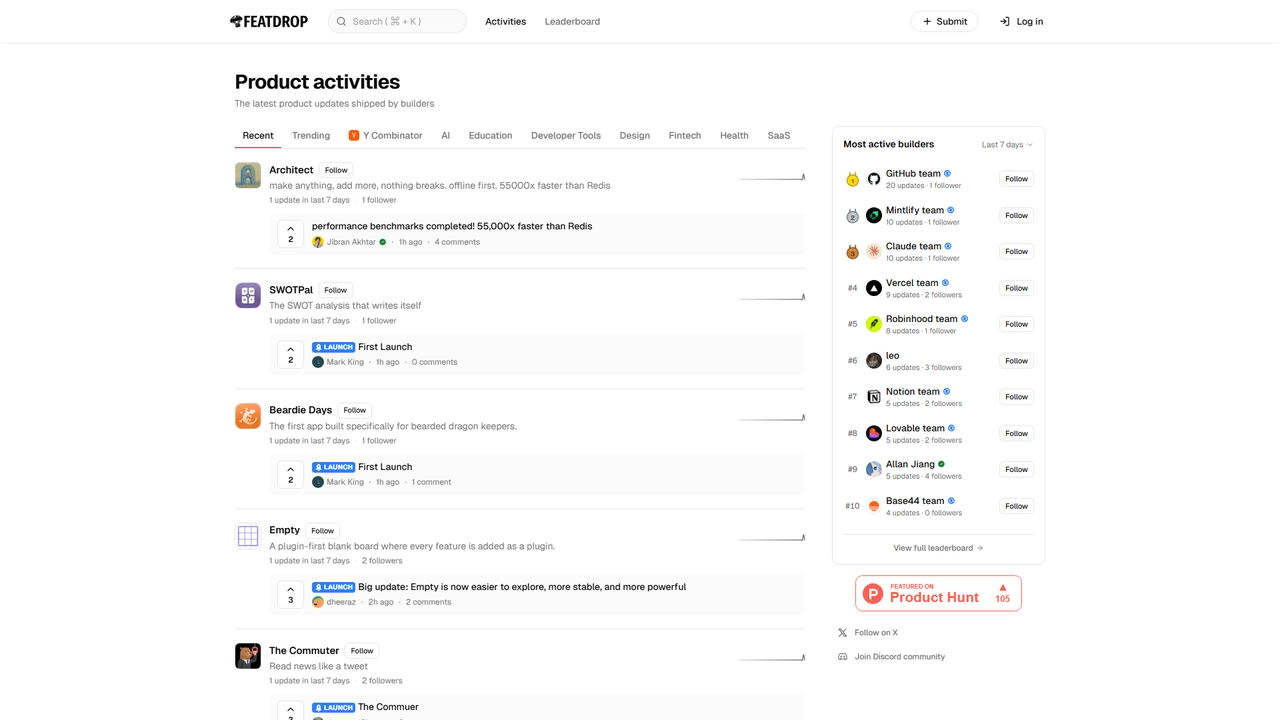
Featdrop is a community platform for product builders and developers to share and discover the latest product updates, …
Featdrop is a community platform for product builders and developers to share and discover the latest product updates, feature launches, and changelogs. It aggregates real-time updates from a wide range of tech products, enabling users to stay informed about industry trends and competitor movements.
Userflow
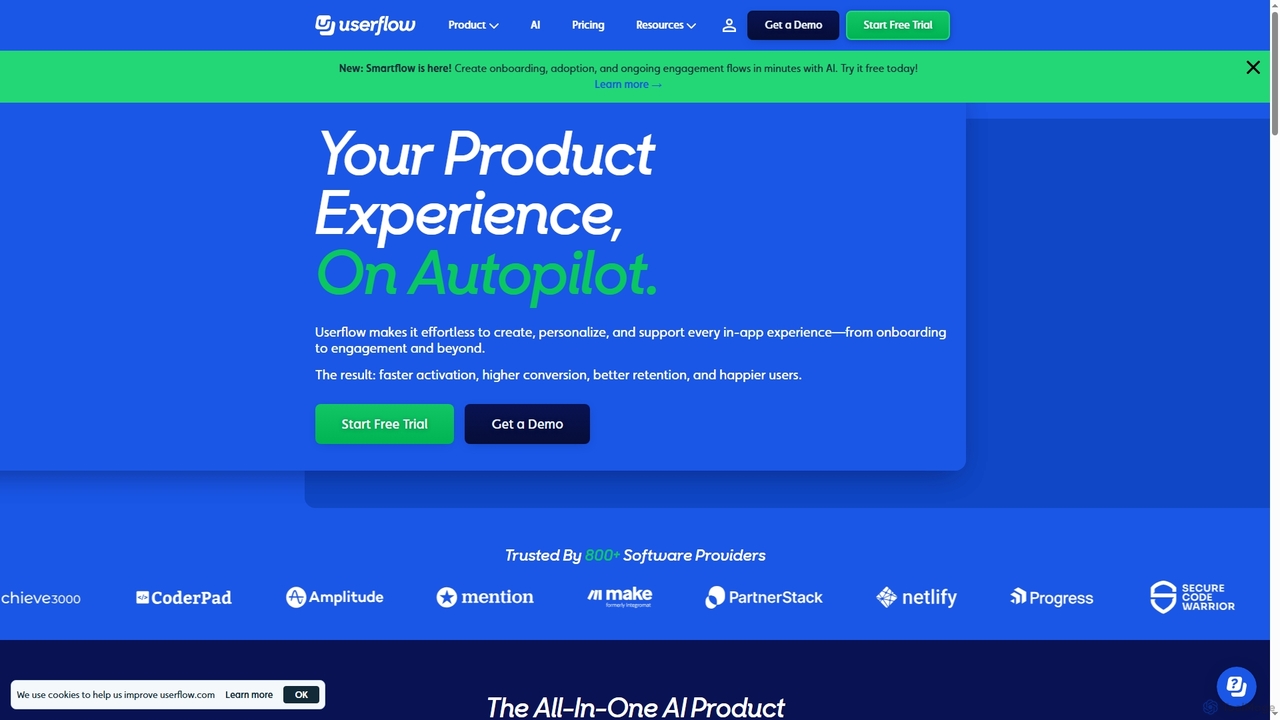
Userflow is an AI-powered, no-code platform for building in-app user onboarding, product tours, and surveys. It helps SaaS …
Userflow is an AI-powered, no-code platform for building in-app user onboarding, product tours, and surveys. It helps SaaS companies increase product adoption, engage users with new features, and reduce customer churn through interactive guidance.

DorisLabs
DorisLabs is an AI meeting intelligence platform designed to transform customer conversations into actionable insights and repeatable playbooks. …
DorisLabs is an AI meeting intelligence platform designed to transform customer conversations into actionable insights and repeatable playbooks. It helps sales, customer success, and revenue operations teams enhance performance, accelerate ramp-up times, and reduce administrative overhead by automating post-meeting tasks and providing critical context for every interaction.
Tight Studio
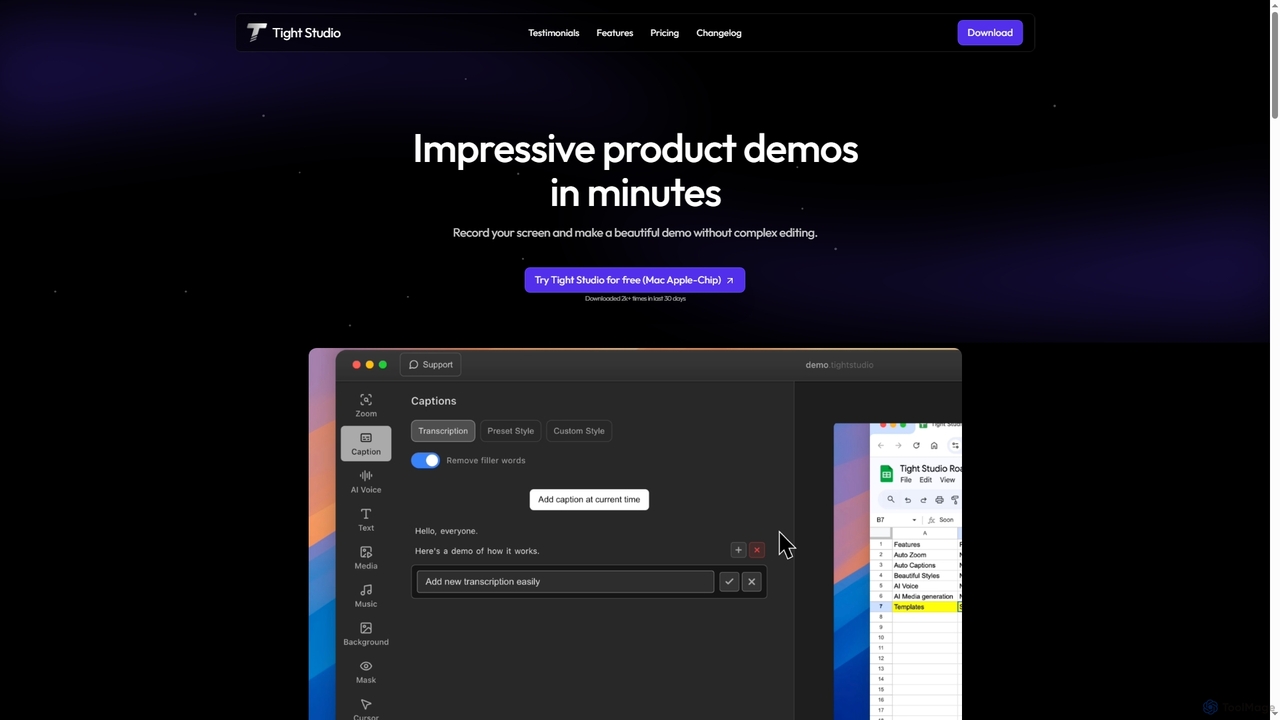
Tight Studio is an AI-powered screen recording and video editing application for Mac, designed to create professional product …
Tight Studio is an AI-powered screen recording and video editing application for Mac, designed to create professional product demos and tutorials in minutes. It features smart zoom, automatic captions, AI narration, and an intuitive editor, enabling users without editing skills to produce high-quality, engaging videos effortlessly.

Hexus
Hexus is an AI-powered platform that enables teams to create, centralize, and optimize product content like interactive demos, …
Hexus is an AI-powered platform that enables teams to create, centralize, and optimize product content like interactive demos, videos, and guides in minutes. It empowers marketing, sales, and success teams to craft compelling product stories without any coding, streamlining content creation and boosting user engagement.

Guidejar
Guidejar is an AI-powered platform that automatically creates step-by-step guides, interactive product demos, and video tutorials. Simply record …
Guidejar is an AI-powered platform that automatically creates step-by-step guides, interactive product demos, and video tutorials. Simply record your workflow, and Guidejar transforms it into polished, shareable content with AI voiceovers and multi-language translation, saving you hours of manual work.
Hexus
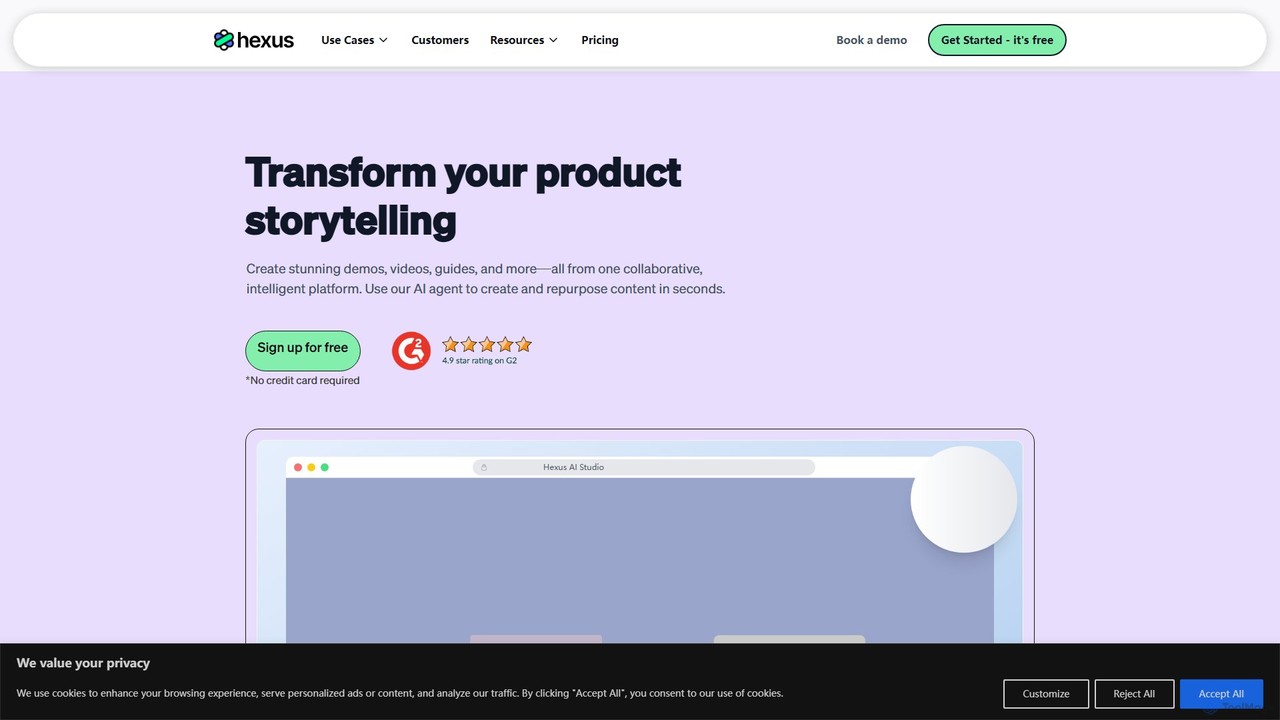
Hexus is an AI-powered platform that enables teams to create interactive product demos, videos, and guides in minutes. …
Hexus is an AI-powered platform that enables teams to create interactive product demos, videos, and guides in minutes. It automates content creation with AI-generated scripts, voiceovers, and avatars, helping marketing, sales, and customer success teams to showcase products effectively, improve user onboarding, and accelerate conversions.
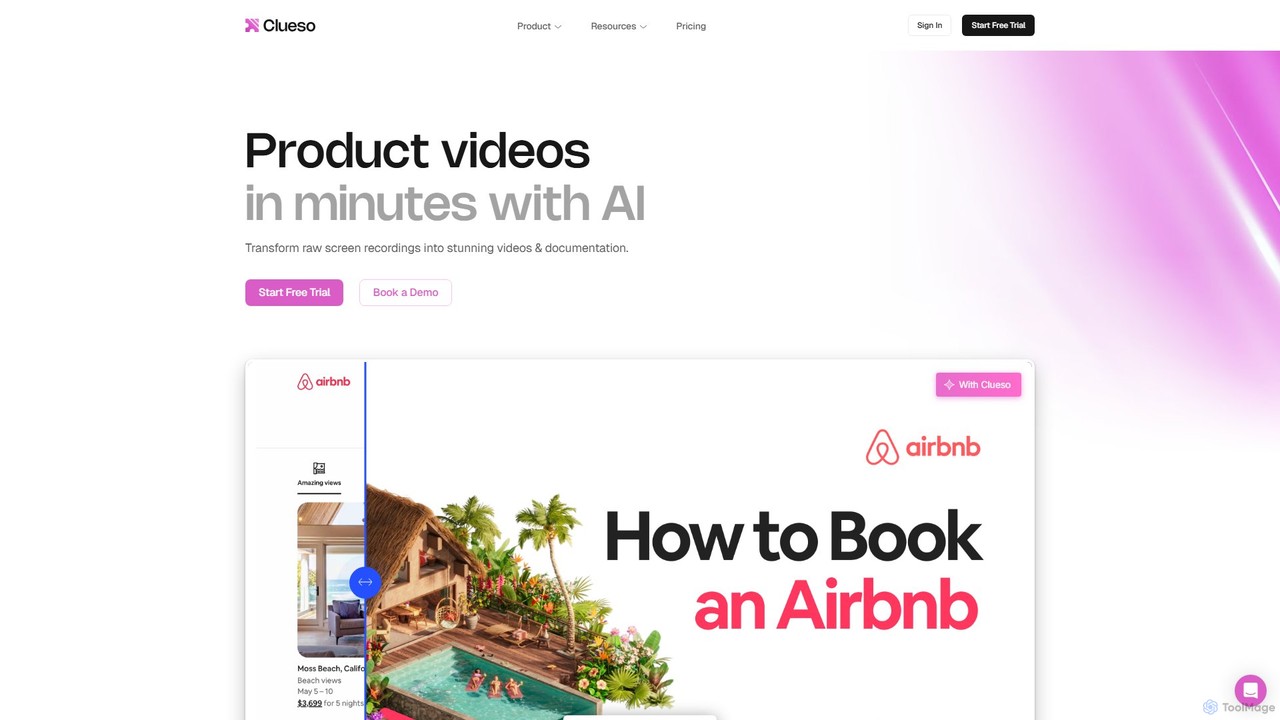
Clueso
Clueso is an AI-powered platform that transforms raw screen recordings into polished product videos and step-by-step documentation in …
Clueso is an AI-powered platform that transforms raw screen recordings into polished product videos and step-by-step documentation in minutes. It automates scriptwriting, voiceovers, editing, and translation to help teams create high-quality training and marketing content at scale.
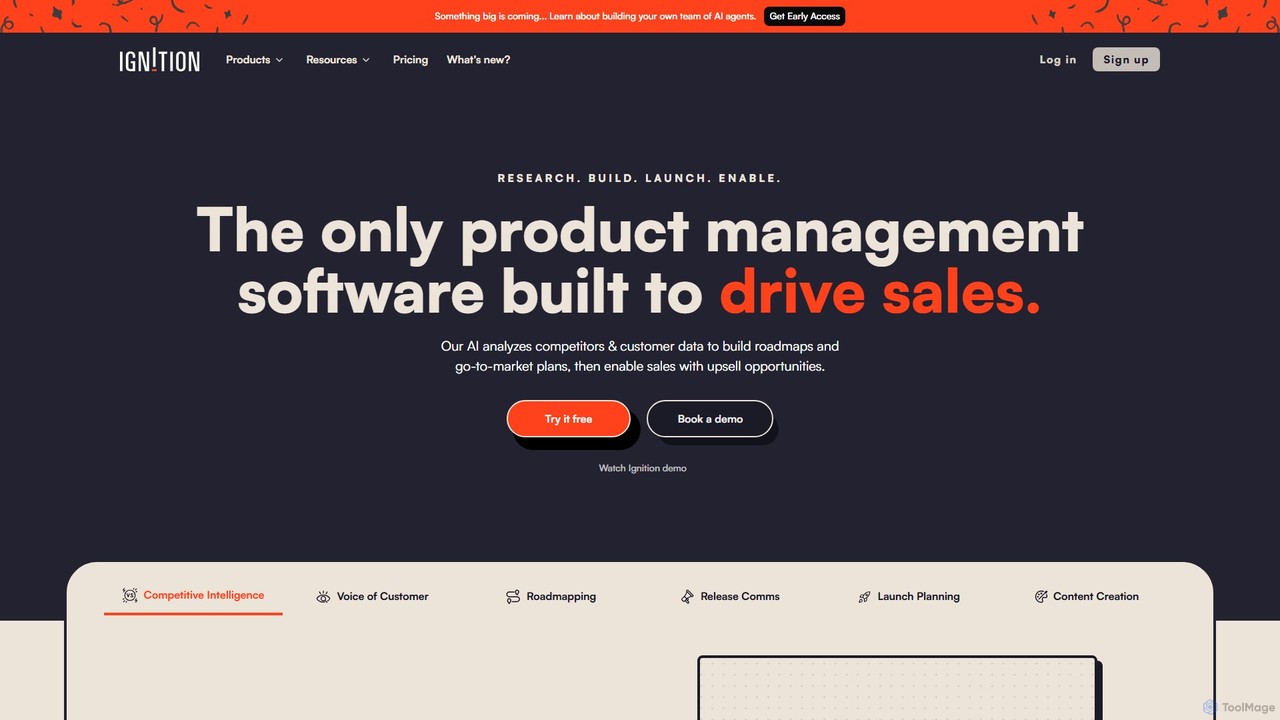
haveignition
haveignition is an AI-powered platform designed for product management and product marketing teams. It unifies the entire go-to-market …
haveignition is an AI-powered platform designed for product management and product marketing teams. It unifies the entire go-to-market (GTM) process, from competitive intelligence and roadmapping to launch campaigns and performance measurement. By providing tools for research, planning, AI copywriting, and collaboration, haveignition helps teams align their strategies, accelerate product launches, and drive business growth. It offers a suite of modular products and free tools to streamline workflows.
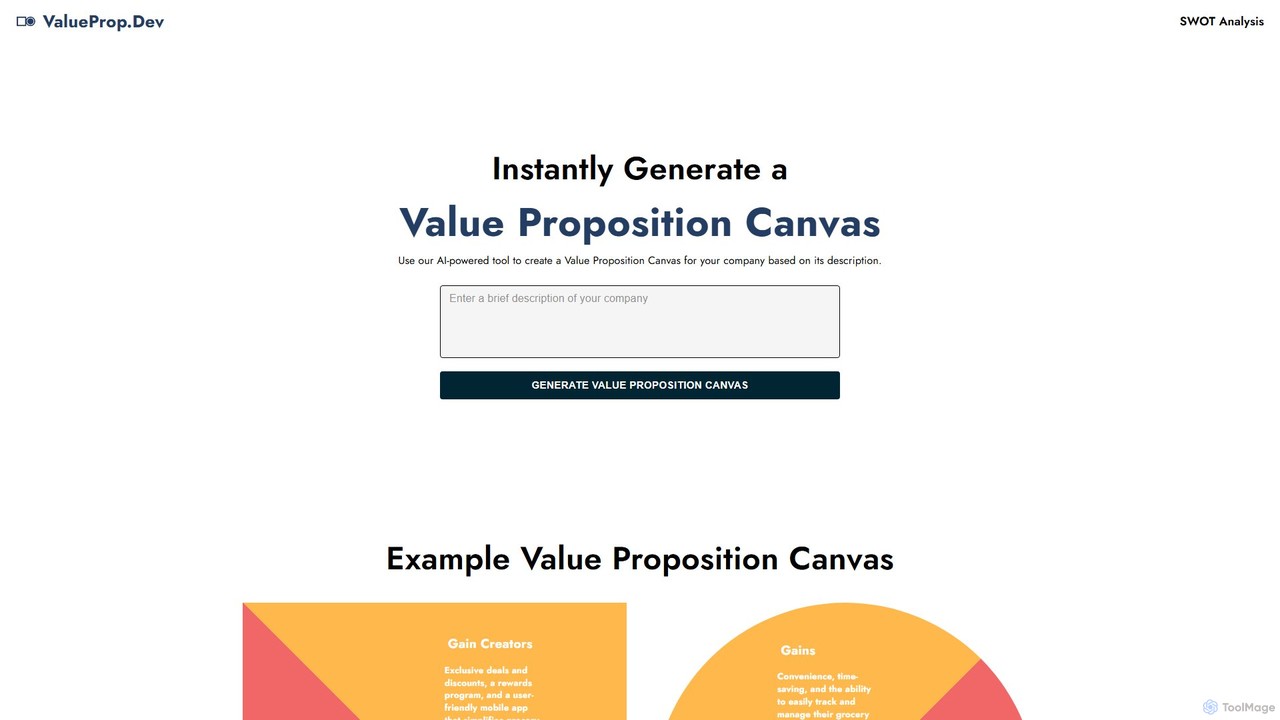
valueprop
An AI-powered tool that instantly generates a comprehensive Value Proposition Canvas from a simple company description. Ideal for …
An AI-powered tool that instantly generates a comprehensive Value Proposition Canvas from a simple company description. Ideal for startups, marketers, and product managers to align product value with customer needs.
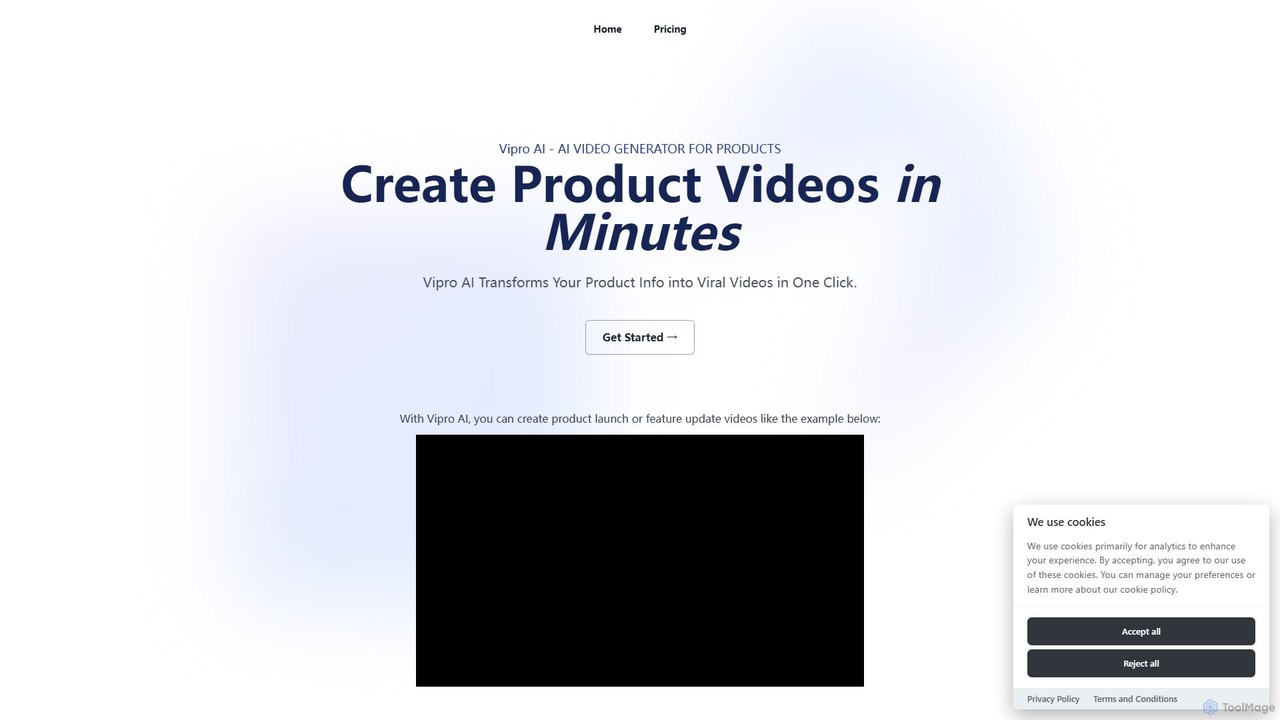
Vipro AI
Vipro AI is an AI-powered video generator that transforms product information, descriptions, and screenshots into engaging promotional videos …
Vipro AI is an AI-powered video generator that transforms product information, descriptions, and screenshots into engaging promotional videos in minutes. It's designed for marketers, e-commerce businesses, and SaaS companies to effortlessly create high-quality product launch, feature update, and marketing videos without needing any video editing skills.
About Product Marketing
AI Product Marketing tools are specialized platforms designed to automate and enhance the process of bringing a product to market. These tools leverage AI to analyze market data, competitor strategies, and customer feedback to generate strategic insights. They help teams define product positioning, create compelling messaging, and build effective go-to-market (GTM) plans. This data-driven approach ensures that marketing efforts are aligned with both the product's core value and the target audience's needs, accelerating market adoption.
Core Features
- Competitive Intelligence: Automatically tracks and analyzes competitors' product features, pricing, and marketing campaigns to identify market opportunities and threats.
- User Persona Generation: Processes user data from surveys, interviews, and analytics to create detailed, data-driven buyer personas and ideal customer profiles (ICPs).
- Messaging & Positioning: Generates value propositions, feature-benefit statements, and key messaging frameworks that resonate with specific audience segments.
- Go-to-Market (GTM) Strategy: Assists in creating structured launch plans, suggesting optimal marketing channels, and outlining promotional activities.
- Sales Enablement Content: Creates materials like sales decks, battle cards, and product one-pagers to equip sales teams with consistent and effective information.
Applicable Scenarios
These tools are primarily used by Product Marketing Managers (PMMs), Product Managers, and startup founders. They are essential during new product launches, for repositioning an existing product, or when entering a new market segment. For instance, a SaaS company can use these tools to craft targeted messaging for a new feature release, ensuring it directly addresses the pain points of a specific user persona.
Selection Criteria
When choosing an AI Product Marketing tool, consider the depth of its analytical capabilities, particularly for competitive and customer research. Evaluate the quality and customizability of the generated content, such as personas and messaging. Assess its integration capabilities with other tools like CRMs and project management software. Finally, consider if the tool's workflow aligns with your team's existing GTM processes and planning cycles.
Product MarketingUse Cases
Automate Competitive Landscape Analysis
A Product Marketing Manager (PMM) at a B2B software company needs to stay ahead of three key competitors. Instead of spending hours each week manually checking websites, social media, and review platforms, they use an AI tool. The tool continuously monitors competitors' online presence, automatically generating a weekly digest that highlights new feature announcements, pricing changes, and shifts in customer sentiment. This allows the PMM to save over 5 hours of manual research per week and proactively adjust their own product's positioning and sales talking points.
Generate Data-Driven Buyer Personas
A startup is preparing to launch its first product and needs to define its target audience. The team uploads 50 customer interview transcripts and 200 survey responses into an AI product marketing tool. The AI analyzes the unstructured text data, identifies recurring themes, pain points, and goals. Within minutes, it generates three distinct, detailed buyer personas, complete with demographic information, motivations, challenges, and suggested messaging angles. This provides the entire company with a clear, unified understanding of their customer, guiding both product development and marketing campaigns.
Develop a Go-to-Market (GTM) Launch Plan
A product team is launching a major new feature for their project management software. Using an AI GTM planner, they input the feature details, target audience (based on their AI-generated personas), and launch goals. The tool generates a comprehensive GTM checklist, broken down into pre-launch, launch day, and post-launch phases. It suggests specific activities like creating a landing page, writing a blog post, preparing an email sequence for existing users, and drafting social media announcements. This structured plan ensures no critical steps are missed and aligns the entire team around a single, actionable strategy.
Craft Consistent Product Messaging and Positioning
A company finds that its sales and marketing teams are describing their product differently, causing customer confusion. They use an AI tool to create a central messaging and positioning framework. By inputting product documentation and customer feedback, the AI generates a clear value proposition, key benefit statements for different personas, and a consistent tone of voice. This framework is then used to generate website copy, ad headlines, and sales scripts, ensuring that every customer touchpoint communicates a unified and compelling message about the product's value.
Generate Sales Enablement Battle Cards
A sales team frequently struggles when prospects bring up a major competitor. To better equip them, a PMM uses an AI tool to create competitive battle cards. The tool analyzes public data on the competitor's product, including customer reviews highlighting weaknesses. It then compares these points to their own product's strengths and generates a concise battle card. The card includes sections like 'If they say X, you say Y', key differentiators, and proof points. This empowers the sales team to handle objections confidently and articulate their product's unique value more effectively during calls.
Analyze User Feedback for Product Positioning
A product manager wants to understand how users perceive their product's value compared to what the marketing materials claim. They feed hundreds of app store reviews, support tickets, and social media comments into an AI analysis tool. The AI performs sentiment analysis and topic modeling, revealing that users most value a specific feature that is currently under-marketed. Based on this insight, the product marketing team revises the website's homepage to feature this beloved functionality more prominently, leading to a measurable increase in new user sign-ups who cite that feature as their primary reason for joining.