News Best in category 8 results Information Aggregator AI Tool

Popular AI tools in the Information Aggregator field of News include Swipe Insight、Matter、Summate、Jyst AI、asknews、Podsift、protime、Koffy, etc., helping you quickly improve efficiency.

Free
Jyst AI

Jyst AI

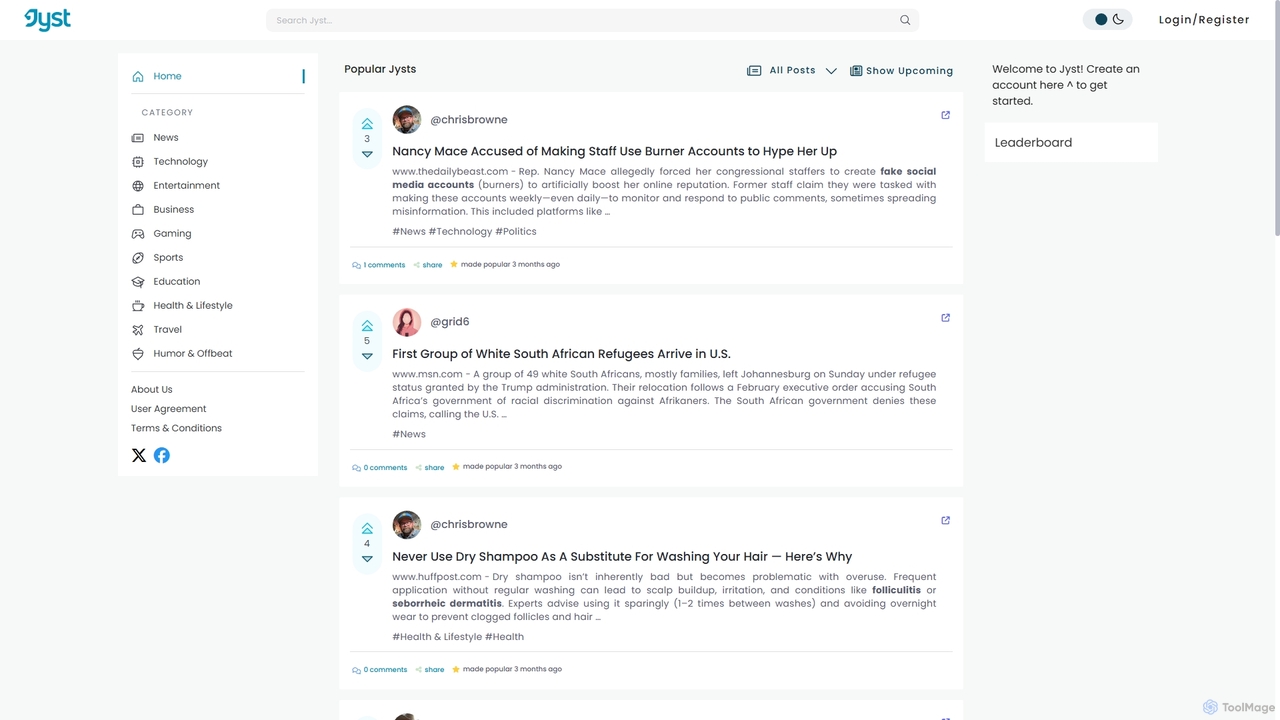
Jyst AI is an intelligent platform that combines AI-powered summarization with a community-driven discovery system. It distills articles, …

3.2K
Summate

Summate

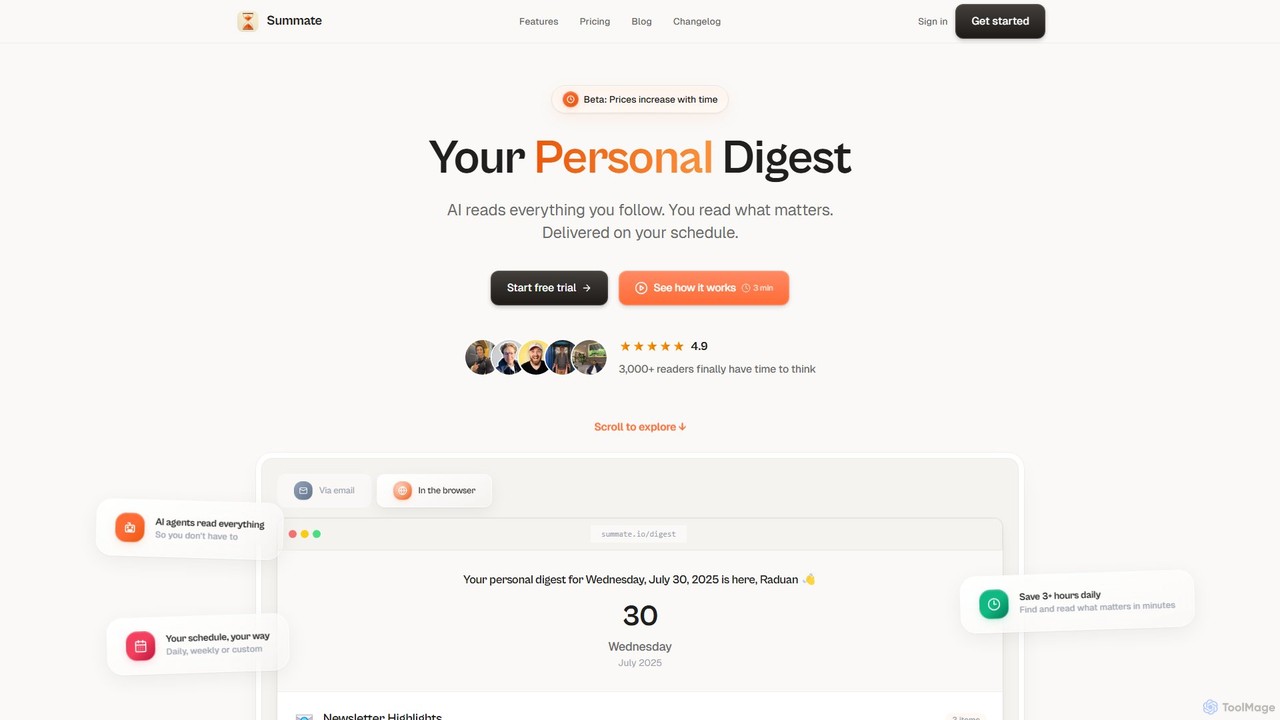
Summate is your personal AI digest service that transforms information overload into clarity. It aggregates content from your …

11.0K
Free
Podsift

Podsift

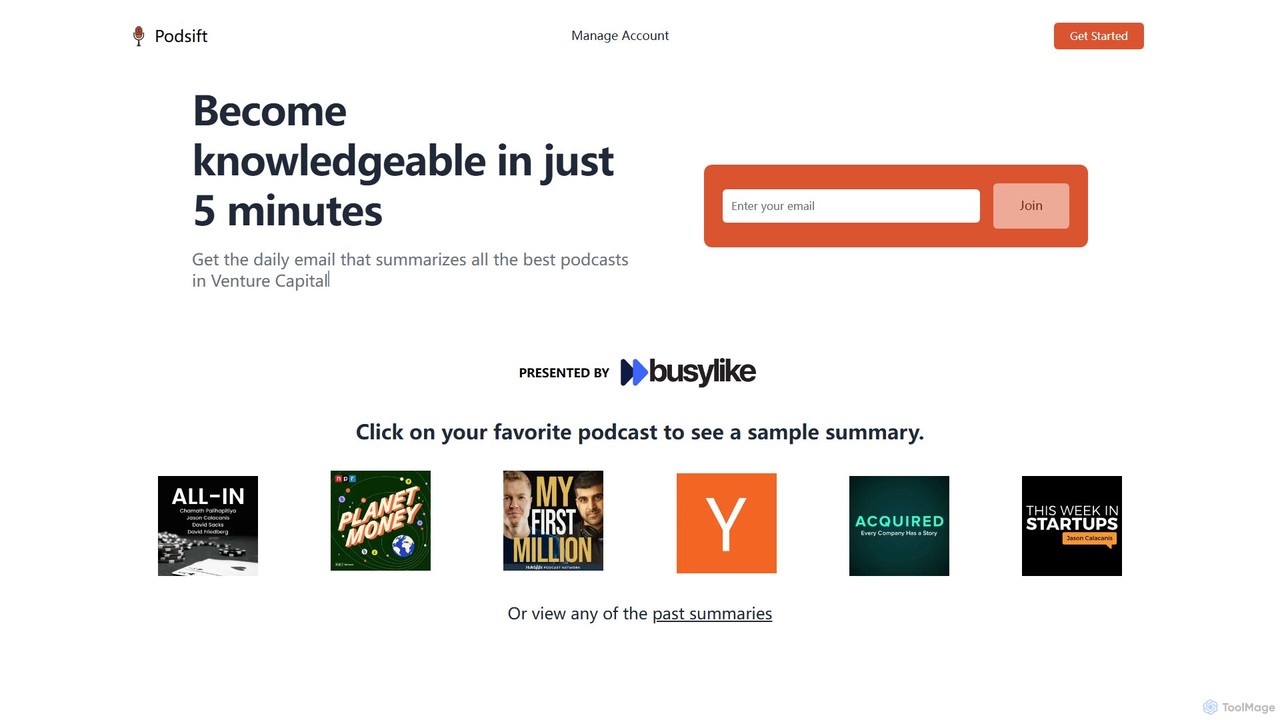
Podsift is a free, AI-powered service that delivers concise summaries of top technology and startup podcasts directly to …

3.1K
Koffy

Koffy

Koffy is an AI-powered platform delivering daily, summarized crypto news and market intelligence. It uses AI to analyze …

3.0K
Swipe Insight

Swipe Insight

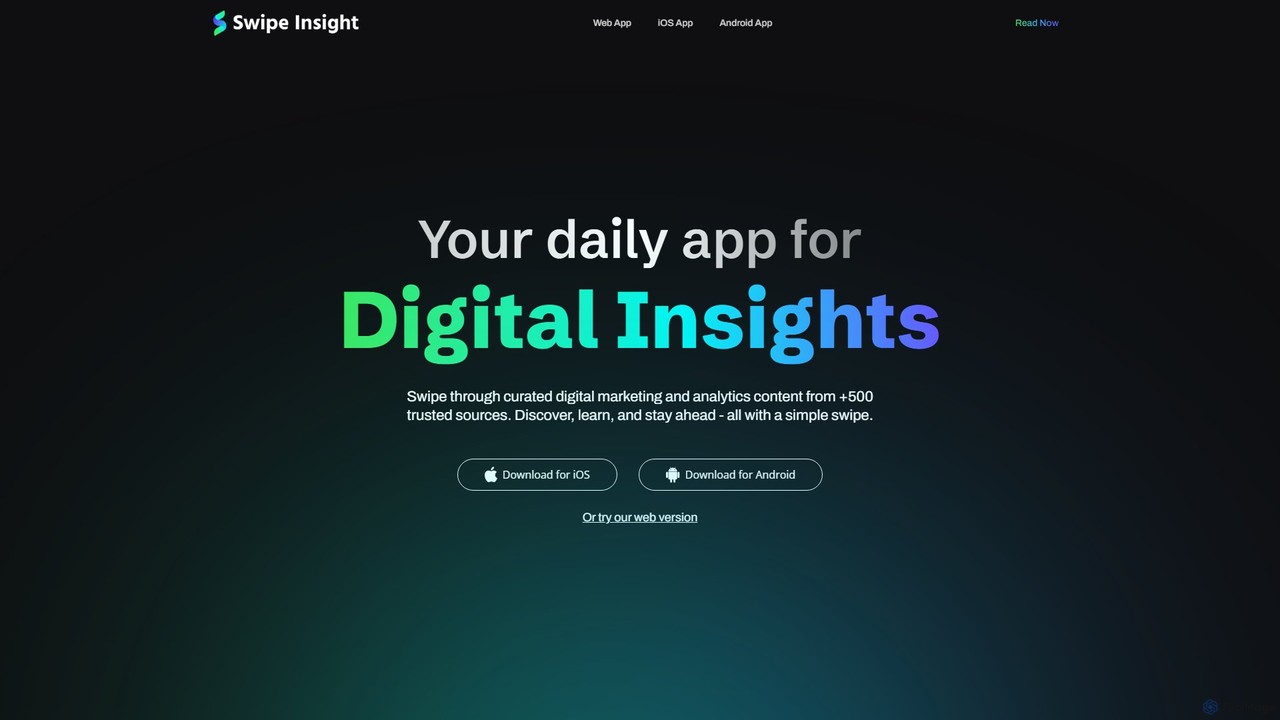
Swipe Insight is a daily knowledge app that transforms your learning routine. Using an intuitive swipe-based interface, it …

54.7K
protime

protime

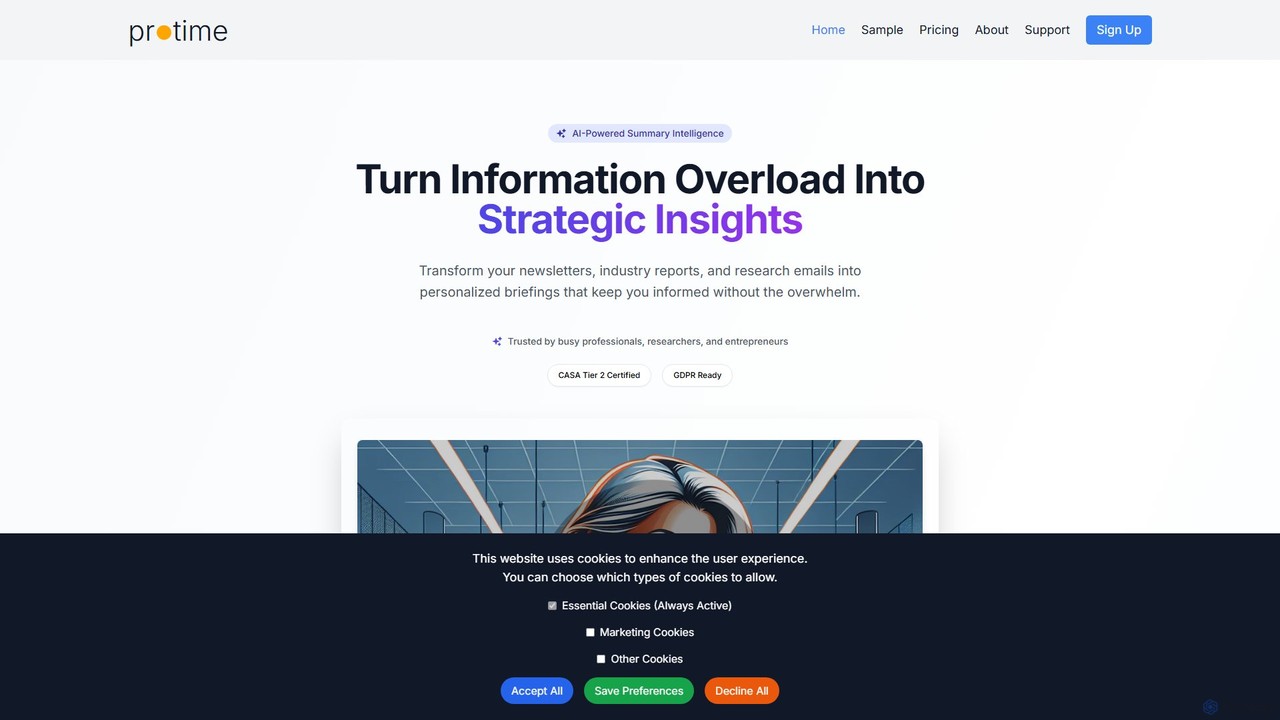
Protime is an AI-powered intelligence tool that transforms your newsletters, industry reports, and research emails from Gmail into …

3.0K
Free
asknews

asknews

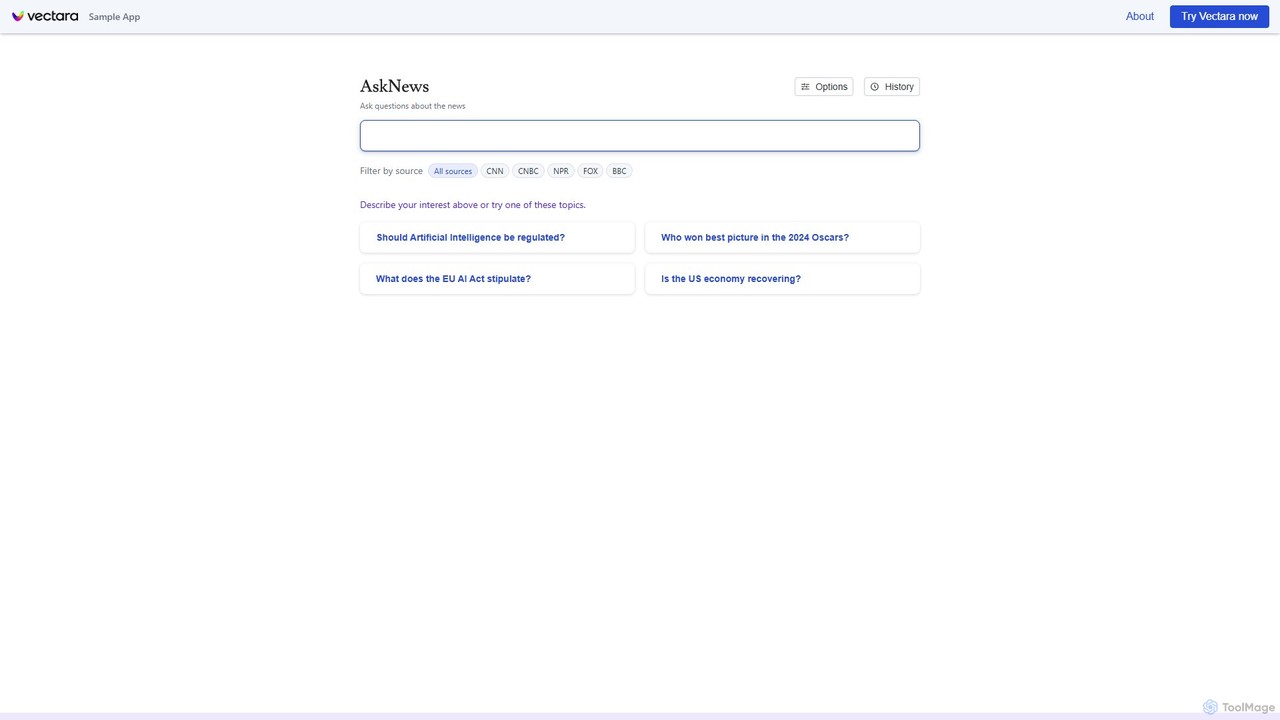
asknews is a conversational AI search engine powered by Vectara, designed for news. Ask complex questions in natural …

3.1K
Matter

Matter

Matter is a modern, AI-powered read-later app for iPhone, iPad, and web. It centralizes your articles, newsletters, and …

11.4K

About Information Aggregator

Information Aggregators are AI-powered tools designed to collect, process, and present information from diverse sources in a structured and digestible format. These tools leverage artificial intelligence, including natural language processing and machine learning, to filter, summarize, categorize, and personalize content. They help users combat information overload by providing curated insights and relevant updates, making them an advanced solution within the broader News category.

Core Features

  • Automated Content Collection: Gathers articles, news, reports, and social media posts from a wide array of online sources.
  • AI-powered Filtering & Curation: Uses machine learning to identify relevant content based on user preferences, keywords, or sentiment, reducing noise.
  • Content Summarization: Generates concise summaries of lengthy articles or reports, extracting key points for quick understanding.
  • Personalized Feeds: Tailors information streams to individual user interests, learning and adapting over time.
  • Real-time Updates: Provides immediate notifications and fresh content as it becomes available, ensuring users are always current.

Use Cases

These tools are invaluable for professionals needing to stay informed across various sectors, from market analysts tracking industry shifts to content creators sourcing material. They streamline the process of monitoring competitive landscapes, identifying emerging trends, and compiling research data efficiently.

How to Choose

When selecting an Information Aggregator, consider the diversity of its data sources, the sophistication of its AI for filtering and summarization, and its customization options for personalized feeds. Evaluate its integration capabilities with existing workflows and the intuitiveness of its user interface to ensure it meets specific information consumption needs.

Information AggregatorUse Cases

1

Monitor Industry Trends and News

Business strategists and industry analysts utilize Information Aggregators to continuously track news, reports, and discussions relevant to their sector. By setting up specific keywords and sources, they receive curated updates on market shifts, technological advancements, and regulatory changes, enabling proactive decision-making and strategic planning. This saves hours of manual searching across countless websites and publications.

2

Competitive Intelligence Gathering

Marketing and competitive intelligence teams leverage Information Aggregators to gain insights into competitors' activities. They track product launches, press releases, market sentiment, and strategic partnerships across various news outlets and social media. This allows them to identify competitive advantages, anticipate market moves, and refine their own strategies based on real-time data, maintaining a competitive edge.

3

Personalized News and Content Consumption

Individuals and busy professionals use Information Aggregators to create highly personalized news feeds. Instead of sifting through general news portals, they receive a daily digest or real-time updates tailored to their specific interests, hobbies, or professional fields. This ensures they consume only the most relevant content, saving significant time and reducing digital clutter, making their information intake more efficient.

4

Academic Research and Literature Review

Researchers and academics employ Information Aggregators to stay abreast of new publications, studies, and discussions within their specialized fields. By configuring the aggregator to pull from academic databases, journals, and research forums, they can quickly identify groundbreaking research, track the work of specific authors, and compile comprehensive literature reviews. This significantly accelerates the research process and ensures they don't miss critical developments.

5

Social Media Listening and Brand Monitoring

Marketing and PR teams utilize Information Aggregators for social media listening and brand monitoring. They configure the tools to track mentions of their brand, products, or key personnel across social platforms, news sites, and blogs. This allows them to gauge public sentiment, identify emerging crises, and respond promptly to customer feedback, protecting brand reputation and informing communication strategies.

6

Content Curation for Publications and Blogs

Content creators, editors, and journalists use Information Aggregators to discover relevant articles, trending topics, and insightful data for their own publications, newsletters, or blogs. By efficiently sifting through vast amounts of information, they can identify high-quality sources, gather diverse perspectives, and ensure their content is timely and well-informed. This streamlines the content creation process and enhances the value offered to their audience.

Information AggregatorFrequently Asked Questions