News Best in category 3 results Information AI Tool

Popular AI tools in the Information field of News include aidepot、ChatGPT AI Hub、AIRadio.Host, etc., helping you quickly improve efficiency.

AIRadio.Host

AIRadio.Host

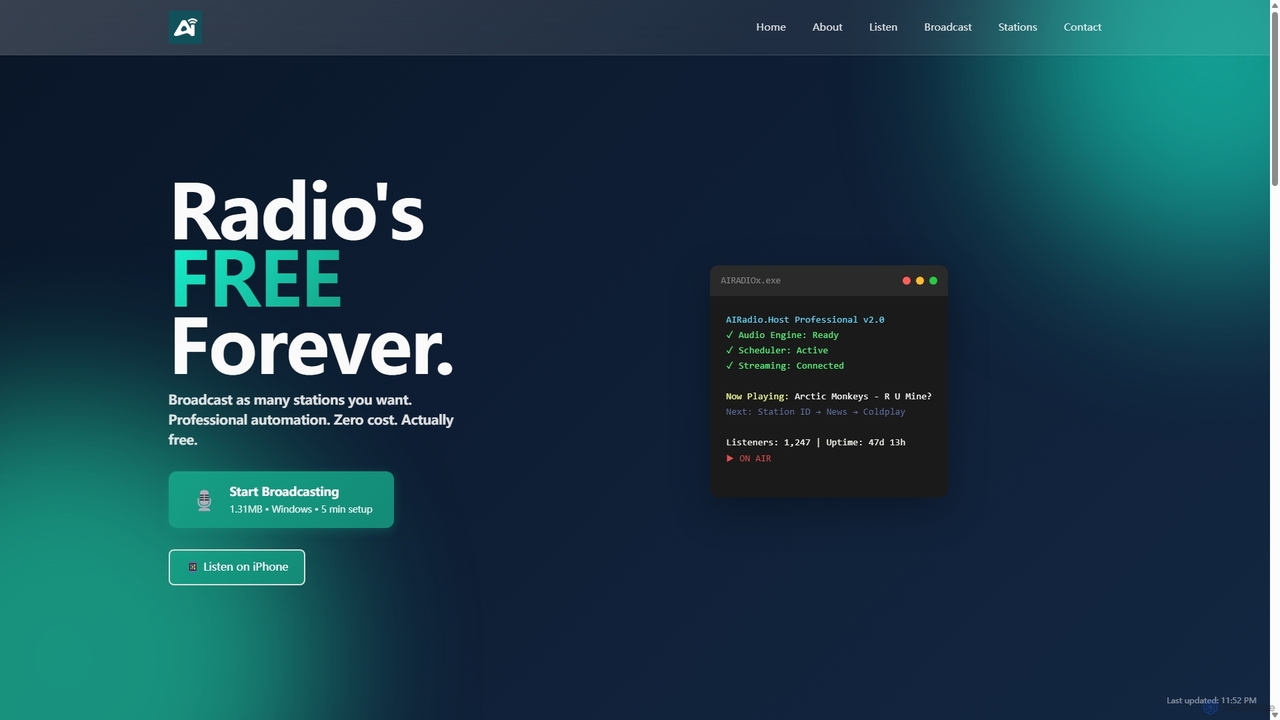
AIRadio.Host is a free, professional-grade radio automation software that allows anyone to create and run a 24/7 internet …

2.8K
aidepot

aidepot

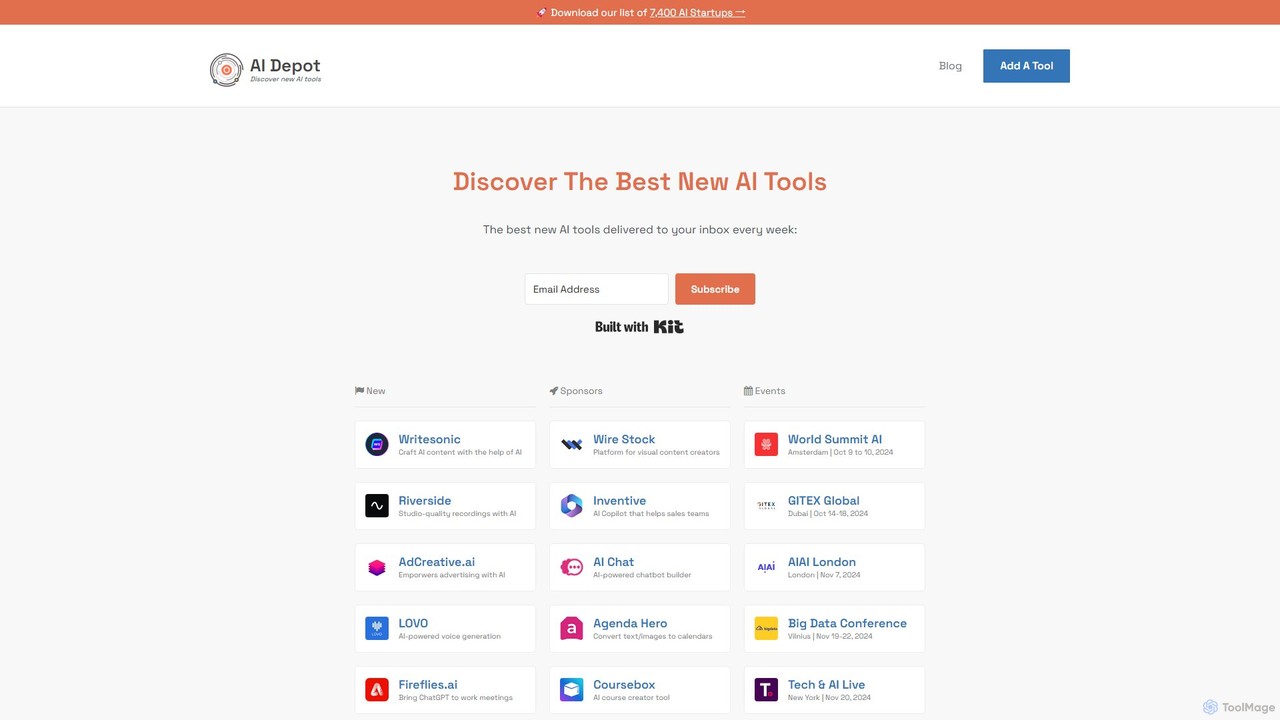
AI Depot is a comprehensive platform for discovering the latest AI tools and staying updated on the AI …

6.8K
Free
ChatGPT AI Hub

ChatGPT AI Hub

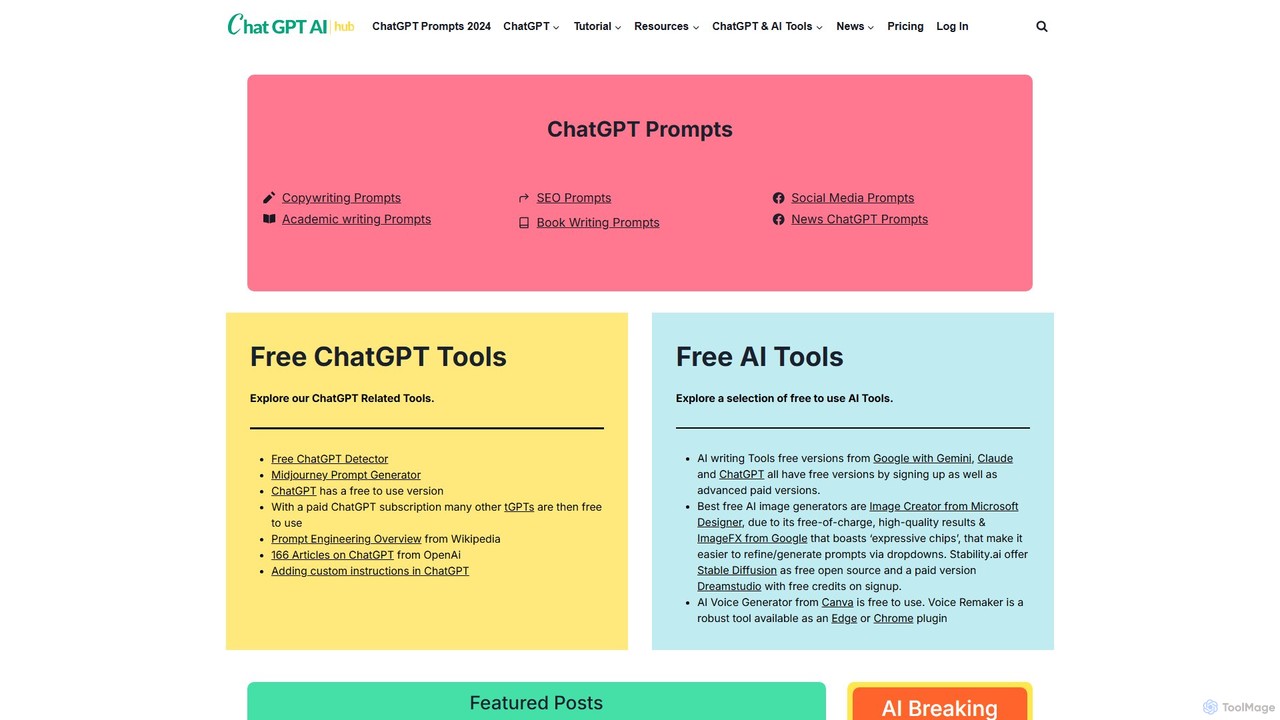
ChatGPT AI Hub is a comprehensive online platform serving as a central resource for generative AI. It offers …

4.9K

About Information

AI Information tools are a specialized class of applications designed to retrieve, verify, and synthesize complex data from vast sources. These tools utilize advanced Natural Language Processing (NLP) and data mining algorithms to go beyond simple news aggregation, offering deep analysis and contextual understanding. They are engineered to transform unstructured data from news articles, reports, and online discussions into structured, actionable intelligence. This capability makes them invaluable for professionals who require accurate, in-depth insights rather than just surface-level headlines.

Core Features

  • Automated Fact-Checking: Cross-references claims against multiple reputable sources to assess accuracy and identify misinformation.
  • Data Synthesis & Summarization: Condenses large volumes of text from various documents into concise, coherent summaries that highlight key findings.
  • Real-time Topic Monitoring: Continuously tracks specific keywords, brands, or topics across the web and alerts users to new developments.
  • Trend & Pattern Analysis: Identifies emerging themes, sentiment shifts, and hidden connections within large datasets over time.

Use Cases

These tools are primarily used in sectors requiring high-quality intelligence, such as market research, financial analysis, academic research, and investigative journalism. For example, a market analyst can use them to monitor competitor strategies and public sentiment, while a researcher can quickly gather and synthesize findings from hundreds of scientific papers.

How to Choose

When selecting an AI Information tool, consider the breadth and quality of its data sources. Evaluate the sophistication of its analytical features, such as sentiment analysis and entity recognition. Also, assess its integration capabilities with other platforms (e.g., CRM, BI tools) and the frequency of its data updates, which is critical for time-sensitive applications.

InformationUse Cases

1

Conducting Competitive Market Analysis

A market intelligence analyst for a tech company needs to track competitor product launches and public perception. Using an AI Information tool, they set up real-time monitoring for competitor names and product keywords across news sites, forums, and social media. The tool automatically aggregates mentions, performs sentiment analysis, and identifies key discussion themes. It then generates a weekly synthesized report, highlighting shifts in competitor strategy and customer feedback. This process replaces hours of manual searching and provides a structured overview, enabling the analyst to deliver timely, data-driven insights to their strategy team.

2

Accelerating Academic Literature Reviews

A postgraduate researcher is working on a literature review for their thesis on renewable energy policy. Instead of manually searching multiple academic databases, they use an AI Information tool that connects to scholarly sources. They input key research questions and concepts. The tool scans thousands of papers, identifies the most relevant ones, and generates thematic summaries of the findings. It also visualizes connections between different authors and studies, revealing research gaps and influential works. This reduces the time for a comprehensive review from weeks to days, allowing the researcher to focus on analysis and writing.

3

Monitoring for Financial Risk and Compliance

A compliance officer at a financial institution is responsible for monitoring regulatory changes and potential market risks. They use an AI Information tool to track announcements from regulatory bodies, financial news, and global economic reports. The tool is configured to flag keywords related to new legislation, sanctions, or market volatility. When a relevant event is detected, it sends an immediate alert with a summary of the issue and links to primary sources. This proactive system helps the officer stay ahead of compliance requirements and identify potential risks before they escalate, ensuring the institution remains compliant and secure.

4

Managing Brand Reputation and PR Crises

A public relations manager for a global consumer brand uses an AI Information tool to monitor brand health. The system tracks mentions of the brand and its key products across millions of sources in real-time. It analyzes the sentiment of each mention and can detect sudden negative spikes, which may indicate a brewing PR crisis. For instance, if a product defect story begins to trend, the tool immediately alerts the PR team, provides a summary of the issue, and identifies the most influential accounts discussing it. This allows the team to respond swiftly and strategically, mitigating potential damage to the brand's reputation.

5

Tracking Policy and Legislative Changes

A policy analyst at a non-profit organization needs to stay informed about legislative developments related to their cause. They use an AI Information tool to monitor government websites, official publications, and news outlets for keywords like 'bill', 'regulation', and specific policy topics. The tool filters out irrelevant noise and delivers a daily digest of proposed bills, new regulations, and public comments. It can also track the progression of a bill through the legislative process, from introduction to vote. This automated tracking ensures the analyst never misses a critical update and can prepare timely advocacy materials or public statements.

6

Fact-Checking for Investigative Journalism

An investigative journalist is working on a story involving complex claims made by a public figure. To verify these claims, they use an AI Information tool with advanced fact-checking capabilities. They input a specific statement into the tool. The AI scours a vast database of news articles, official records, and academic studies to find primary sources and conflicting reports. It presents a dashboard showing evidence that supports or refutes the claim, along with a confidence score for its veracity. This allows the journalist to quickly and rigorously verify facts, strengthening the credibility of their reporting and upholding journalistic standards.

InformationFrequently Asked Questions