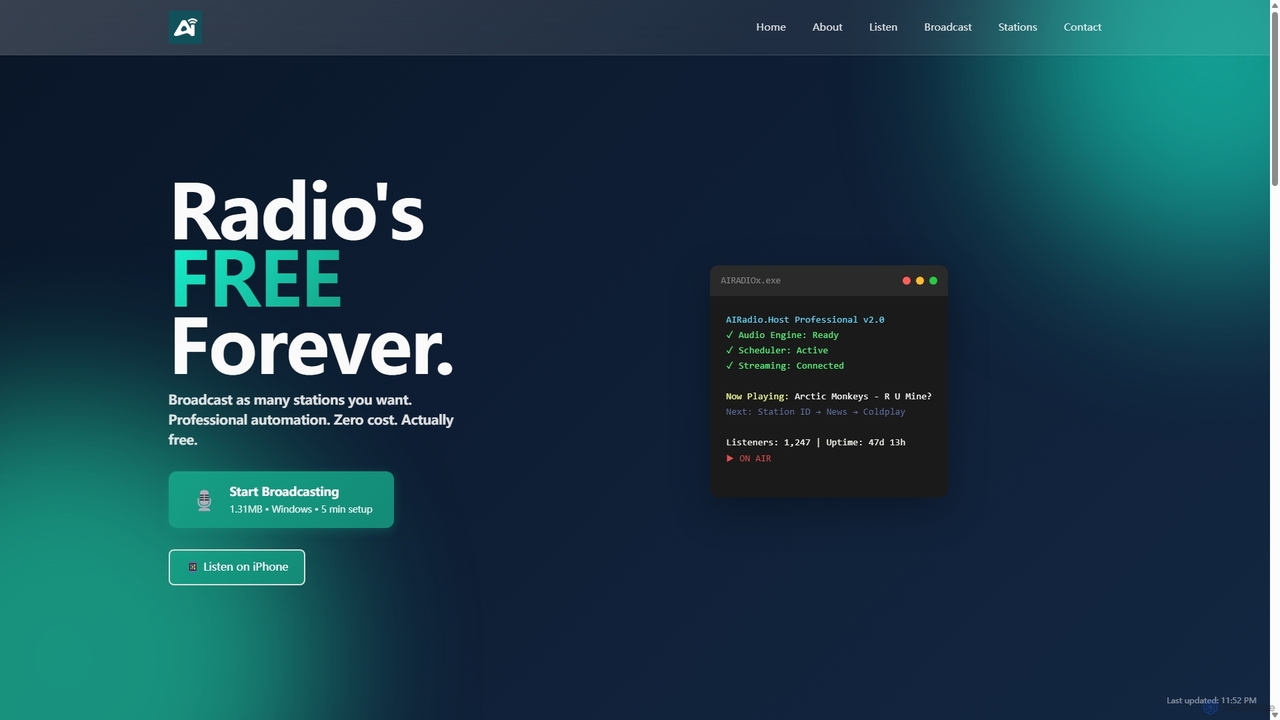
AI Broadcasting tools are specialized platforms that leverage artificial intelligence to automate and enhance various aspects of audio and video content distribution. These tools utilize advanced algorithms for tasks like content scheduling, live stream optimization, audience engagement analysis, and automated content moderation. They significantly streamline the production and delivery workflows for broadcasters, podcasters, and online content creators, ensuring high-quality and efficient reach to target audiences.
Core Features
- Automated Content Scheduling: AI intelligently plans and sequences audio/video content for broadcast, optimizing for audience peak times and content relevance.
- Live Stream Optimization: Real-time AI analysis adjusts stream quality, bitrate, and server distribution to ensure smooth, high-definition delivery even under varying network conditions.
- Audience Engagement Analytics: AI processes viewer data, comments, and interactions to provide insights into audience preferences, sentiment, and optimal content types.
- Automated Content Moderation: AI identifies and filters inappropriate language, spam, or harmful content in live chats and comments, maintaining a safe broadcast environment.
- Dynamic Ad Insertion: AI seamlessly integrates personalized advertisements into live or on-demand broadcasts based on viewer demographics and viewing history.
Use Cases
Media companies use these tools to manage vast libraries of content, automate playout schedules for multiple channels, and ensure compliance with broadcasting regulations. Online educators leverage them for seamless delivery of live lectures and interactive Q&A sessions to global student bodies. Podcasters utilize AI for post-production enhancements, automated transcription, and efficient distribution across various platforms.
How to Choose
When selecting AI broadcasting tools, consider the specific content type (live, on-demand, audio, video) and the scale of your operations. Evaluate features like real-time analytics, moderation capabilities, integration with existing production suites, and scalability for audience growth. Assess the level of automation offered for scheduling and content optimization, and compare pricing models based on usage or feature sets.