Privacy Best in category 1 results Secure Communication AI Tool

Popular AI tools in the Secure Communication field of Privacy include PowerChat, etc., helping you quickly improve efficiency.

PowerChat

PowerChat

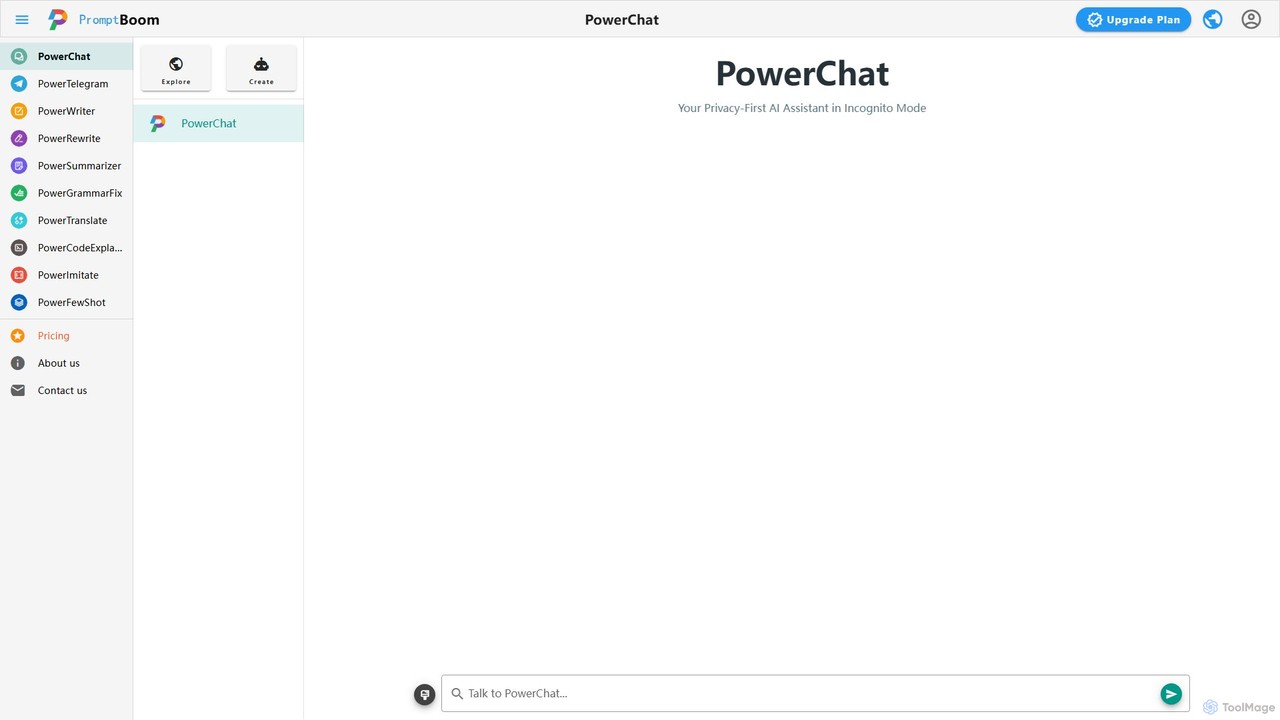
PowerChat is a fast, helpful, and privacy-first AI assistant. Designed to operate in an 'incognito mode,' it requires …

2.7K

About Secure Communication

Secure Communication tools are applications that use advanced encryption and AI to protect the confidentiality and integrity of digital conversations. These tools are built on principles like end-to-end encryption (E2EE), ensuring only the sender and intended recipient can access the message content. They are designed to prevent interception, surveillance, and data breaches during real-time communication, such as messaging, voice calls, and file sharing. AI enhances security by detecting anomalous patterns or potential threats without accessing user data.

Core Features

  • End-to-End Encryption (E2EE): Automatically encrypts messages on the sender's device and decrypts them only on the recipient's device, making them unreadable to anyone in between.
  • AI-Powered Threat Detection: Utilizes machine learning models to identify and flag suspicious activities, such as phishing attempts or potential man-in-the-middle attacks, by analyzing metadata patterns.
  • Ephemeral & Self-Destructing Messages: Allows users to set timers for messages to be automatically deleted from all devices, leaving no trace of the conversation.
  • Anonymous Identity Protection: Provides features to conceal user identity, such as not requiring phone numbers or personal information for registration.
  • Secure File Transfer: Encrypts all shared files and documents, often including AI-driven malware scanning before download.

Use Cases

These tools are critical for professionals and individuals handling sensitive information. Journalists use them to protect sources, lawyers to maintain client-attorney privilege, and corporate teams to discuss confidential business strategies. They are also essential for activists, researchers, and citizens in regions with heavy surveillance, enabling them to communicate freely and safely.

How to Choose

When selecting a Secure Communication tool, evaluate the strength and implementation of its encryption protocol (e.g., Signal Protocol). Verify if the code is open-source for independent security audits. Consider the company's data policy, specifically how much metadata is collected and stored. Finally, assess the balance between security features and user-friendliness to ensure it fits your specific needs.

Secure CommunicationUse Cases

1

Protecting Journalistic Sources

An investigative journalist needs to communicate with a whistleblower leaking sensitive corporate documents. Using a secure communication tool with end-to-end encryption, they can exchange messages and files without fear of interception by corporate security or government agencies. The tool's anonymous registration feature allows the source to create an account without linking it to their real identity, providing a critical layer of protection against discovery and retaliation.

2

Confidential Corporate M&A Strategy

An executive team is planning a confidential merger. They use a secure communication platform to discuss valuations, negotiation tactics, and legal due diligence. The platform's secure file sharing ensures that sensitive financial spreadsheets and contracts are protected. AI-powered threat detection monitors for unusual access patterns, alerting the IT admin if a compromised account attempts to access the confidential channel, thus preventing industrial espionage.

3

Secure Telemedicine Consultations

A healthcare provider conducts remote consultations with patients. To comply with privacy regulations like HIPAA, they use a secure communication app that offers end-to-end encrypted video calls. This ensures that sensitive patient health information, diagnoses, and treatment plans remain confidential. The ephemeral messaging feature is used to share temporary information, like a prescription link, which automatically deletes after being viewed, minimizing the digital footprint of patient data.

4

Maintaining Client-Attorney Privilege

A law firm uses a secure communication tool for all correspondence with clients involved in high-stakes litigation. This ensures that all discussions about case strategy, evidence, and settlement offers are protected by client-attorney privilege and cannot be accessed through subpoenas of a third-party service provider. The tool's zero-knowledge architecture means even the service provider cannot access the encrypted data, providing a robust defense against legal discovery attempts.

5

Coordinating Activist Movements Securely

A group of human rights activists operating in a politically sensitive region uses a secure communication app to coordinate protests and share information. The app does not require a phone number to sign up, allowing them to remain anonymous. They use the self-destructing message feature to plan logistics, ensuring that details of their plans vanish after a set time, protecting the group members from authorities who might seize their devices.

6

Protecting R&D Intellectual Property

A technology company's research and development team collaborates on a groundbreaking new algorithm. To prevent leaks and protect their intellectual property, they use a dedicated secure communication channel. All code snippets, research papers, and technical discussions are encrypted. The platform integrates with their internal systems and provides an audit trail of access, but the content of the communication remains completely private, ensuring their competitive advantage is maintained until the product launch.

Secure CommunicationFrequently Asked Questions