ToolMage
Sign in

Best 6 Agile Development AI tools for Project Management

Popular Agile Development AI tools in Project Management include Stormboard, Swift Board, Elixion, Talkzy, Feta, and Tenhaw, helping you work more efficiently.

Elixion
Freemium

Elixion

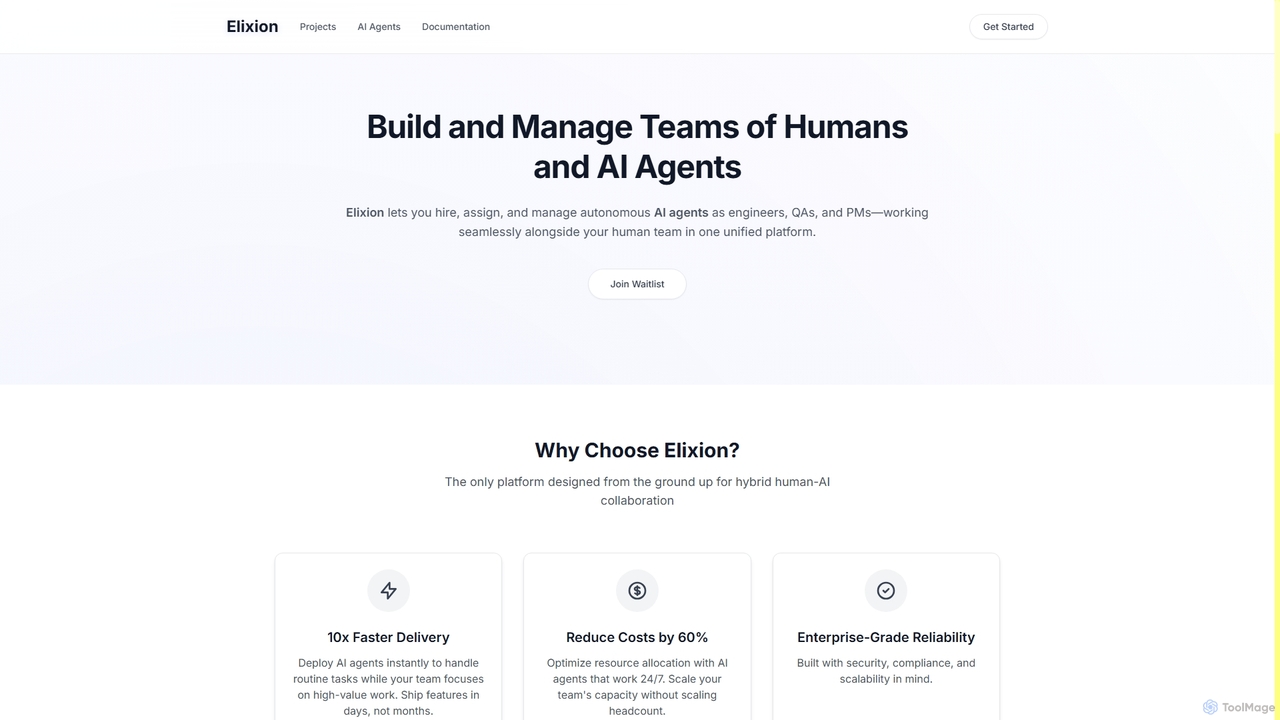
Elixion is an enterprise project management platform that empowers organizations to build and manage hybrid teams of human engineers and autonomous AI agents. It streamlines software development by enabling AI agents to handle routine tasks, accelerating delivery, and reducing costs while ensuring enterprise-grade reliability.

Agent Systems
Visits 5.7KFavorites 139Likes 141
Swift Board
Freemium

Swift Board

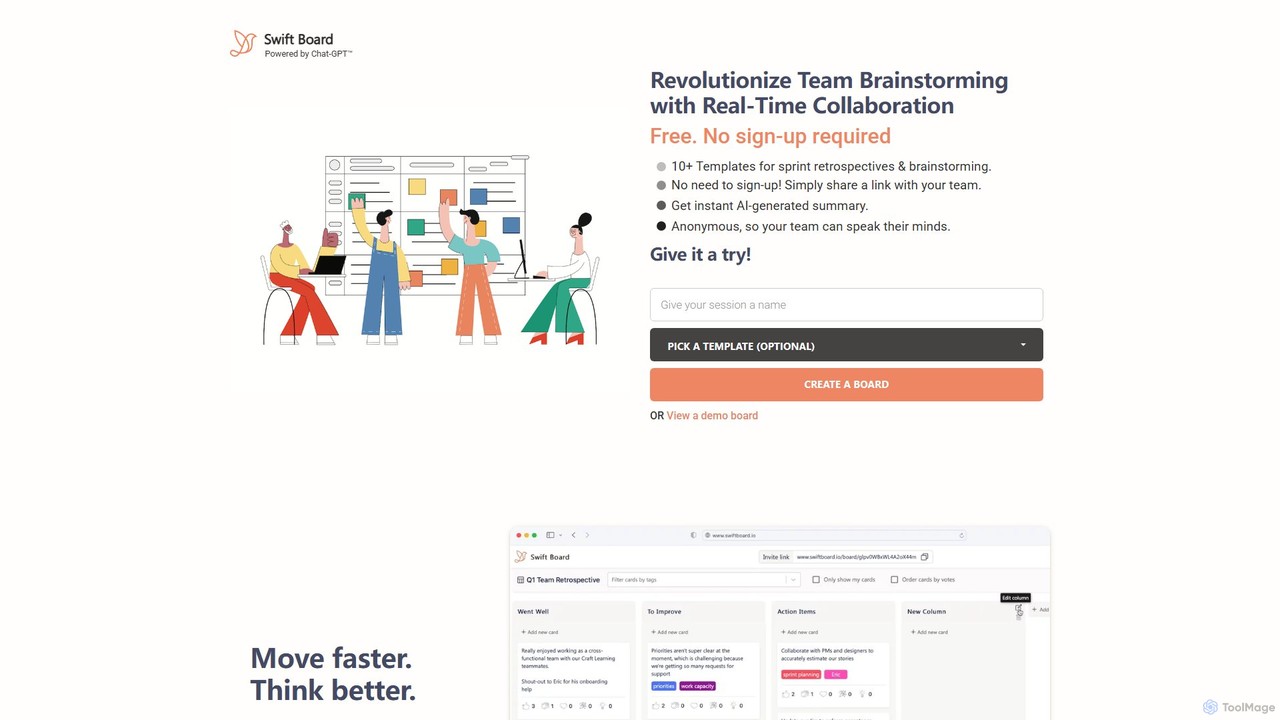
Swift Board is a free, real-time collaborative whiteboard for team brainstorming, sprint planning, and retrospectives. It requires no sign-up, supports anonymous contributions, and uses AI to generate instant summaries. With over 10 templates, it's designed for fast, honest, and effective collaboration for agile and remote teams.

Brainstorming
Visits 7.3KFavorites 150Likes 156
Tenhaw
Paid

Tenhaw

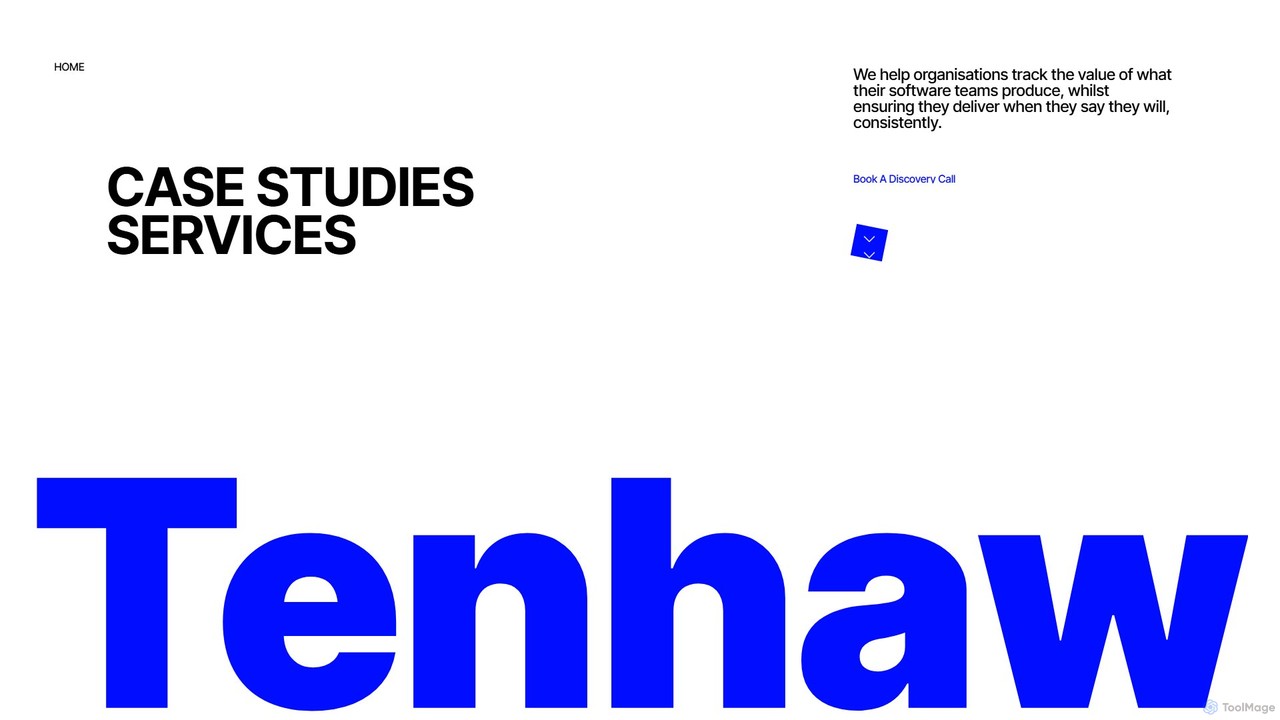
Tenhaw is a value-driven software delivery consultancy that leverages data-driven strategies and agile methodologies to optimize team performance and ensure consistent project success. It specializes in benchmarking, delivery assurance, and tailored training for tech-focused organizations.

Consulting
Visits 5.6KFavorites 99Likes 101
Feta
Freemium

Feta

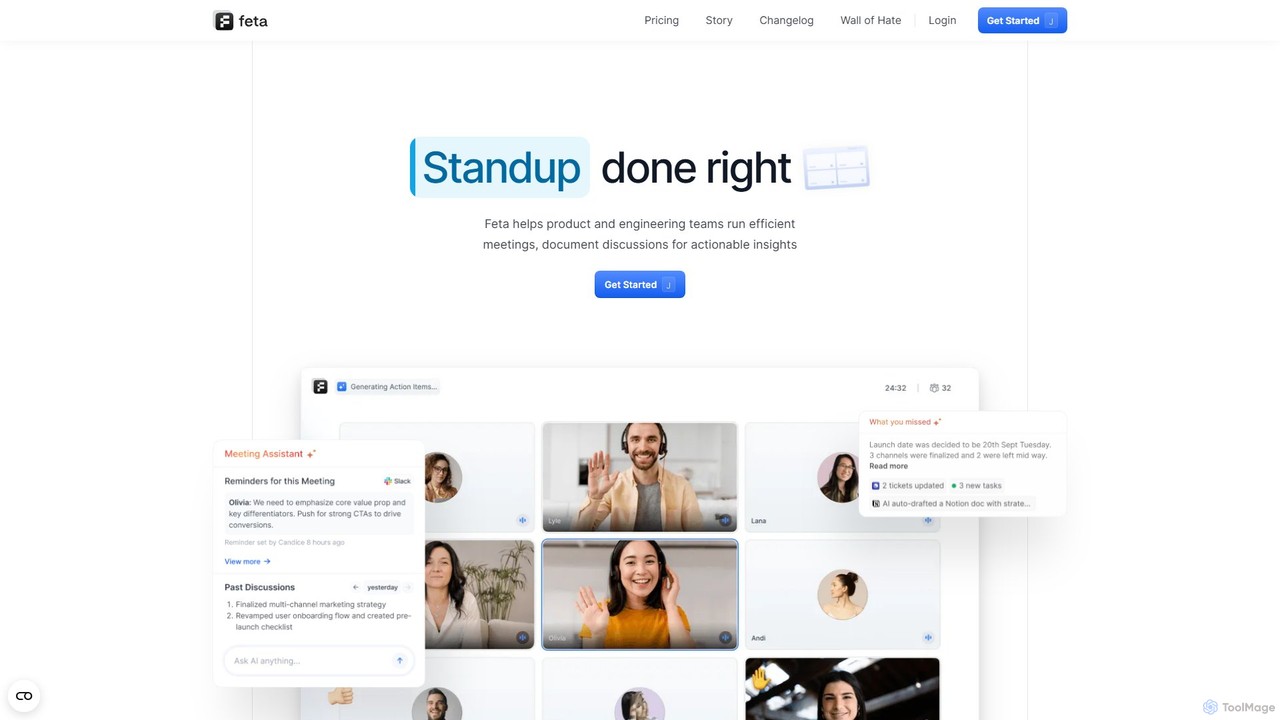
Feta is an AI-powered meeting assistant designed to enhance agile team meetings like stand-ups, retrospectives, and syncs. It automates recording, transcription, summarization, and action item generation, integrating seamlessly with project management tools like Jira and Linear to boost productivity and accountability.

Task Management
Visits 5.6KFavorites 141Likes 137
Talkzy
Freemium

Talkzy

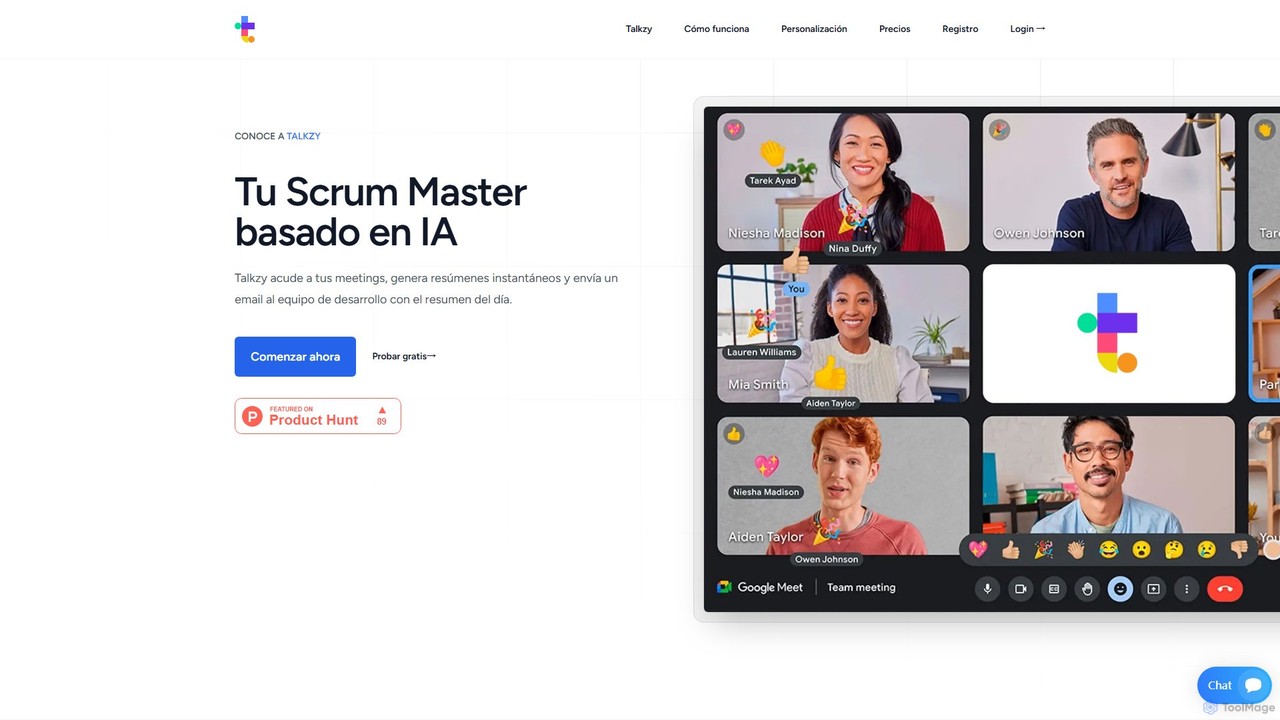
Talkzy is an AI-powered Scrum Master designed for agile development teams. It joins your meetings, automatically generates structured summaries focusing on action items, blockers, and decisions, and emails them to the team. It's tailored for agile ceremonies like Daily Standups, Sprint Planning, and Retrospectives to enhance productivity and streamline communication.

Transcription
Visits 5.6KFavorites 159Likes 162
Stormboard
Freemium

Stormboard

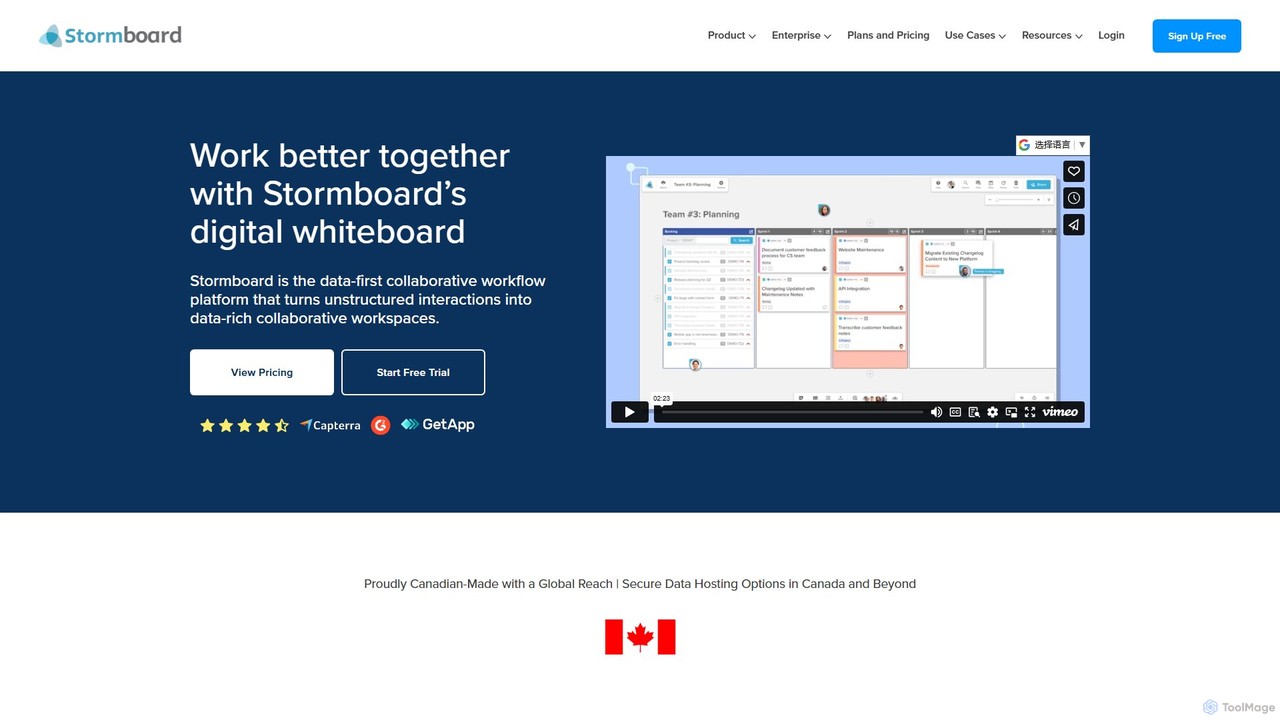
Stormboard is a data-first, AI-powered digital whiteboard and collaborative workflow platform. It transforms unstructured team interactions into organized, data-rich workspaces, enhancing brainstorming, agile planning, and decision-making for remote, hybrid, and in-office teams with powerful integrations and enterprise-grade security.

Brainstorming
Visits 29.5KFavorites 94Likes 93

About Agile Development

Agile Development AI tools are AI-powered platforms designed to enhance and automate various aspects of agile methodologies. These tools leverage machine learning and natural language processing to provide intelligent insights, streamline workflows, and improve team collaboration. They help project teams manage iterative development cycles more efficiently, adapt to changes quickly, and deliver value continuously.

Core Features

  • Intelligent Sprint Planning: AI-assisted task breakdown, effort estimation, and resource allocation for sprints.
  • Automated Backlog Prioritization: Dynamically ranks user stories and features based on business value, dependencies, and team capacity.
  • Predictive Risk & Impediment Detection: Identifies potential blockers, delays, and scope creep using historical data and current progress.
  • Enhanced Team Collaboration: Analyzes communication patterns, summarizes discussions, and flags potential conflicts or knowledge gaps.
  • Performance Analytics & Reporting: Generates automated reports on velocity, burndown, and team performance, highlighting areas for improvement.

Applicable Scenarios

Agile Development AI tools are invaluable for software development teams adopting Scrum or Kanban, product management groups refining feature roadmaps, and R&D departments managing experimental projects. They also support marketing teams running agile campaigns and any organization seeking to accelerate project delivery through iterative processes.

How to Choose

When selecting Agile Development AI tools, consider their integration capabilities with existing project management and communication platforms. Evaluate the depth of AI features, such as predictive analytics for risk assessment and intelligent automation for routine tasks. Assess scalability for growing teams, customization options for specific agile frameworks, and the intuitiveness of the user interface. Security and data privacy features are also crucial.

Agile Development use cases

1

Automated Sprint Planning & Task Allocation

A Scrum Master uses an Agile Development AI tool to quickly set up a new sprint. The AI analyzes historical team velocity, individual skill sets, and task dependencies to suggest an optimal task breakdown and allocate user stories to team members. This reduces manual planning time by up to 50% and ensures a balanced workload, leading to more predictable sprint outcomes.

2

Intelligent Backlog Prioritization for Product Owners

A Product Owner faces a constantly evolving product backlog. An Agile Development AI tool continuously re-prioritizes user stories and features based on real-time market feedback, customer impact scores, development effort estimates, and strategic business goals. This ensures the team always works on the most valuable items, maximizing ROI and reducing the risk of building less impactful features.

3

Real-time Impediment Identification for Development Teams

A development team is working on a complex feature. An Agile Development AI tool monitors code commits, communication channels, and task progress, identifying unusual patterns or dependencies that could lead to blockers. It alerts the team to potential impediments, such as a developer being stuck on a task for too long or a critical dependency not being met, allowing for proactive intervention and preventing delays.

4

Enhanced Daily Stand-up Summaries for Remote Teams

For a distributed agile team, daily stand-ups can be challenging due to time zones. An Agile Development AI tool integrates with asynchronous communication platforms (e.g., Slack, Microsoft Teams) to analyze daily updates from team members. It automatically generates concise summaries of progress, blockers, and next steps, making it easy for everyone to stay informed without needing to attend a live meeting, improving transparency and saving time.

5

Predictive Project Health Monitoring for Stakeholders

Project stakeholders need quick, reliable insights into project health. An Agile Development AI tool provides a dashboard with predictive analytics, forecasting sprint completion, potential budget overruns, and delivery dates based on current velocity and identified risks. This allows stakeholders to make informed decisions early, adjust expectations, and allocate resources strategically, ensuring alignment with business objectives.

6

Optimized Resource Allocation Across Multiple Projects

A portfolio manager oversees several agile projects with shared resources. An Agile Development AI tool analyzes the workload, skill requirements, and critical paths across all projects. It identifies bottlenecks and suggests optimal resource reallocations to ensure no team member is over-utilized or under-utilized, and that high-priority projects receive adequate support, leading to improved overall portfolio efficiency and delivery.

Agile Development FAQ

What are Agile Development AI tools?

Agile Development AI tools are software platforms that integrate artificial intelligence capabilities to enhance traditional agile project management methodologies. They leverage AI to automate routine tasks, provide predictive insights, and improve decision-making across various agile processes like sprint planning, backlog prioritization, and team collaboration. These tools aim to make agile workflows more efficient, adaptive, and data-driven.

How do AI tools enhance traditional Agile Development?

AI tools significantly enhance traditional Agile Development by automating repetitive tasks, providing data-driven insights, and improving predictive capabilities. They can intelligently prioritize backlogs, optimize sprint planning, detect potential risks and impediments early, and analyze team communication for better collaboration. This allows agile teams to focus more on creative problem-solving and delivery, leading to faster iterations, higher quality outcomes, and better resource utilization.

What's the difference between Agile Development AI tools and general Project Management software?

While general Project Management (PM) software provides foundational features like task tracking, scheduling, and resource allocation, Agile Development AI tools offer specialized, intelligent enhancements for agile methodologies. The key difference lies in AI's ability to provide predictive analytics for sprint forecasting, intelligent backlog prioritization based on dynamic factors, and automated impediment detection. General PM tools are broader, while Agile AI tools are deeply integrated with iterative workflows, offering smart automation and insights specific to agile principles beyond basic tracking.

What key features should I look for in Agile Development AI tools?

When evaluating Agile Development AI tools, prioritize features that leverage AI for actionable insights. Look for intelligent sprint planning and task allocation, automated backlog prioritization, and predictive analytics for risk and impediment detection. Strong natural language processing (NLP) capabilities for analyzing team communication and generating summaries are also valuable. Ensure the tool offers robust performance analytics, customizable dashboards, and seamless integration with your existing development and communication platforms. Scalability and strong security measures are also crucial.

Can Agile Development AI tools help with remote team collaboration?

Yes, Agile Development AI tools are particularly beneficial for remote team collaboration. They can bridge communication gaps by analyzing asynchronous discussions, summarizing key decisions, and flagging potential misunderstandings or conflicts. Features like AI-powered daily stand-up summaries, intelligent task allocation based on availability, and predictive insights into team workload help maintain transparency and alignment across different time zones. This fosters a more cohesive and productive remote agile environment, reducing the need for constant live meetings.