Project Management Best in category 3 results Team Collaboration AI Tool

Popular AI tools in the Team Collaboration field of Project Management include Vectal、Flexable、Actual, etc., helping you quickly improve efficiency.

Actual

Actual

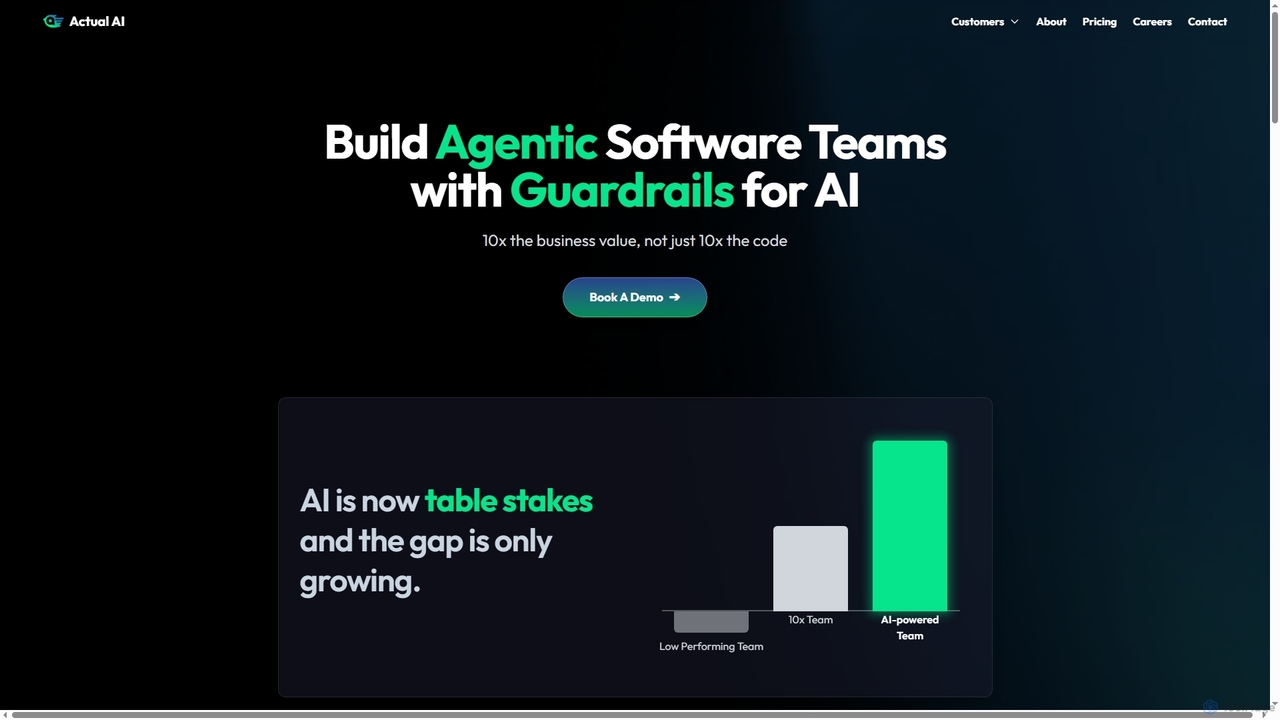
Actual is an AI-powered platform designed to empower engineering managers and software teams by providing guardrails for AI …

3.1K
Vectal

Vectal

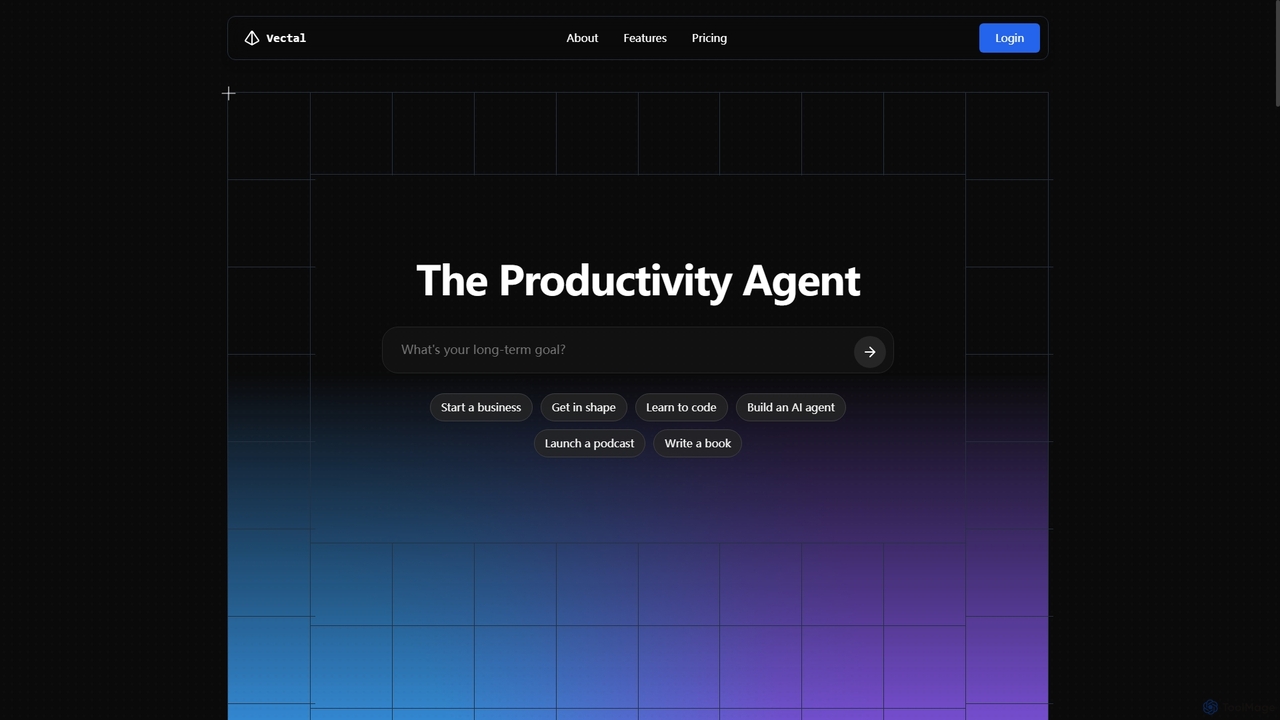
Vectal is an AI-powered productivity agent that unifies tasks, notes, projects, and calendar events into a single, real-time …

13.6K
Flexable

Flexable

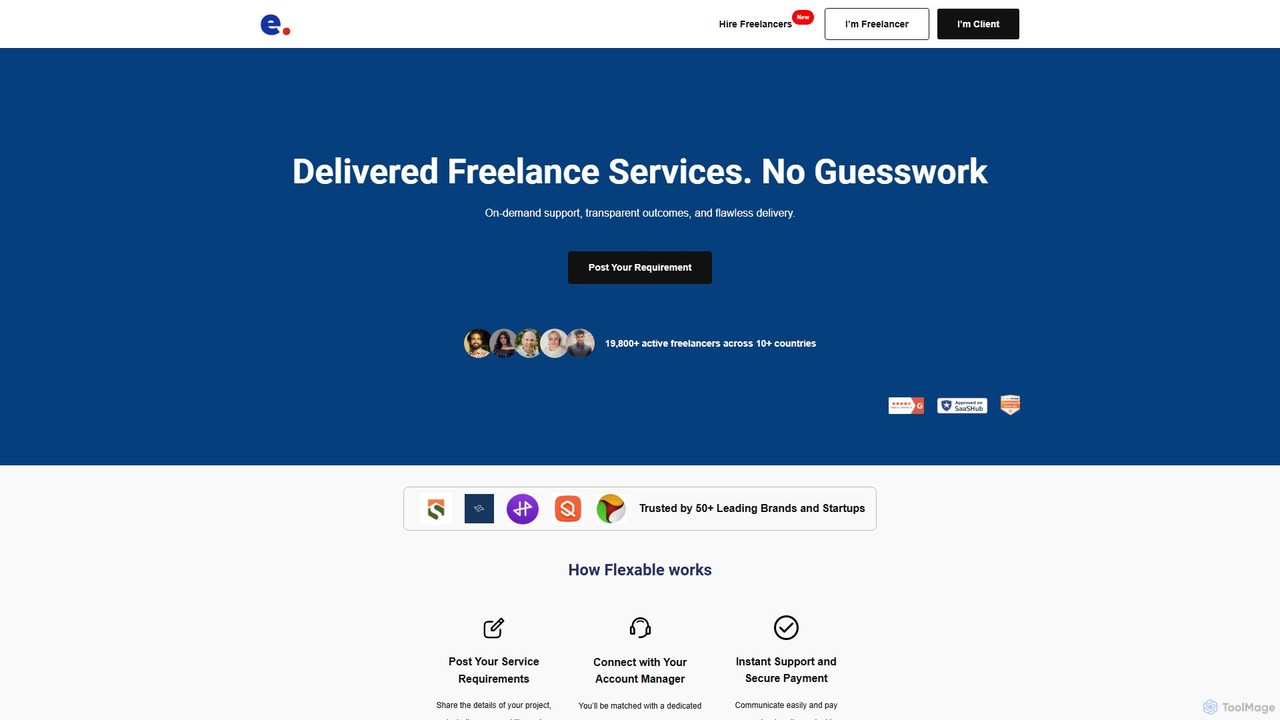
Flexable is a fully managed freelance platform that connects businesses with a network of over 19,800 vetted professionals. …

7.8K

About Team Collaboration

Team Collaboration AI tools are designed to streamline communication, task management, and shared work among team members, serving as a vital component within broader project management frameworks. These platforms leverage artificial intelligence to enhance productivity by automating routine tasks, providing intelligent insights, and fostering seamless interaction. They enable distributed teams to work cohesively, ensuring everyone is aligned and informed, regardless of location.

Core Features

  • Real-time Communication: Facilitates instant messaging, video conferencing, and voice calls for immediate team interaction.
  • Shared Document Editing: Allows multiple users to co-create and revise documents simultaneously with version control.
  • AI-powered Insights: Analyzes communication patterns, meeting transcripts, and task progress to offer actionable recommendations.
  • Task & Workflow Automation: Automates repetitive tasks, sets reminders, and streamlines approval processes to boost efficiency.
  • Centralized Knowledge Base: Provides a single source of truth for project files, discussions, and decisions, improving information accessibility.

Applicable Scenarios

These tools are indispensable for remote and hybrid work environments, enabling teams to maintain productivity and connection across geographical boundaries. They are also crucial for agile software development teams needing rapid iteration and constant communication, and for cross-departmental marketing campaigns requiring synchronized efforts from diverse specialists.

How to Choose

When selecting a Team Collaboration AI tool, consider its integration capabilities with your existing software ecosystem (e.g., CRM, project management tools). Evaluate the breadth and depth of its AI features, such as automated summaries or sentiment analysis. Scalability to accommodate team growth and robust security protocols for data protection are also critical. Finally, assess its user-friendliness and customization options to ensure it fits your team's unique workflow.

Team CollaborationUse Cases

1

Streamlining Remote Meeting Management

For remote teams, AI collaboration tools can transform meeting efficiency. An AI assistant automatically transcribes discussions, summarizes key decisions, and extracts actionable items, assigning them to relevant team members. This saves hours of manual note-taking and ensures everyone is clear on next steps, significantly boosting post-meeting productivity and accountability.

2

Accelerating Content Creation Workflows

Content creation teams, from marketing to editorial, benefit immensely from AI collaboration. Tools enable real-time co-editing of articles, marketing copy, or scripts, with AI suggesting grammatical improvements, style consistency, and even generating alternative phrasing. Version control ensures seamless revisions, allowing teams to produce high-quality content faster and with fewer errors.

3

Enhancing Cross-Functional Project Coordination

For complex projects involving multiple departments (e.g., product development, sales, marketing), AI collaboration tools provide a centralized hub. Teams can share updates, track progress on interdependent tasks, and resolve blockers efficiently. AI can flag potential delays or resource conflicts, allowing project managers to proactively address issues and keep the project on track, improving overall coordination by up to 30%.

4

Automating Daily Stand-up Summaries

Agile development teams often conduct daily stand-up meetings. AI collaboration tools can automate the summarization of these meetings. Team members log their progress, blockers, and plans into the system, and the AI compiles a concise daily report. This ensures everyone is up-to-date without needing to attend every meeting, saving time and improving information dissemination, especially for large or distributed teams.

5

Facilitating Onboarding for New Team Members

Onboarding new hires can be time-consuming. AI collaboration tools streamline this process by providing a centralized knowledge base with all necessary documents, training materials, and FAQs. Automated task assignments guide new members through their initial weeks, ensuring they quickly integrate into the team and understand their roles and responsibilities, reducing the ramp-up time by up to 40%.

6

Optimizing Client Communication & Feedback

Agencies and service-based businesses can use AI collaboration tools to create secure client portals. These portals facilitate sharing deliverables, collecting feedback, and managing client interactions efficiently. AI can analyze client sentiment from communications, helping teams proactively address concerns and improve client satisfaction, leading to stronger relationships and reduced project revision cycles.

Team CollaborationFrequently Asked Questions