Best of the Year 3 results Project Management AI Tools

Popular AI tools in the Project Management field include AIO Tests: QA Testing and Test Management for Jira、BRXCE、Rp1, etc., helping you quickly improve efficiency.

BRXCE

BRXCE

BRXCE is an AI-powered task management and workflow automation application that allows users to organize and execute tasks …

5.3K
Rp1

Rp1

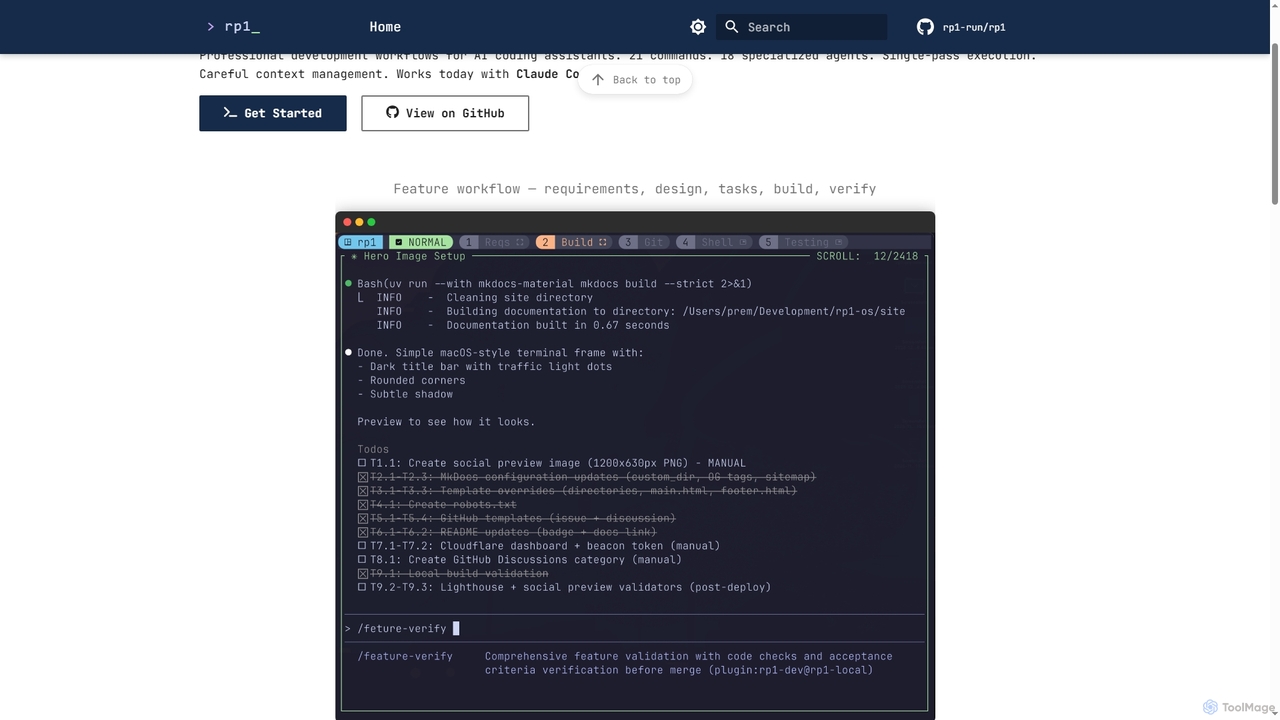
Rp1 is a professional development workflow tool for AI coding assistants, designed to streamline software creation from requirements …

2.8K
AIO Tests: QA Testing and Test Management for Jira

AIO Tests: QA Testing and Test Management for Jira

An all-in-one, Jira-native QA and test management platform. AIO Tests streamlines your entire testing lifecycle with features like …

1.0M

About Project Management

Project Management AI tools are AI-powered solutions designed to streamline, automate, and optimize various aspects of project planning, execution, monitoring, and reporting. These tools leverage artificial intelligence, machine learning, and natural language processing to enhance decision-making, predict outcomes, and improve team collaboration. By automating routine tasks and providing data-driven insights, they help project managers and teams deliver projects more efficiently, mitigate risks, and achieve strategic objectives.

Core Features

  • Intelligent Task Automation: Automatically assigns tasks, sets deadlines, and manages workflows based on project data and team availability.
  • Predictive Analytics: Forecasts project timelines, budget overruns, and potential risks by analyzing historical data and current progress.
  • Resource Optimization: Allocates team members and resources effectively, identifying skill gaps and preventing overload.
  • Automated Reporting: Generates comprehensive project status reports, performance metrics, and stakeholder updates with minimal manual input.
  • Risk Identification & Mitigation: Proactively identifies potential project risks and suggests mitigation strategies based on AI analysis.

Use Cases

These tools are invaluable for organizations across various sectors, from IT and construction to marketing and product development. They assist project managers in handling complex projects with numerous dependencies, enable agile teams to adapt quickly to changes, and support executives in gaining real-time visibility into portfolio performance. Whether managing a small team initiative or a large-scale enterprise transformation, AI project management tools provide the intelligence needed for successful delivery.

How to Choose

When selecting an AI project management tool, consider its core functionalities, such as task automation, predictive analytics, and resource management, to ensure they align with your project needs. Evaluate its integration capabilities with existing software like CRM, ERP, or communication platforms. Assess the user interface for ease of use and scalability to accommodate future growth. Finally, compare pricing models and customer support options to find a solution that offers the best value and reliability for your organization.

Project ManagementUse Cases

1

Optimizing Project Schedules and Deadlines

Project managers in software development can use AI tools to analyze historical sprint data, team velocity, and task dependencies. The AI can then suggest optimized sprint plans, predict potential delays for specific features, and automatically adjust timelines to meet release targets, significantly reducing manual scheduling effort and improving delivery predictability.

2

Automating Routine Task Assignment and Tracking

For marketing agencies managing multiple client campaigns, AI project management tools can automatically assign content creation, social media posting, and ad campaign setup tasks to team members based on their availability, skills, and current workload. The AI also tracks progress, sends automated reminders, and flags overdue tasks, ensuring smooth campaign execution.

3

Predicting Project Budget Overruns and Resource Needs

Construction project managers can leverage AI to monitor spending against budget in real-time, analyzing material costs, labor hours, and equipment usage. The AI identifies patterns that indicate potential budget overruns, forecasts future resource requirements, and suggests cost-saving alternatives, helping to keep large-scale projects financially on track.

4

Enhancing Risk Identification and Mitigation Strategies

In complex R&D projects, AI tools can scan project documentation, communication logs, and external market data to identify subtle indicators of potential technical, market, or regulatory risks. The AI then provides early warnings and recommends proactive mitigation strategies, allowing teams to address issues before they escalate and impact project success.

5

Streamlining Stakeholder Communication and Reporting

Enterprise program managers overseeing a portfolio of projects can use AI to automatically consolidate data from various project streams. The AI generates customized, executive-ready reports and dashboards, highlighting key performance indicators, progress against milestones, and potential roadblocks, ensuring all stakeholders are informed with minimal manual aggregation.

6

Facilitating Agile Team Collaboration and Adaptability

Agile teams in product development can utilize AI project management tools to analyze daily stand-up notes, task comments, and code repository activity. The AI identifies bottlenecks, suggests re-prioritization of backlog items based on dependencies and business value, and recommends optimal team configurations for upcoming sprints, fostering greater agility and responsiveness to change.

Project ManagementFrequently Asked Questions