ToolMage
Sign in

Best 7 Lead Generation AI tools for Real Estate

Popular Lead Generation AI tools in Real Estate include DealMachine, XLeads, Fello, Deli, Celebrity Agent, Estate, and houmify, helping you work more efficiently.

Estate
Paid

Estate

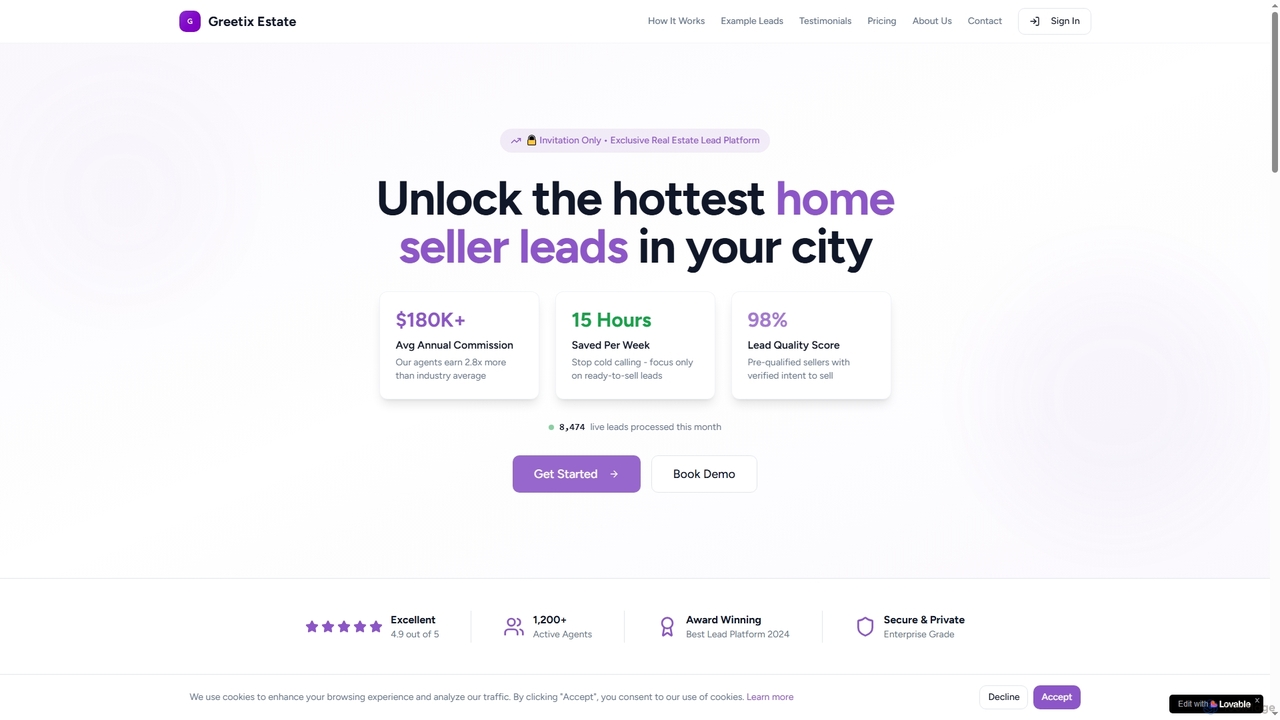
Estate is an exclusive, AI-powered real estate lead platform designed for agents to access pre-qualified home seller leads. It leverages advanced AI to identify, score, and verify potential sellers before they list, boosting commissions and saving significant time by focusing on ready-to-sell prospects.

Lead Generation
Visits 6.2KFavorites 145Likes 139
DealMachine
Paid

DealMachine

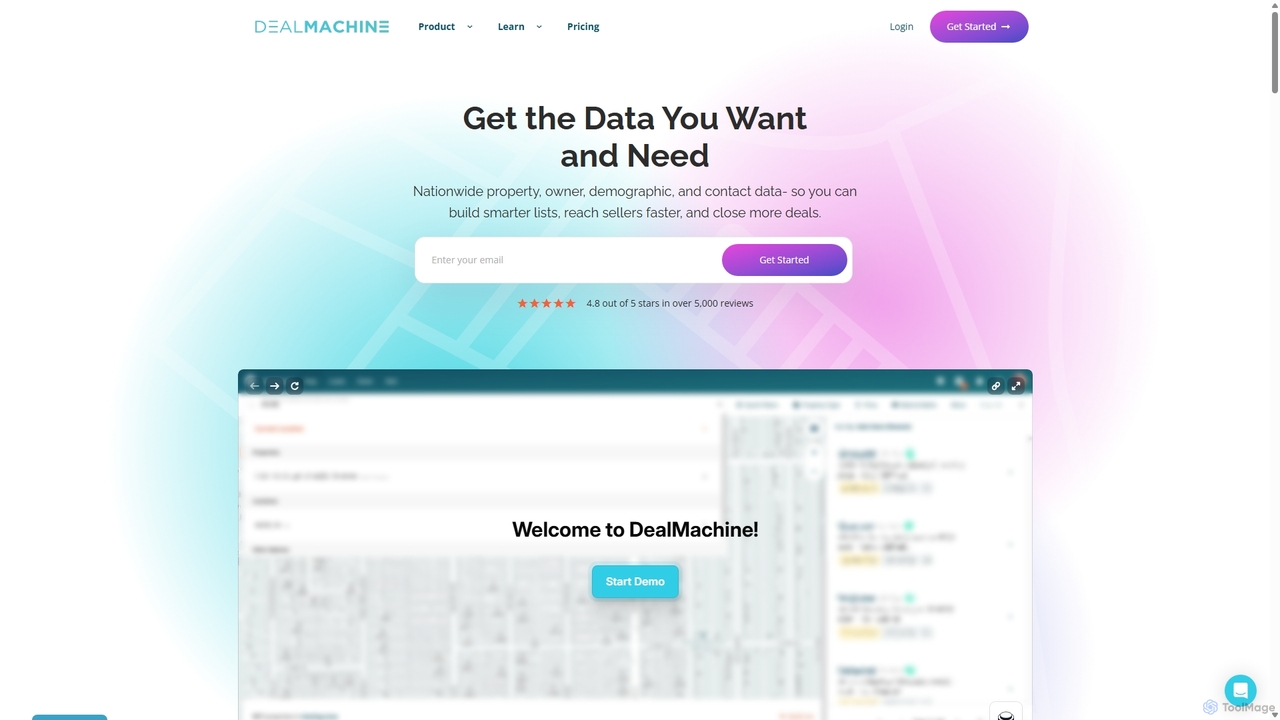
DealMachine is an all-in-one real estate investing platform designed to help investors find and close off-market deals. It combines tools like Driving for Dollars, a sophisticated list builder with over 700 filters, unlimited skip tracing for owner contact info, an AI-powered dialer, and automated direct mail marketing. This empowers wholesalers, flippers, and buy-and-hold investors to build targeted lists, contact sellers efficiently, and streamline their entire deal-finding process.

Direct Mail
Visits 179.2KFavorites 153Likes 164
Fello
Paid

Fello

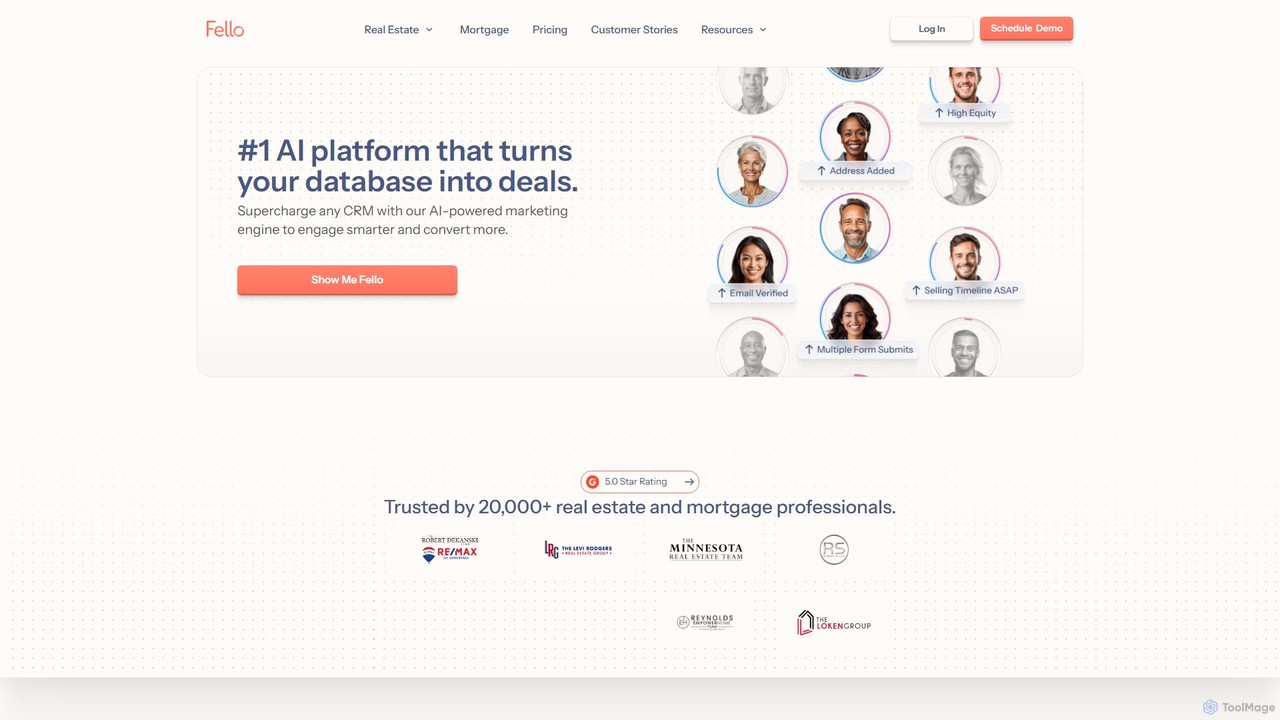
Fello is an AI-powered marketing platform designed for real estate and mortgage professionals. It enhances any CRM by enriching contact data with property and behavioral insights, automating personalized lead nurturing campaigns, and using AI to score leads and identify transaction opportunities. Fello helps agents convert their existing database into a consistent source of deals, reducing reliance on expensive lead purchases.

Marketing Automation
Visits 77.7KFavorites 126Likes 142
Deli
Paid

Deli

Deli is an AI-powered home search widget for real estate brokerage websites. It replaces traditional filters with a natural language search interface, allowing visitors to describe their dream home conversationally. By integrating with MLS, FSBO, and proprietary data, Deli provides a seamless, engaging experience that helps convert visitors into qualified leads.

Chatbot
Visits 7.5KFavorites 136Likes 128
houmify
Freemium

houmify

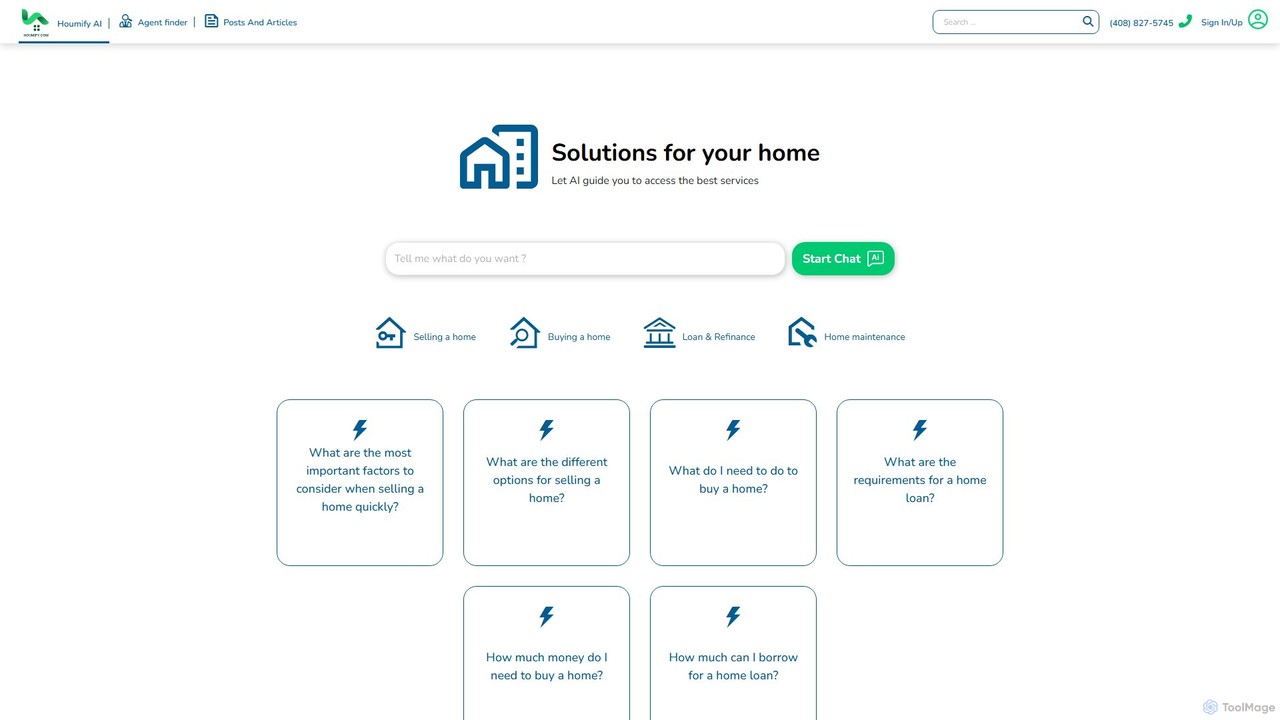
Houmify is an AI-powered real estate platform that connects homebuyers, sellers, and investors with a network of trusted agents, brokers, and loan officers. It uses a smart assistant to understand user needs and provide personalized matches, streamlining the property transaction process.

Mortgage
Visits 5.9KFavorites 133Likes 125
Celebrity Agent
Paid

Celebrity Agent

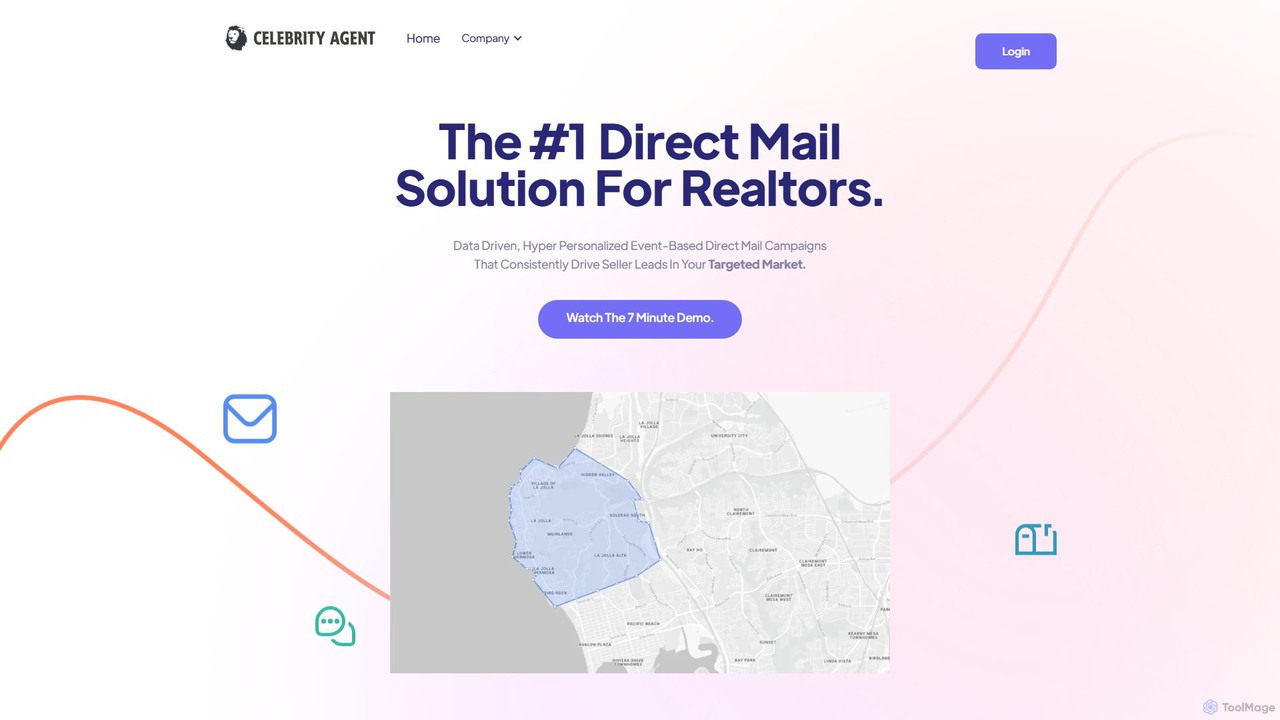
Celebrity Agent is an AI-powered marketing platform for real estate agents. It utilizes data-driven direct mail, email, and SMS campaigns to generate exclusive seller leads. The platform's AI, REES, leverages predictive analytics to identify and target high-intent homeowners, automating outreach and maximizing lead conversion.

Marketing Automation
Visits 6.2KFavorites 136Likes 134
XLeads
Paid

XLeads

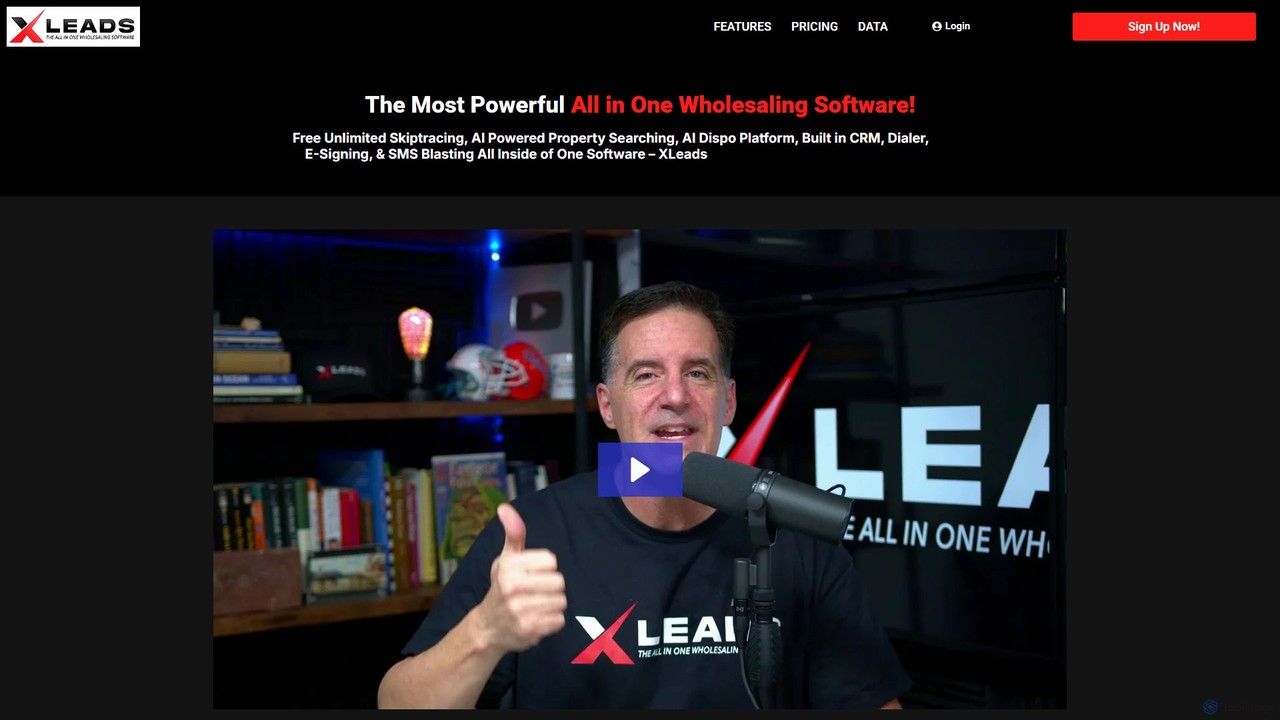
XLeads is an all-in-one, AI-powered software for real estate wholesalers. It combines unlimited free skiptracing, AI property searching, a built-in CRM, dialer, SMS blasting, and an AI disposition platform. Designed to replace multiple expensive tools, it helps wholesalers find motivated sellers, manage leads, and close deals more efficiently.

Automation
Visits 169KFavorites 120Likes 125

About Lead Generation

AI Lead Generation tools for real estate are specialized platforms that use artificial intelligence to identify, qualify, and nurture potential property buyers and sellers. These tools analyze vast datasets, including market trends, online user behavior, and public records, to predict which individuals are most likely to transact. By automating initial outreach and follow-ups, they enable agents and brokers to focus on high-intent leads, significantly improving conversion rates and operational efficiency. This technology moves beyond traditional CRMs by proactively finding new opportunities rather than just managing existing contacts.

Core Features

  • Predictive Lead Scoring: Analyzes lead data to assign a score indicating their likelihood to buy or sell, prioritizing agent follow-up.
  • Automated Nurturing Sequences: Deploys AI-powered chatbots and email campaigns to engage leads 24/7 with personalized property info.
  • Behavioral Tracking: Monitors prospects' online activities on property websites or ads to gauge their interest level and intent.
  • Data Enrichment: Appends missing contact information and demographic details to incomplete leads from various sources.
  • Property Matchmaking: Automatically suggests relevant listings to potential buyers based on their stated preferences and browsing history.

Use Cases

These tools are primarily used by real estate agents, brokerage firms, and property developers. For instance, an agent can use an AI tool to identify homeowners in a specific neighborhood who are likely to sell based on factors like property tenure and local market appreciation. A brokerage can deploy an AI chatbot on its website to instantly qualify visitors and schedule property viewings, ensuring no lead is missed.

How to Choose

When selecting a tool, consider its integration capabilities with your existing CRM (e.g., Zillow Premier Agent, Follow Up Boss). Evaluate the quality and source of its data—does it use MLS data, public records, or social media analytics? Assess the level of automation for follow-ups and determine if its pricing model (per lead, subscription, or commission split) aligns with your business goals and scale.

Lead Generation use cases

1

Identify Likely-to-Sell Homeowners

A real estate agent targets a specific high-value neighborhood to find new listings. They use an AI lead generation tool that analyzes public records, property data, and social indicators. The AI identifies homeowners who have lived in their property for over 10 years, have significant equity, and whose online behavior suggests life changes (e.g., searching for smaller homes). The agent receives a prioritized list of high-potential sellers, allowing them to focus their marketing efforts on prospects who are genuinely considering a move, increasing their listing acquisition rate.

2

Automate Buyer Lead Qualification 24/7

A real estate brokerage's website receives traffic at all hours. To avoid losing leads overnight, they implement an AI chatbot. When a visitor shows interest in a listing, the chatbot engages them, asking qualifying questions about their budget, desired move-in date, and if they are pre-approved for a mortgage. Qualified leads are automatically added to the CRM and an agent is notified for follow-up. This ensures immediate engagement and captures valuable lead data, even outside of business hours, improving lead capture rates by over 30%.

3

Re-engage Cold Leads with Property Matching

An agent has a database of hundreds of old leads that have gone cold. Manually re-engaging them is time-consuming. They use an AI tool that analyzes each cold lead's original inquiry (e.g., '3-bedroom house in downtown'). The AI then scans new MLS listings and automatically sends personalized emails to these leads with properties that match their initial criteria. This automated, relevant outreach revives dormant leads, turning a forgotten database into a source of new opportunities without significant manual effort.

4

Prospect for First-Time Homebuyers on Social Media

A mortgage broker wants to connect with first-time homebuyers. They use an AI tool to monitor public social media posts and groups in their local area for keywords related to life events like 'getting married,' 'expecting a baby,' or 'tired of renting.' The AI identifies these individuals and provides the broker with a list of potential leads. The broker can then engage these prospects with helpful, non-intrusive content about the home buying process, establishing themselves as a trusted advisor early in the customer journey.

5

Optimize Ad Spend for High-Quality Buyer Leads

A real estate marketing team runs campaigns on Google and Facebook to attract buyer leads. They use an AI platform that integrates with their ad accounts and CRM. The AI analyzes which campaigns, keywords, and demographics generate leads that actually close deals. It then automatically reallocates the ad budget in real-time, shifting funds from underperforming ads to the most profitable ones. This data-driven approach ensures the marketing budget is spent efficiently, maximizing the return on investment by focusing on lead quality over mere quantity.

6

Predict Tenant Turnover for Property Management

A large property management company needs to minimize vacancy rates across its portfolio. They use an AI lead generation tool that also analyzes tenant data. The system monitors factors like communication frequency, payment history, and maintenance requests to predict which tenants are at high risk of not renewing their lease. This allows the management team to proactively address tenant issues or begin marketing the unit to new leads weeks in advance, ensuring a smoother transition and reducing costly vacancy periods.

Lead Generation FAQ

What are AI Lead Generation tools for Real Estate?

AI Lead Generation tools for real estate are software platforms that use artificial intelligence to find, qualify, and engage potential property buyers and sellers. Unlike traditional methods, they analyze data to predict who is likely to move, automate communication to nurture leads, and score prospects based on their intent. This helps agents focus their time on the most promising opportunities, increasing efficiency and conversion rates.

How do I choose the right AI lead generation tool for my real estate business?

To choose the right tool, consider these factors:

  • CRM Integration: Ensure it seamlessly connects with your current Customer Relationship Management system to avoid manual data entry.
  • Data Sources: Ask where the data comes from. High-quality tools use a mix of MLS data, public records, and online behavioral data.
  • Lead Type: Determine if you need buyer leads, seller leads, or both, as some tools specialize in one area.
  • Cost Structure: Compare pricing models, such as monthly subscriptions, pay-per-lead, or a percentage of commission upon closing, to find what fits your budget.
What's the difference between AI Lead Generation and a traditional real estate CRM?

The main difference is their primary function. A traditional real estate CRM (Customer Relationship Management) is a database for organizing and managing your existing contacts and clients. Its goal is to help you maintain relationships. An AI Lead Generation tool, on the other hand, is designed to proactively find and qualify *new* potential clients. It often works in conjunction with a CRM, feeding it high-quality, pre-vetted leads for the agent to nurture and close.

Can AI tools replace real estate agents for lead generation?

No, AI tools do not replace real estate agents; they augment their capabilities. These tools excel at handling repetitive, data-intensive tasks like sifting through thousands of potential leads and performing initial outreach. This frees up agents from time-consuming prospecting to focus on what they do best: building personal relationships, providing expert advice, and negotiating deals. The most successful agents use AI as a powerful assistant to become more efficient and effective.

What kind of data do these AI tools use to find real estate leads?

AI lead generation tools for real estate typically use a combination of data sources to identify high-intent prospects. This often includes:

  • Public Records: Property ownership history, tax assessments, and deed transfers.
  • MLS Data: Listing history, days on market, and price changes.
  • Online Behavior: Tracking user activity on real estate websites, search engines, and social media.
  • Demographic and Life Event Data: Information about marriage, childbirth, job changes, or retirement that may trigger a move.

By synthesizing these varied data points, the AI can build a comprehensive profile of a potential lead and predict their likelihood to transact.