Real Estate Best in category 2 results Visualization AI Tool

Popular AI tools in the Visualization field of Real Estate include poolplannerai、rasterscan, etc., helping you quickly improve efficiency.

rasterscan

rasterscan

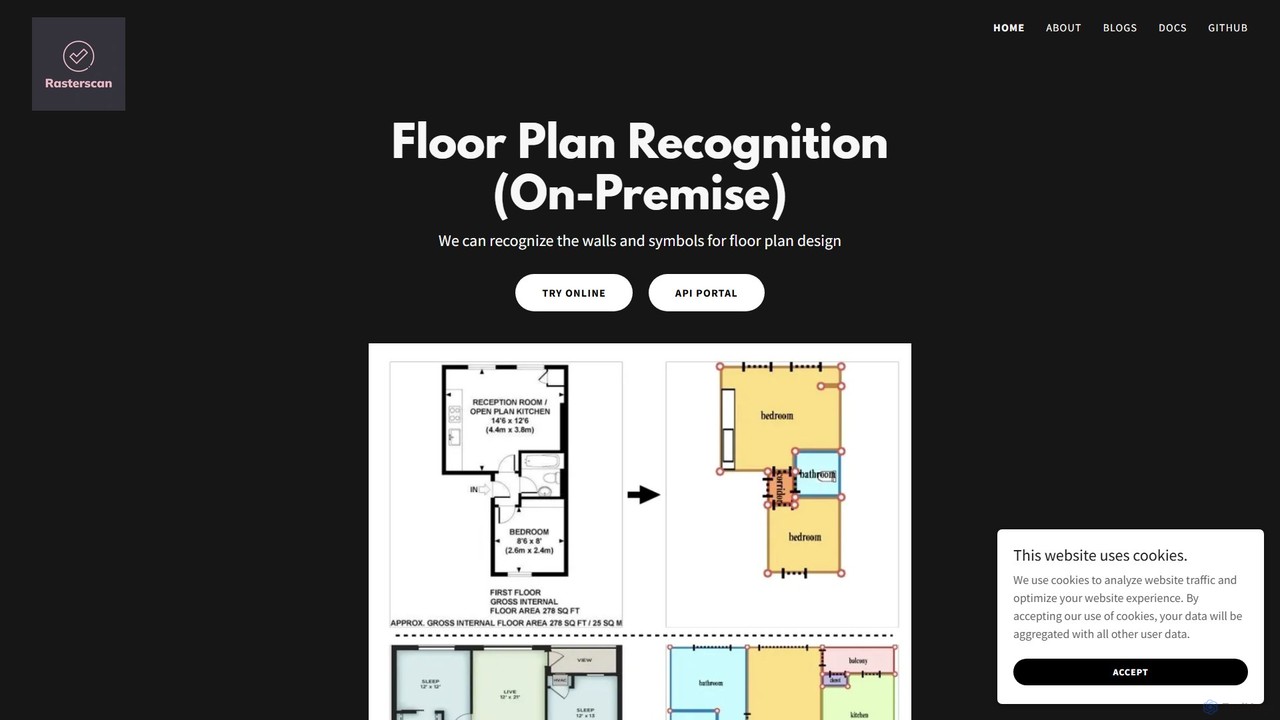
Rasterscan is an AI-powered service that specializes in floor plan recognition. It transforms raster images, such as blueprints …

3.2K
poolplannerai

poolplannerai

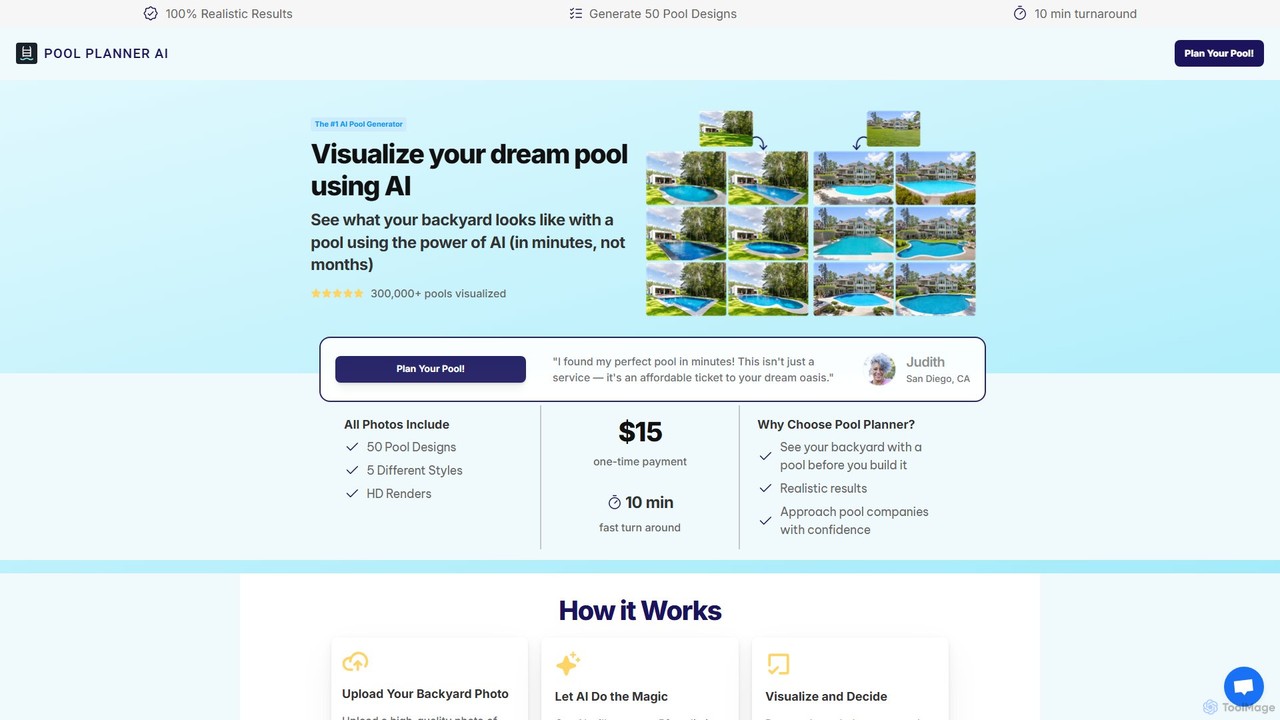
Pool Planner AI is an AI-powered design tool that helps homeowners visualize their dream pool. By uploading a …

3.2K

About Visualization

Real Estate Visualization tools are AI-powered platforms designed to transform property data, architectural plans, and concepts into immersive and interactive visual experiences. These tools leverage advanced AI algorithms, 3D rendering, and virtual/augmented reality technologies to create photorealistic representations of properties. They enable real estate professionals to showcase developments, accelerate sales, and enhance client engagement by providing realistic previews of unbuilt or existing spaces, significantly aiding buyer decision-making.

Core Features

  • Photorealistic 3D Rendering: Generate high-quality images and videos of properties, interiors, and exteriors.
  • Virtual & Augmented Reality Tours: Create immersive walkthroughs and interactive overlays of properties for remote or on-site viewing.
  • Interactive Floor Plans: Allow users to customize layouts, furniture arrangements, and material finishes in real-time.
  • Site & Masterplan Visualization: Present entire development projects within their environmental and urban context.
  • Material & Finish Customization: Enable real-time changes to design elements like flooring, wall colors, and fixtures.

Use Cases

Real Estate Visualization tools are crucial for developers marketing new projects, agents showcasing properties to remote clients, and urban planners presenting complex masterplans. They provide a tangible experience of properties that are yet to be built or difficult to visit, fostering better understanding and engagement among all stakeholders.

How to Choose

When selecting a Real Estate Visualization tool, consider the quality and realism of its rendering capabilities, the level of interactivity offered (e.g., VR/AR support), and its customization options. Evaluate integration with existing CRM or design software, ease of use, and the pricing model to ensure it aligns with your project's scale and budget.

VisualizationUse Cases

1

Pre-Sale Marketing for New Developments

Real estate developers utilize AI visualization tools to create stunning 3D renderings and virtual tours of unbuilt properties. This allows potential buyers to experience future homes or commercial spaces, explore layouts, and visualize finishes before construction begins, significantly boosting early sales and investor confidence by making abstract plans tangible.

2

Interactive Property Showcasing

Sales agents employ interactive visualization platforms to conduct virtual open houses or personalized tours for remote clients. Clients can navigate through properties, customize interior designs (e.g., change flooring, wall colors), and view different furniture arrangements in real-time, making the viewing experience highly engaging and personalized, reducing the need for physical visits.

3

Urban Planning & Masterplan Presentation

City planners and large-scale developers leverage these tools to visualize entire urban projects, including infrastructure, green spaces, and multiple buildings. This aids in presenting complex masterplans to stakeholders, gaining public approval, and identifying potential design conflicts early in the development cycle, ensuring cohesive and sustainable urban growth.

4

Interior Design & Customization for Buyers

Homebuyers or commercial tenants use visualization tools to experiment with interior design choices for their new property. They can virtually apply different materials, furniture styles, and color schemes, seeing immediate visual feedback. This empowers them to make informed design decisions and personalize their space before moving in, enhancing satisfaction.

5

Augmented Reality (AR) Property Preview

Real estate agents use AR apps on tablets or smartphones to overlay virtual property models onto physical locations or existing spaces. This allows clients to visualize how a new building will look on a vacant lot, or how a renovated interior will appear within their current home, offering a unique, on-site immersive experience that bridges the gap between digital and physical.

6

Investor Pitches & Funding Acquisition

Developers leverage high-fidelity visualizations to create compelling presentations for potential investors. By showcasing photorealistic renderings, detailed virtual walkthroughs, and interactive site plans, they can effectively communicate the vision, scale, and potential return on investment for large-scale real estate projects, securing necessary funding and stakeholder buy-in.

VisualizationFrequently Asked Questions