Research Best in category 2 results Information Aggregator AI Tool

Popular AI tools in the Information Aggregator field of Research include lingowhale、dotsfy, etc., helping you quickly improve efficiency.

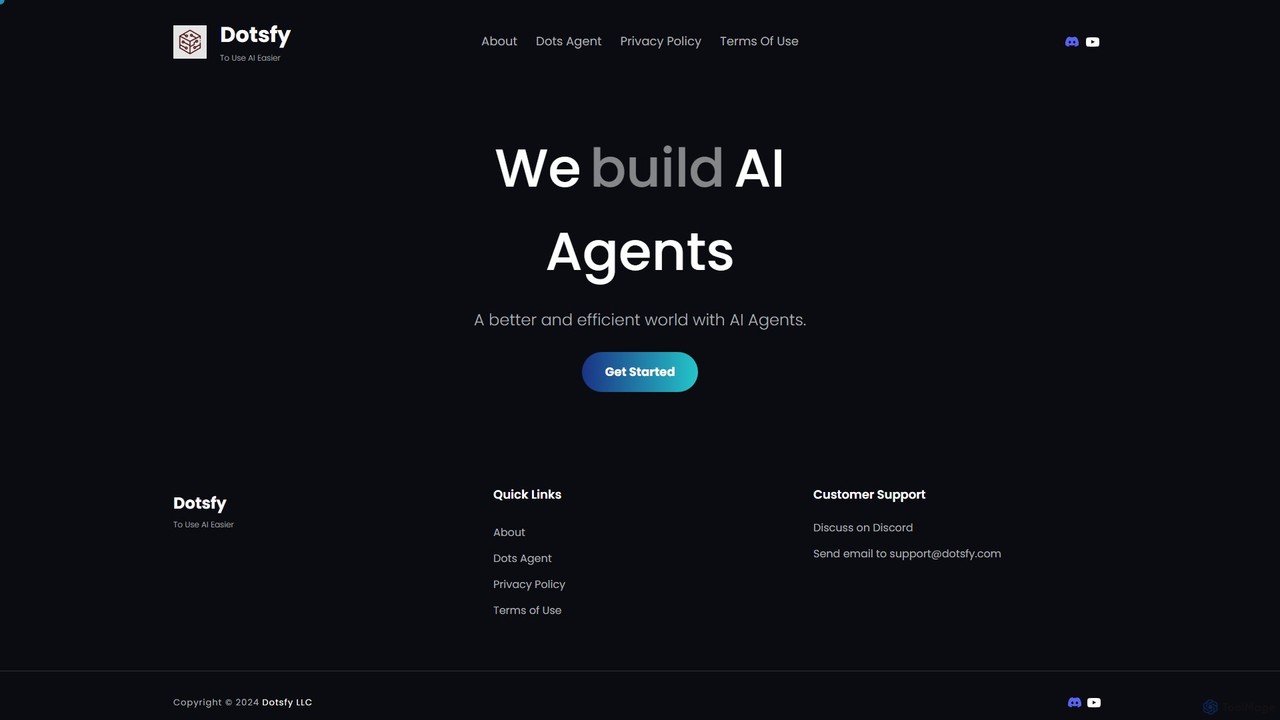
dotsfy

dotsfy

Dotsfy is an AI agent designed to maximize productivity by automating information processing. It aggregates content from sources …

2.9K
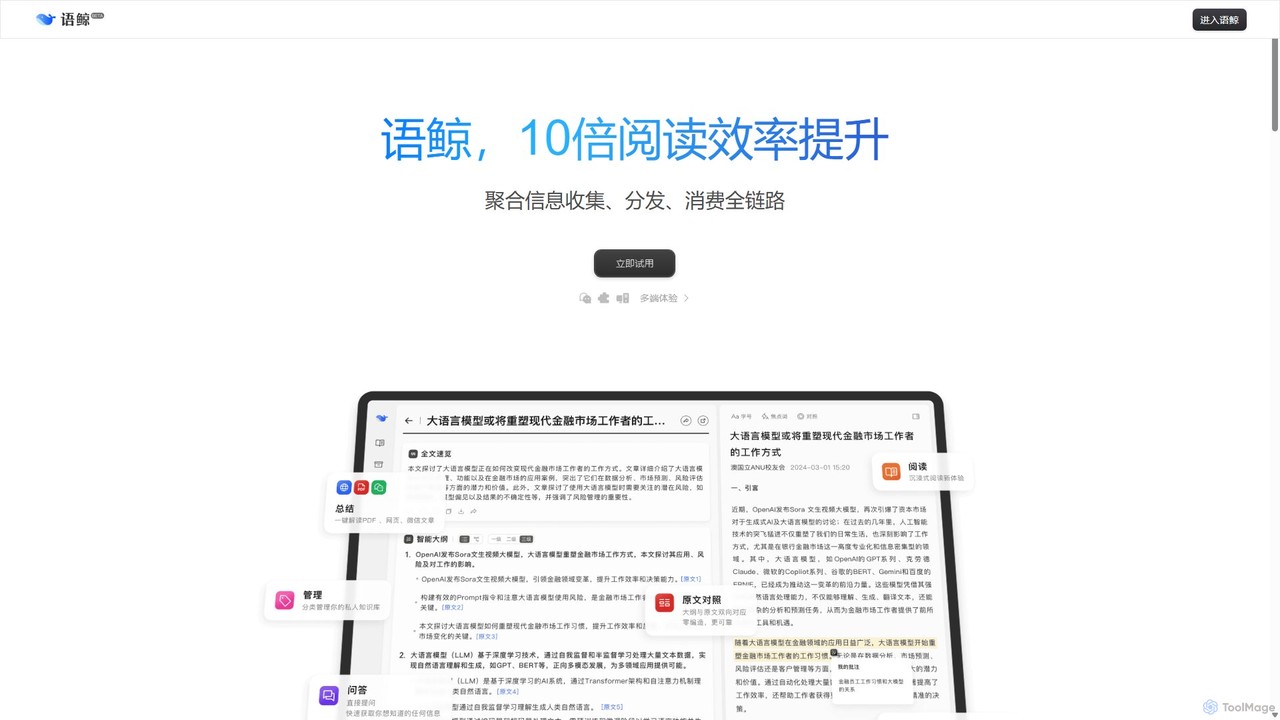
lingowhale

lingowhale

LingoWhale is an AI-powered reading and research assistant designed to enhance information processing. It intelligently summarizes web pages, …

95.2K

About Information Aggregator

Information Aggregators are AI-powered tools that automatically collect, organize, and synthesize data from multiple online sources into a coherent and digestible format. These tools utilize technologies like web scraping and Natural Language Processing (NLP) to filter irrelevant content, identify key themes, and summarize vast amounts of information. They are essential for anyone needing to stay updated on specific topics, monitor industry trends, or conduct comprehensive research without manually sifting through countless websites. Their primary value is transforming information overload into structured, actionable intelligence.

Core Features

  • Automated Data Sourcing: Gathers information from a wide range of sources, including news sites, blogs, social media, forums, and academic journals.
  • AI-Powered Curation & Filtering: Uses machine learning to filter out noise and select the most relevant content based on user-defined keywords, topics, or concepts.
  • Content Summarization: Employs NLP to generate concise summaries of articles, reports, and discussions, saving significant reading time.
  • Trend & Anomaly Detection: Analyzes aggregated data to identify emerging trends, shifts in sentiment, or unusual patterns.
  • Personalized Digests & Alerts: Delivers customized reports, newsletters, or real-time alerts based on individual user interests and needs.

Use Cases

Information Aggregators are invaluable in roles that depend on timely and comprehensive information. Market analysts use them for competitive intelligence, researchers for literature reviews, and marketing teams for brand monitoring. Financial professionals leverage these tools to track market-moving news, while content creators use them to curate relevant articles for their audience.

How to Choose

When selecting an Information Aggregator, evaluate the breadth and quality of its data sources. Assess the sophistication of its AI-powered filtering and summarization capabilities. Consider its integration options with other platforms (like Slack or CRM) and check if it offers customizable dashboards and alert systems. Finally, compare pricing models, which often vary based on the number of sources, users, or data volume.

Information AggregatorUse Cases

1

Automate Competitor and Market Monitoring

A market intelligence analyst needs to track multiple competitors, industry news, and regulatory changes daily. Instead of manually checking dozens of websites and news feeds, they use an Information Aggregator to set up monitoring for specific company names, keywords, and topics. The tool automatically collects all relevant mentions, articles, and press releases, filters out duplicates and noise, and delivers a summarized daily digest directly to their inbox or Slack channel. This saves hours of manual work and ensures no critical information is missed.

2

Streamline Academic Literature Reviews

A postgraduate researcher is working on a literature review for their thesis. They need to find all relevant papers on a niche topic published across various academic databases like PubMed, arXiv, and Google Scholar. By using an Information Aggregator, they can create a single, continuous search query that scans all these sources. The tool aggregates new publications as they appear, provides AI-generated summaries to quickly assess relevance, and helps identify seminal papers and key authors in the field. This transforms a months-long manual process into a manageable, ongoing task.

3

Create Hyper-Personalized News Feeds

A technology executive wants to stay ahead of trends in AI, quantum computing, and biotech, but finds mainstream news outlets too broad. Using an Information Aggregator, they create a personalized feed that pulls content from specialized tech blogs, research pre-print servers, and specific journalists on Twitter. The AI filters the content for significance and novelty, ensuring the executive receives a highly relevant, curated briefing each morning. This allows them to absorb critical industry intelligence efficiently without being distracted by irrelevant headlines.

4

Monitor Brand Reputation and Industry Buzz

A public relations manager is responsible for tracking their company's brand perception online. They configure an Information Aggregator to monitor brand mentions, executive names, and key product terms across news sites, blogs, and social media platforms like Twitter and Reddit. The tool's sentiment analysis feature automatically flags negative mentions for immediate attention. It also identifies influential voices discussing the brand, helping the PR team engage with key opinion leaders and manage their online reputation proactively.

5

Identify Emerging Investment Signals

A financial analyst at a venture capital firm uses an Information Aggregator to scout for promising startups and technologies. They set up feeds to track mentions of specific technologies (e.g., 'generative adversarial networks in drug discovery'), funding announcements, and key personnel movements from university research labs and competitor firms. The aggregator surfaces early, weak signals that might indicate a breakthrough or a new market opportunity long before it becomes mainstream news, providing a critical competitive edge in investment decision-making.

6

Curate Content for Newsletters and Blogs

A content creator runs a popular weekly newsletter on a niche subject. To find the best content to share, they use an Information Aggregator to monitor hundreds of blogs, news sites, and social media discussions related to their topic. The tool ranks articles by relevance and social engagement, allowing the creator to quickly identify the most interesting and share-worthy pieces. They can then use the AI-generated summaries as a starting point for their own commentary, significantly reducing the time spent on research and curation each week.

Information AggregatorFrequently Asked Questions