Best of the Year 9 results Retail AI Tools

Popular AI tools in the Retail field include Perfect Corp、Fynd、verteego、Odeko、flameanalytics、Caper、Snapss、twinit、Calton Datx, etc., helping you quickly improve efficiency.

Calton Datx

Calton Datx

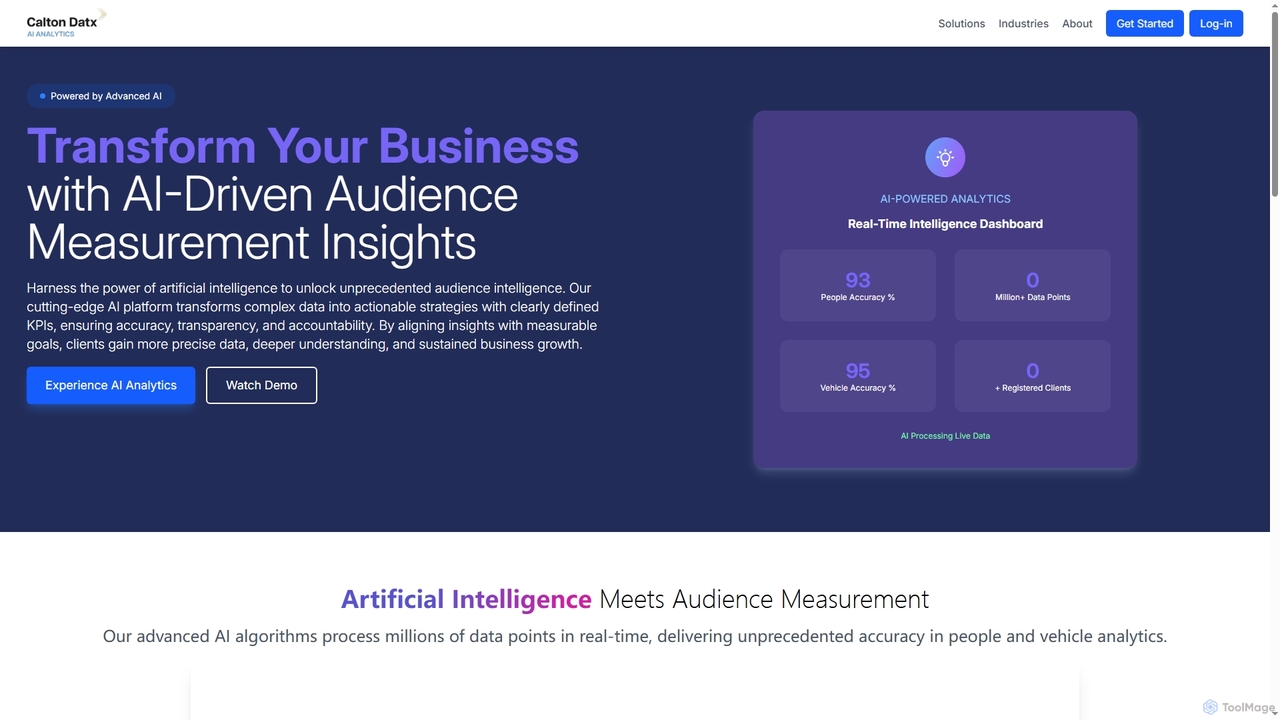
Calton Datx is an AI-powered audience measurement and analytics platform that provides real-time insights into people and vehicle …

3.7K
Snapss

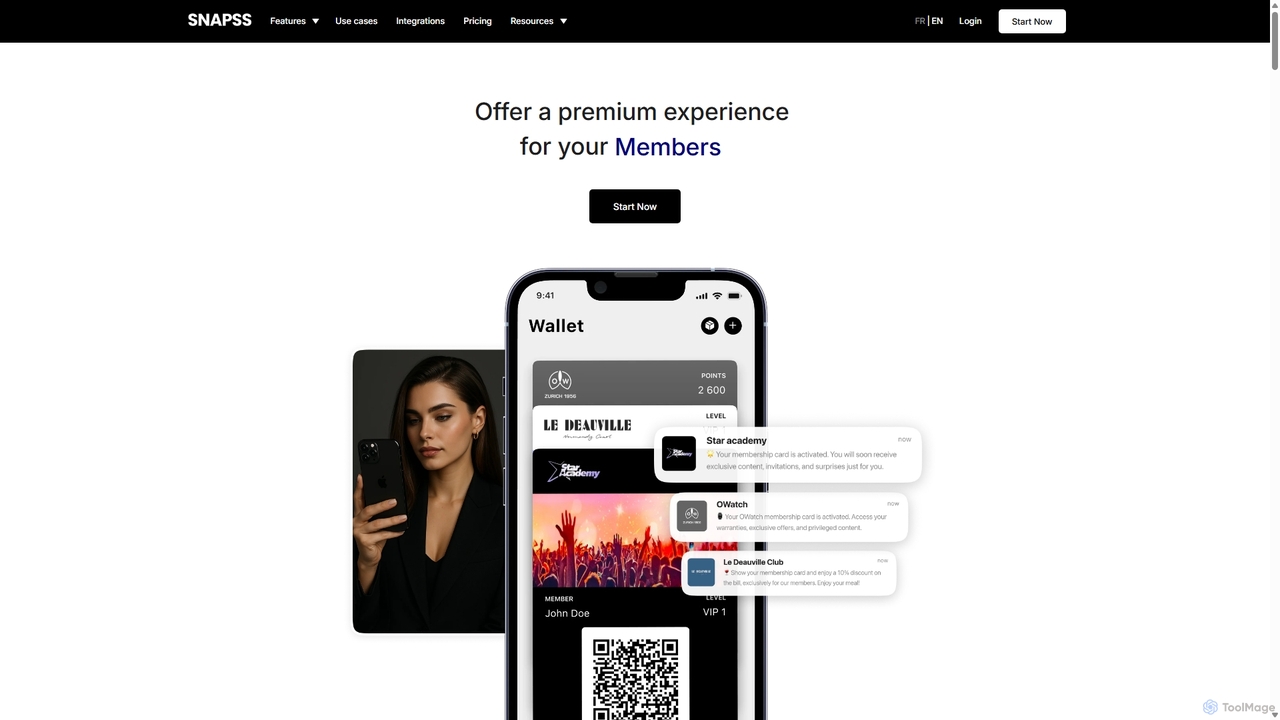
Snapss

Snapss is an all-in-one digital loyalty platform that enables businesses to create and manage membership cards, rewards programs, …

4.9K
Caper

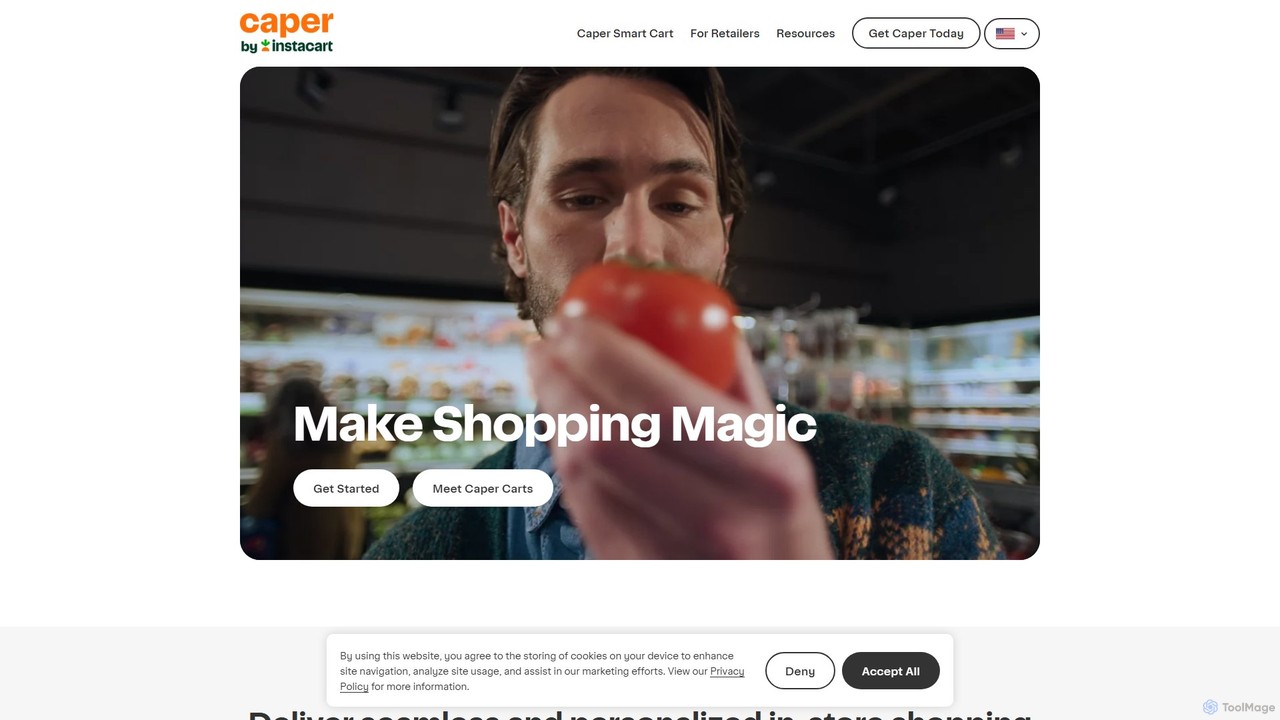
Caper

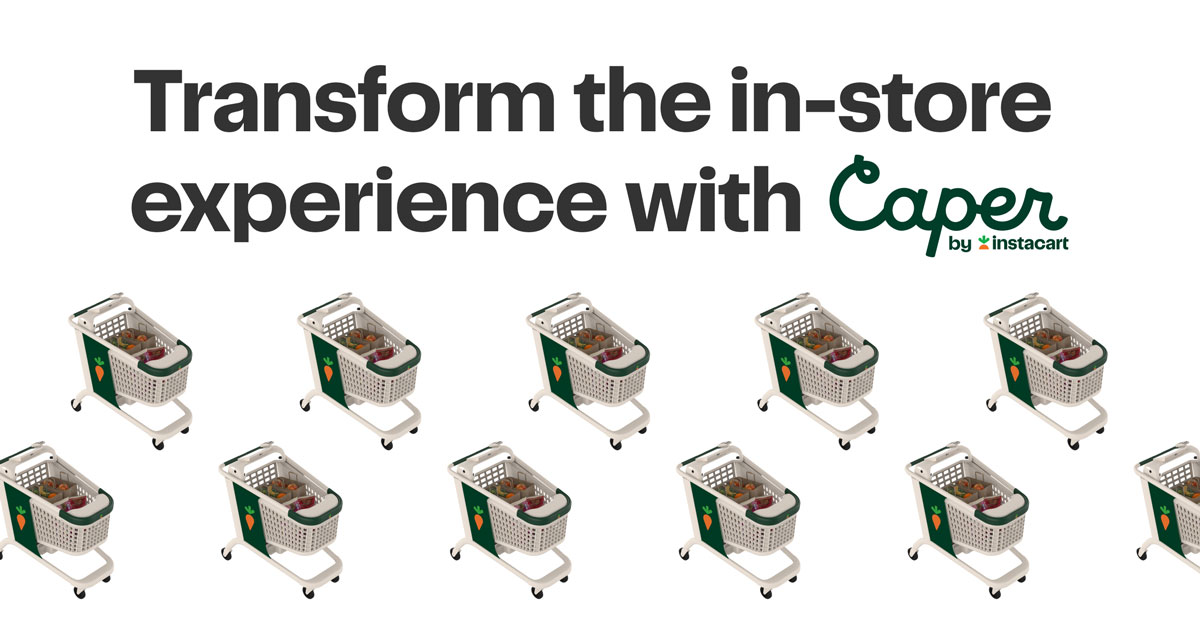
Caper, by Instacart, is an AI-powered smart shopping cart that revolutionizes the in-store retail experience. Using computer vision …

12.9K
twinit

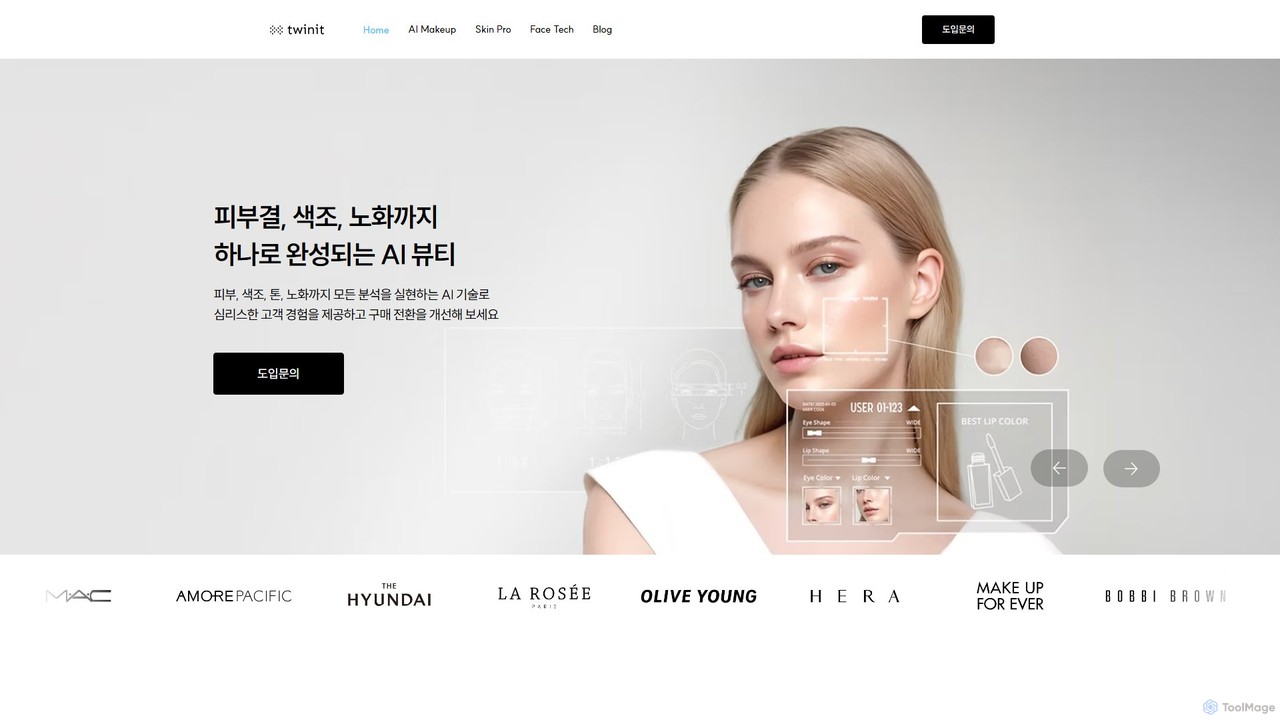
twinit

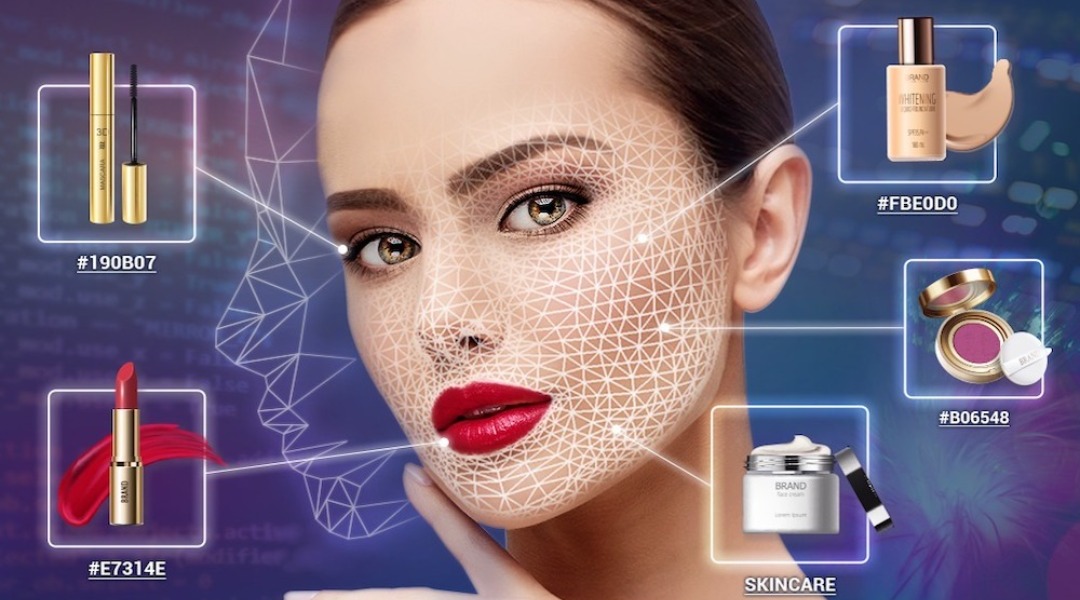
twinit is an advanced AI beauty technology solution offering hyper-realistic virtual makeup try-ons and in-depth skin analysis. Designed …

4.5K
Fynd

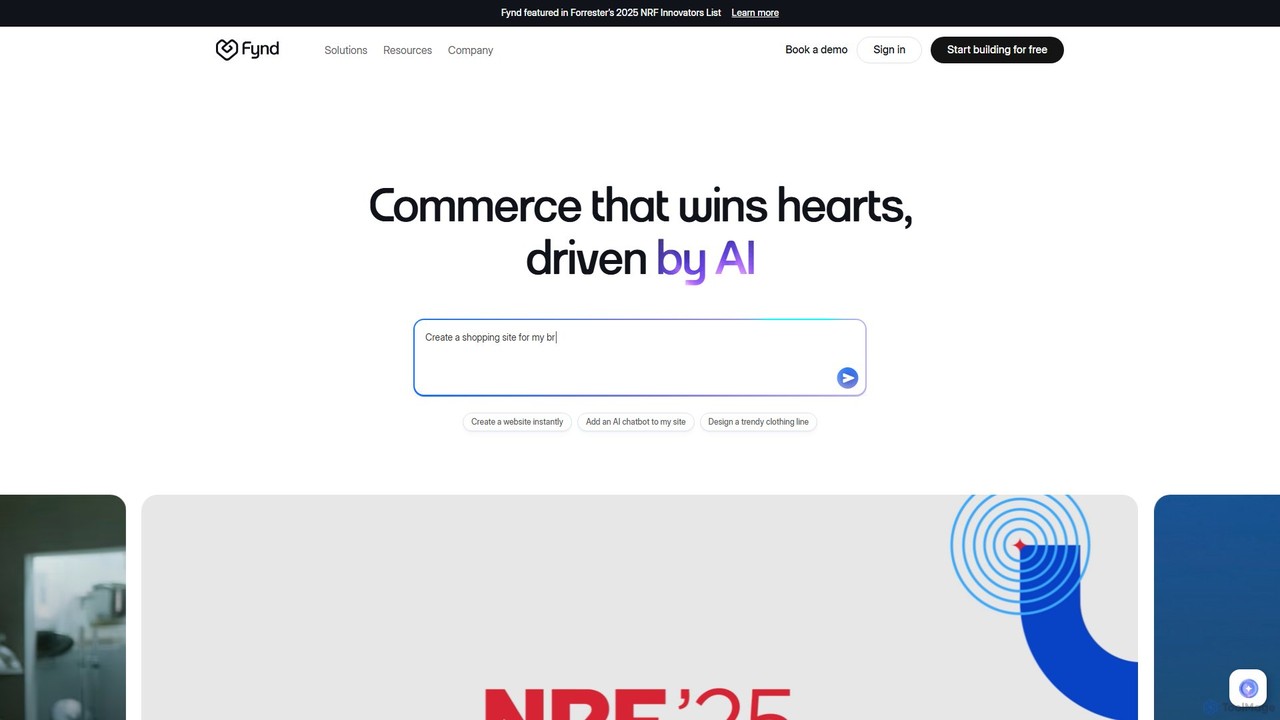
Fynd

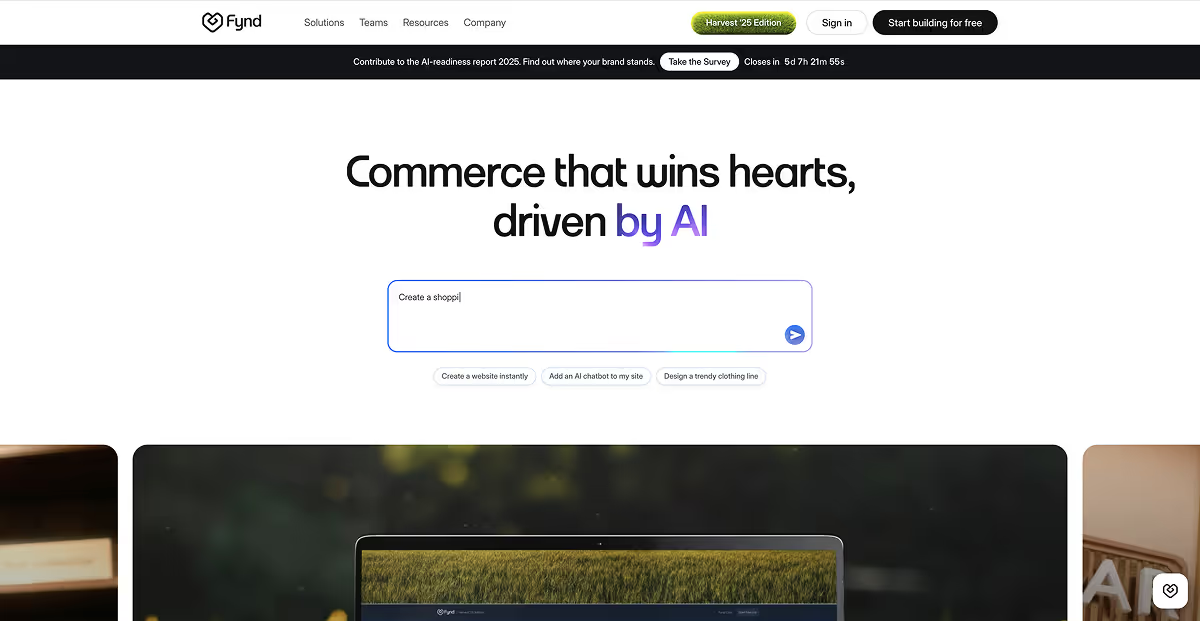
Fynd is an AI-powered omnichannel commerce platform designed for retail businesses. It provides a comprehensive suite of tools …

212.6K
verteego

verteego

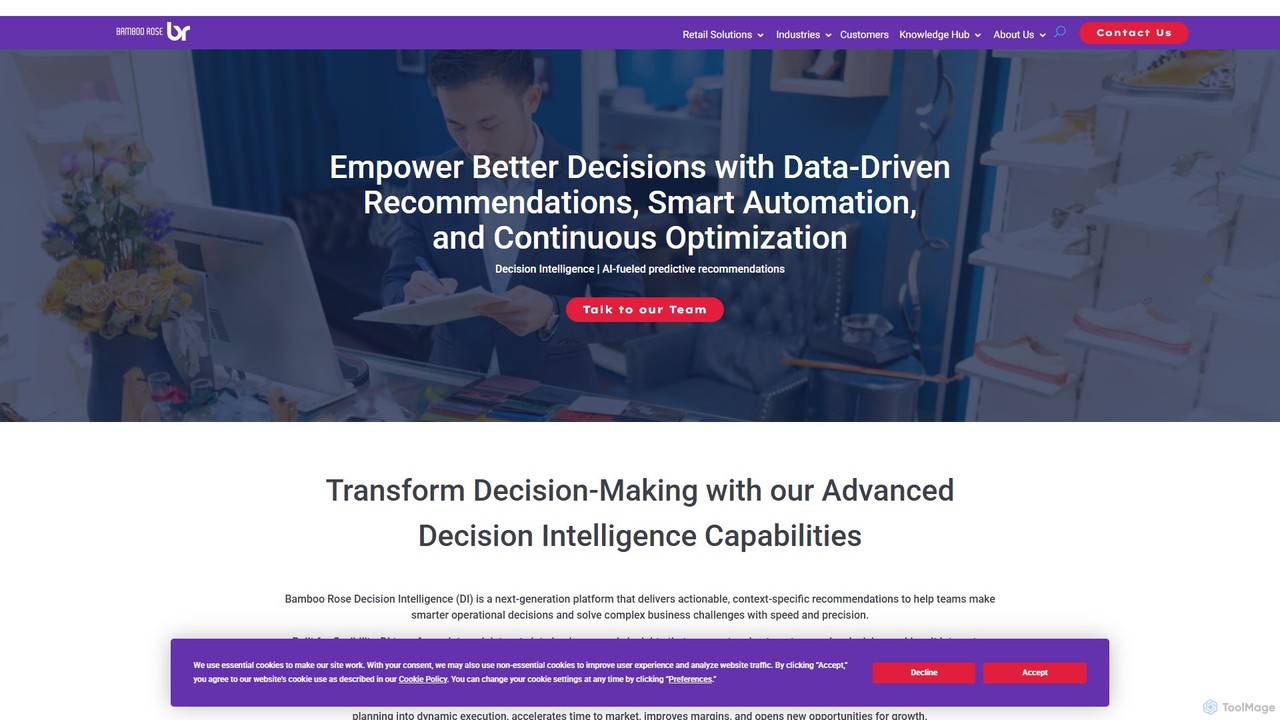
Verteego is an AI-powered decision intelligence platform, now part of Bamboo Rose, designed for the retail industry. It …

146.5K
flameanalytics

flameanalytics

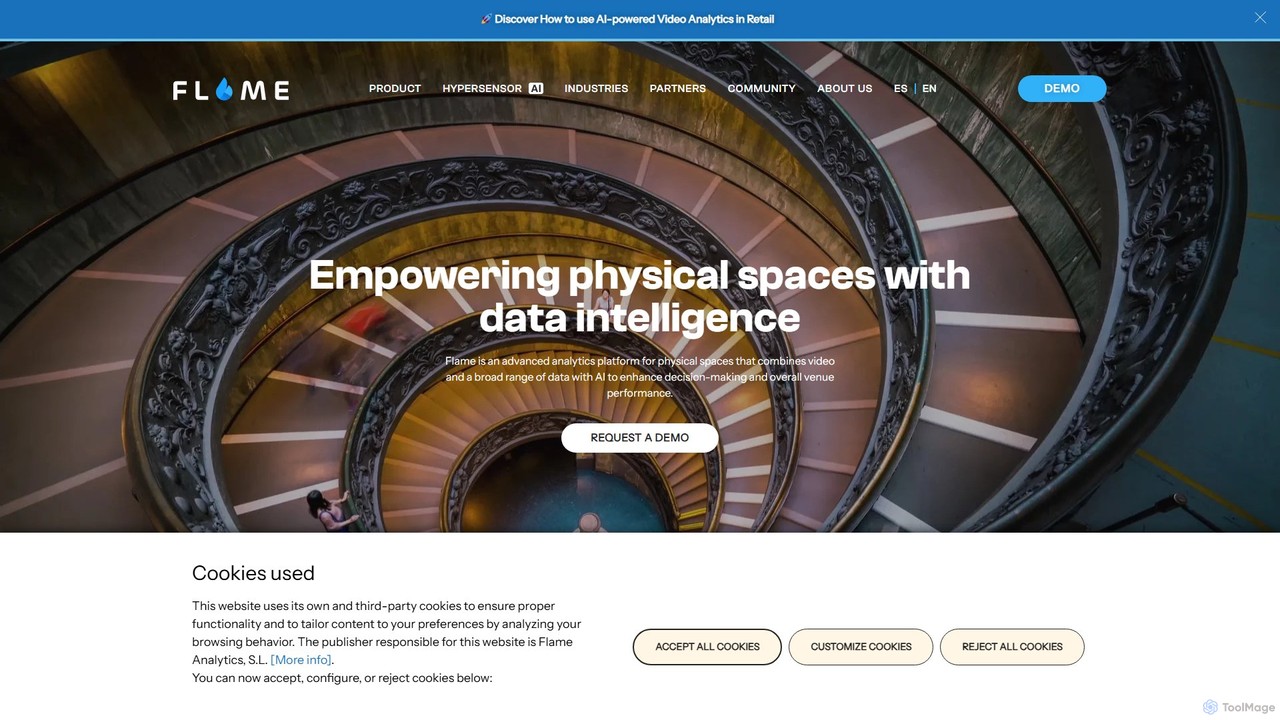
flameanalytics is an advanced AI-powered analytics platform for physical spaces. It integrates data from CCTV, WiFi, and other …

33.7K
Odeko

Odeko

Odeko is an AI-powered, all-in-one operations platform for cafes and coffee shops. It simplifies supply chain management by …

40.6K
Perfect Corp

Perfect Corp

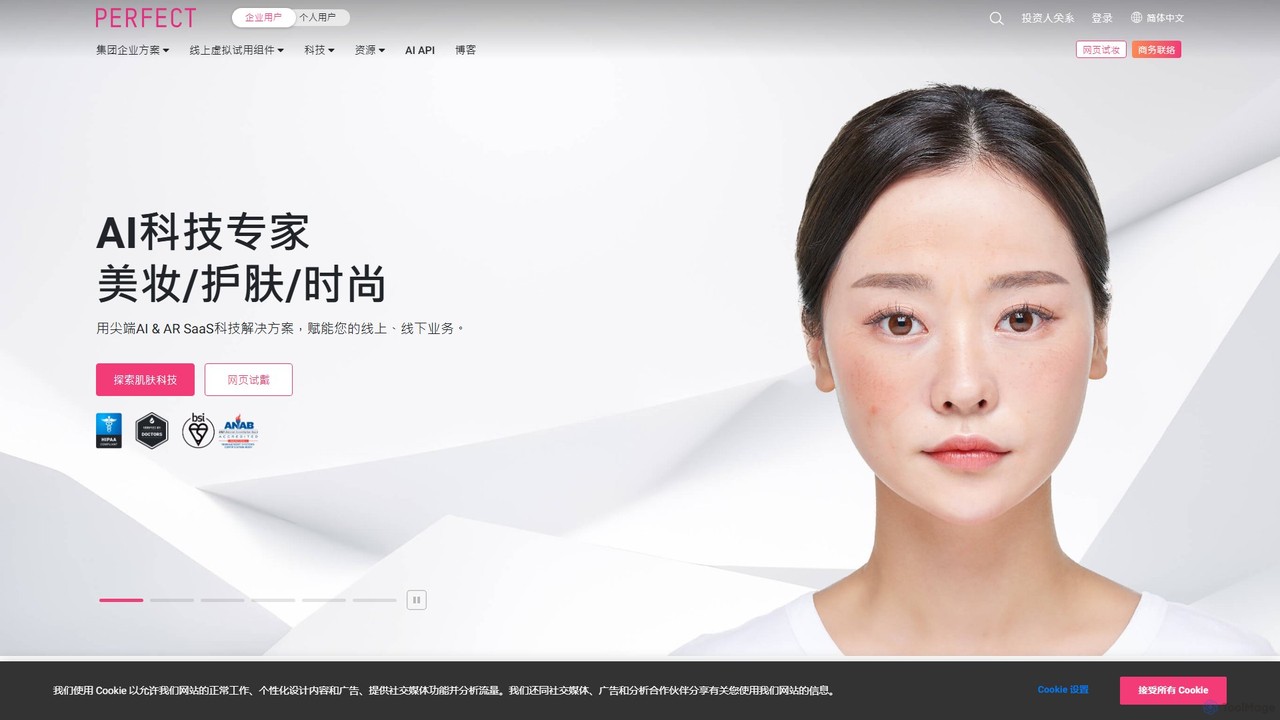
Perfect Corp is a leading SaaS provider offering AI and AR solutions for the beauty and fashion industries. …

3.5M

About Retail

AI Retail tools are a class of software designed to optimize and automate various aspects of the retail industry using artificial intelligence. These tools leverage machine learning for demand forecasting, computer vision for in-store analytics, and natural language processing for customer interactions. They empower businesses to make data-driven decisions, personalize customer experiences, and streamline operations from supply chain to point of sale. This results in increased efficiency, higher sales, and improved customer satisfaction.

Core Features

  • Demand Forecasting: Analyzes historical data and market trends to predict future product demand and optimize inventory levels.
  • Personalized Recommendations: Suggests products to customers based on their browsing history, purchase behavior, and user profile.
  • In-Store Analytics: Uses computer vision to monitor foot traffic, customer paths, and product engagement on shelves.
  • Dynamic Pricing: Automatically adjusts product prices based on real-time demand, competitor pricing, and inventory.
  • AI-Powered Chatbots: Provides 24/7 automated customer support for inquiries about orders, returns, and product information.

Use Cases

AI Retail tools are utilized by e-commerce platforms to enhance online shopping experiences and by brick-and-mortar stores to optimize physical layouts and operations. Supply chain managers use them for inventory control, while marketing teams leverage them for targeted campaigns and customer segmentation. They are essential for any retail business aiming to gain a competitive edge through data.

How to Choose

When selecting an AI Retail tool, first consider its integration capabilities with your existing systems like POS, CRM, or ERP. Evaluate its scalability to ensure it can handle your business growth and data volume. Assess the specific functionalities offered—whether you need e-commerce personalization, supply chain optimization, or in-store analytics. Finally, review the data security protocols to ensure compliance with privacy regulations.

RetailUse Cases

1

Optimizing Inventory with Demand Forecasting

An e-commerce inventory manager is tasked with preventing stockouts of popular items while avoiding overstock of slow-moving products. By using an AI retail tool, they can analyze historical sales data, seasonality, and market trends to generate accurate demand forecasts for each SKU. The system automatically suggests reorder points and quantities, ensuring optimal stock levels. This data-driven approach leads to a significant reduction in holding costs and minimizes lost sales due to stockouts, directly improving profitability.

2

Personalizing the Online Shopping Experience

A digital marketing specialist for an online fashion brand aims to increase conversion rates and average order value. They implement an AI recommendation engine on their website. This tool analyzes each visitor's real-time behavior, such as clicks, time spent on pages, and items added to the cart, and compares it with historical data from similar users. It then dynamically displays personalized product recommendations on the homepage, product pages, and at checkout. This tailored experience helps customers discover relevant products, leading to higher engagement and a measurable uplift in sales.

3

Enhancing In-Store Layout with Foot Traffic Analysis

A brick-and-mortar store manager wants to understand customer behavior within the physical store to optimize product placement and layout. They install AI-powered cameras that anonymously track customer movements. The system generates heatmaps showing high-traffic areas, identifies common customer paths, and measures dwell time at specific displays. Using these insights, the manager can place high-margin products in popular zones and redesign store flow to reduce bottlenecks. This leads to an improved shopping experience and an increase in impulse purchases.

4

Automating Customer Service with AI Chatbots

The head of customer support for a large retailer faces high call volumes and long wait times, especially for common queries like 'Where is my order?'. They deploy an AI chatbot on their website and messaging apps. The chatbot is integrated with their order management system, allowing it to provide real-time, personalized order status updates. It can also handle returns, answer FAQs, and escalate complex issues to a human agent. This 24/7 availability reduces the workload on human agents, allowing them to focus on more complex problems, and significantly improves customer satisfaction by providing instant answers.

5

Implementing Dynamic Pricing for Competitive Advantage

A pricing analyst for a consumer electronics retailer needs to stay competitive without sacrificing margins. They use an AI dynamic pricing tool that continuously monitors competitor prices, market demand, inventory levels, and even external factors like news events. The AI algorithm recommends or automatically applies price adjustments in real-time to maximize revenue and profit. For example, it might lower the price of a product to match a competitor's sale or increase it slightly when demand is high and stock is low. This allows the retailer to react instantly to market changes, a task impossible to do manually at scale.

6

Preventing Fraud in E-commerce Transactions

An e-commerce fraud prevention manager is dealing with a rise in fraudulent transactions and costly chargebacks. They integrate an AI-powered fraud detection system into their checkout process. The tool analyzes hundreds of data points for each transaction in real-time, including user behavior, device information, IP location, and transaction history. It generates a risk score and can automatically block high-risk orders or flag them for manual review. This proactive approach significantly reduces chargeback rates and financial losses, while its machine learning models continuously adapt to new fraud patterns, staying ahead of criminals.

RetailFrequently Asked Questions