ToolMage
Sign in

Best 59 Automation AI tools for Sales

Popular Automation AI tools in Sales include Sapling, PhantomBuster, Gupshup, Landbot, Notbot, Chatfuel, Palomma, Marsello, Truora, and BotPenguin, helping you work more efficiently.

Chatfuel
Freemium

Chatfuel

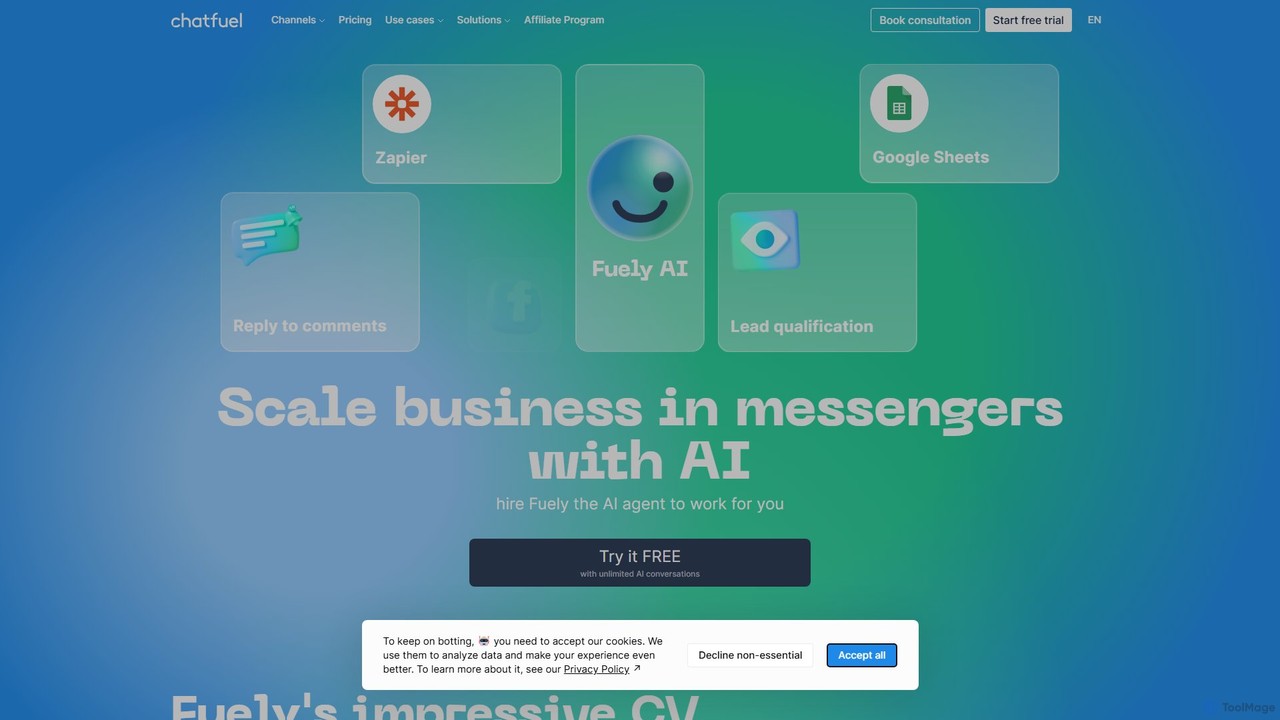
Chatfuel is a leading no-code platform for building AI-powered chatbots on WhatsApp, Facebook Messenger, and Instagram. As an official Meta partner, it helps businesses automate sales, marketing, and customer support. Featuring a built-in ChatGPT integration, it enables human-like conversations to qualify leads, answer FAQs, recover abandoned carts, and drive sales 24/7. With powerful tools for segmentation, analytics, and integrations, Chatfuel empowers businesses to scale customer engagement and revenue through automated messaging.

Automation
Visits 207.3KFavorites 146Likes 170
WhatsBotPro
Freemium

WhatsBotPro

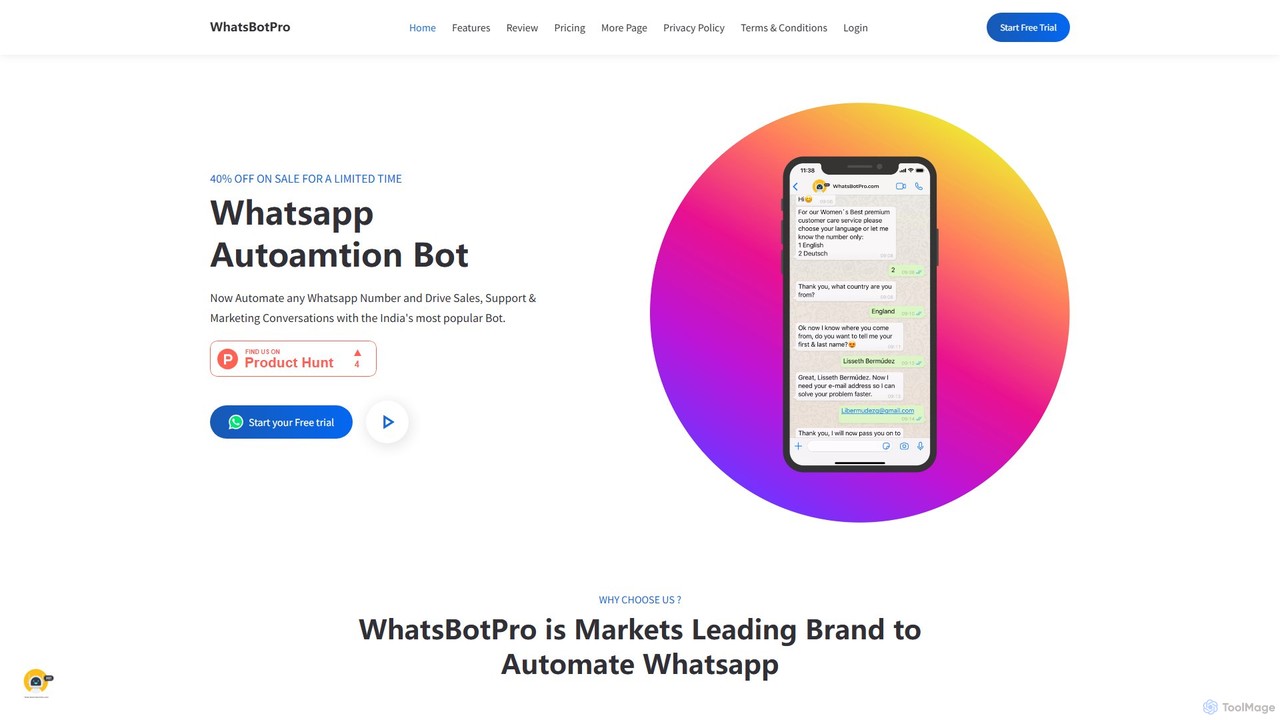
WhatsBotPro is a powerful WhatsApp automation platform designed to enhance sales, marketing, and customer support. It enables businesses to deploy no-code AI chatbots, send bulk personalized messages, schedule campaigns, and engage customers with interactive buttons. Ideal for businesses looking to scale communication and drive growth on WhatsApp.

Chatbot
Visits 6.2KFavorites 146Likes 132
Zaia
Freemium

Zaia

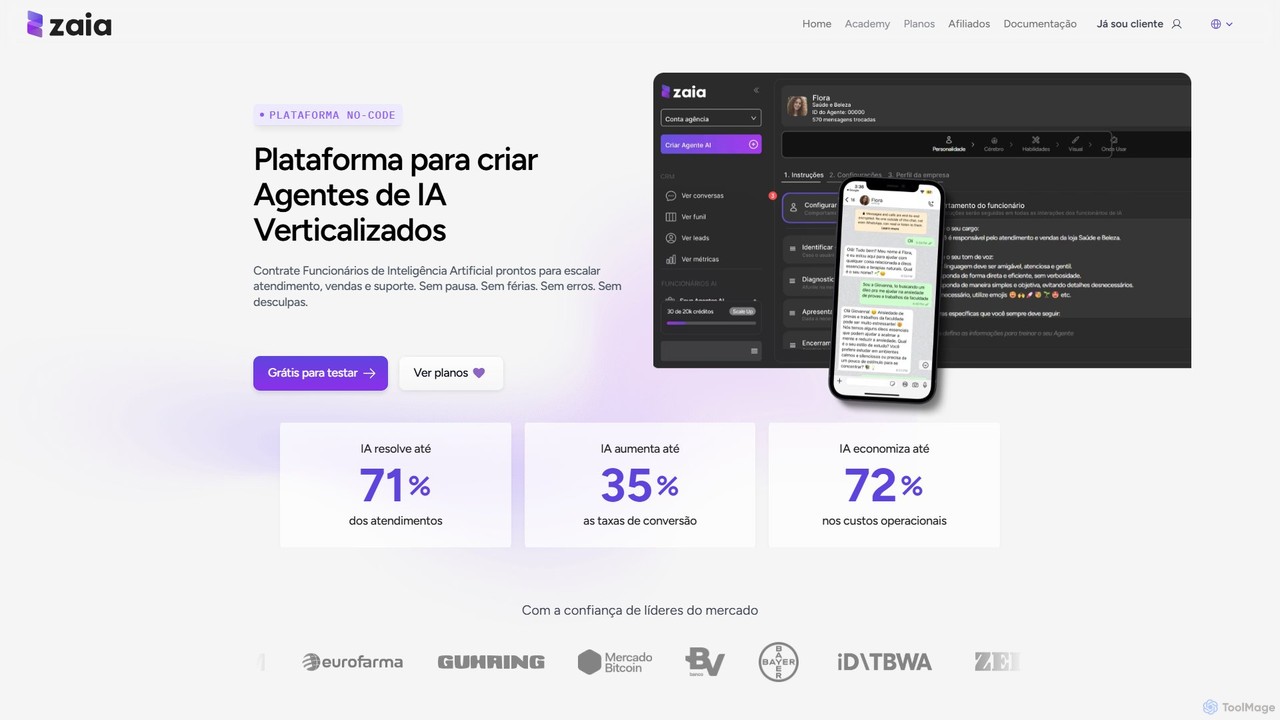
Zaia is a no-code platform for creating and deploying specialized AI Employees for customer support and sales. These AI agents operate 24/7 across multiple channels like WhatsApp and Instagram, handling inquiries, qualifying leads, and automating tasks to scale your business operations, increase conversions, and reduce costs.

Chatbot
Visits 30.9KFavorites 145Likes 142
Askflow
Paid

Askflow

Askflow is an AI-powered agentic commerce platform designed for eCommerce businesses. It uses intelligent chatbots to deliver personalized shopping experiences, guide customers to the right products, and automate sales processes like upselling, cross-selling, and cart recovery to significantly boost conversion rates and customer loyalty.

Live Chat
Visits 7.2KFavorites 142Likes 145
Threado
Freemium

Threado

Threado was an AI platform designed to empower customer-facing teams. It created AI agents trained on internal knowledge to provide instant, automated support via Slack, MS Teams, and a Chrome extension. Please note: Threado AI has been shut down.

Chatbot
Visits 5.9KFavorites 112Likes 118
Dasha
Freemium

Dasha

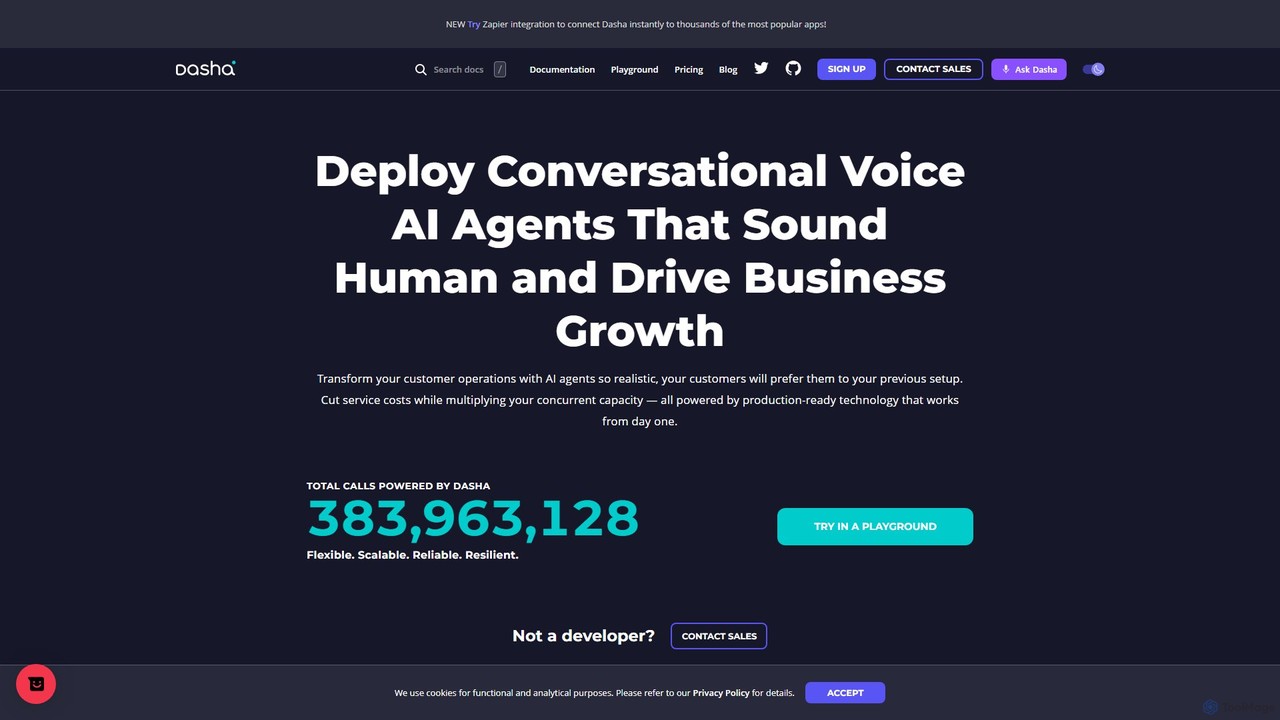
Dasha is an advanced conversational AI platform for building ultra-realistic, human-like voice agents. It enables businesses to automate sales, customer service, and other voice-based operations at scale, reducing costs while enhancing customer experience. Designed for developers, it offers deep customization, extensive integrations, and enterprise-grade reliability.

Voice Agent
Visits 25.7KFavorites 110Likes 121
ChatMaxima
Freemium

ChatMaxima

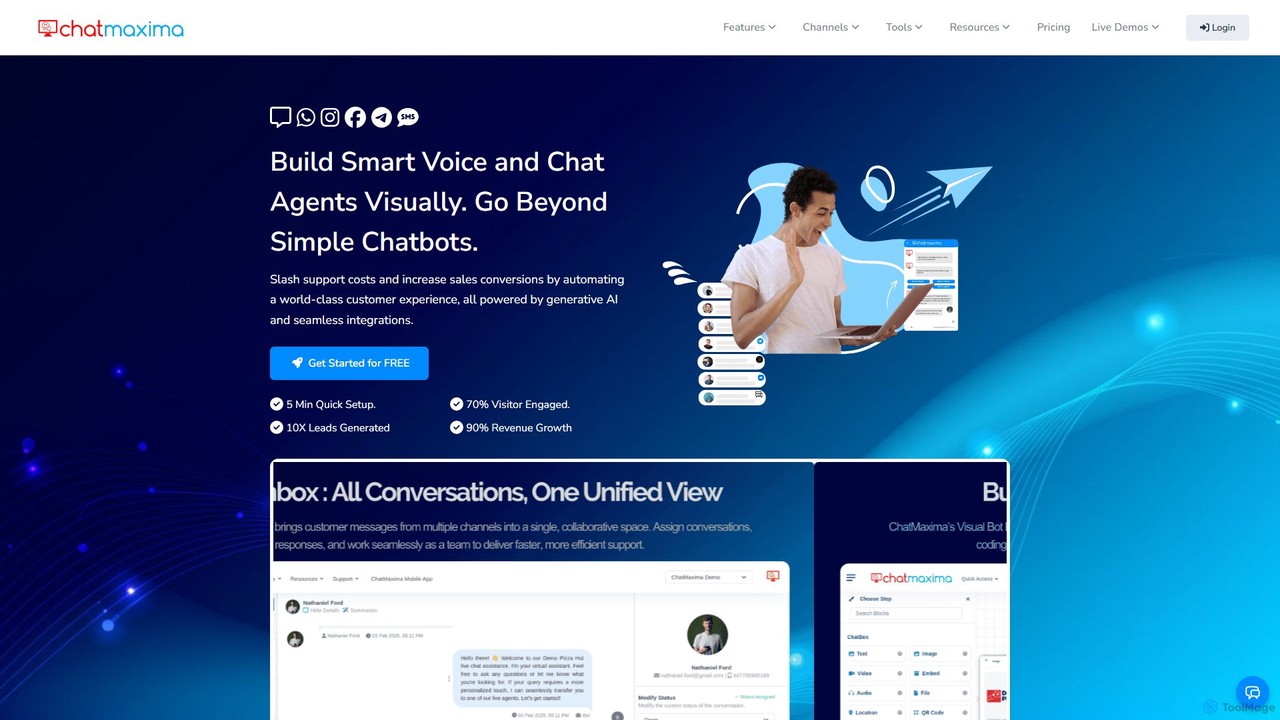
ChatMaxima is an AI-powered conversational platform for building smart voice and chat agents without code. It automates customer support, lead generation, and sales across multiple channels like WhatsApp, Instagram, and websites, featuring a drag-and-drop builder, seamless CRM integrations, and advanced analytics to boost engagement and conversions.

Chatbots
Visits 44.8KFavorites 148Likes 145
Droplo
Freemium

Droplo

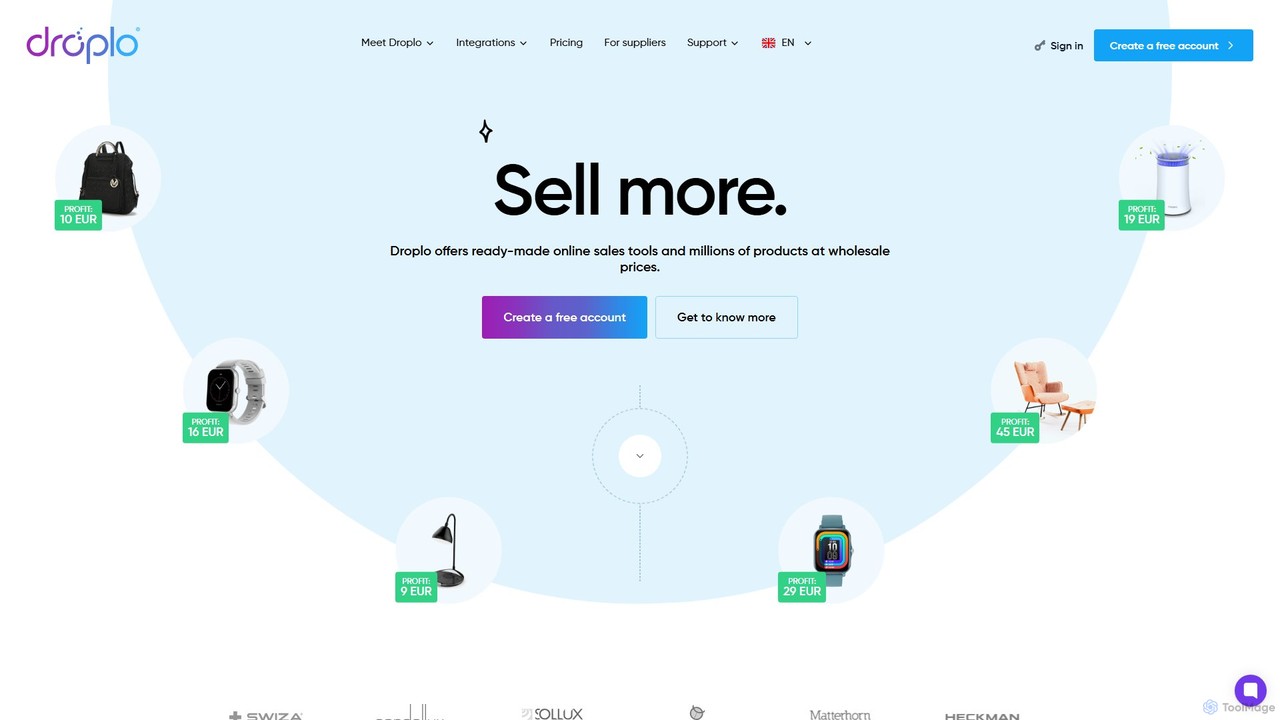
Droplo is an all-in-one B2B e-commerce platform that connects retailers with global wholesale suppliers. It specializes in dropshipping and sales automation, offering millions of products, seamless integrations with major e-commerce platforms like Shopify and WooCommerce, and AI-powered tools for product management. Automate your orders, expand your product catalog, and scale your online business efficiently.

Dropshipping
Visits 10.1KFavorites 150Likes 127
gomeet.ai
Paid

gomeet.ai

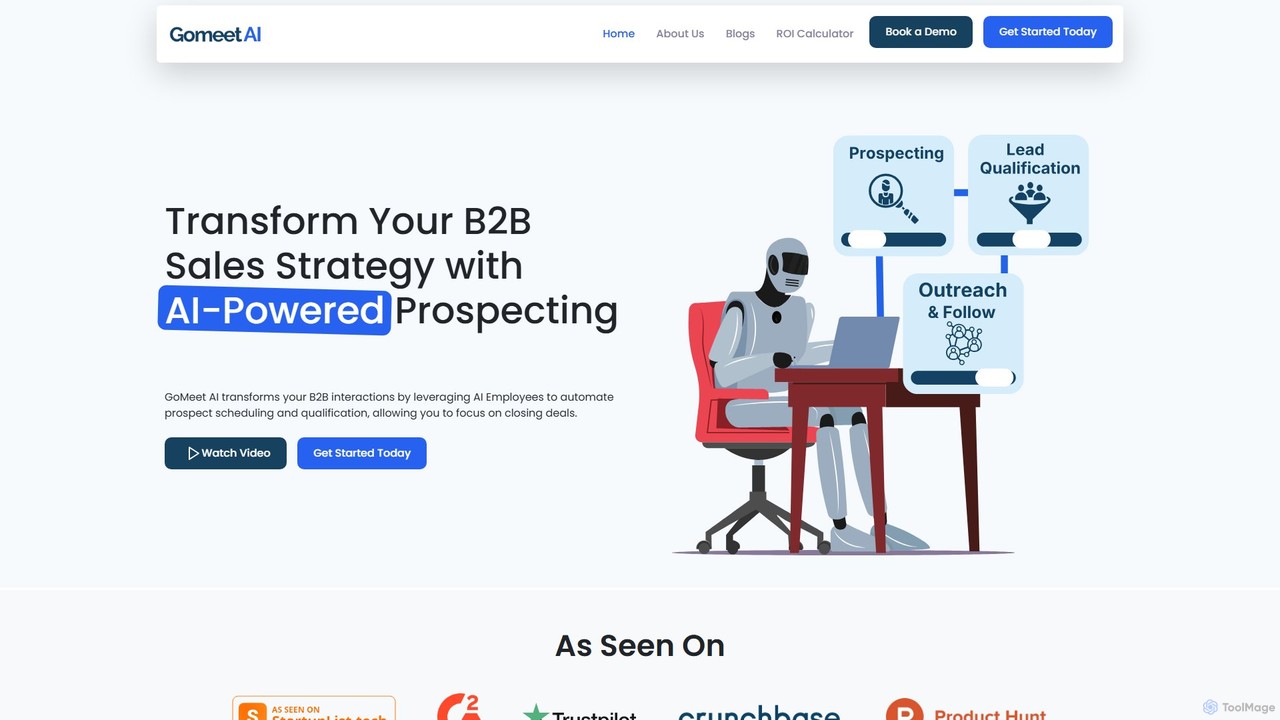
gomeet.ai is an AI-powered sales automation platform designed to supercharge B2B growth. It automates the entire sales process, from lead sourcing and qualification to personalized outreach and meeting scheduling. By eliminating tedious manual tasks, it frees up sales teams to focus on building relationships and closing high-value deals, significantly increasing efficiency and conversion rates.

Email Marketing
Visits 5.9KFavorites 138Likes 134
BotPenguin
Freemium

BotPenguin

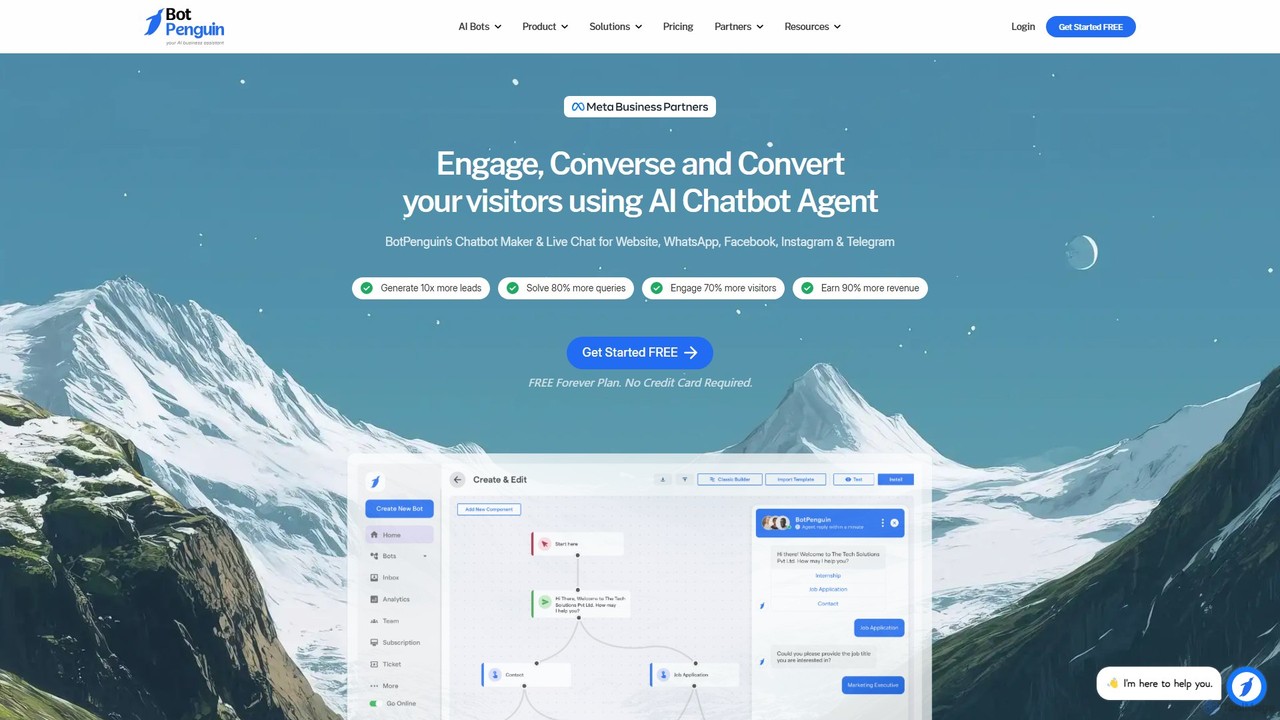
BotPenguin is a no-code AI chatbot builder that helps businesses automate customer service, marketing, and sales across multiple platforms like websites, WhatsApp, Facebook, and Instagram. It aims to increase lead generation, enhance user engagement, and boost revenue through 24/7 automated conversations and live chat.

Chatbot
Visits 135.3KFavorites 107Likes 112
Landbot
Freemium

Landbot

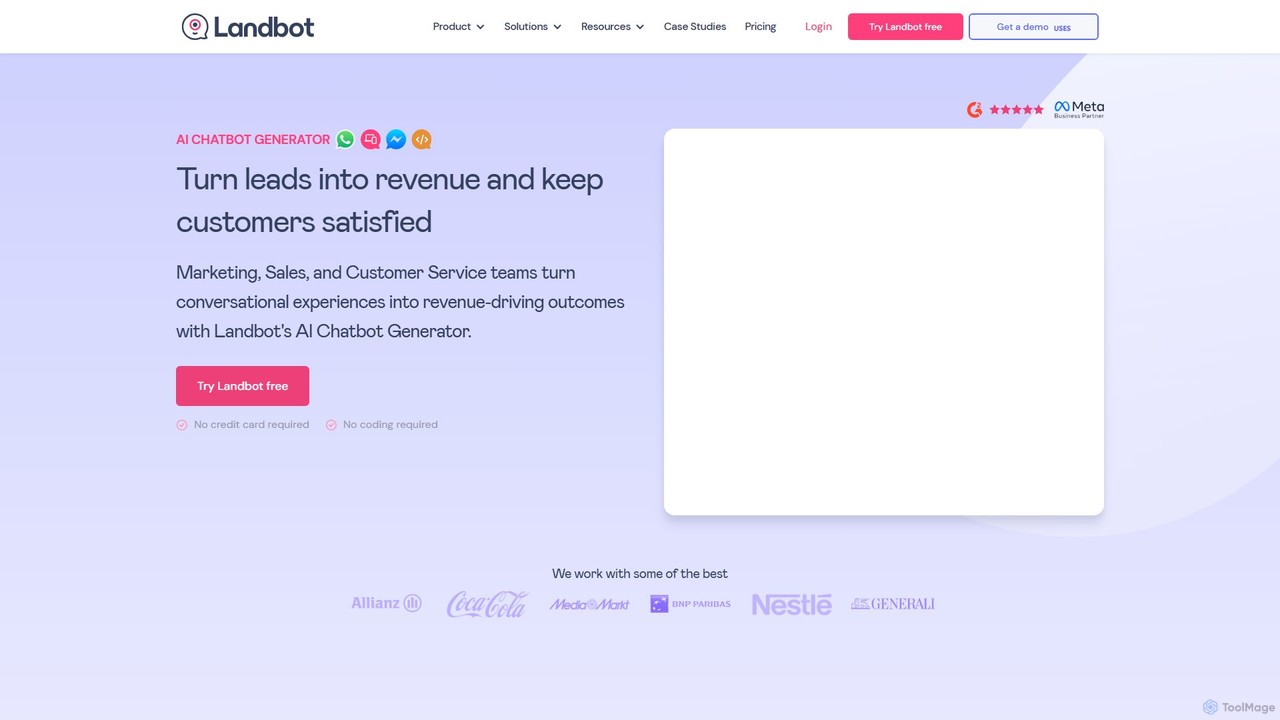
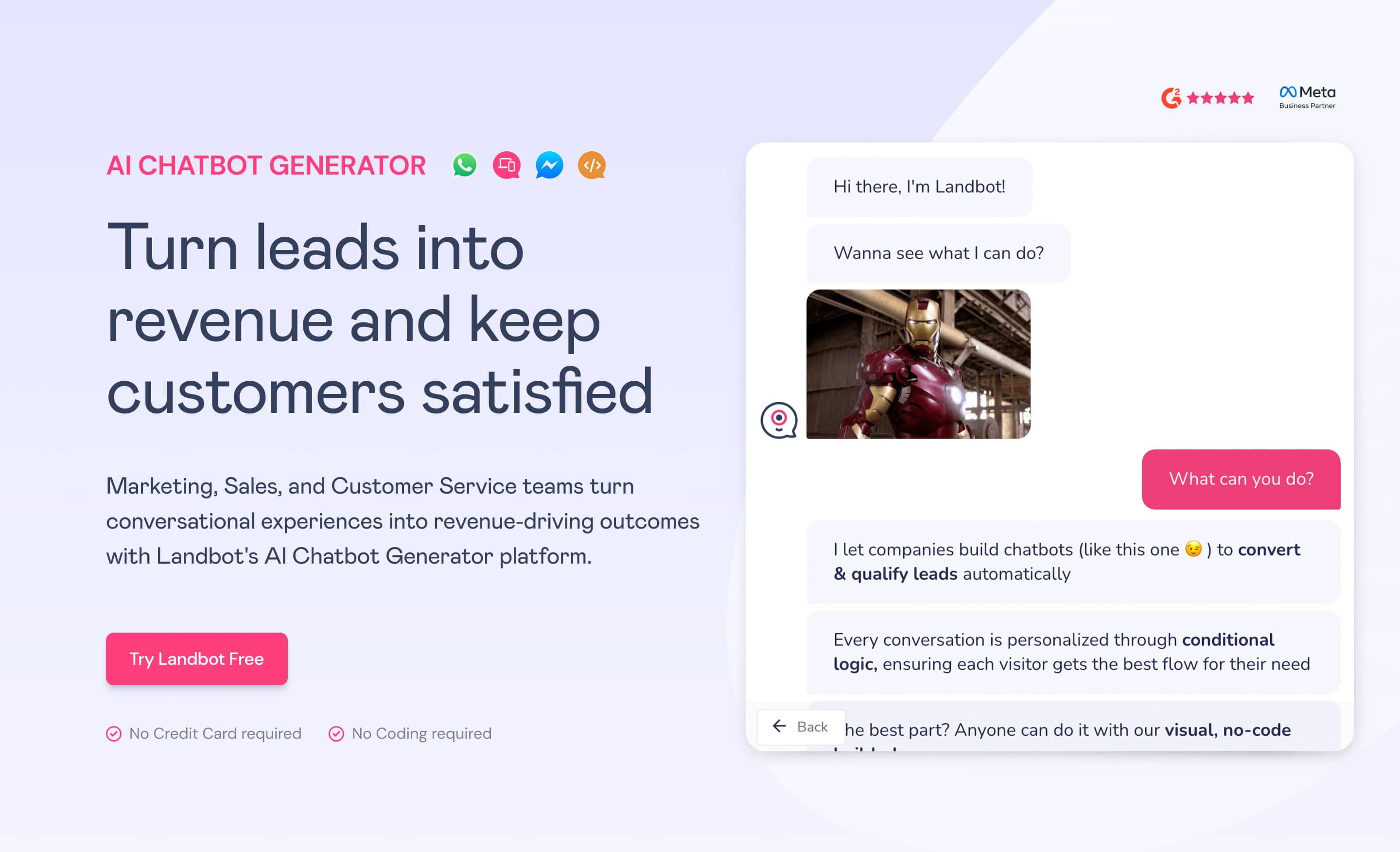
Landbot is a no-code AI chatbot generator that empowers marketing, sales, and customer service teams to create engaging conversational experiences. It helps automate lead generation, qualify prospects, provide 24/7 support, and book appointments across multiple channels like websites, WhatsApp, and Facebook Messenger, ultimately driving revenue and improving customer satisfaction.

Chatbot
Visits 269.3KFavorites 132Likes 137

About Automation

Automation tools in sales are AI-powered solutions designed to streamline and optimize repetitive sales tasks. These tools leverage artificial intelligence to automate processes like lead qualification, personalized communication, scheduling, and data entry, freeing up sales professionals to focus on relationship building and closing deals. By reducing manual effort and enhancing precision, sales automation significantly boosts efficiency, improves response times, and ensures consistent engagement across the customer journey.

Core Features

  • Lead Scoring & Prioritization: Automatically assesses lead quality and assigns scores based on predefined criteria and engagement data, helping sales teams focus on the most promising prospects.
  • Personalized Outreach Automation: Generates and schedules tailored emails, messages, and follow-ups based on prospect behavior and CRM data, maintaining a human touch at scale.
  • CRM Data Entry & Update: Automates the logging of interactions, updates contact information, and ensures CRM data remains accurate and current without manual input.
  • Meeting Scheduling & Follow-up: Manages calendar availability, sends meeting invitations, and automates post-meeting follow-up tasks, reducing administrative overhead.
  • Workflow Orchestration: Creates automated sequences for various sales processes, from initial contact to deal closure, ensuring no step is missed and actions are taken promptly.

Applicable Scenarios

Sales automation is crucial for sales teams aiming to maximize productivity and revenue. Individual sales representatives use these tools to manage their pipelines more effectively, ensuring timely follow-ups and personalized interactions. Sales managers leverage automation to gain insights into team performance, standardize processes, and scale operations. It's particularly valuable for businesses with high lead volumes or complex sales cycles, enabling consistent engagement and data accuracy across all stages.

How to Choose

When selecting sales automation tools, consider their integration capabilities with your existing CRM and marketing platforms to ensure seamless data flow. Evaluate the level of customization offered, allowing you to tailor workflows and messaging to your specific sales process. Scalability is key for growing teams, as is the tool's ease of use and learning curve. Finally, assess the sophistication of its AI features, such as natural language generation for emails or predictive analytics for lead scoring, to ensure it meets your strategic needs.

Featured tool rankings

Automation use cases

1

Automated Lead Qualification

A sales development representative (SDR) receives hundreds of inbound leads daily. Automation tools automatically qualify these leads based on predefined criteria (e.g., company size, industry, website activity) and assign a score. This allows the SDR to prioritize high-potential leads, focusing their outreach efforts on prospects most likely to convert, significantly increasing efficiency and conversion rates.

2

Personalized Email Sequence Dispatch

A B2B sales professional needs to engage with 50 new prospects each week. Instead of manually drafting individual emails, automation tools generate personalized email sequences based on prospect data from the CRM. These sequences are scheduled to send at optimal times, with dynamic content tailored to each recipient, ensuring consistent, relevant communication without manual intervention, saving hours of writing time.

3

CRM Data Entry & Update

After every client call or meeting, sales representatives spend valuable time manually logging notes, updating contact details, and recording interaction outcomes in the CRM. Automation tools can automatically capture call summaries, transcribe key points, and update relevant fields in the CRM, ensuring data accuracy and completeness while freeing up reps to prepare for their next engagement or focus on strategic tasks.

4

Automated Meeting Scheduling

A busy account executive frequently exchanges emails to find suitable meeting times with multiple stakeholders. Automation tools integrate with their calendar, allowing prospects to book available slots directly. The system then sends automated confirmations, reminders, and even follow-up emails, drastically reducing the back-and-forth communication and minimizing no-shows, streamlining the entire scheduling process.

5

Post-Demo Follow-up Automation

After a product demonstration, a sales team needs to send tailored follow-up materials, gather feedback, and schedule the next steps. Automation tools trigger a series of actions post-demo: sending a personalized thank-you email with relevant resources, initiating a feedback survey, and setting a task for the sales rep to follow up within a specific timeframe. This ensures a consistent and timely post-demo experience, nurturing leads effectively.

6

Sales Workflow Orchestration

For complex sales cycles involving multiple stages and approvals, a sales manager uses automation to orchestrate the entire workflow. From lead assignment and initial contact to proposal generation and contract signing, the system automatically moves deals through stages, assigns tasks to team members, and notifies stakeholders of progress or bottlenecks. This ensures process adherence, reduces manual errors, and accelerates deal velocity.

Automation FAQ

What are sales automation tools?

Sales automation tools are software applications that use AI and predefined rules to automate repetitive, manual tasks in the sales process. They aim to streamline workflows, improve efficiency, and allow sales professionals to focus on high-value activities like building relationships and closing deals. Key functions include automated lead management, personalized outreach, scheduling, and data entry, all designed to optimize the sales cycle from prospecting to post-sale follow-up.

How do sales automation tools benefit a sales team?

Sales automation tools offer numerous benefits, primarily by boosting productivity and revenue. They free up sales reps from mundane administrative tasks, allowing them to dedicate more time to selling. Benefits include faster lead response times, consistent and personalized customer engagement at scale, improved data accuracy in CRM systems, reduced human error, and better pipeline visibility. Ultimately, this leads to shorter sales cycles, higher conversion rates, and a more efficient sales operation.

How to choose the right sales automation tool for my team?

When selecting a sales automation tool, consider several factors. First, assess its integration capabilities with your current CRM, email, and communication platforms. Second, evaluate its scalability to ensure it can grow with your team's needs. Third, look for customization options that allow you to tailor workflows to your specific sales process. Finally, consider the user-friendliness, support, and pricing model to find a solution that aligns with your budget and technical expertise.

Can sales automation tools integrate with existing CRM systems?

Yes, seamless integration with existing CRM (Customer Relationship Management) systems is a critical feature of most sales automation tools. This integration ensures that lead data, customer interactions, sales activities, and pipeline status are synchronized across platforms. It prevents data silos, maintains a single source of truth for customer information, and allows automation workflows to be triggered based on CRM data, enhancing overall sales efficiency and data accuracy.

What's the difference between sales automation and marketing automation?

While both aim to streamline processes, sales automation focuses on tasks directly related to the sales team's efforts to convert leads into customers, such as lead scoring, personalized outreach, scheduling, and CRM updates. Marketing automation, conversely, focuses on automating marketing tasks like lead generation, nurturing, email campaigns, social media posting, and content distribution, primarily to attract and qualify leads before they are handed over to sales. They often work in tandem, with marketing automation feeding qualified leads to sales automation systems.