ToolMage
Sign in

Best 105 Sales Automation AI tools for Sales

Popular Sales Automation AI tools in Sales include Dialpad, Copy.ai, SleekFlow, Orum, TrueGether, Tango, Sybill, trellus, Social Intents, and OneText, helping you work more efficiently.

Tango
Paid

Tango

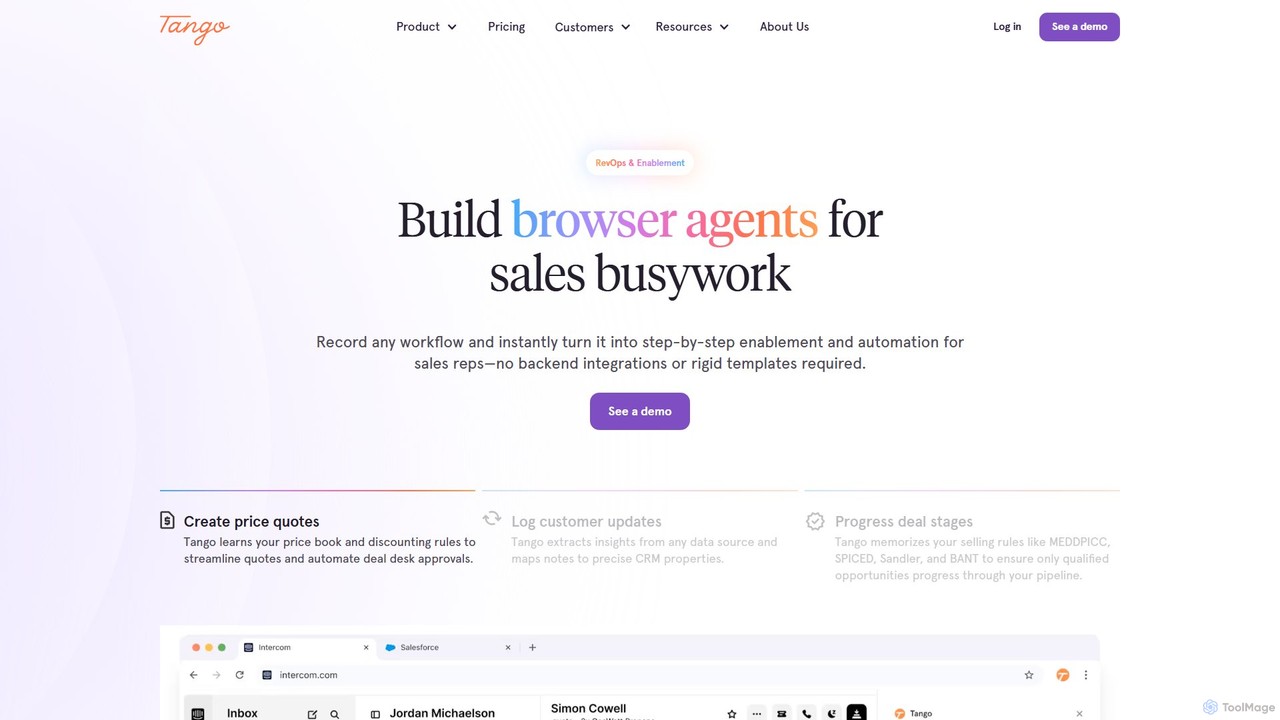
Tango is an AI-powered browser agent designed for sales teams to automate repetitive tasks and streamline workflows. It records user actions to create step-by-step guides and automations that run directly in the browser. Tango helps increase sales efficiency, improve CRM data accuracy, and accelerate process adoption without requiring new systems or complex integrations.

Crm
Visits 184.5KFavorites 133Likes 165
glencoco
Paid

glencoco

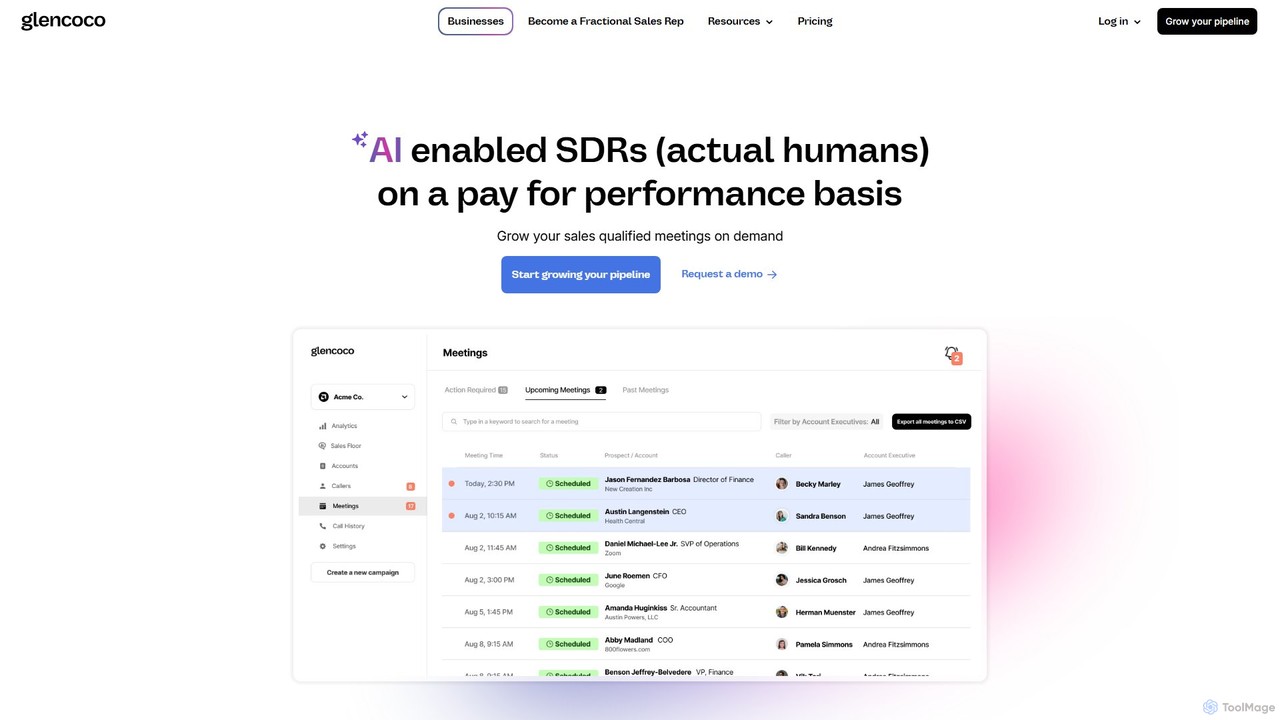
Glencoco is a B2B sales platform connecting businesses with a network of AI-enabled human Sales Development Representatives (SDRs) on a pay-for-performance basis. Companies can scale their sales pipeline by paying only for qualified meetings (SQLs). The platform provides AI-powered tools, a data engine for prospecting, and a transparent cockpit to manage campaigns, effectively de-risking and optimizing outbound sales efforts.

Outreach
Visits 81.1KFavorites 153Likes 154
Convertlyio
Freemium

Convertlyio

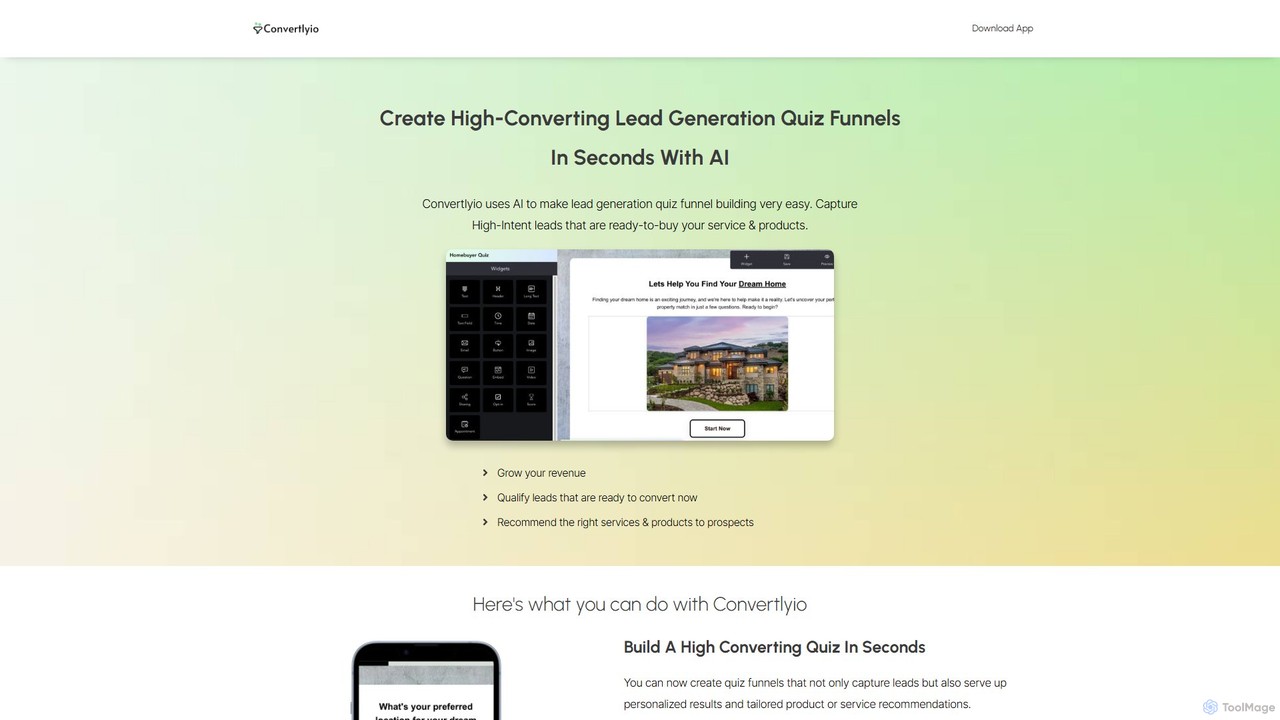
Convertlyio is an AI-powered platform designed to create high-converting lead generation quiz funnels in seconds. It helps businesses capture and qualify high-intent leads by serving personalized results and tailored product or service recommendations, effectively turning cold traffic into prospects ready to buy.

Lead Generation
Visits 6.8KFavorites 136Likes 139
Potion
Freemium

Potion

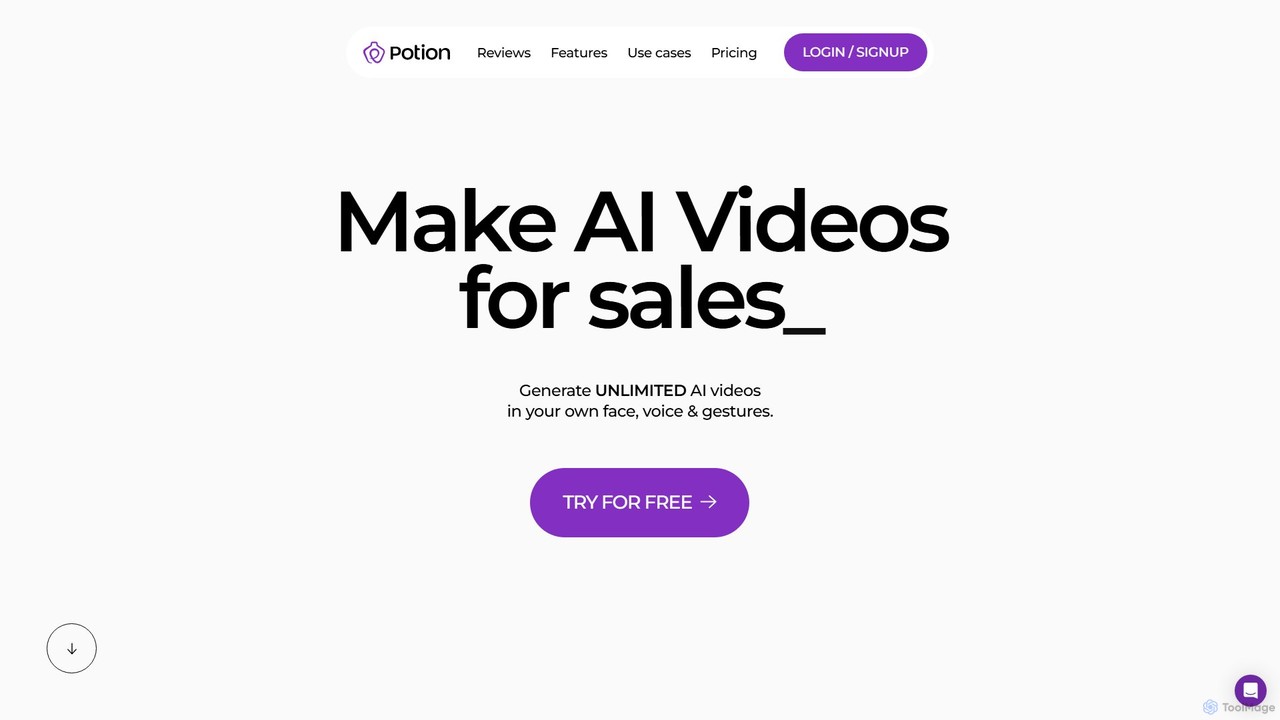
Potion is an AI video generation platform that enables users to create unlimited personalized videos at scale. By cloning your face, voice, and gestures, Potion transforms simple text scripts into hyper-personalized video messages for sales, marketing, and customer support. It integrates with over 50 tools to streamline workflows and has been proven to significantly boost engagement and conversion rates.

Video Marketing
Visits 25.3KFavorites 128Likes 130
worgit
Freemium

worgit

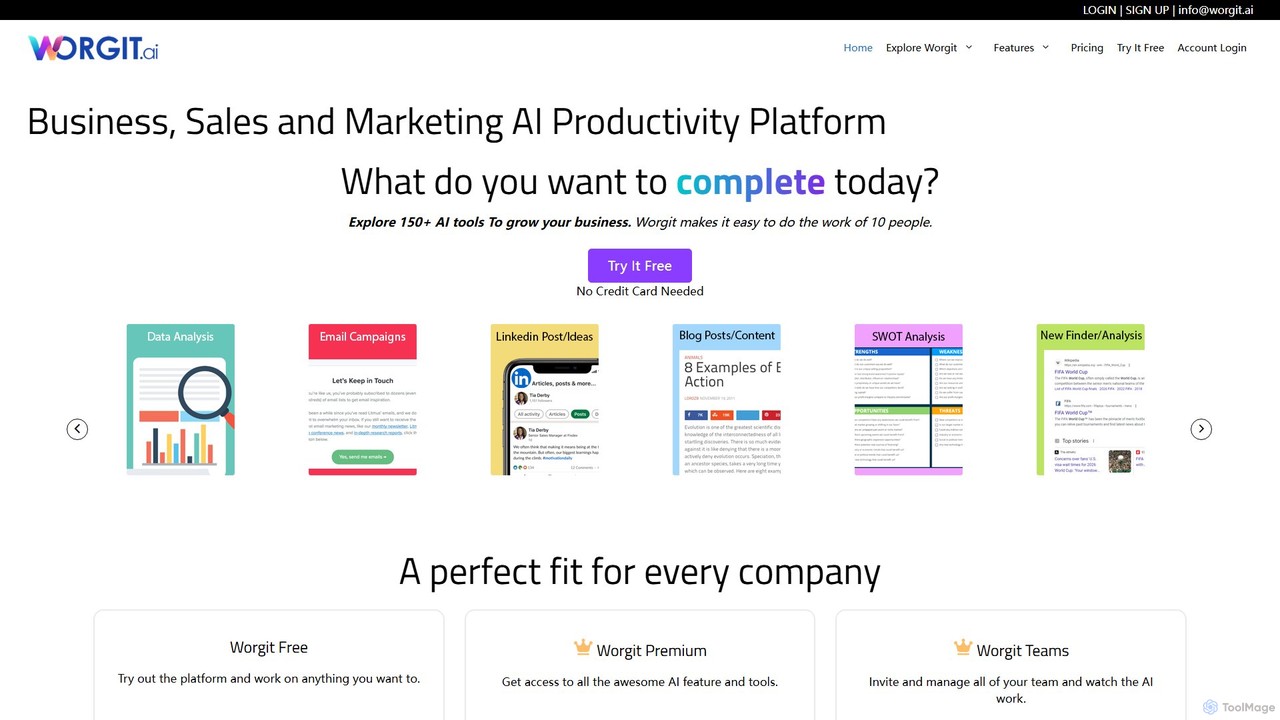
worgit is an all-in-one AI platform designed for business, sales, and marketing. It offers over 200 specialized tools and templates to automate tasks, generate documents, create marketing campaigns, and enhance overall productivity, effectively allowing one person to do the work of ten.

Document Management
Visits 6.6KFavorites 107Likes 117
asktosell
Paid

asktosell

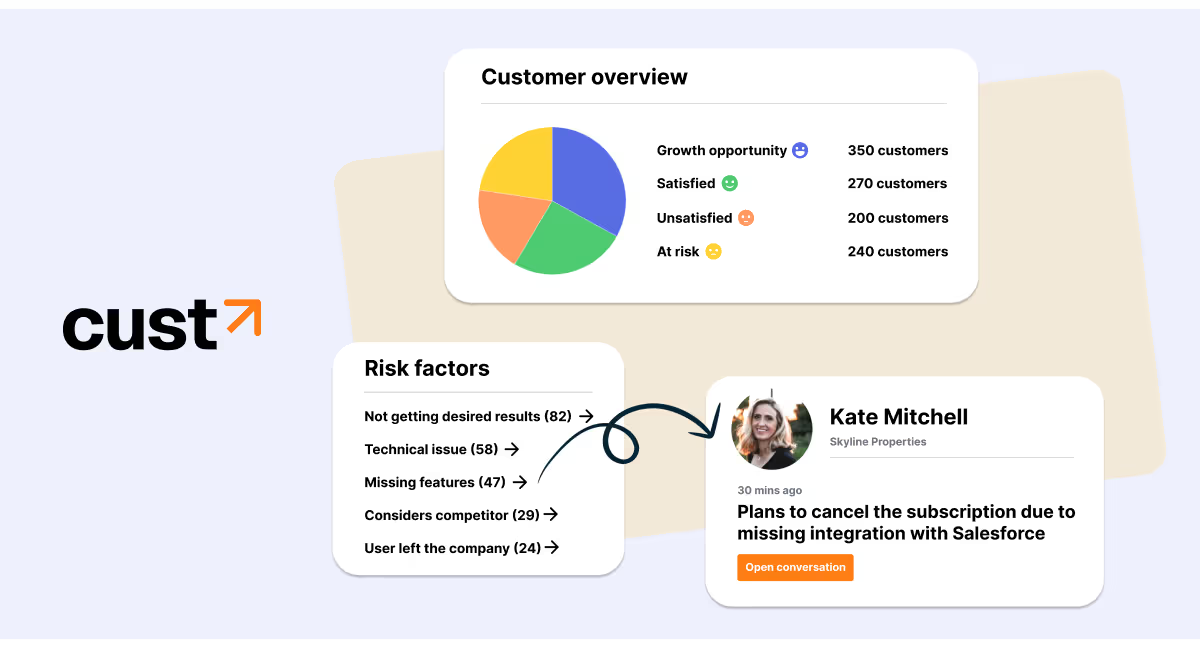
asktosell (now Cust) is an AI agent platform for elite customer success teams. It empowers CSMs to scale personalized, one-to-one engagement with all customer tiers, automating research, communication, and data entry to significantly boost Net Revenue Retention (NRR) and team productivity.

Customer Success
Visits 11KFavorites 170Likes 180
evogage
Freemium

evogage

evogage is an AI-powered customer engagement and sales optimization platform. It uses predictive analytics and machine learning to help businesses understand customer behavior, personalize interactions, and automate sales and marketing funnels for higher conversion rates and growth.

Customer Relationship Management
Visits 5.8KFavorites 109Likes 111
Opencord AI
Freemium

Opencord AI

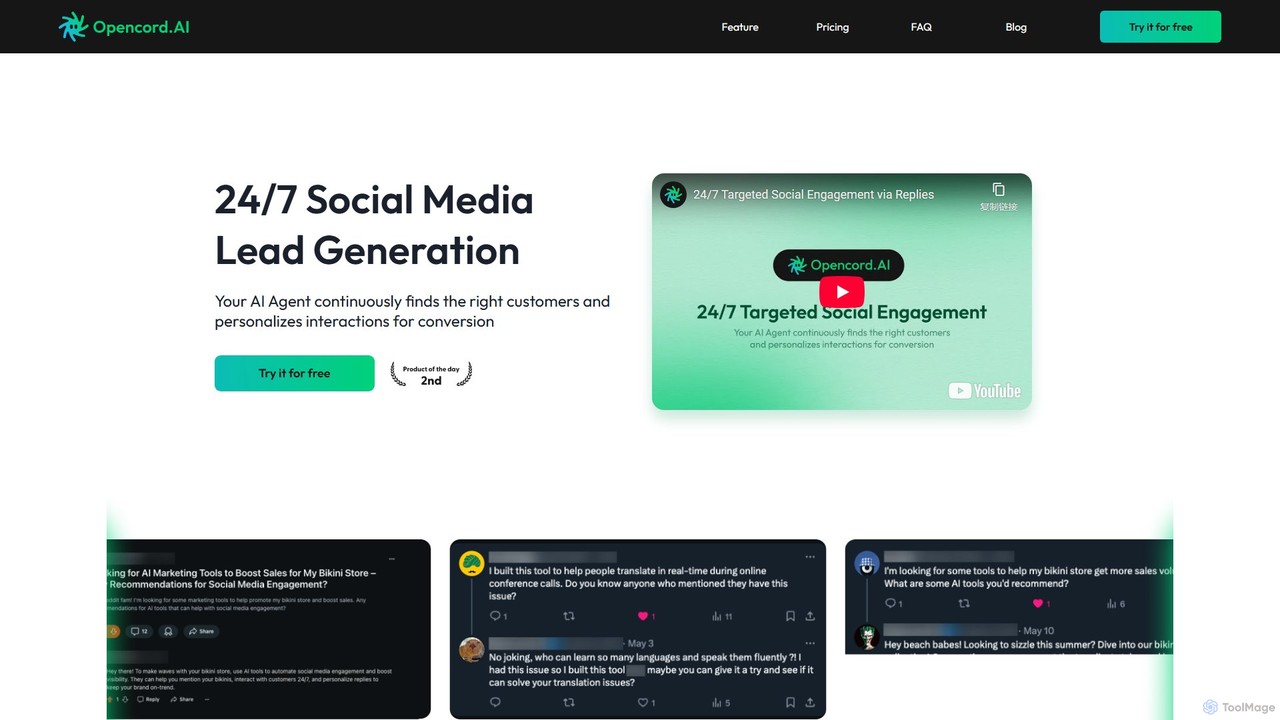
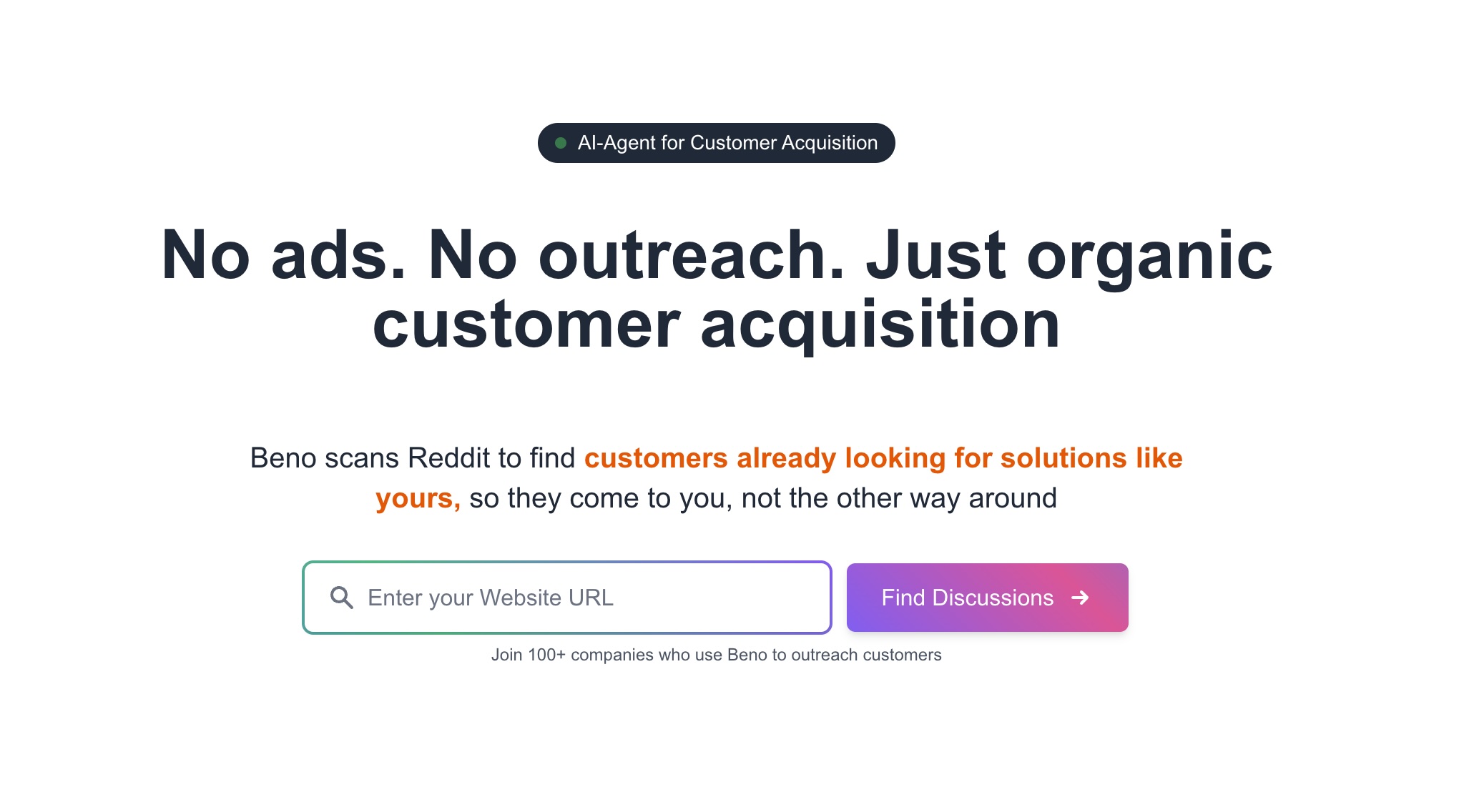
Opencord AI is an automated lead generation tool that uses an AI agent to monitor social media platforms like Twitter/X and Reddit 24/7. It identifies relevant conversations, analyzes mentions for opportunities, and crafts personalized replies to engage potential customers. This helps businesses save time, increase engagement, and convert social media interactions into valuable leads, all while learning your unique brand voice.

Lead Generation
Visits 8.1KFavorites 122Likes 132
LIFEDATA
Paid

LIFEDATA

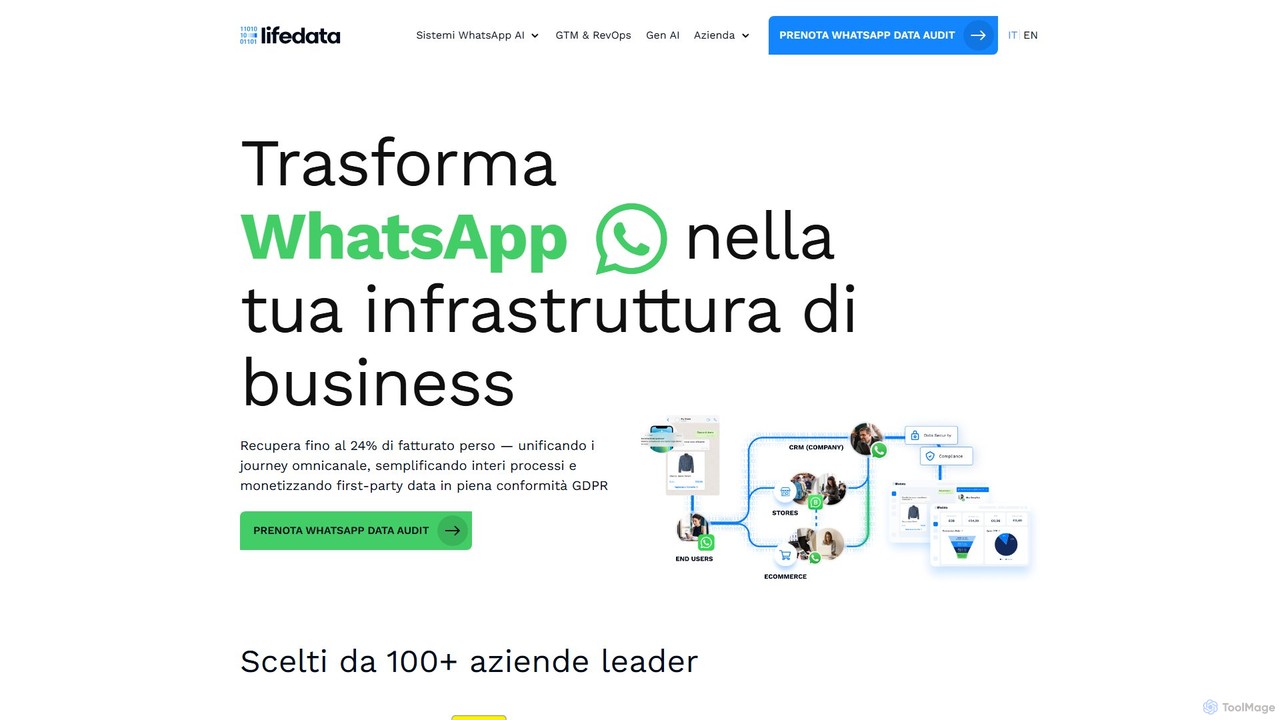
LIFEDATA is an enterprise-grade AI data platform designed to transform WhatsApp into a powerful business operations and revenue generation tool. It captures, normalizes, and analyzes WhatsApp conversations, enabling businesses to deploy generative AI agents, orchestrate omnichannel customer journeys, and manage sales, marketing, and customer service processes directly within WhatsApp. It focuses on data governance, GDPR compliance, and seamless integration with existing CRM and e-commerce systems to unlock the full potential of conversational commerce.

Conversational Commerce
Visits 5.9KFavorites 158Likes 164

About Sales Automation

Sales Automation tools are AI-powered platforms designed to automate repetitive, manual tasks within the sales cycle. These tools leverage artificial intelligence to manage email sequences, score leads, and schedule meetings, freeing up sales professionals to focus on strategic activities. By automating routine workflows, they enhance efficiency, ensure consistent follow-up, and provide data-driven insights to optimize the entire sales process. This leads to improved lead conversion rates and accelerated revenue growth.

Core Features

  • Automated Outreach Sequencing: Design and deploy multi-step email and message campaigns that trigger based on prospect behavior.
  • AI-Powered Lead Scoring: Automatically rank leads based on their engagement, demographic data, and likelihood to convert.
  • Intelligent Appointment Scheduling: Eliminate back-and-forth emails by providing automated calendar syncing and booking links.
  • CRM Data Automation: Automatically log calls, emails, and meeting notes directly into your CRM system, ensuring data accuracy.
  • Sales Analytics & Forecasting: Generate real-time reports on team performance and use predictive analytics to forecast sales outcomes.

Use Cases

Sales Automation tools are widely used by B2B technology companies, financial services firms, and real estate agencies. Sales Development Representatives (SDRs) use them for high-volume prospecting, while Account Executives leverage them for nurturing long-term deals. Sales managers rely on these tools for performance tracking and process optimization.

How to Choose

When selecting a Sales Automation tool, first evaluate its integration capabilities with your existing CRM (e.g., Salesforce, HubSpot). Consider the tool's scalability to support your team's growth. Assess the user-friendliness of its sequence builder and analytics dashboard. Finally, compare pricing models, whether per-user, per-contact, or feature-based, to align with your budget.

Featured tool rankings

Sales Automation use cases

1

Automating B2B Cold Email Outreach

A Sales Development Representative (SDR) at a SaaS company needs to contact 500 new prospects per week. Instead of manually sending individual emails, they use a sales automation tool to build a 5-step email sequence. The sequence includes personalized follow-ups that are automatically sent if a prospect doesn't reply within three days. The tool also tracks open rates and clicks, allowing the SDR to identify engaged leads. This process saves the SDR over 15 hours per week and increases meeting booking rates by 30% due to consistent, timely follow-up.

2

Intelligent Nurturing of Inbound Leads

A real estate agency receives dozens of inquiries daily through its website. A sales manager sets up an automation workflow that instantly sends a welcome email and a property guide to every new lead. Based on which links the lead clicks in the guide, the system automatically enrolls them into a specific nurturing sequence (e.g., 'first-time homebuyers' or 'luxury properties'). This ensures each lead receives highly relevant information, keeping them engaged until an agent can make personal contact. This automated process improves lead qualification and increases the lead-to-appointment conversion rate by 25%.

3

Automating Sales Meeting Scheduling

A busy account executive spends significant time coordinating schedules for product demos. By using a sales automation tool with a scheduling feature, they embed a personal booking link in their email signature. Prospects can click the link, view the executive's real-time availability, and book a slot that works for them. The tool automatically creates a calendar event for both parties and sends reminders before the meeting. This eliminates all back-and-forth scheduling emails, reduces no-shows by 40% through automated reminders, and accelerates the sales cycle by getting prospects into demos faster.

4

Automated CRM Data Entry and Activity Logging

A sales team struggles with inconsistent data in their CRM because reps often forget to log calls and emails. They implement a sales automation platform that syncs with their email and phone systems. Now, every email sent, every call made, and every meeting booked is automatically logged under the correct contact record in the CRM. This ensures the CRM is always up-to-date with a complete history of interactions, saving each rep about 30 minutes per day on manual data entry. It also provides sales managers with accurate data for reporting and forecasting.

5

Prioritizing High-Value Leads with AI Scoring

A financial services company generates a high volume of leads but the sales team struggles to identify the best ones to pursue. They adopt a sales automation tool with AI-powered lead scoring. The system analyzes various signals, such as job title, company size, website pages visited, and email engagement. It then assigns a numerical score to each lead. Sales reps can filter their leads by score, allowing them to focus their time and effort on prospects with the highest probability of closing. This data-driven approach leads to a 20% increase in sales productivity and a higher overall win rate.

6

Generating Personalized Sales Follow-up Content

After a product demo, an account manager needs to send a tailored follow-up email summarizing key discussion points and next steps. Using a sales automation tool with a generative AI component, they can input brief notes from the call. The AI then drafts a comprehensive, personalized email that highlights the value propositions most relevant to the prospect's stated needs. The manager quickly reviews and sends the email, ensuring a professional and timely follow-up. This reduces the time spent writing emails by 75% and improves post-demo engagement by providing highly relevant summaries.

Sales Automation FAQ

What is Sales Automation?

Sales Automation refers to software tools that automate manual, time-consuming tasks in the sales process. Instead of reps spending hours on data entry, sending follow-up emails, or scheduling meetings, these tools handle it for them. Key features often include automated email sequencing, lead scoring, and CRM integration. The primary goal is to increase sales team efficiency, allowing them to focus more on building relationships and closing deals rather than on administrative work.

What's the difference between Sales Automation and a CRM?

A CRM (Customer Relationship Management) system is primarily a database for storing customer and prospect information. It acts as a central repository for contacts, accounts, and interaction history. Sales Automation tools, on the other hand, are action-oriented platforms that use the data within a CRM to automate outreach and workflows.

  • CRM: A system of record (stores data).
  • Sales Automation: A system of engagement (acts on data).
Most sales automation tools integrate deeply with CRMs, pulling contact lists from the CRM to enroll in automated sequences and pushing activity data back into the CRM for a complete record.

How do I choose the right Sales Automation tool?

Choosing the right tool depends on your specific needs. Consider these factors:

  • CRM Integration: Does it seamlessly connect with your existing CRM? Poor integration can create more manual work.
  • Key Features: Do you need complex multi-channel sequences (email, social, calls) or just simple email automation? Do you require lead scoring or advanced analytics?
  • Ease of Use: How intuitive is the interface for your sales team? A complex tool may lead to low adoption.
  • Scalability and Price: Can the tool grow with your team? Compare pricing models (per user, per contact) to find one that fits your budget and growth plans.
Start by identifying your biggest sales process bottleneck and look for a tool that specifically solves that problem.

What key tasks can be automated with these tools?

Sales automation tools can handle a wide range of repetitive tasks, freeing up significant time for sales reps. Common automated tasks include:

  • Email Outreach: Sending personalized, multi-step email sequences to prospects.
  • Lead Nurturing: Delivering relevant content to leads over time to build relationships.
  • Appointment Scheduling: Managing calendars and booking meetings without manual coordination.
  • Data Entry: Automatically logging sales activities like calls and emails into a CRM.
  • Reporting: Generating performance dashboards and sales forecasts automatically.
By automating these activities, teams can ensure consistency and focus on high-value interactions.

Who benefits most from using Sales Automation tools?

While entire organizations benefit, specific roles see the most direct impact:

  • Sales Development Reps (SDRs): They benefit from automating high-volume prospecting, allowing them to contact more leads with less manual effort.
  • Account Executives (AEs): They use automation for nurturing long-term deals, scheduling demos, and ensuring consistent follow-up without letting leads fall through the cracks.
  • Sales Managers: They gain clear visibility into team activity and performance through automated reporting and analytics, enabling better coaching and forecasting.
  • Small Business Owners: They can manage sales processes efficiently with a small team, competing with larger organizations by leveraging automation.