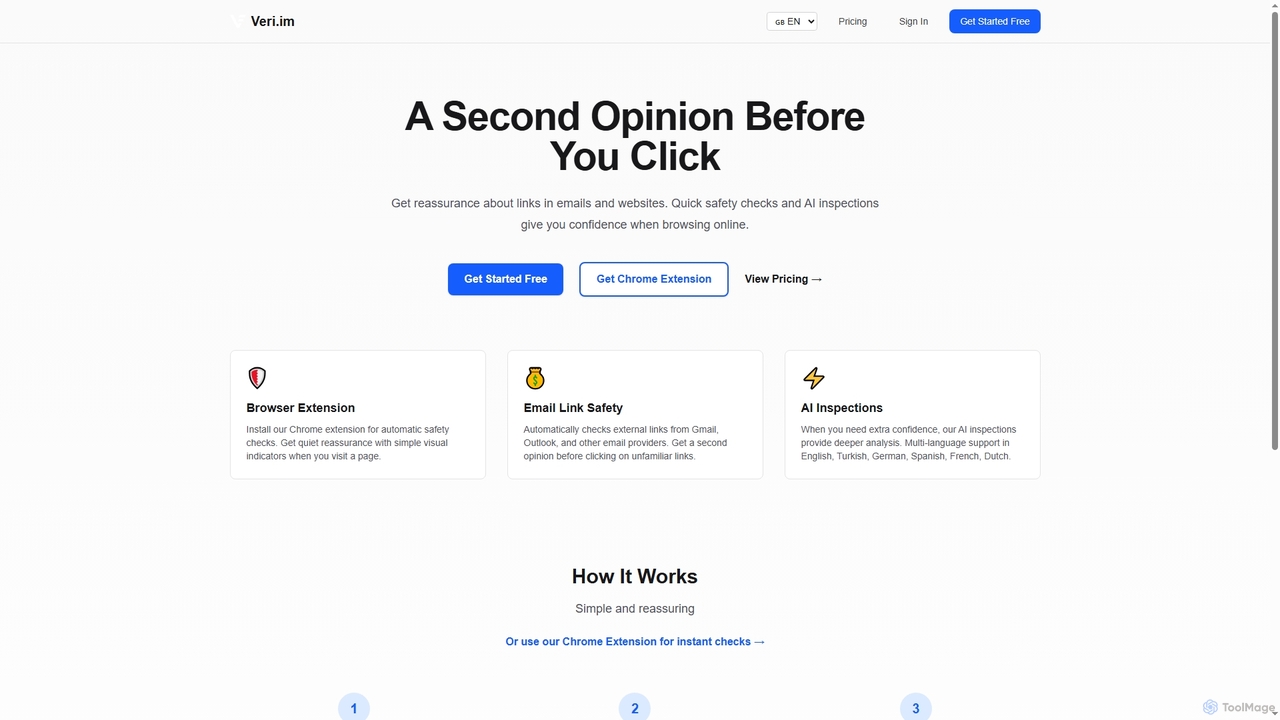
Veri
Veri is an AI-powered phishing and scam detection tool that provides a crucial second opinion before users click …
Veri is an AI-powered phishing and scam detection tool that provides a crucial second opinion before users click on suspicious links. It offers a browser extension for automatic safety checks and deep AI inspections for comprehensive online threat analysis, ensuring a safer browsing and email experience.

Ward
Ward is a personal AI security guard for Chrome that protects you from online threats like phishing and …
Ward is a personal AI security guard for Chrome that protects you from online threats like phishing and scams. This open-source extension provides real-time scanning, AI-powered threat detection, and visual warnings, all while ensuring your privacy with no third-party data sharing.
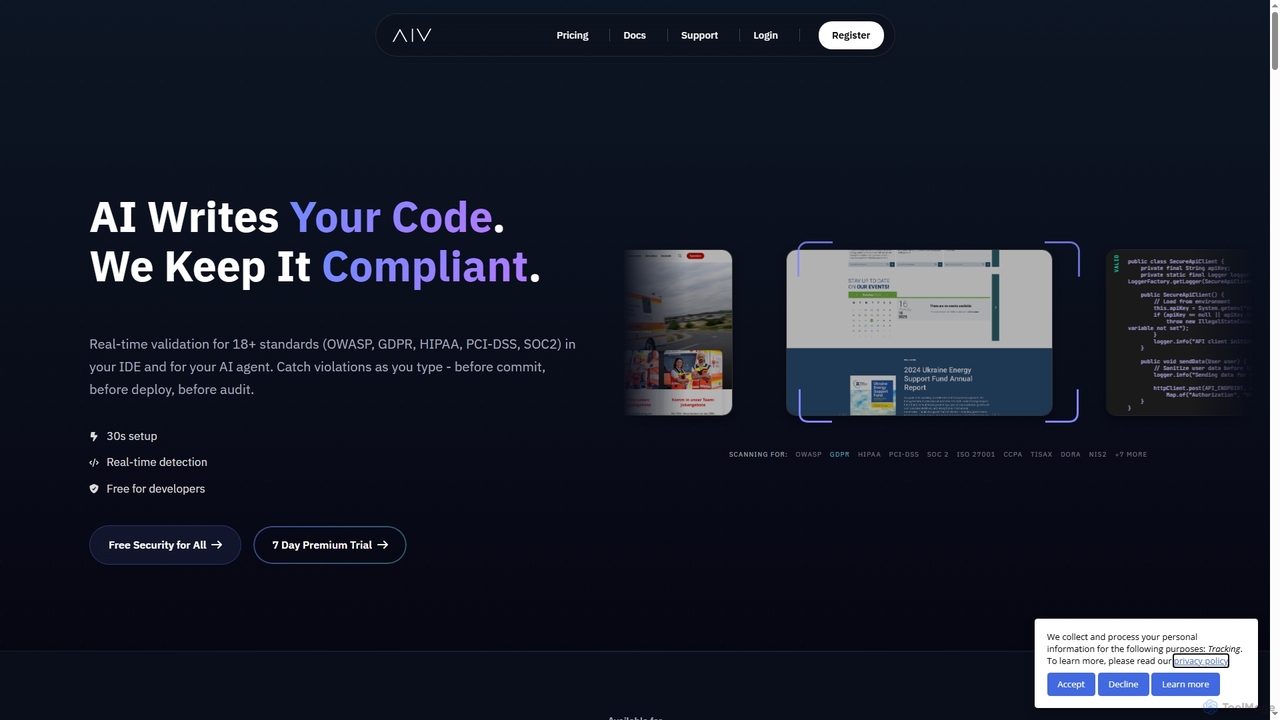
Aivory
Aivory is a real-time compliance and security validation tool for developers. It integrates into IDEs like VS Code …
Aivory is a real-time compliance and security validation tool for developers. It integrates into IDEs like VS Code and JetBrains to scan AI-generated and human-written code as you type, catching violations against 18+ standards (GDPR, HIPAA, OWASP) before they are committed, saving significant time and cost.
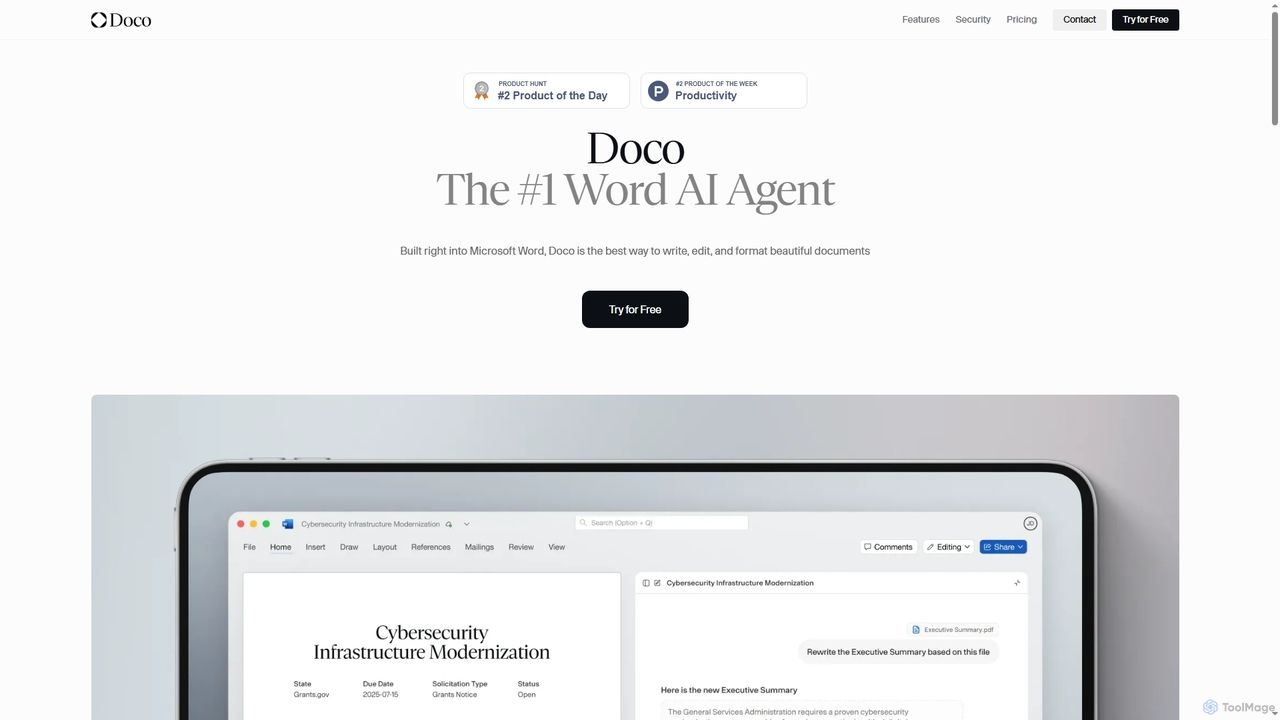
Doco
Doco is an AI agent that integrates directly into Microsoft Word, leveraging your existing data and knowledge base …
Doco is an AI agent that integrates directly into Microsoft Word, leveraging your existing data and knowledge base to draft, edit, and format documents. It learns your workflow, ensures style consistency, and provides enterprise-grade security, transforming complex tasks into a competitive advantage for businesses of all sizes.
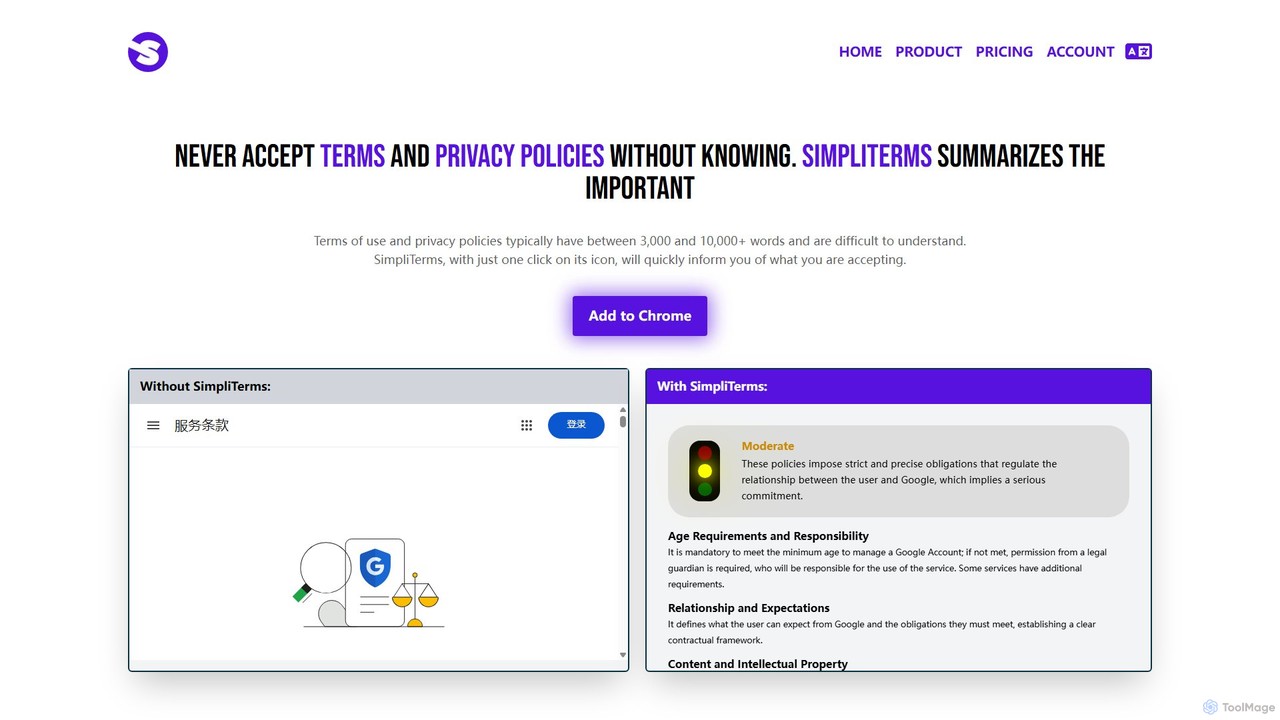
Simpliterms
Simpliterms is an AI-powered Chrome extension that instantly summarizes complex terms of service and privacy policies. It helps …
Simpliterms is an AI-powered Chrome extension that instantly summarizes complex terms of service and privacy policies. It helps you understand what you're agreeing to online, saving you time, protecting your privacy, and preventing potential legal issues with just one click.
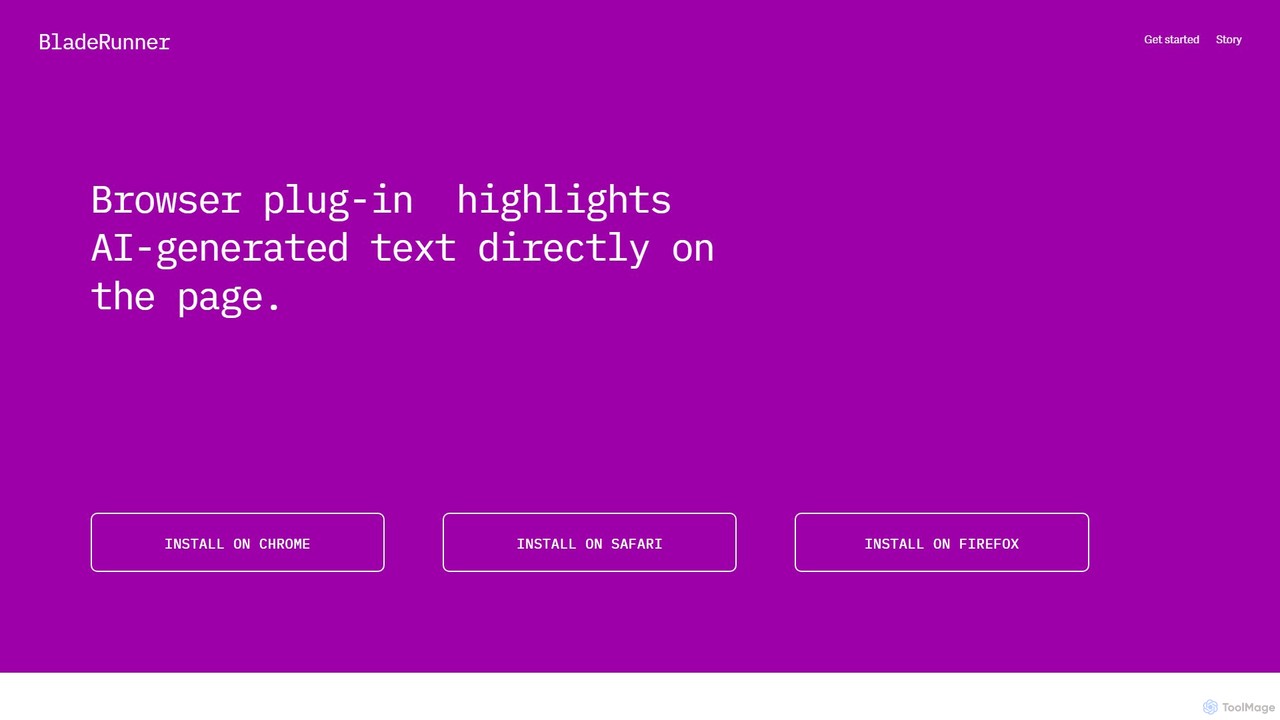
BladeRunner
BladeRunner is a free browser extension that detects and highlights AI-generated text directly on any webpage. It helps …
BladeRunner is a free browser extension that detects and highlights AI-generated text directly on any webpage. It helps users identify misinformation, spam, fake reviews, and academic dishonesty by providing a real-time, augmented reality-like analysis of online content. It supports Chrome, with Safari and Firefox versions in development.

WiseOptIn
WiseOptIn is an AI-powered Chrome extension that analyzes and simplifies complex privacy policies and terms of service. It …
WiseOptIn is an AI-powered Chrome extension that analyzes and simplifies complex privacy policies and terms of service. It scores legal documents, provides easy-to-understand summaries, and features a chatbot to answer your specific questions, empowering you to understand what you're agreeing to online.
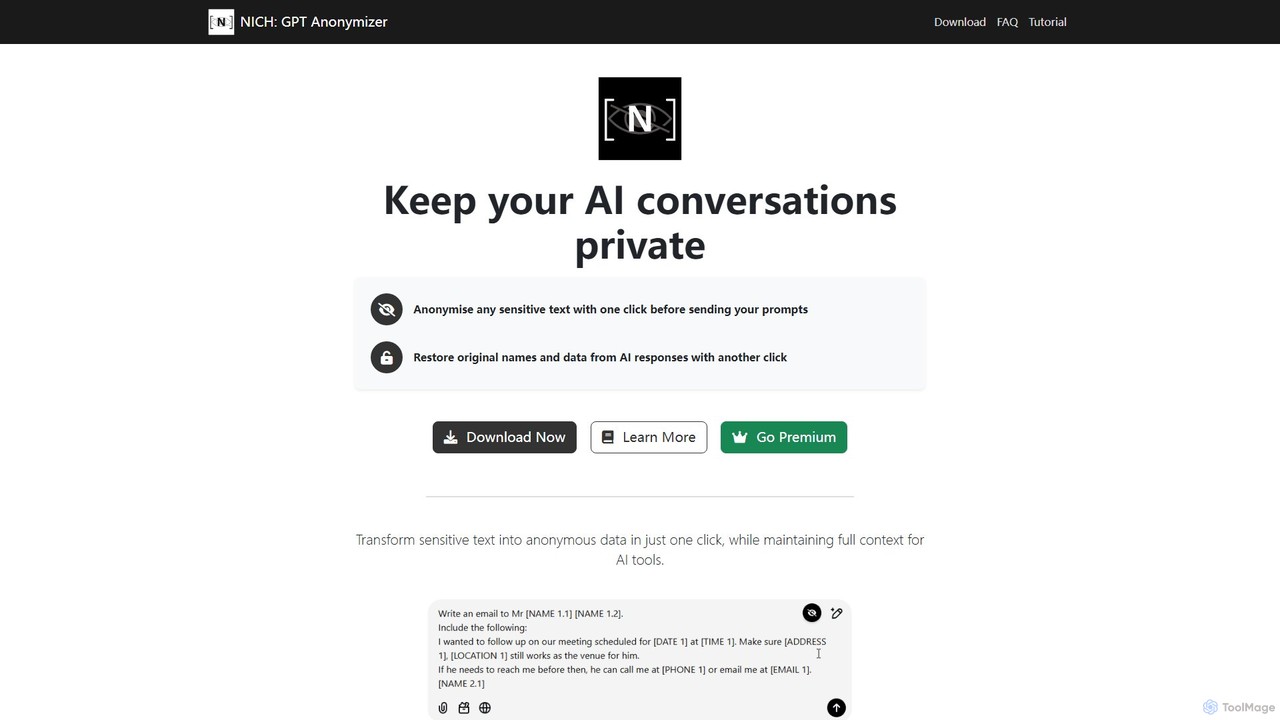
NICH: GPT Anonymizer
NICH: GPT Anonymizer is a privacy-focused browser extension that secures your AI interactions. It anonymizes sensitive data in …
NICH: GPT Anonymizer is a privacy-focused browser extension that secures your AI interactions. It anonymizes sensitive data in your prompts with one click before sending them to services like ChatGPT, and restores the original information from AI responses. All processing is done 100% on your device, ensuring your confidential data never leaves your computer.

GPT-AdBlocker
GPT-AdBlocker is an advanced browser extension that leverages the power of GPT-4 to provide a comprehensive ad-blocking experience. …
GPT-AdBlocker is an advanced browser extension that leverages the power of GPT-4 to provide a comprehensive ad-blocking experience. It not only blocks traditional ads like banners and pop-ups but also intelligently identifies and skips sponsored segments within YouTube videos. With built-in tracker blocking and a future-proof architecture, it offers a faster, safer, and more seamless browsing and viewing experience, all from a single, lightweight extension.
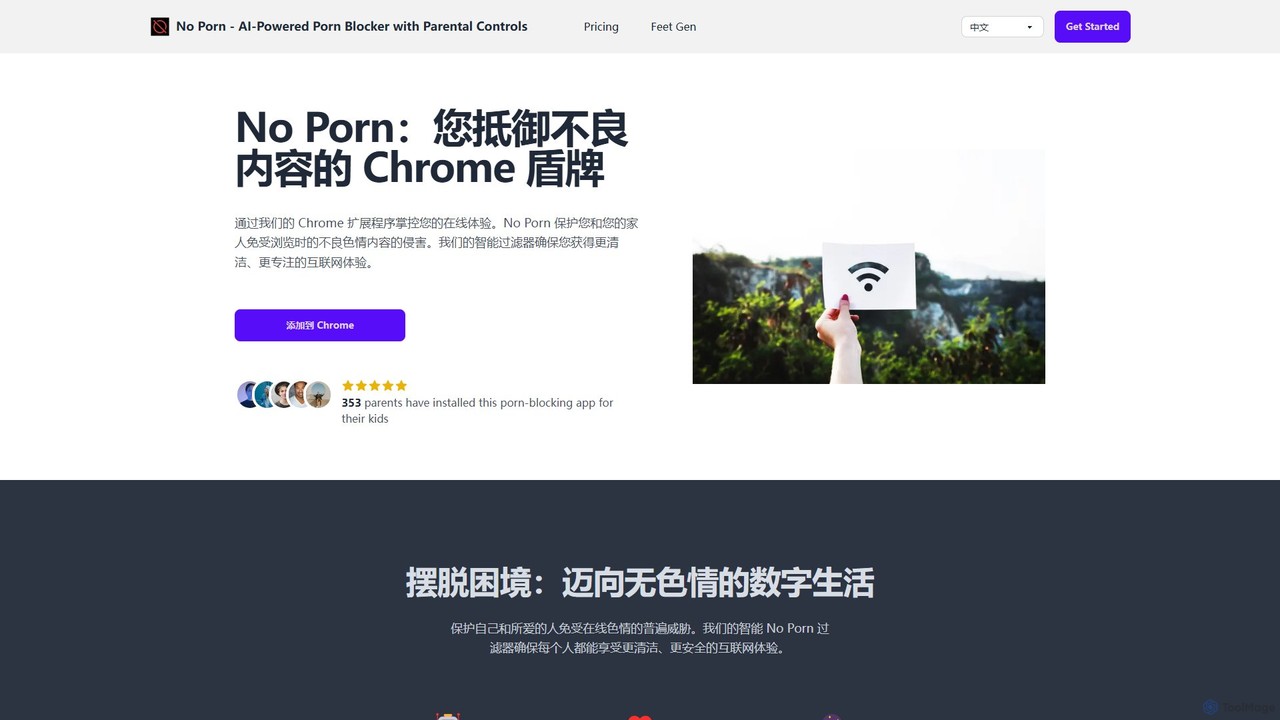
noporn
noporn is an AI-powered content blocker designed to protect users and families from explicit pornographic content online. Functioning …
noporn is an AI-powered content blocker designed to protect users and families from explicit pornographic content online. Functioning as a Chrome extension, it uses advanced AI to detect and block inappropriate material in real-time. It offers customizable filtering, parental controls with activity reports, and a privacy-first approach, ensuring a cleaner, safer, and more focused browsing experience for all ages.
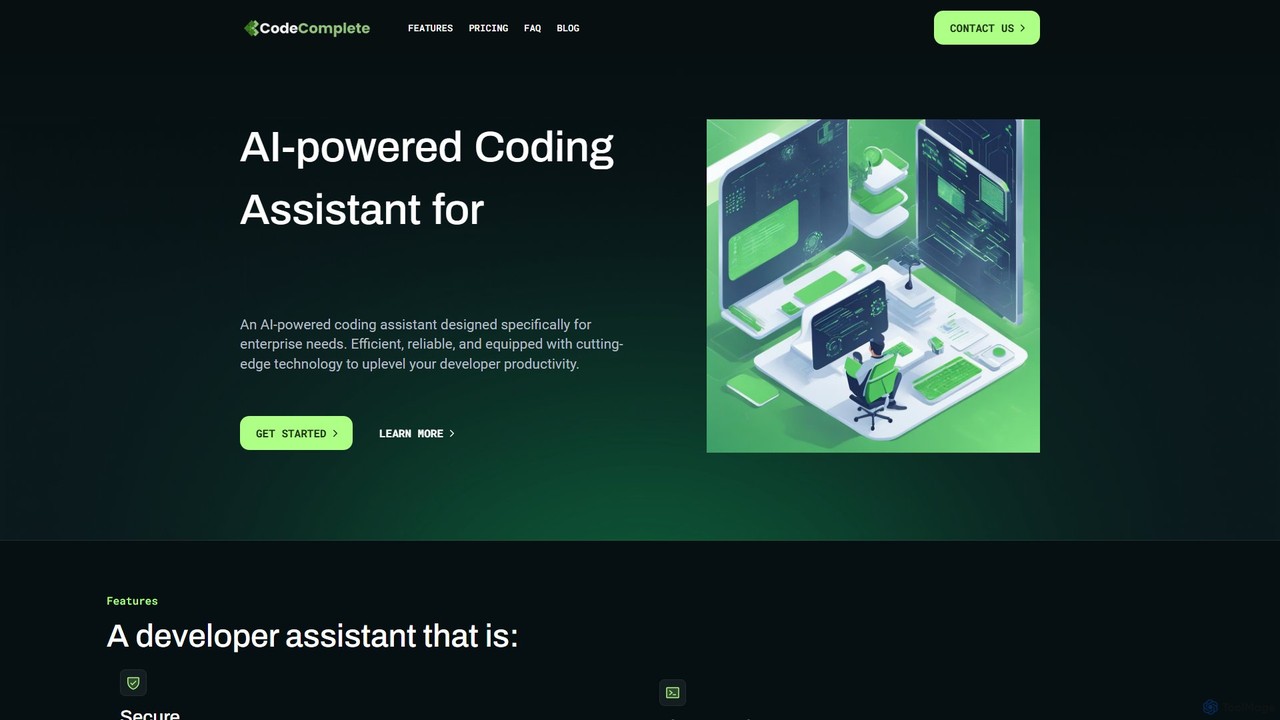
CodeComplete
CodeComplete is an enterprise-grade AI coding assistant designed for maximum security, efficiency, and customization. It offers self-hosting options …
CodeComplete is an enterprise-grade AI coding assistant designed for maximum security, efficiency, and customization. It offers self-hosting options (on-premise or VPC), fine-tuning on your private codebase, and a comprehensive suite of tools including code generation, automated testing, and documentation to enhance developer productivity.
About Security
AI Security tools are a class of solutions that leverage artificial intelligence and machine learning to proactively detect, predict, and respond to cybersecurity threats. These tools analyze vast amounts of data from networks, endpoints, and applications to identify anomalous patterns, malicious activities, and potential vulnerabilities that traditional signature-based systems often miss. Their primary value lies in automating threat hunting, accelerating incident response, and adapting to new, evolving attack vectors in real-time. This enables organizations to enhance their defensive posture, protect critical assets, and reduce the risk of data breaches and operational disruptions.
Core Features
- Threat Detection and Prediction: Uses machine learning models to identify malware, phishing, ransomware, and zero-day exploits by analyzing behavioral patterns.
- Automated Incident Response: Automatically contains threats by isolating infected devices, blocking malicious IP addresses, or terminating suspicious processes.
- Behavioral Analytics (UEBA): Monitors user and entity behavior to detect insider threats, compromised accounts, and lateral movement within a network.
- Vulnerability Management: Employs AI to scan systems, prioritize vulnerabilities based on exploitability and potential impact, and suggest remediation steps.
- Fraud Prevention: Analyzes transaction data and user interactions in real-time to identify and block fraudulent activities like account takeovers or payment fraud.
Use Cases
AI Security tools are critical for organizations across various sectors, particularly finance, healthcare, e-commerce, and government, where sensitive data protection is paramount. Security Operations Center (SOC) analysts use them to reduce alert fatigue and focus on high-priority threats. IT administrators deploy these tools to secure cloud infrastructure and endpoints, while compliance teams rely on them to enforce security policies and generate audit reports.
How to Choose
When selecting an AI Security tool, consider its threat coverage and whether it addresses your specific risks (e.g., cloud, network, email). Evaluate its integration capabilities with your existing security stack, such as SIEM and SOAR platforms. Assess the level of automation and the tool's false positive rate to ensure it enhances rather than burdens your security team. Finally, consider its scalability to handle your organization's data volume and growth.
SecurityUse Cases
Automated Phishing Attack Detection
An IT security team in a large corporation uses an AI Security tool to protect against phishing attacks. The AI continuously scans all incoming emails, analyzing not just sender reputation and keywords, but also the linguistic patterns, link destinations, and attachment structures. When an email mimicking a legitimate invoice but containing a malicious link is detected, the system automatically quarantines it and alerts the security team. This process prevents employees from ever interacting with the threat, reducing the risk of credential theft and malware infection across the organization without manual intervention.
Real-time Fraud Prevention for E-commerce
An online retail platform integrates an AI-powered fraud detection tool to secure its payment gateway. The system analyzes hundreds of data points for each transaction in real-time, including device fingerprint, IP location, purchase history, and mouse movement patterns. If a transaction exhibits behavior indicative of fraud—such as a user attempting multiple credit cards rapidly or using a proxy server—the AI flags it as high-risk. It can then automatically decline the transaction or route it for manual review, significantly reducing chargeback losses while maintaining a smooth checkout experience for legitimate customers.
Identifying Insider Threats with Behavioral Analytics
A financial institution deploys a User and Entity Behavior Analytics (UEBA) tool to monitor internal network activity. The AI establishes a baseline of normal behavior for each employee, learning their typical work hours, data access patterns, and application usage. One day, the system detects an accountant downloading large volumes of sensitive client files late at night, a significant deviation from their established baseline. The AI immediately flags this activity as a potential insider threat and generates a high-priority alert for the security team to investigate, enabling rapid intervention before a data breach occurs.
AI-Powered Network Intrusion Detection
A cloud service provider uses an AI-driven Network Detection and Response (NDR) system to protect its infrastructure. Unlike traditional firewalls that rely on predefined rules, the AI model continuously learns the normal flow of traffic within the network. When it detects a sophisticated, low-and-slow attack pattern, such as data being exfiltrated in small, encrypted packets over an extended period, it recognizes this anomaly. The system automatically blocks the communication channel and provides security analysts with a detailed timeline of the attack, helping them understand the threat and strengthen defenses against similar future attempts.
Smart Vulnerability Prioritization for DevOps
A software development company integrates an AI-powered security tool into its CI/CD pipeline. As developers commit new code, the tool automatically scans for vulnerabilities. Instead of just generating a long list of potential issues, the AI analyzes the context of each vulnerability. It considers factors like whether the vulnerable code is actually reachable in production, its potential business impact, and if an exploit is publicly available. This allows the DevOps team to focus on fixing the 10 most critical vulnerabilities first, rather than being overwhelmed by hundreds of low-risk findings, accelerating development cycles securely.
Securing IoT Device Networks against Botnets
A company managing a large fleet of industrial IoT sensors uses an AI security platform to prevent them from being compromised and used in a botnet. The AI first learns the normal communication patterns of each sensor—what data it sends, to which servers, and at what frequency. When a group of sensors is infected with malware and starts attempting to connect to an unknown command-and-control server, the AI detects this anomalous behavior instantly. It automatically isolates the affected sensors from the network to prevent the attack from spreading and alerts the operations team to remediate the devices.