ToolMage
Sign in

Best 3 Legal AI tools for Productivity

Popular Legal AI tools in Productivity include UpCodes, Clemta, and Simpliterms, helping you work more efficiently.

Simpliterms
Paid

Simpliterms

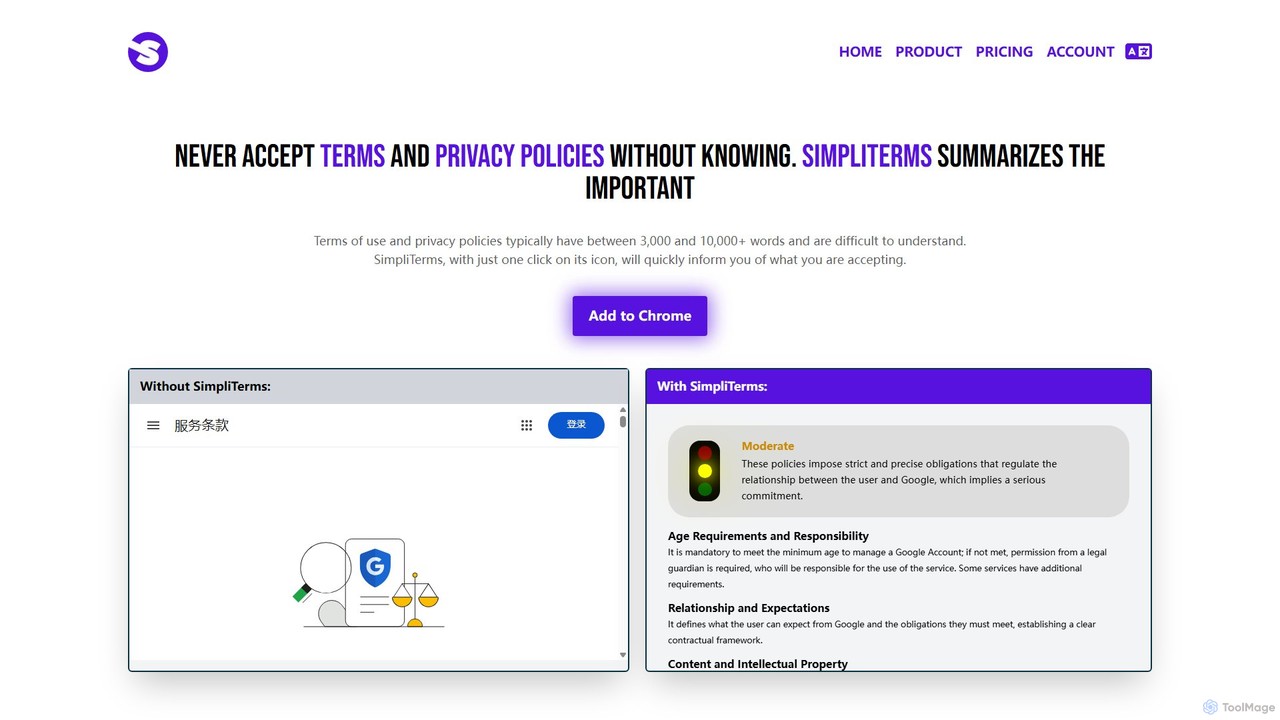
Simpliterms is an AI-powered Chrome extension that instantly summarizes complex terms of service and privacy policies. It helps you understand what you're agreeing to online, saving you time, protecting your privacy, and preventing potential legal issues with just one click.

Chrome Extensions
Visits 5.9KFavorites 105Likes 95
Clemta
Paid

Clemta

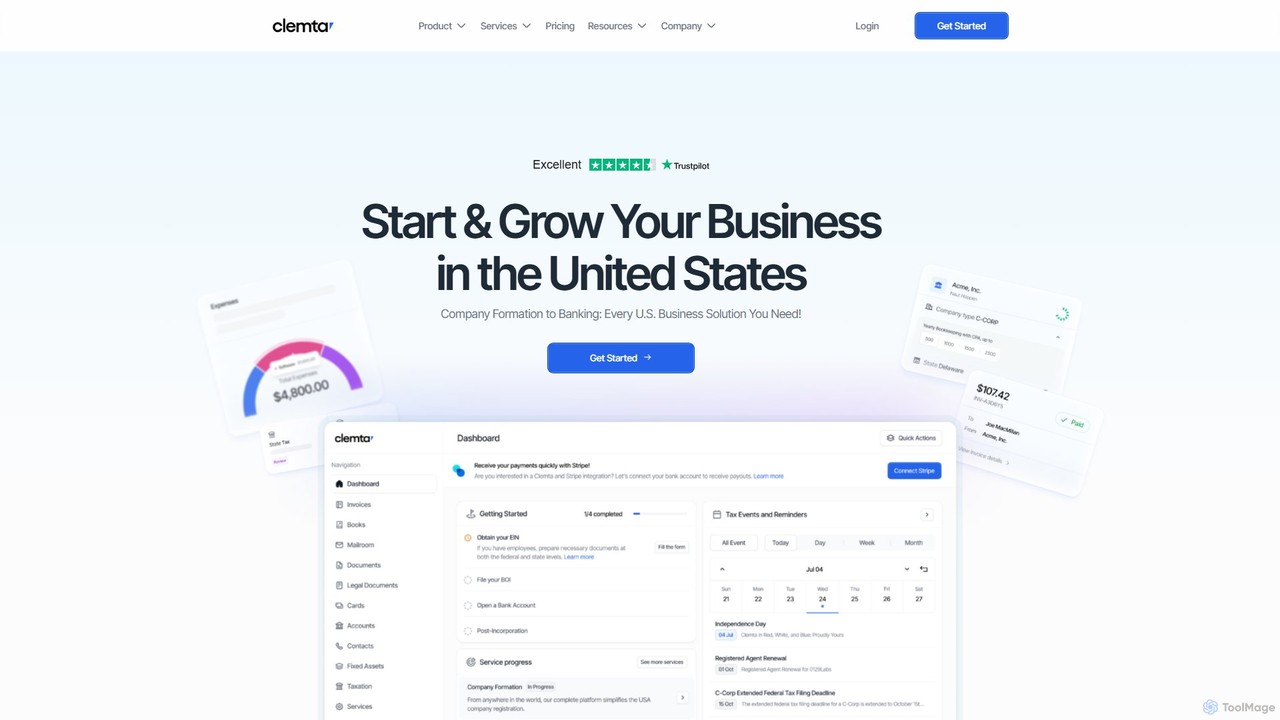
Clemta is an AI-powered, all-in-one platform for global entrepreneurs to start, manage, and grow a US business. It simplifies company formation (LLC/C-Corp), EIN/ITIN applications, banking, bookkeeping, tax filing, and compliance, making US market entry accessible from anywhere in the world.

Startup
Visits 109.4KFavorites 131Likes 136
UpCodes
Freemium

UpCodes

UpCodes is an AI-powered platform providing a searchable, up-to-date database of building codes and standards. It helps architects, engineers, and construction professionals quickly find, interpret, and collaborate on code requirements, streamlining the design and compliance process.

Architecture
Visits 993.3KFavorites 127Likes 128

About Legal

AI Legal tools are a specialized category of software designed to automate and enhance legal tasks using artificial intelligence. Leveraging Natural Language Processing (NLP) and machine learning, these tools analyze complex legal documents, conduct rapid legal research, and assist in drafting contracts. They significantly increase efficiency for lawyers, paralegals, and corporate legal departments by reducing manual work and minimizing human error. Unlike general productivity software, they are trained on vast legal datasets, enabling them to understand legal terminology, case law, and compliance requirements with high precision.

Core Features

  • Contract Analysis & Review: Automatically identifies key clauses, risks, and inconsistencies in legal agreements.
  • Legal Research Automation: Quickly searches through case law, statutes, and legal databases to find relevant precedents.
  • Document & Contract Drafting: Generates initial drafts of common legal documents like NDAs or service agreements.
  • E-Discovery Support: Analyzes large volumes of documents to identify relevant evidence for litigation processes.
  • Compliance Monitoring: Tracks regulatory changes and helps ensure organizational policies remain compliant.

Applicable Scenarios

These tools are widely used in law firms to accelerate case preparation and in corporate legal teams to manage large contract portfolios. Compliance officers also utilize them to monitor regulatory landscapes and ensure adherence to industry standards. Their application spans from solo practitioners seeking efficiency to large enterprises managing complex legal operations.

Selection Criteria

When choosing an AI Legal tool, consider its jurisdictional coverage to ensure it aligns with your region's laws. Data security and confidentiality are paramount, so verify the platform's security protocols. Also, evaluate its integration capabilities with your existing case or document management systems and whether its specialization (e.g., contract law, litigation) matches your primary needs.

Legal use cases

1

Automate Contract Review for Due Diligence

During a merger or acquisition, corporate lawyers and M&A analysts are tasked with reviewing hundreds of contracts to identify risks. By uploading all agreements to an AI legal tool, they can leverage its NLP capabilities to automatically flag non-standard clauses, potential liabilities, and key obligations. The system generates a summarized risk report, highlighting critical areas that require human attention. This process reduces the review time from weeks to a few days, ensures comprehensive risk coverage, and provides decision-makers with crucial insights faster.

2

Accelerate Legal Research for Case Preparation

A litigation attorney or paralegal needs to find supporting case law for a new legal argument. Instead of spending hours manually searching through databases, they can input a natural language query or a case summary into an AI research tool. The AI analyzes the query's context and searches vast legal libraries to identify the most relevant precedents, statutes, and judicial opinions. It often uncovers arguments that might be missed by keyword-based searches, strengthening the overall case strategy and delivering critical documents in minutes.

3

Draft Standard Non-Disclosure Agreements (NDAs)

An in-house counsel or a startup founder frequently needs to create standardized NDAs for new partnerships or employees. Using an AI drafting tool, they can input key parameters such as the names of the parties, the definition of confidential information, the term of the agreement, and the governing jurisdiction. The tool then generates a compliant and well-structured draft in seconds. This ensures consistency across all company NDAs, reduces the risk of errors from manual template editing, and frees up legal resources to focus on more complex, high-value tasks.

4

Streamline E-Discovery Document Analysis

In litigation, legal teams must sift through terabytes of data, including emails and documents, to find relevant evidence. An e-discovery AI platform automates this process. It ingests all the data and uses topic modeling, keyword search, and sentiment analysis to categorize documents and identify potentially privileged or relevant information. This drastically reduces the cost and time associated with manual document review, improves the accuracy of identifying key evidence, and helps legal teams build a stronger case much faster.

5

Monitor Regulatory Changes for Compliance

A compliance officer in a highly regulated industry, such as finance or healthcare, must stay updated on constantly changing laws. An AI compliance tool continuously scans regulatory websites, government publications, and legal news sources. It identifies and summarizes relevant changes, alerting the compliance team to new requirements that affect their organization. This proactive approach ensures timely awareness of regulatory updates, helps prevent costly compliance failures, and provides an auditable trail of monitoring efforts.

6

Manage and Analyze a Large Contract Portfolio

A contract manager or general counsel in a large enterprise needs a clear overview of thousands of active contracts. An AI-powered contract lifecycle management (CLM) tool digitizes and analyzes the entire repository. It extracts key data points such as renewal dates, liability clauses, payment terms, and obligations. This information is presented in a searchable dashboard, enabling proactive management. The system can send automated alerts for upcoming renewals, identify contracts with non-standard risk exposure, and provide insights for better negotiation strategies.

Legal FAQ

What are AI Legal tools?

AI Legal tools are specialized software applications that use artificial intelligence, particularly Natural Language Processing (NLP) and machine learning, to perform or assist with legal tasks. They are designed to understand and process the complex language and structure of legal documents. Key functions include analyzing contracts for risks, automating legal research to find precedents, and drafting standard legal documents. Their primary purpose is to increase the efficiency, accuracy, and cost-effectiveness of legal work for professionals like lawyers, paralegals, and corporate legal departments.

How to choose the right AI Legal tool?

Choosing the right AI Legal tool requires careful consideration of several factors. First, evaluate the tool's specialization and ensure it aligns with your primary tasks, such as contract review, e-discovery, or legal research. Second, verify its jurisdictional coverage; the tool must be trained on the laws and regulations relevant to your region. Third, prioritize data security and confidentiality, ensuring the provider has robust security protocols. Finally, consider its integration capabilities with your existing software ecosystem (e.g., document management systems) to ensure a seamless workflow.

What is the difference between AI Legal tools and standard legal software?

The key difference lies in their core functionality. Standard legal software typically focuses on practice management, such as case management, billing, and document storage. It helps organize information. AI Legal tools, on the other hand, perform cognitive tasks. They use AI to analyze, interpret, and even generate legal text. For example, while standard software can store a contract, an AI tool can read that contract, identify risks within it, and compare its clauses to market standards. AI tools augment legal intelligence, whereas standard software primarily enhances organizational efficiency.

Who can benefit from using AI Legal tools?

A wide range of professionals in the legal ecosystem can benefit. This includes:

  • Lawyers and Law Firms: To accelerate research, improve case strategy, and automate repetitive drafting and review tasks, allowing them to focus on high-value client work.
  • Corporate Legal Departments: To manage large contract portfolios, ensure regulatory compliance, and handle due diligence more efficiently.
  • Paralegals and Legal Assistants: To streamline document management, automate evidence discovery, and support attorneys more effectively.
  • Startups and Small Businesses: To access affordable solutions for creating standard legal documents like NDAs and service agreements without high initial legal fees.
Is advice from AI Legal tools a substitute for a human lawyer?

No, AI Legal tools are not a substitute for a qualified human lawyer. They are powerful assistive technologies designed to augment, not replace, legal professionals. These tools excel at data-intensive and repetitive tasks like document review and research, but they lack the critical judgment, strategic thinking, ethical reasoning, and client relationship skills of a human lawyer. Final legal advice, representation in court, and complex strategic decisions should always be handled by a human expert. The tools support decision-making; they do not make the final legal judgment.