Pixlyze
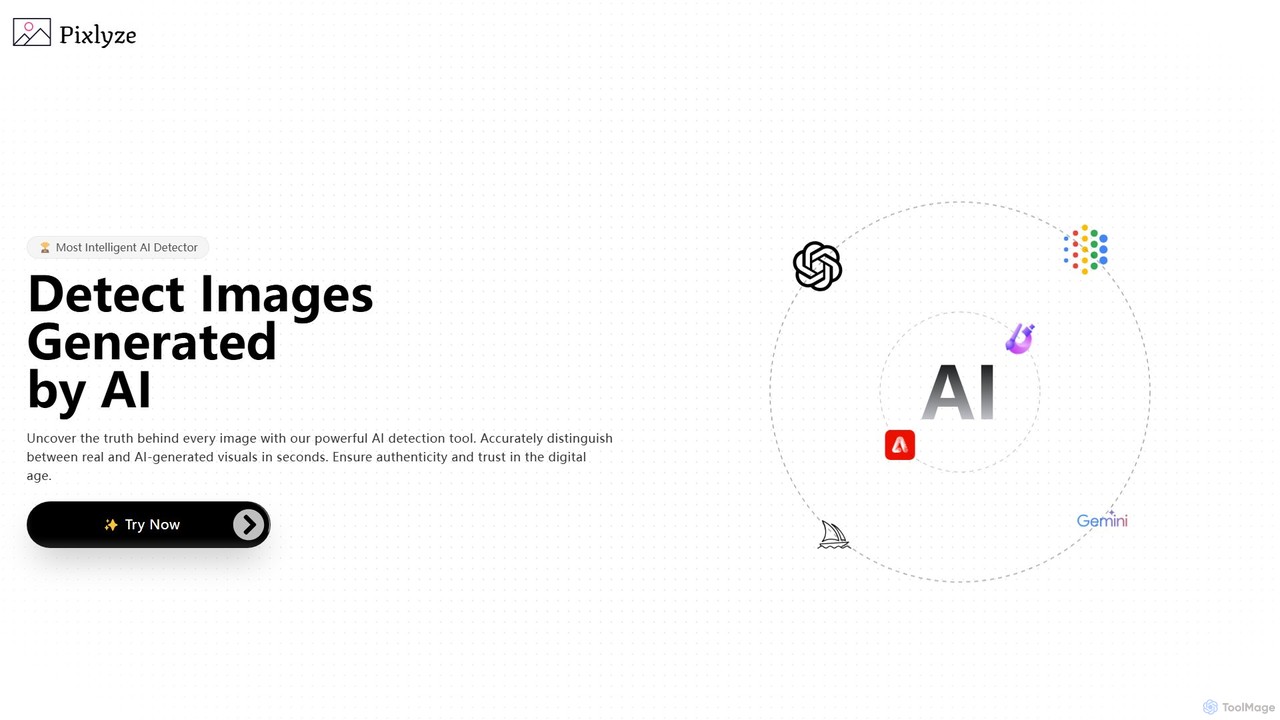
Pixlyze is a powerful AI image detector that accurately distinguishes between real and AI-generated visuals in seconds. It …
Pixlyze is a powerful AI image detector that accurately distinguishes between real and AI-generated visuals in seconds. It helps users ensure authenticity and trust in the digital age. Beyond detection, Pixlyze offers a unique feature to make images undetectable by other AI detectors, protecting content creators. With high accuracy, fast processing, and a strong commitment to user privacy, it serves journalists, artists, marketers, and legal professionals in verifying the origin of images and maintaining digital integrity.
BladeRunner
BladeRunner is a free browser extension that detects and highlights AI-generated text directly on any webpage. It helps …
BladeRunner is a free browser extension that detects and highlights AI-generated text directly on any webpage. It helps users identify misinformation, spam, fake reviews, and academic dishonesty by providing a real-time, augmented reality-like analysis of online content. It supports Chrome, with Safari and Firefox versions in development.
uPass AI
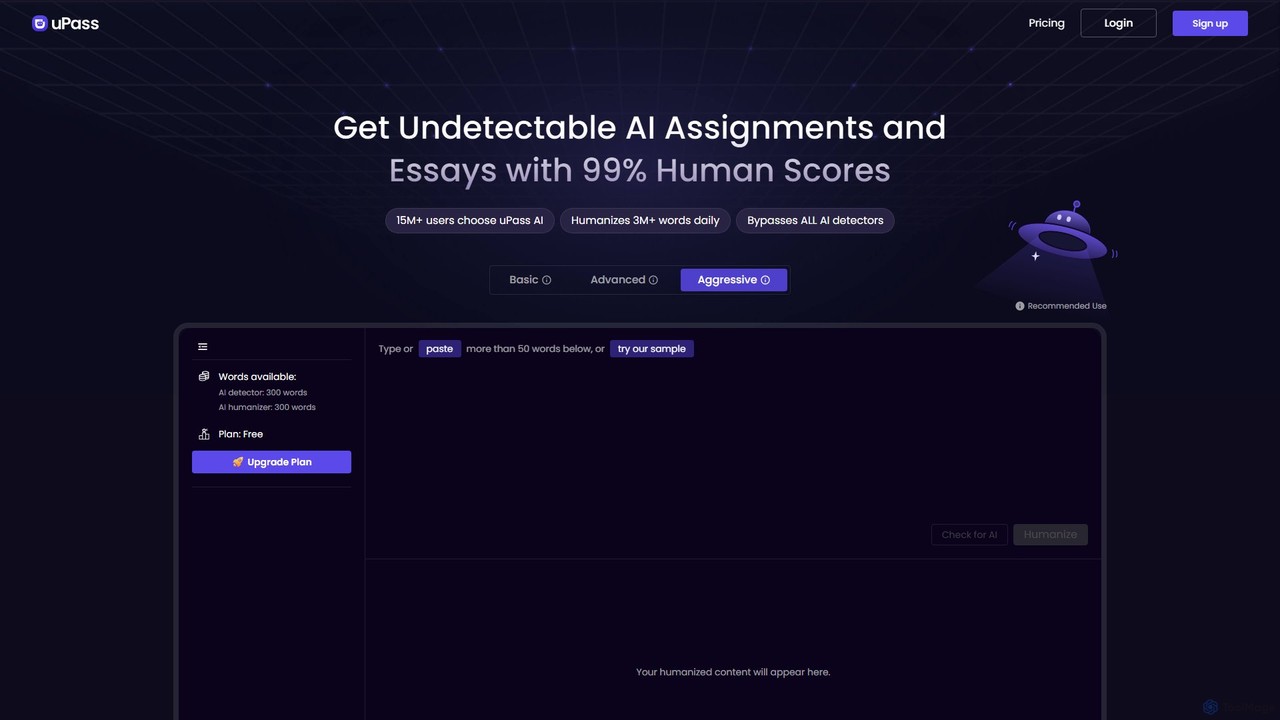
uPass AI is an advanced AI humanizer designed to make AI-generated text undetectable by popular detectors like Turnitin, …
uPass AI is an advanced AI humanizer designed to make AI-generated text undetectable by popular detectors like Turnitin, GPTZero, and Originality.ai. It rewrites content to achieve high human scores, ensuring the output is plagiarism-free, grammatically correct, and maintains the original meaning. Ideal for students and writers seeking to bypass AI detection.
HumanizeTxt.AI
HumanizeTxt.AI is an all-in-one AI writing ecosystem designed to humanize AI-generated text, making it completely undetectable by all …
HumanizeTxt.AI is an all-in-one AI writing ecosystem designed to humanize AI-generated text, making it completely undetectable by all major AI detectors. It offers a suite of tools for content creation, including writers for essays, articles, and marketing copy, ensuring your content is natural, engaging, and authentic.
About Detection
AI Detection tools are a class of software that uses machine learning to identify specific patterns, attributes, or anomalies within data. These tools analyze text, images, audio, or code to determine their origin, authenticity, or to flag specific content types. By automating the verification process, they play a crucial role in maintaining content integrity, ensuring academic honesty, and enhancing digital security. This capability directly boosts productivity by reducing the need for manual review and mitigating risks associated with fraudulent or low-quality content.
Core Features
- AI-Generated Content Identification: Detects text or images created by generative AI models like GPT or Midjourney.
- Plagiarism and Similarity Analysis: Scans documents against a vast database to find unoriginal content and improper citations.
- Object and Pattern Recognition: Identifies specific objects, faces, or scenes within images and videos for moderation or data tagging.
- Anomaly Detection: Pinpoints unusual data points or behaviors in datasets that deviate from the norm, often used for fraud detection.
- Sentiment and Tone Analysis: Evaluates text to determine the underlying emotion or attitude, useful for customer feedback analysis.
Use Cases
These tools are widely used by educators and academic institutions to uphold integrity. Publishers, editors, and content marketing teams use them to verify the originality of submitted work. Additionally, online platforms rely on detection tools for content moderation, while financial institutions and e-commerce businesses use them to detect fraudulent activities.
How to Choose
When selecting an AI Detection tool, consider its accuracy rate and the prevalence of false positives. Evaluate the range of content types it supports (e.g., text, code, various image formats). For business use, check for API availability for integration into existing workflows. Finally, assess the clarity of its reports and the pricing model's suitability for your usage volume.

DetectionUse Cases
Ensuring Academic Integrity in Education
An educator at a university needs to verify the originality of hundreds of student essays. Using an AI Detection tool, they can upload the submissions in bulk. The tool simultaneously checks for plagiarism against online sources and academic papers, and also scans for characteristics of AI-generated text. Within minutes, it produces a detailed report for each essay, highlighting potential issues with color-coded flags and similarity scores. This process automates what would take days of manual work, allowing the educator to focus on providing quality feedback rather than policing submissions, thus upholding academic standards efficiently.
Verifying Content Originality for Digital Publishing
A content manager for a large blog receives dozens of articles from freelance writers daily. To maintain SEO rankings and brand credibility, every piece must be original. They integrate an AI detection tool's API into their content management system (CMS). When a writer submits a draft, the system automatically triggers a scan. The tool checks for plagiarism and AI authorship. If the content scores high on originality, it's moved to the editing queue. If not, it's flagged for review. This streamlines the editorial workflow, prevents duplicate content penalties, and ensures the publication's standards are consistently met without manual spot-checking.
Automating Content Moderation on Social Platforms
The community manager for a fast-growing online forum faces a surge in user-generated content, including spam and inappropriate comments. They implement an AI detection tool designed for content moderation. The tool automatically scans every new post and comment in real-time. It uses object recognition to flag harmful images and natural language processing to identify hate speech or bullying. Flagged content is quarantined for human review, while safe content is published instantly. This allows the moderation team to manage a large volume of content effectively, creating a safer user environment and protecting the brand's reputation.
Detecting Fraud in Financial Transactions
A financial technology company needs to protect its users from fraudulent transactions. They employ an AI anomaly detection tool that analyzes transaction data in real-time. The model is trained on vast datasets of normal user behavior, including typical transaction amounts, locations, and frequencies. When a transaction occurs that significantly deviates from a user's established pattern—such as a large purchase from a foreign country—the system flags it as suspicious. It can then automatically block the transaction and notify the user, preventing financial loss and building customer trust through proactive security measures.
Analyzing Customer Feedback with Sentiment Detection
A product manager wants to understand customer sentiment following a new feature launch. Instead of manually reading thousands of reviews from app stores and social media, they use an AI detection tool with sentiment analysis capabilities. The tool processes all the text-based feedback and categorizes each comment as positive, negative, or neutral. It can also identify key themes and topics associated with each sentiment. This provides the product manager with a clear, quantitative overview of customer reception, allowing them to quickly identify areas of success and points of friction without bias, enabling faster, data-driven product improvements.
Identifying Copyright Infringement in Digital Media
A stock photography agency needs to protect its artists' work from unauthorized use across the web. They use an AI image detection tool that continuously crawls the internet. The tool creates a unique digital fingerprint for each image in their catalog. When it finds a matching or heavily modified version of an image on a third-party website, it flags the URL for review. The legal team can then assess whether the usage is licensed. This automated monitoring system allows the agency to protect intellectual property at scale, a task that would be impossible to perform manually, ensuring artists are properly compensated.