
Writitude
Writitude is an AI-powered platform for teams to create, manage, and enforce brand voice and style guidelines. It …
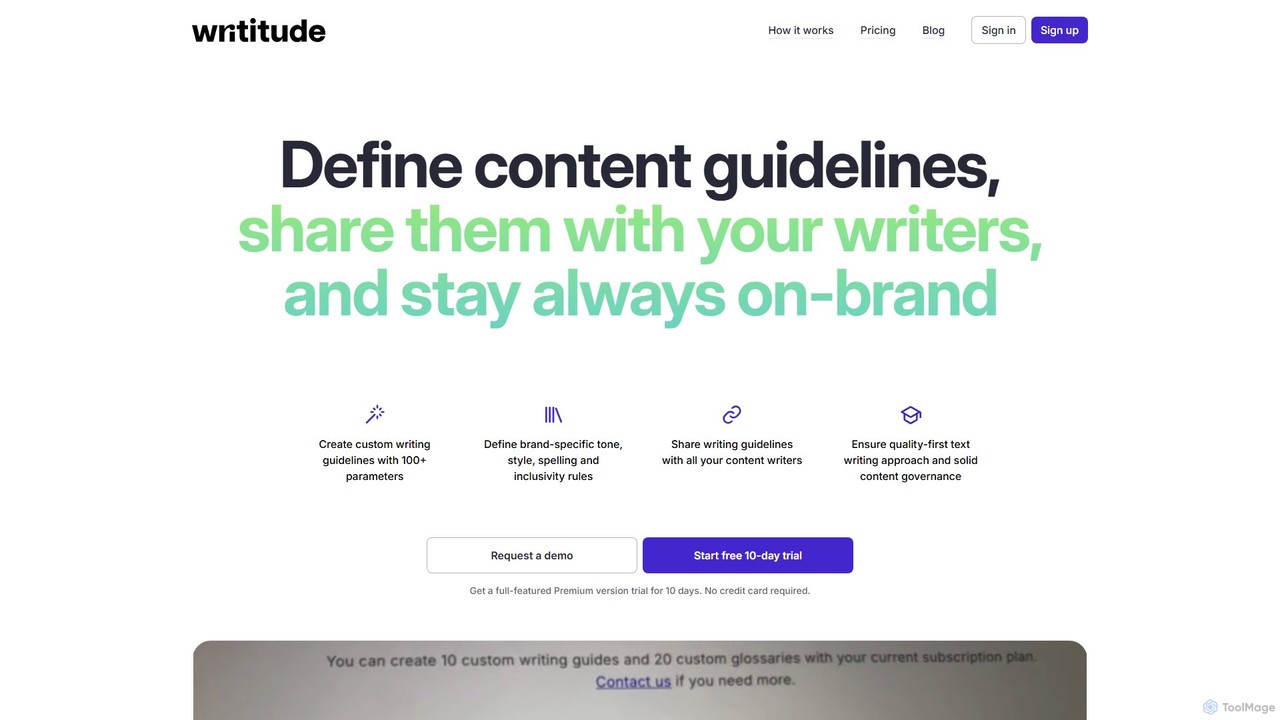
Writitude is an AI-powered platform for teams to create, manage, and enforce brand voice and style guidelines. It helps ensure content consistency by providing writers with real-time feedback and automated checks against over 100 customizable parameters. Define your unique tone, style, and inclusivity rules to keep all your communication on-brand, reducing editing time and simplifying writer onboarding.
About Content Management
AI Content Management tools are platforms designed for teams to centrally store, organize, and govern their digital assets. These systems use AI to automate metadata tagging, content analysis, and search, enhancing discoverability and workflow efficiency. They serve as a single source of truth within collaborative environments, streamlining the entire content lifecycle from creation to approval and distribution. As a key part of team collaboration, they focus specifically on the structured management of shared informational and creative materials.
Core Features
- Centralized Asset Hub: Provides a single, organized repository for all team documents, media, and design files.
- Version Control & History: Automatically tracks all file revisions, allowing users to view or restore previous versions.
- AI-Powered Organization: Employs artificial intelligence to automatically tag, categorize, and analyze content for easier searching.
- Review & Approval Workflows: Enables teams to create custom, multi-step processes for content review and stakeholder sign-off.
- Granular Access Control: Offers precise permission settings to define who can view, edit, approve, or share specific assets.
Use Cases
These tools are frequently used by marketing teams to manage campaign materials, design teams to control creative file versions, and legal departments for secure document review cycles. They are also vital for sales enablement, providing a controlled library of up-to-date collateral for sales representatives.
How to Choose
When selecting a tool, assess its integration capabilities with your existing software stack, such as design tools or project management platforms. Evaluate the sophistication of its workflow automation, the level of its security and permission controls, and whether its pricing model aligns with your team's size and storage requirements.
Content ManagementUse Cases
Marketing Campaign Asset Coordination
A marketing team uses a content management system to coordinate all assets for a new product launch. Graphic designers upload ad creatives, copywriters submit blog post drafts, and video editors add promotional clips. The marketing manager initiates an approval workflow, where stakeholders can leave comments directly on the files. Once approved, the system automatically organizes the final assets into a 'Launch-Ready' collection, ensuring everyone uses the correct, final versions for the campaign.
Design System Version Management
A product design team maintains their company's design system within a content management tool. Each component, from buttons to icons, is stored as a separate asset with detailed version history. When a designer updates a component, they upload a new version. The system notifies all team members of the change. This ensures that developers always access the latest, approved design specifications, preventing inconsistencies across the product interface.
Legal Document Review and Approval
A corporate legal team manages contracts and policy documents using a secure content management platform. When a new contract is drafted, it's uploaded and a review workflow is assigned to relevant department heads. The platform tracks every change and comment, creating a clear audit trail. Access is restricted to authorized personnel only. Once all parties approve electronically, the final, executed version is locked and archived, ensuring compliance and record-keeping integrity.
Centralized Sales Enablement Hub
A sales department maintains a content management system as their single source of truth for all sales materials. It houses the latest product brochures, case studies, presentation decks, and pricing sheets. AI-powered search allows reps to quickly find the most relevant asset for a specific customer. The system ensures that the entire sales team uses only approved, on-brand, and up-to-date information, improving consistency and professionalism in client communications.
Product Documentation Lifecycle Management
A software development team uses a content management tool to manage all product-related documentation, including Product Requirement Documents (PRDs), technical specifications, and user guides. As the product evolves, documents are updated through a structured review process. The version control feature is critical, allowing anyone to see how requirements have changed over time. This centralized repository ensures that developers, QA testers, and technical writers are all working from the same, most current set of documents.
Agency-Client Content Collaboration Portal
A creative agency provides its clients with access to a shared content management portal. The agency uploads design mockups, video drafts, and social media calendars for client review. Clients can log in, view the assets, and leave consolidated feedback in one place, avoiding confusing email chains. The system tracks which version the client has approved, creating a clear record of sign-offs and reducing misunderstandings about final deliverables.