ToolMage
Sign in

Best 36 Technology AI tools

Popular Technology AI tools include Google Skills, HackerNoon, Google Research, The Ankler, Praktika, Adobe Newsroom, Index Ventures, Bubio, X-ray Interpreter, and oasisaiminecraft, helping you work more efficiently.

APAC
Free

APAC

APAC is a mission-driven venture capital firm that invests in and supports early-stage startups in AI, Deep Tech, and Energy. It provides strategic funding and expert guidance to visionary entrepreneurs aiming to solve significant global challenges and advance humanity.

Startup Incubation
Visits 6KFavorites 130Likes 137
The Ankler
Freemium

The Ankler

The Ankler is a premier media platform and newsletter offering insider analysis and sharp commentary on the Hollywood entertainment industry. It provides in-depth coverage of business deals, power dynamics, and the transformative impact of technology, with a dedicated section, 'Reel AI,' focusing on Artificial Intelligence in film and television.

Market Intelligence
Visits 247.8KFavorites 125Likes 149
Google Research
Free

Google Research

Google Research is a premier hub for exploring groundbreaking advancements in science and AI. It provides open access to a vast repository of research papers, project showcases, and open-source resources across diverse fields like machine learning, quantum computing, and healthcare. It's an essential platform for researchers, developers, and enthusiasts to stay at the forefront of technological innovation and understand its real-world impact.

Learning Platform
Visits 1.5MFavorites 138Likes 129
oasisaiminecraft
Free

oasisaiminecraft

Oasis AI Minecraft is a revolutionary browser-based game where the entire world is generated in real-time by an advanced AI. Trained on millions of hours of Minecraft footage, it offers a unique, unpredictable, and ever-evolving sandbox experience. Players can explore surreal landscapes, witness spontaneous structure generation, and even create custom playable worlds from their own images, all without any downloads.

World Generation
Visits 68KFavorites 114Likes 111
Lingolette
Freemium

Lingolette

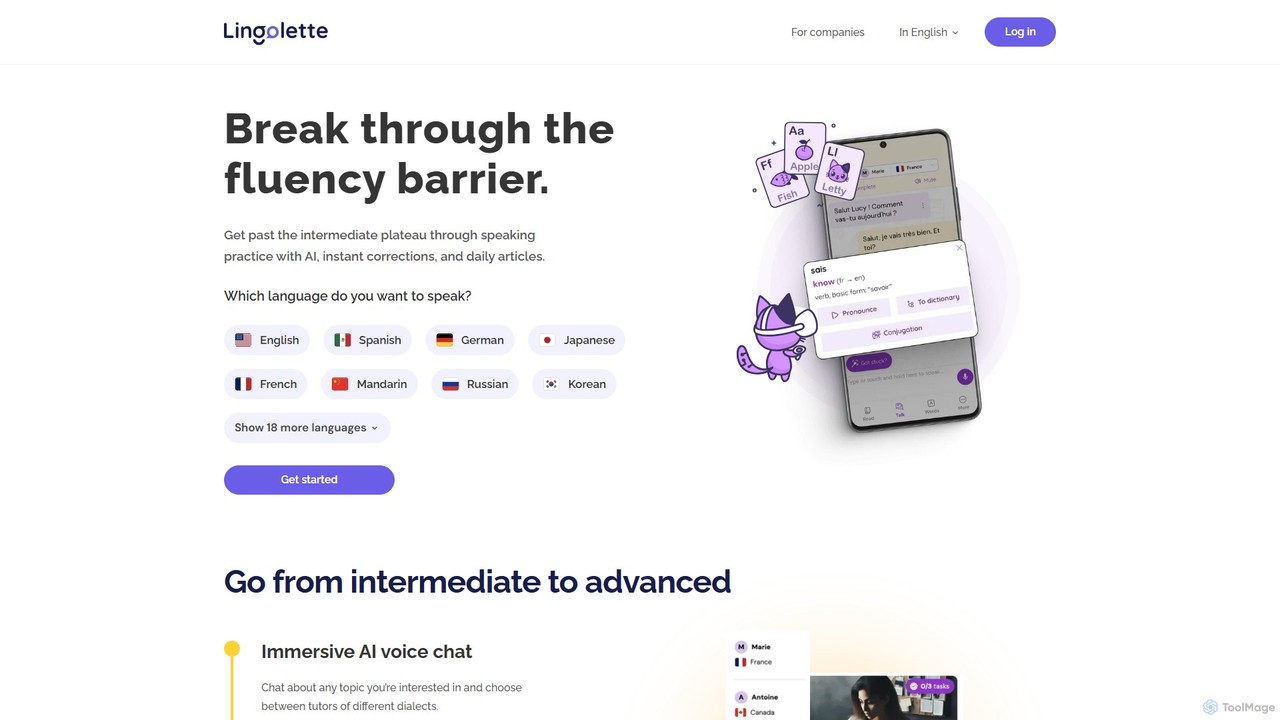
Lingolette is an AI-powered language learning platform designed to help intermediate learners achieve fluency. Through immersive AI voice chat, personalized daily articles, and instant corrections, it provides a safe and effective environment for practicing speaking and writing. Supporting over 25 languages, Lingolette acts as a 24/7 practice partner, adapting to your pace, interests, and learning level, making it an affordable and flexible alternative to traditional language schools.

Language Learning
Visits 12.1KFavorites 93Likes 111
May Mobility
Paid

May Mobility

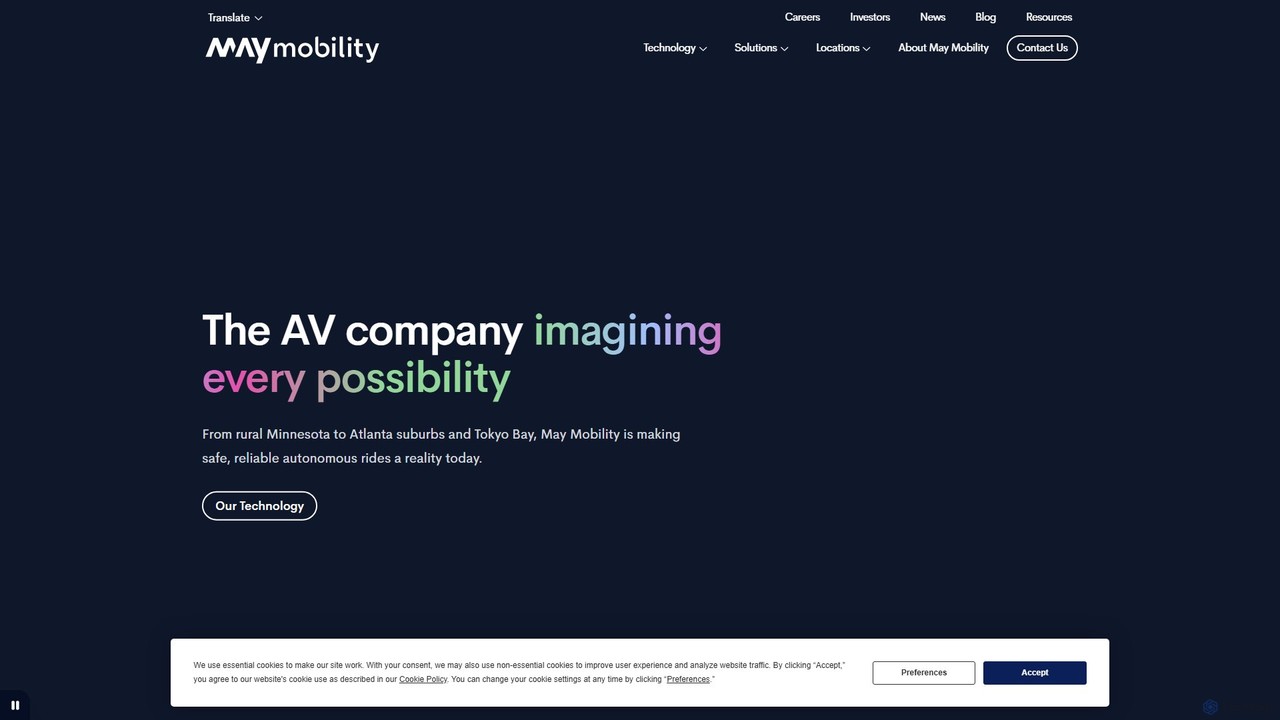
May Mobility is an autonomous vehicle (AV) technology company that develops and deploys self-driving transit solutions. Leveraging its proprietary Multi-Policy Decision Making (MPDM) AI, May Mobility provides safe, accessible, and reliable autonomous rides, partnering with cities, transit agencies, and businesses to solve transportation challenges.

Logistics
Visits 23.1KFavorites 121Likes 119
Rash Detector
Paid

Rash Detector

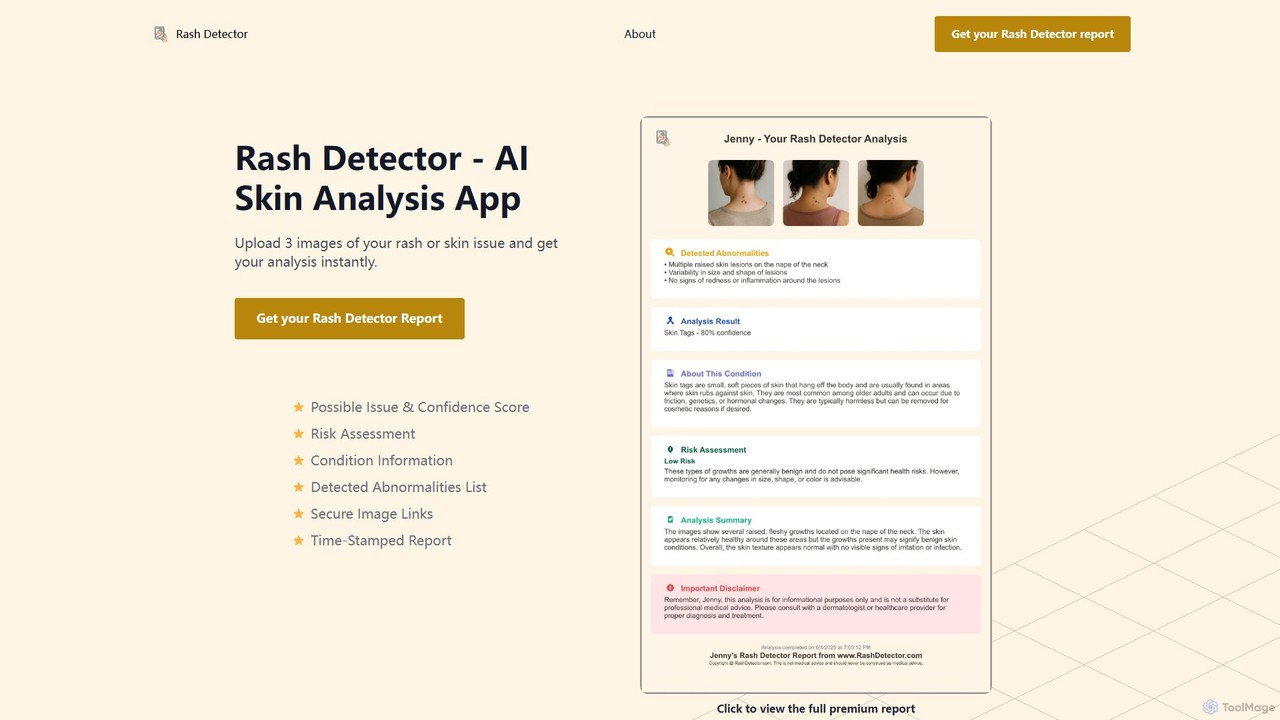
Rash Detector is an AI-powered skin analysis tool that provides instant insights into rashes and skin conditions. By uploading three photos, users receive a comprehensive report including possible issues with confidence scores, risk assessment, and detailed information. It's a fast, private, and simple way to get a preliminary understanding of a skin concern before consulting a doctor. Available on web and Android.

Symptom Analysis
Visits 4.7KFavorites 114Likes 136
Benson

Benson

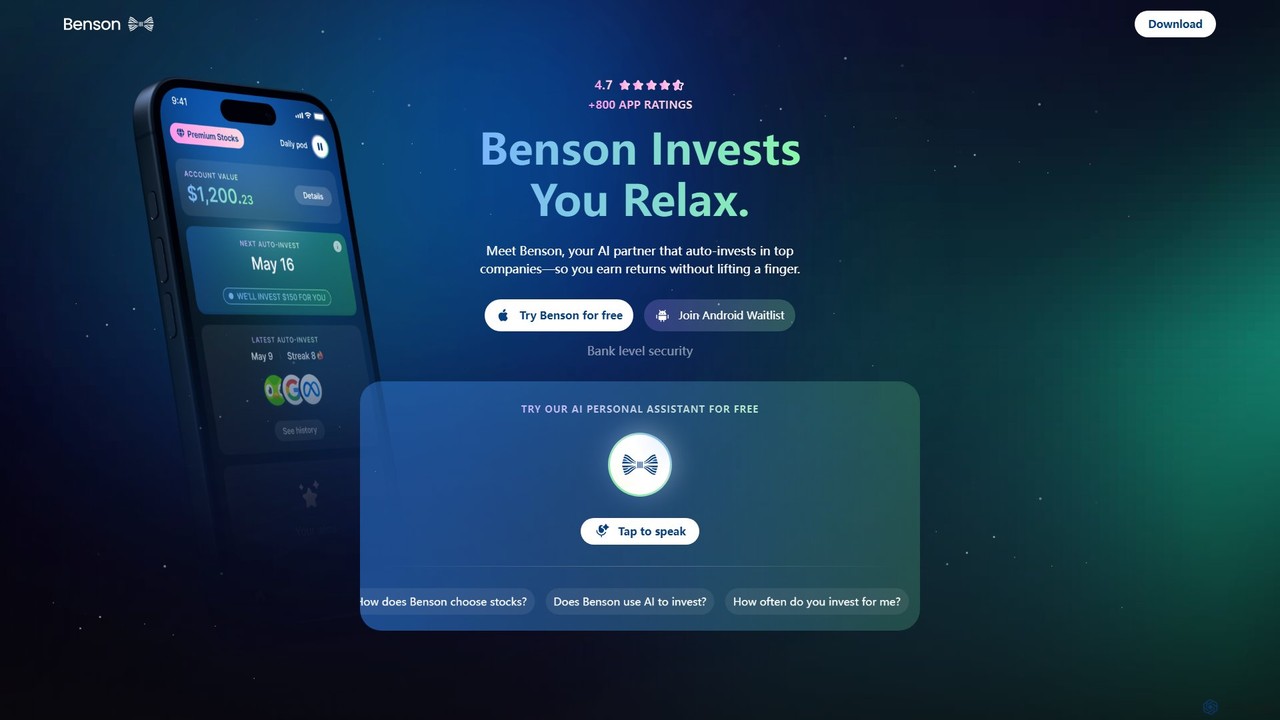
Benson is an AI-powered investment assistant designed to make stock market investing easy and accessible for everyone. It simplifies the process by screening thousands of stocks, providing clear, jargon-free recommendations, and allowing users to invest with a single tap. Benson automates portfolio management, making it ideal for beginners and busy individuals.

Investing
Visits 6.3KFavorites 127Likes 126
Open Tutor
Freemium

Open Tutor

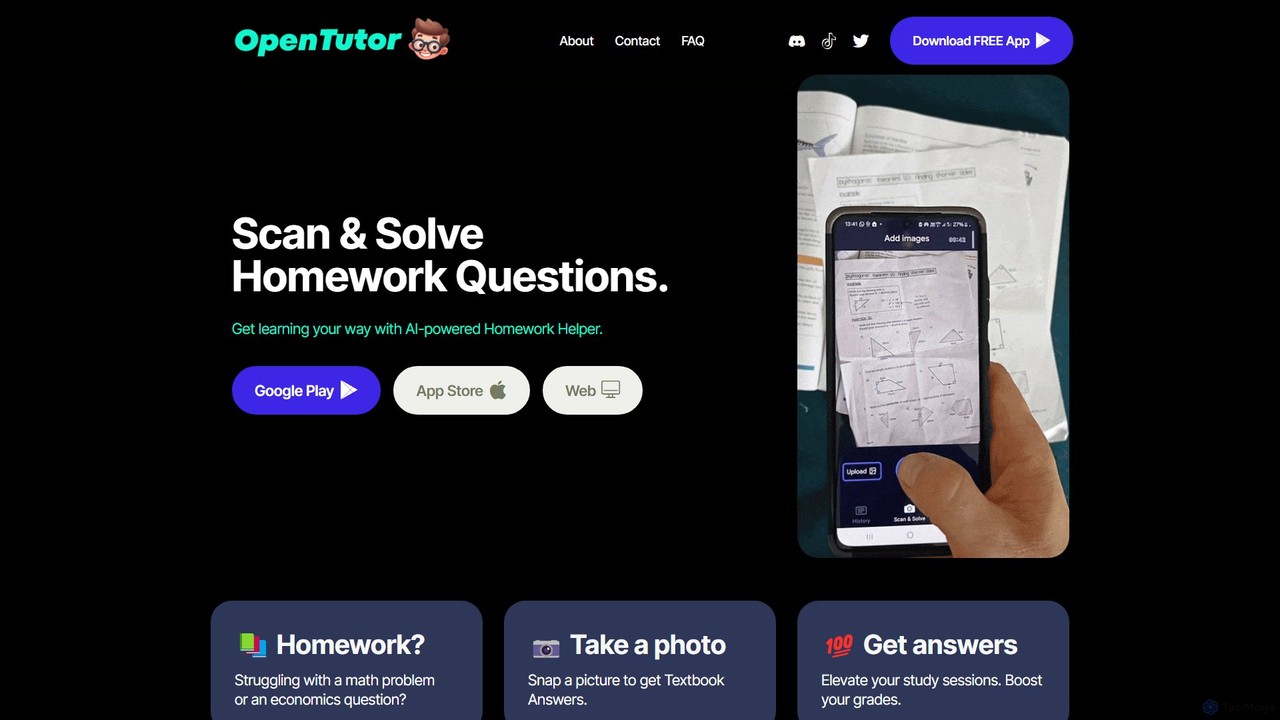
Open Tutor is an AI-powered homework helper that instantly solves academic problems. Simply snap a photo of a question from any subject, like math or economics, and the app provides detailed, step-by-step solutions. It's designed to reduce study stress, enhance understanding, and make learning more accessible and efficient for students of all levels.

Homework Helper
Visits 4.6KFavorites 125Likes 119
Gaize
Paid

Gaize

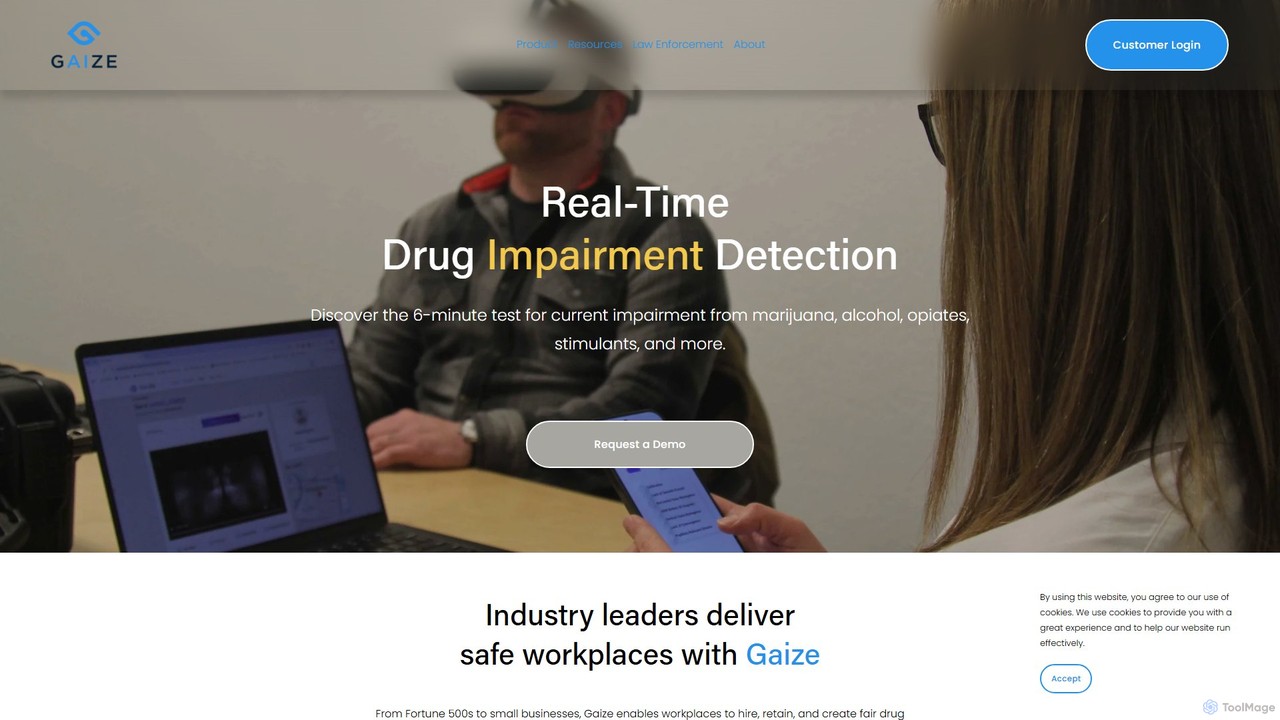
Gaize is an AI-powered impairment detection platform designed for workplace safety. It uses a rapid, 6-minute automated eye test to accurately detect real-time impairment from cannabis, alcohol, opiates, and other substances. The system provides objective, legally defensible evidence without requiring bodily fluids, helping companies maintain safety, implement fair drug policies, and retain valuable employees.

Risk Management
Visits 10.3KFavorites 137Likes 137
Index Ventures

Index Ventures

Index Ventures is a global venture capital firm that partners with visionary entrepreneurs, from seed to IPO. With a strong focus on technology, AI, and SaaS, they provide capital, strategic guidance, and a global network to help build the next generation of iconic companies.

Startup Funding
Visits 119.3KFavorites 132Likes 114
HeHealth
Paid

HeHealth

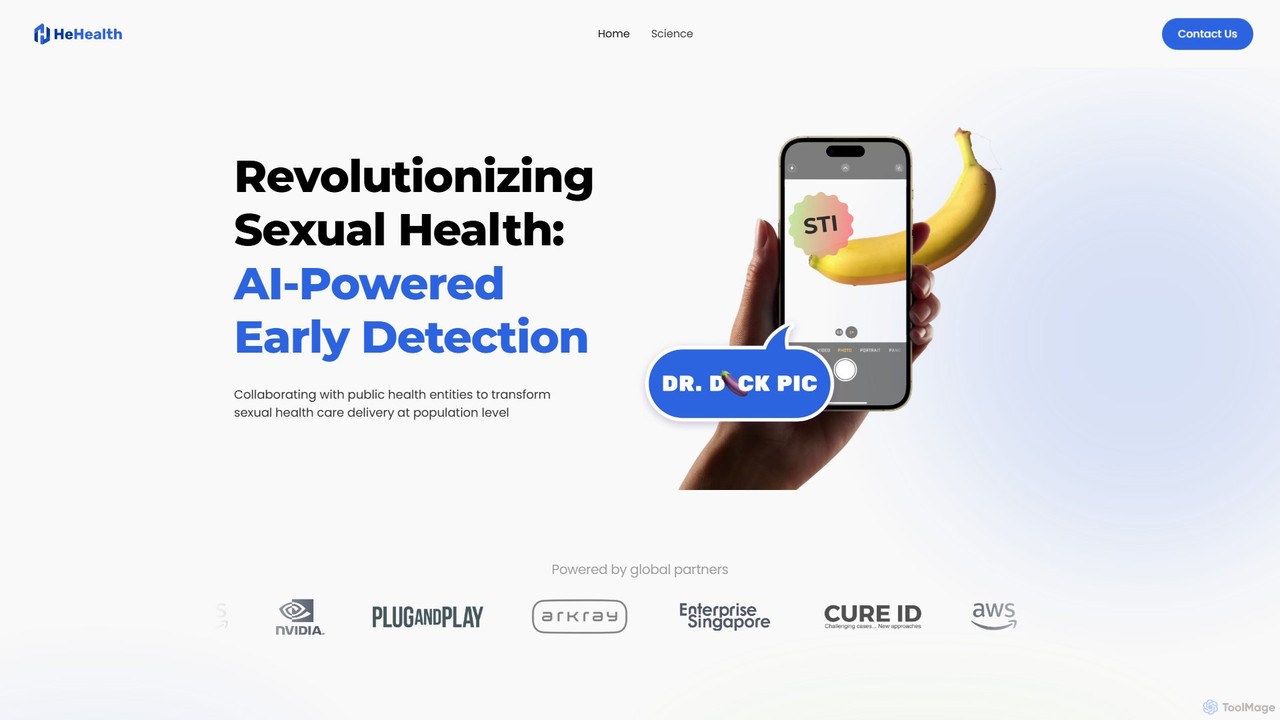
HeHealth is an AI-powered platform revolutionizing men's sexual health. It offers a discreet, accurate, and affordable way to get instant analysis of visual symptoms for early detection of STDs and other penile diseases, all from the privacy of home. Backed by scientific research and medical experts, it achieves ~94% accuracy.

Medical Diagnosis
Visits 6KFavorites 163Likes 167

About Technology

AI Technology tools are foundational platforms, models, and APIs that enable the development of artificial intelligence applications. These tools leverage core AI disciplines like machine learning, natural language processing (NLP), and computer vision to provide the building blocks for creating intelligent systems. Their primary value lies in empowering developers and businesses to integrate sophisticated AI capabilities into their own products, services, and workflows without building everything from scratch. This category represents the engine that powers a vast array of specialized AI solutions across all industries.

Core Features

  • Model Access via APIs: Provides programmatic access to pre-trained models, such as large language models (LLMs) or image recognition systems, for easy integration.
  • MLOps Platforms: Offers end-to-end environments for managing the machine learning lifecycle, including data preparation, model training, deployment, and monitoring.
  • Data Processing & Annotation: Includes tools for cleaning, transforming, and accurately labeling large datasets, which is crucial for training effective AI models.
  • AI Infrastructure: Delivers access to optimized computing resources, like GPUs and TPUs, necessary for handling intensive AI training and inference workloads.

Applicable Scenarios

These tools are primarily used by software developers building AI-powered features, data scientists training custom models for specific business problems, and large enterprises creating proprietary AI systems. For instance, a developer might use an NLP API to add a chatbot to an app, while a research team could use an MLOps platform to develop a new fraud detection algorithm.

Selection Criteria

When choosing an AI Technology tool, consider its scalability to handle your data and user load. Evaluate the availability and quality of its pre-trained models and the flexibility for customization or fine-tuning. Assess the ease of integration through APIs and SDKs with your existing technology stack. Finally, analyze the pricing model—whether it's pay-per-use for APIs or subscription-based for platforms—to align with your budget and usage patterns.

Featured tool rankings

Technology use cases

1

Build a Custom Customer Service Chatbot

A startup's development team needs to create a sophisticated chatbot for their e-commerce platform. Instead of building a natural language processing model from scratch, they use a large language model (LLM) API. They provide the API with their product documentation and past customer service transcripts for context. This allows the chatbot to understand user intent accurately and provide relevant, company-specific answers. The result is a 24/7 automated support system that handles over 70% of common inquiries, freeing up human agents for more complex issues.

2

Develop a Medical Image Analysis System

A health-tech company aims to create a tool for radiologists that can detect early signs of disease in X-rays. Their data science team uses an MLOps platform to manage the entire workflow. They start by using the platform's data annotation tools to label thousands of images. Then, they train a custom computer vision model on the platform's GPU-powered infrastructure. The platform helps them track experiments, version models, and finally deploy the best-performing model as a secure API that can be integrated into hospital software, improving diagnostic accuracy.

3

Integrate Voice Commands into a Smart Home App

A mobile app developer wants to add voice control to their smart home application. They utilize a cloud-based Speech-to-Text API. When a user speaks a command like "Dim the living room lights," the app sends the audio to the API. The API transcribes the speech into text with high accuracy and low latency, and sends it back to the app. The app then parses the text to execute the corresponding action. This integration provides a hands-free, convenient user experience without the developer needing to become an expert in speech recognition technology.

4

Automate Document Processing for a Financial Firm

A financial services company processes thousands of invoices and loan applications daily, a task that is manual and error-prone. They implement an AI platform that combines Optical Character Recognition (OCR) and Natural Language Processing (NLP). Scanned documents are fed into the system. The OCR technology converts images to text, and the NLP model then extracts and categorizes key information like invoice numbers, amounts, and applicant names. This data is automatically populated into their financial software, reducing manual data entry by 90% and significantly improving data accuracy.

5

Power a Recommendation Engine for an E-commerce Site

An online retailer wants to increase sales by providing personalized product recommendations. Their data science team uses a machine learning platform to build a recommendation engine. They feed the platform with historical data, including user purchase history, browsing behavior, and product details. The platform provides tools to preprocess this data and train several recommendation models (e.g., collaborative filtering). After evaluating the models, they deploy the most effective one as an API. This API is called by their website to display a unique 'Recommended for You' section for each visitor, leading to a 15% increase in conversion rates.

6

Create a Generative AI Application

A startup founder wants to build a new application that generates marketing copy for social media. They decide to use a foundational text-generation model available via an API. Their development team builds a user interface where marketers can input a product description and target audience. This input is sent to the AI model's API, which returns several creative ad copy variations. By building on top of an existing powerful model, the startup can launch their product in a few weeks instead of years, focusing their resources on user experience and market strategy rather than core model development.

Technology FAQ

What are AI Technology tools?

AI Technology tools are the foundational components—such as platforms, APIs, and infrastructure—that developers and data scientists use to build, deploy, and manage AI applications. Unlike end-user AI tools (like a specific chatbot app), these are the 'engines' or 'toolkits' used to create those applications. They provide access to core capabilities like machine learning models, natural language processing, and computer vision, enabling the creation of custom AI solutions without starting from scratch.

How do I choose the right AI Technology platform?

Choosing the right platform depends on your specific needs. Consider the following factors:

  • Project Goal: Are you integrating a simple feature via an API (e.g., translation) or building a complex, custom model from scratch (requiring an MLOps platform)?
  • Technical Expertise: Some platforms offer low-code solutions, while others require deep machine learning knowledge.
  • Scalability: Ensure the platform can handle your expected data volume and user traffic.
  • Cost: Compare pricing models. API calls are often pay-as-you-go, while platforms might have subscription fees. Evaluate the total cost of ownership, including compute resources.
  • Ecosystem: Check for good documentation, community support, and easy integration with your existing tech stack.
What's the difference between an AI Technology platform and a specific AI application?

The key difference is between a 'toolkit' and a 'finished product'.

An AI Technology platform is the toolkit. It provides developers with the models, APIs, and infrastructure to build things. For example, an API that provides access to a large language model is a technology tool.

A specific AI application is the finished product created using that toolkit. For example, an AI writing assistant app that uses the aforementioned language model API to help users write emails is a specific application. The platform is for builders; the application is for end-users.

What are the key components of an AI Technology stack?

A typical AI technology stack includes several layers. At the bottom is the Infrastructure layer, providing computing power (GPUs, TPUs). Above that is the Data Layer, with tools for data storage, processing, and annotation. The next layer is Models & Frameworks, which includes machine learning frameworks (like TensorFlow or PyTorch) and pre-trained models. The top layer is the Application & Deployment Layer, which includes MLOps platforms for managing the model lifecycle and APIs that make the AI capabilities accessible to other software.

Who are the primary users of AI Technology tools?

The primary users are technical professionals who build or integrate AI systems. This includes:

  • Software Developers: They use APIs to integrate AI features like text generation or image recognition into their applications.
  • Data Scientists & Machine Learning Engineers: They use MLOps platforms and frameworks to train, test, and deploy custom machine learning models.
  • Enterprise IT Teams: They leverage these platforms to build and manage proprietary AI solutions that solve specific business challenges, such as fraud detection or supply chain optimization.
  • Researchers: They use the infrastructure and frameworks to experiment with and develop new AI algorithms.