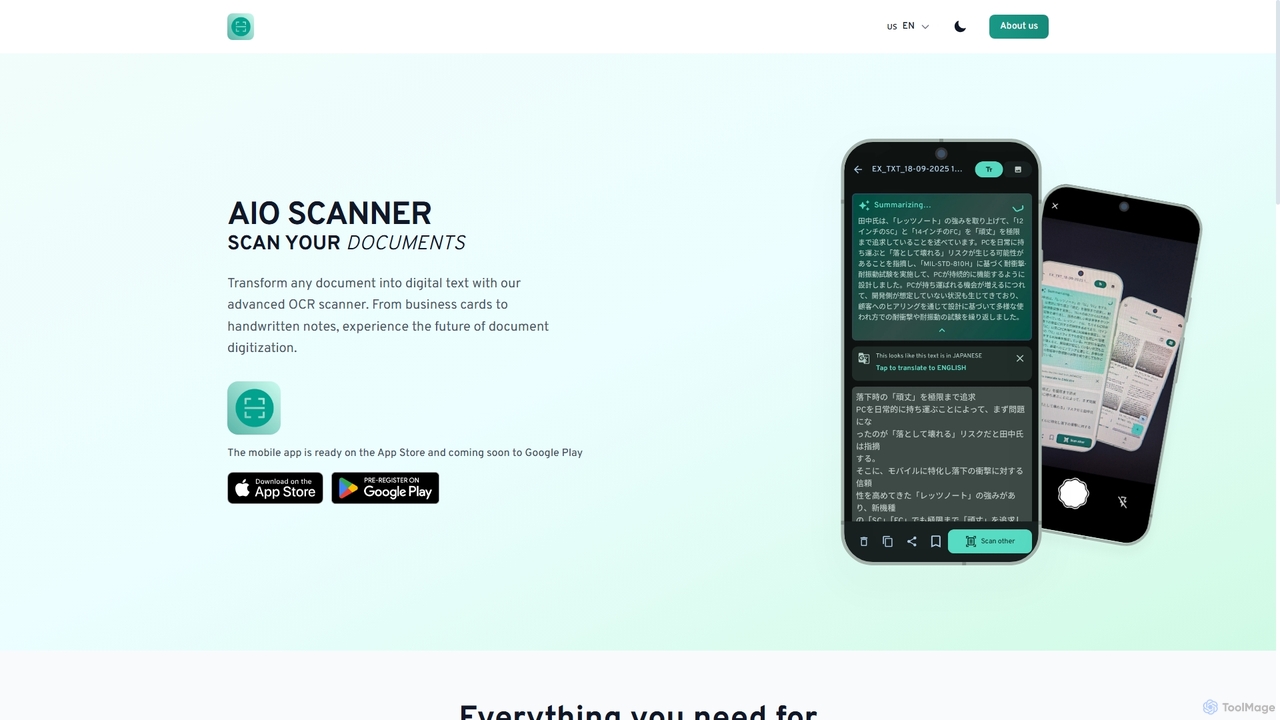
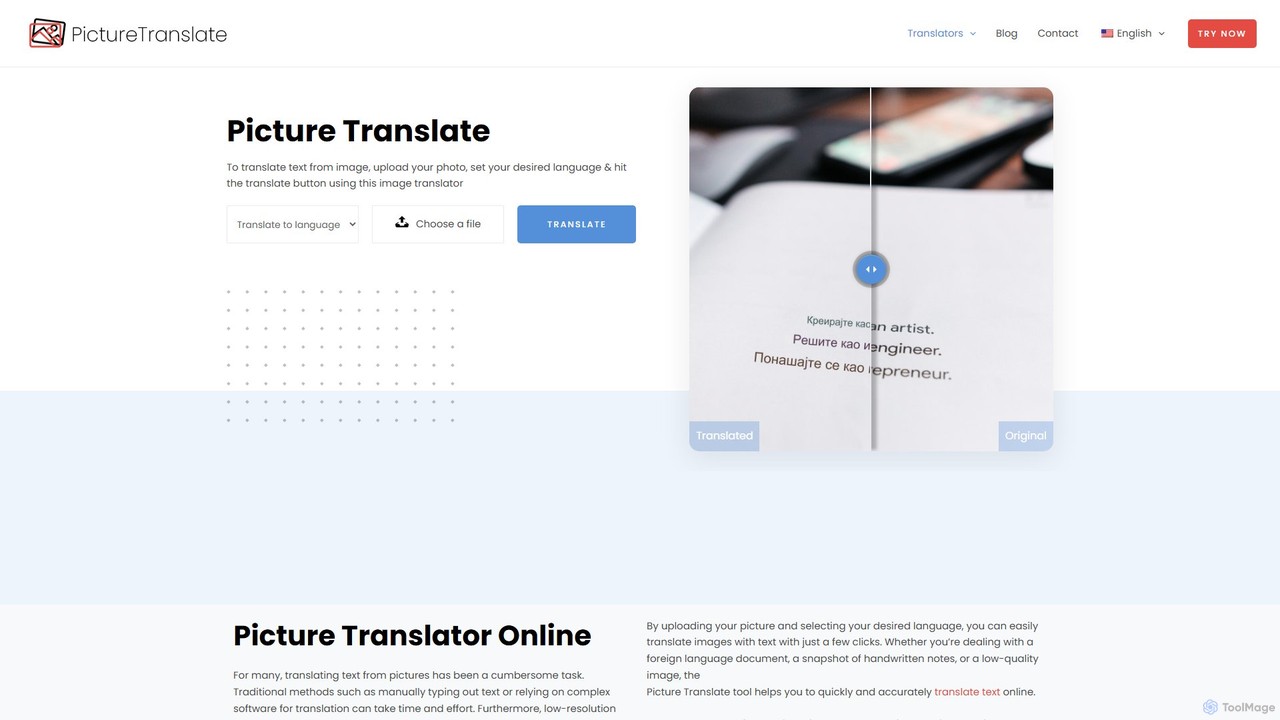
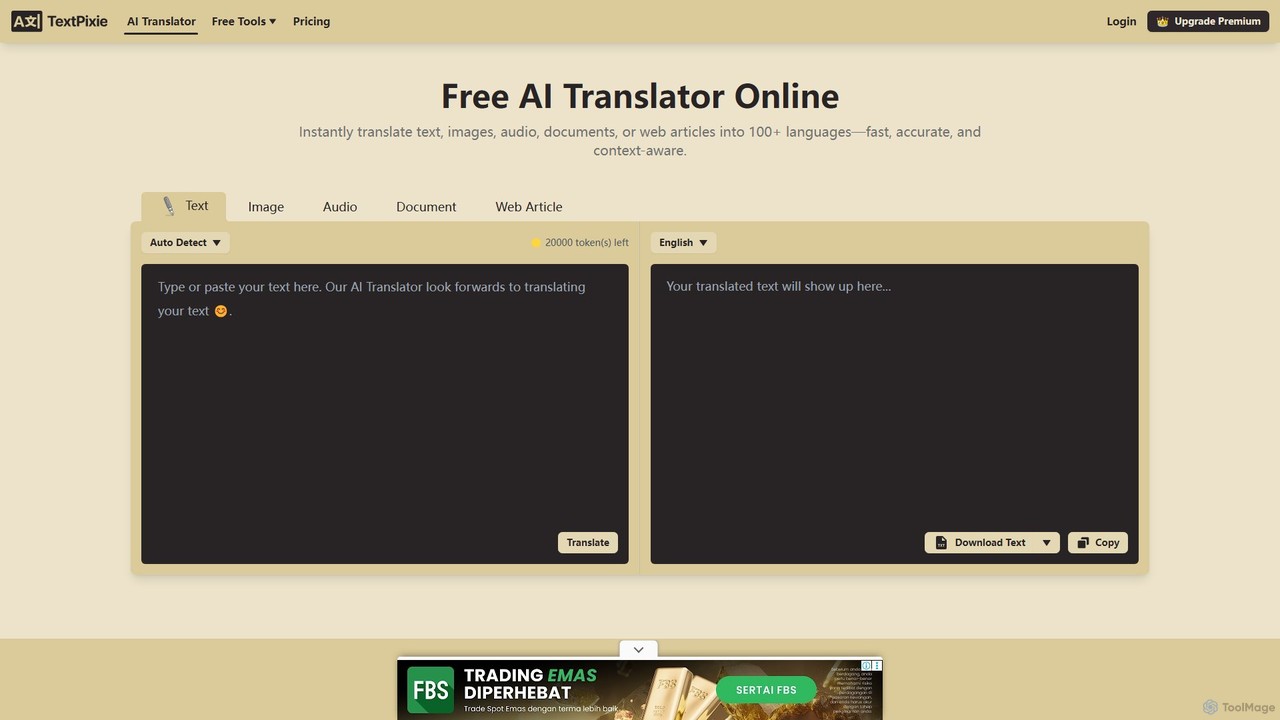
OCR (Optical Character Recognition) tools are a class of software designed to convert various types of documents, such as scanned paper documents, PDF files, or images, into editable and searchable data. These tools employ AI, computer vision, and pattern recognition to identify characters, words, and layouts within an image, transforming them into machine-readable text. The primary value of OCR technology lies in its ability to automate data entry, digitize vast archives, and make content locked within images accessible and usable. Advanced OCR systems can also handle complex layouts, tables, and even handwritten text with high accuracy.
Core Features
- Text Extraction: Accurately converts printed or typed text from images and PDFs into digital text formats like TXT, DOCX, or searchable PDF.
- Handwriting Recognition (ICR): Recognizes and digitizes handwritten notes, forms, and documents, though accuracy may vary based on writing style.
- Layout & Table Analysis: Preserves the original document structure, including columns, tables, and formatting, during the conversion process.
- Multi-Language Support: Identifies and processes text in numerous languages, often within the same document.
- Data Extraction: Specifically targets and extracts key information from structured documents like invoices, receipts, and forms (e.g., invoice number, date, total amount).
Use Cases
OCR technology is widely used in industries like finance for automating invoice and receipt processing, in healthcare for digitizing patient records, and in legal for making case files searchable. Libraries and archives use it to create digital versions of books and historical documents. For individuals, it's useful for digitizing personal documents, receipts for expense tracking, or converting notes from a photo into text.
How to Choose
When selecting an OCR tool, consider the required accuracy level for your documents. Evaluate its support for specific languages and its ability to handle complex layouts or handwriting if needed. For business use, check for batch processing capabilities and API integrations to connect with other software like accounting or document management systems. Finally, compare pricing models, whether it's a one-time purchase, a subscription, or pay-per-use.