ToolMage
Sign in

Best 273 Video Editing AI tools for Video

Popular Video Editing AI tools in Video include Adobe, Envato Elements, Clipchamp, Epidemic Sound, aifaceswap, Media.io, Insta360, Wondershare, Topaz Labs, and Remaker AI, helping you work more efficiently.

Revideo
Free

Revideo

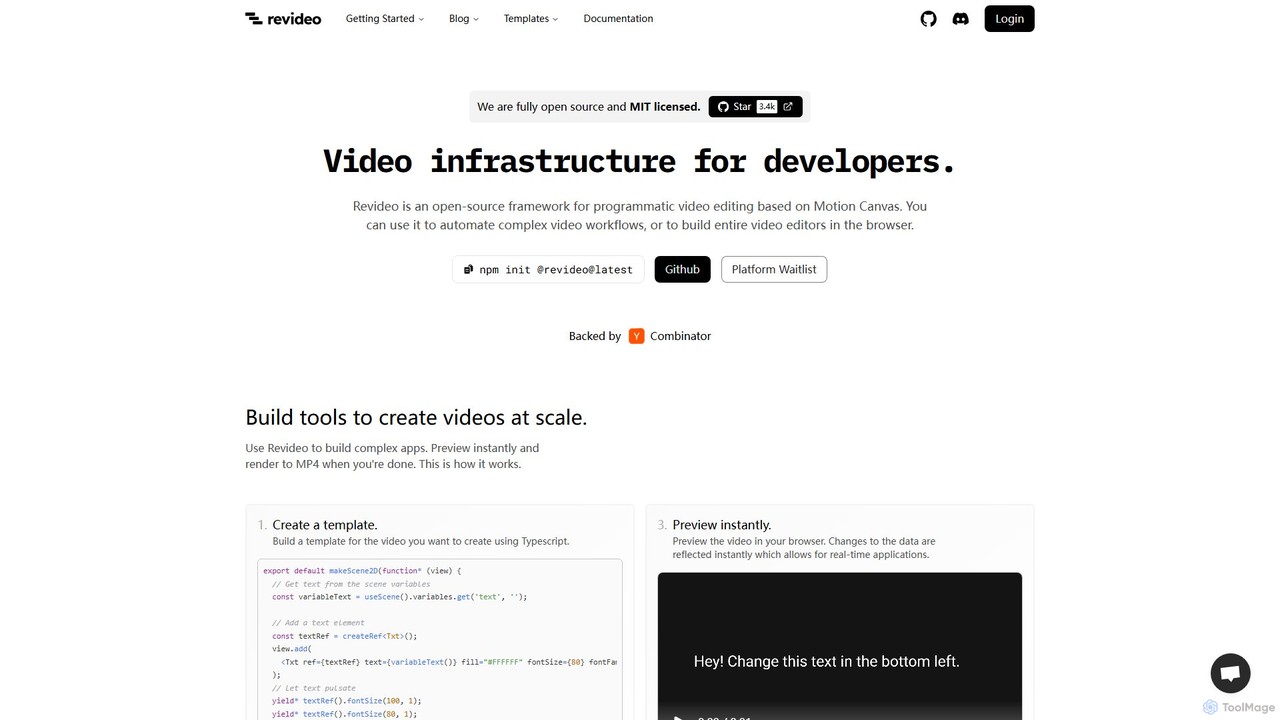
Revideo is an open-source framework for developers to create and automate videos programmatically. Using TypeScript and based on Motion Canvas, it allows for building complex video workflows, generating dynamic content from data, and even creating entire video editors. It's ideal for automating short-form content, A/B testing video ads, and creating personalized videos at scale.

Video Generation
Visits 11.7KFavorites 137Likes 114
filmfaceai
Freemium

filmfaceai

filmfaceai is an AI-powered tool that lets you seamlessly swap your face into famous movie scenes, GIFs, and photos. Create hilarious and high-quality personalized videos and images in seconds. Perfect for social media, content creators, and fun with friends.

Meme Generator
Visits 6KFavorites 152Likes 145
DeepFaceSwap.AI
Freemium

DeepFaceSwap.AI

DeepFaceSwap.AI is a powerful online tool for creating high-quality, watermark-free AI face swaps in images and videos. Utilizing advanced deep learning technology, it offers a user-friendly interface for seamless swapping. Beyond face swapping, it includes a Magic Editor for text-based image editing, an Avatar AI for generating custom portraits, and an AI Companion for interactive chat. A generous free plan is available.

Meme Generator
Visits 25.9KFavorites 115Likes 115
ClipGOAT
Freemium

ClipGOAT

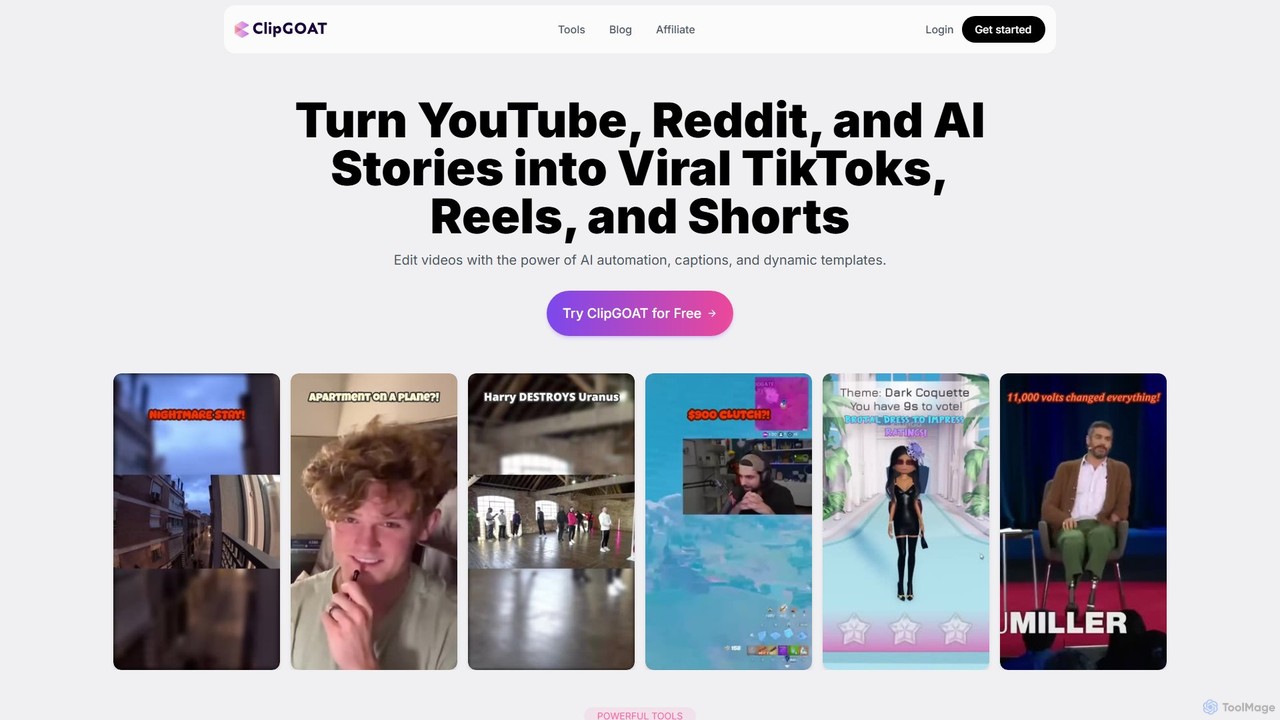
ClipGOAT is an AI-powered platform that transforms long-form content like YouTube videos, Reddit threads, and text stories into viral short-form videos for TikTok, Reels, and Shorts. It automates clipping, captioning, and reframing, enabling creators to produce and schedule engaging content in minutes without prior editing experience.

Automation
Visits 51.2KFavorites 143Likes 141
krumzi
Freemium

krumzi

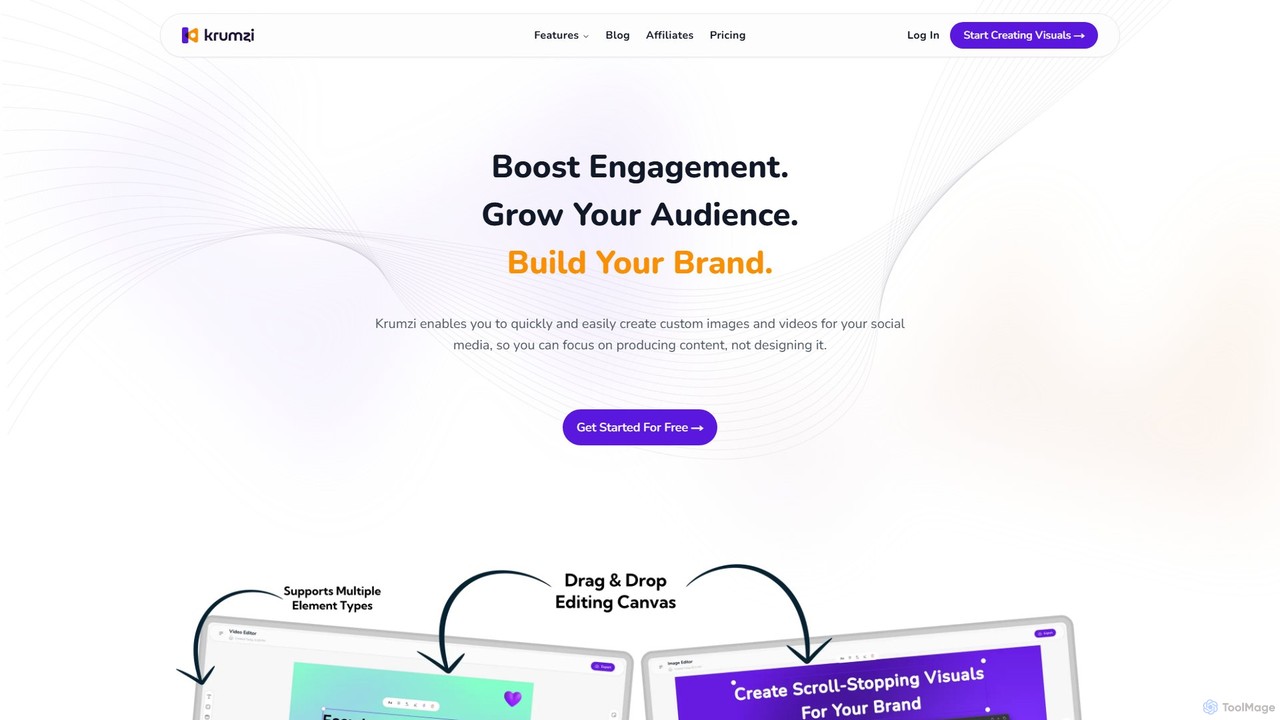
Krumzi is an intuitive online design platform for creating custom marketing images and videos for social media. It empowers marketers, creators, and businesses to produce engaging, on-brand visuals quickly and affordably, without needing prior design experience. Key features include a versatile image and video editor, brand kits for consistency, and automation tools to streamline content creation.

Graphic Design
Visits 35.4KFavorites 124Likes 127
Wilowrid
Paid

Wilowrid

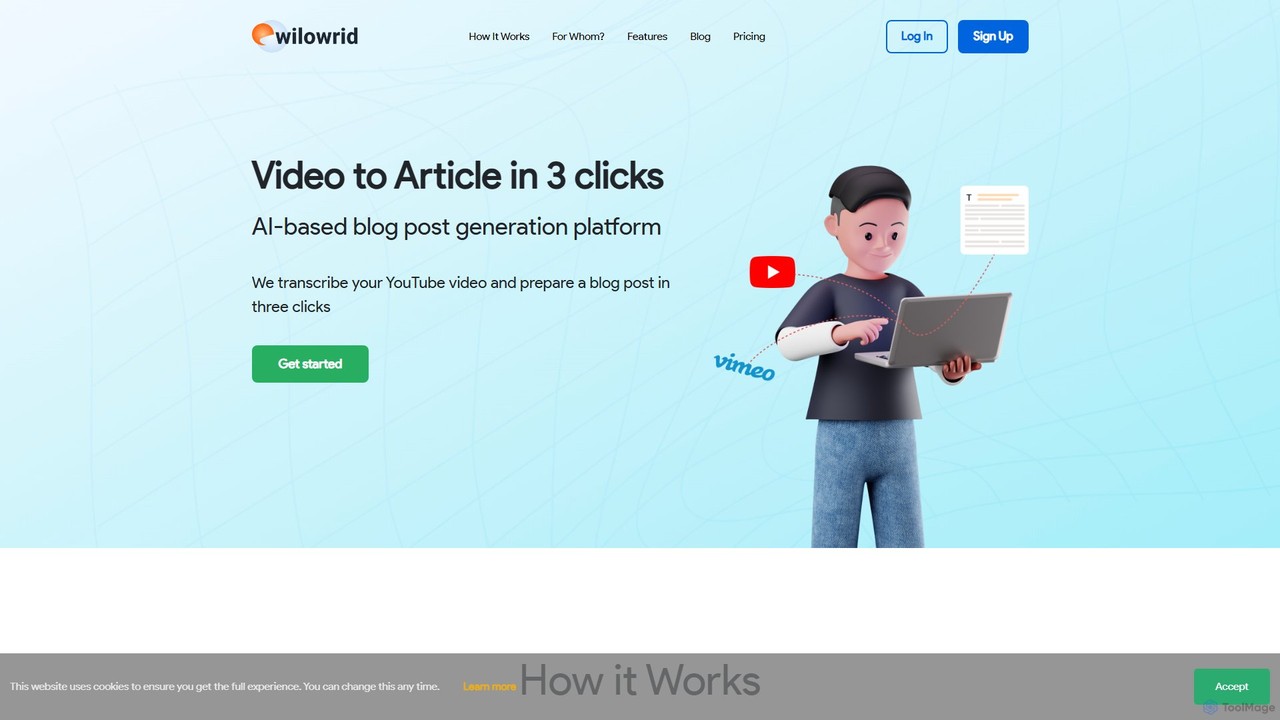
Wilowrid is an AI-powered tool that effortlessly converts videos into ready-to-publish blog posts in just three clicks. It automatically transcribes your video, structures the content into an article, and even extracts relevant images. Ideal for content creators, marketers, and podcasters looking to repurpose video content from YouTube, Vimeo, or direct uploads into SEO-friendly text and PDF formats.

Repurposing
Visits 5.9KFavorites 201Likes 176
Songburst
Freemium

Songburst

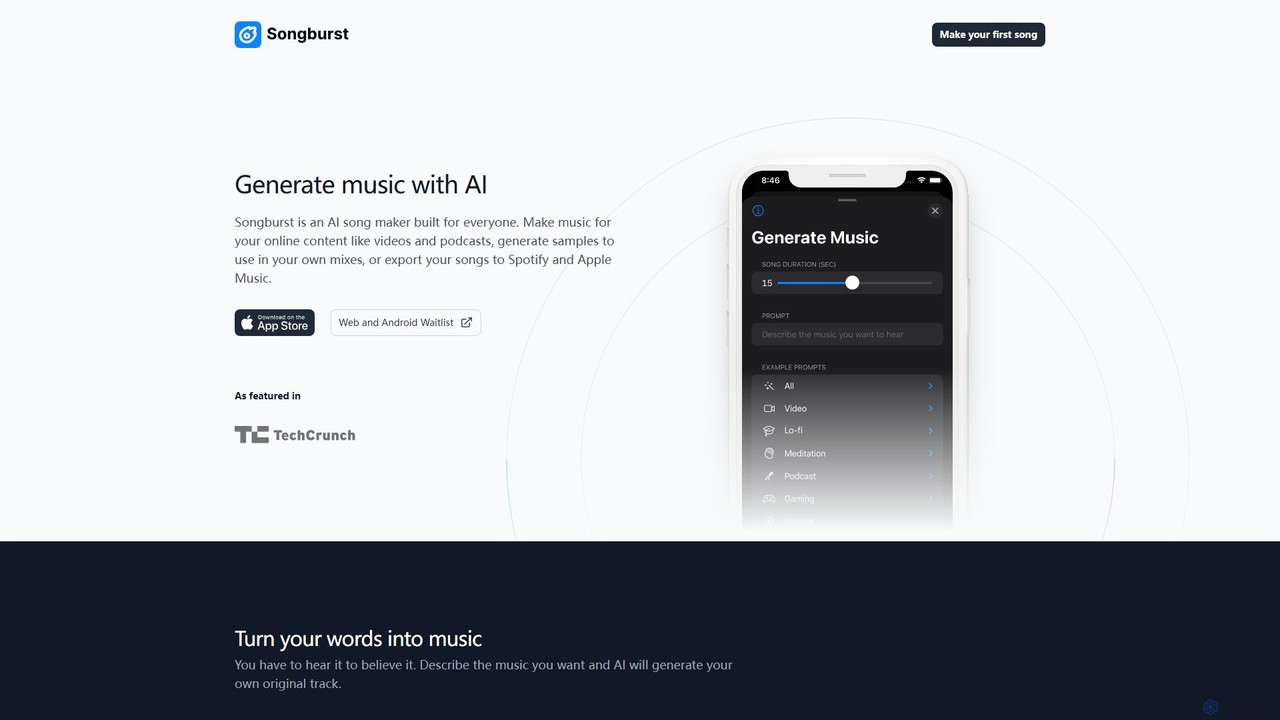
Songburst is an AI-powered music generator that transforms text prompts into original, high-quality songs. Designed for content creators, musicians, and developers, it allows you to create custom music for videos, podcasts, games, and more. Download unlimited tracks in MP3 or WAV and use them anywhere.

Generative Art
Visits 6.1KFavorites 139Likes 129
Deep Live Cam
Free

Deep Live Cam

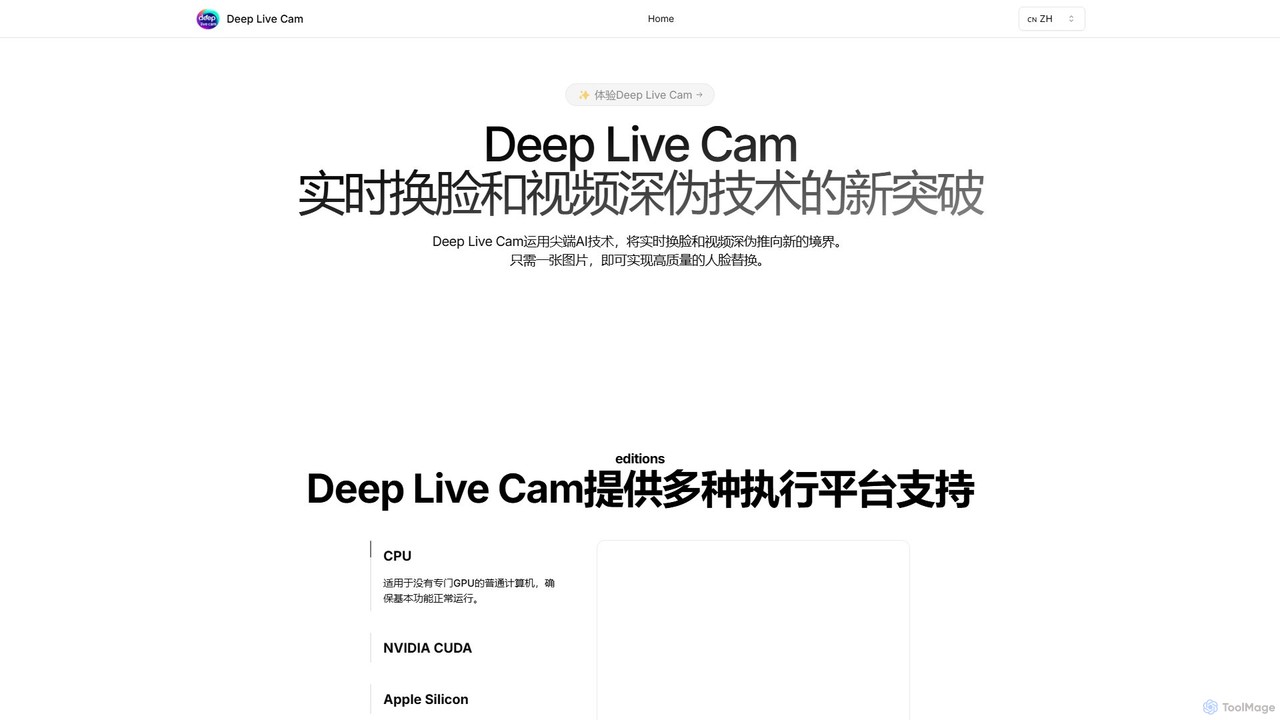
Deep Live Cam is a free, open-source AI tool for creating high-quality, real-time face swaps and video deepfakes. Using just a single image, it enables seamless face replacement in live video streams and pre-recorded footage. It supports multiple platforms, including CPU, NVIDIA CUDA, and Apple Silicon, making advanced AI video effects accessible to everyone.

Real Time Avatar
Visits 39.4KFavorites 142Likes 162
AdpexAI
Freemium

AdpexAI

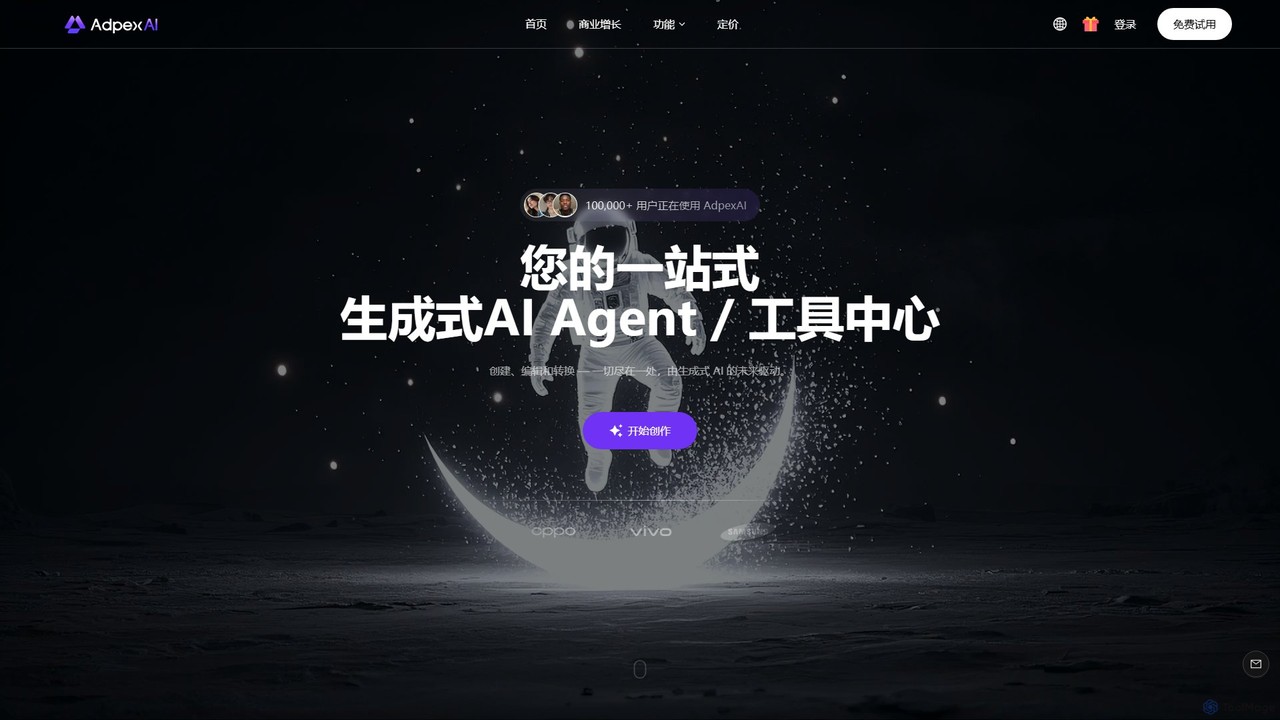
AdpexAI is an all-in-one generative AI platform for creating and editing videos and images. It features powerful tools like realistic face swapping, text-to-image generation, style transfer, and background removal. It also includes an AI chat assistant with access to multiple LLMs and an AI code generator, making it a comprehensive toolkit for creators, marketers, and developers.

Image Generation
Visits 178.4KFavorites 128Likes 133

About Video Editing

AI Video Editing tools are applications that leverage artificial intelligence to automate and enhance the video creation process. These tools use machine learning algorithms to analyze video content, enabling features like automated scene detection, smart reframing, and text-based editing. This significantly accelerates post-production workflows, allowing creators to produce high-quality content faster and more efficiently. AI-powered features handle tedious tasks, freeing up editors to focus on creative storytelling and polishing the final product.

Core Features

  • Automated Scene Detection: Intelligently identifies and splits clips based on scene changes, camera angles, or content shifts, saving hours of manual logging.
  • Text-Based Video Editing: Automatically transcribes video audio, allowing you to edit the video by simply editing the text transcript.
  • Smart Reformatting: Automatically reframes horizontal video for vertical formats (like TikTok or Reels), keeping the main subject in the frame.
  • AI-Powered Effects & Enhancement: Applies advanced color grading, background removal, noise reduction, and style transfers with minimal user input.
  • Filler Word Removal: Automatically detects and removes filler words (e.g., 'um', 'ah') and long pauses from speech-heavy videos.

Use Cases

AI Video Editing tools are ideal for social media managers, content creators, and marketing teams who need to produce a high volume of content quickly. They are also valuable for corporate trainers creating educational materials and journalists on tight deadlines. Any workflow involving transcription, repurposing content for different platforms, or cleaning up interview footage can benefit immensely.

How to Choose

When selecting an AI Video Editing tool, first evaluate the specific AI features that match your workflow—do you need text-based editing or smart reframing most? Consider its integration capabilities with traditional editing software like Adobe Premiere Pro or Final Cut Pro. Also, assess the tool's performance and processing speed, especially for high-resolution footage. Finally, compare pricing models, whether subscription-based or pay-per-use, to align with your budget and project frequency.

Featured tool rankings

Video Editing use cases

1

Repurpose Long-Form Content for Social Media

A content marketer needs to adapt a 20-minute webinar into multiple short clips for TikTok, Instagram Reels, and YouTube Shorts. Instead of manually scrubbing through the footage to find engaging moments, they use an AI video editor. The tool automatically transcribes the entire webinar, identifies key topics and viral-worthy soundbites, and suggests several short clips. Using the smart reformatting feature, it instantly converts the 16:9 video into vertical 9:16 clips, automatically keeping the speaker centered. This process reduces a day's work to under an hour.

2

Streamline Documentary and Interview Editing

A documentary filmmaker has hours of interview footage to sift through. Using an AI video editor with text-based editing, the entire audio is transcribed in minutes. The filmmaker can now search for keywords to instantly find relevant sections. Instead of setting in and out points on a timeline, they simply highlight the desired text in the transcript, and the corresponding video clips are added to the sequence. They can also delete text to remove sections of video, making the rough cut assembly process as easy as editing a text document and saving dozens of hours.

3

Automate Highlight Reel Generation for Gaming

A Twitch streamer wants to create a weekly highlight reel for their YouTube channel but lacks the time to re-watch hours of streams. They upload their raw stream recordings to an AI video editing tool. The AI, trained on gaming content, automatically detects key moments like kills, victories, and funny reactions. It then compiles these clips into a draft highlight reel, even adding simple transitions. The streamer only needs to spend a few minutes reviewing, reordering clips, and adding their own commentary, turning a multi-hour editing task into a 30-minute process.

4

Enhance Corporate Training Videos Efficiently

An HR department records a virtual training session led by a manager. The raw footage contains many filler words ('ums', 'ahs') and awkward pauses. Using an AI video editor, the training coordinator can automatically remove all filler words and shorten long silences with a single click. The tool also auto-generates accurate subtitles, which can then be translated into multiple languages for a global workforce. This transforms a rough recording into a professional, easy-to-follow training module without needing a professional video editor.

5

Apply Creative Visual Effects without Technical Skills

An independent musician wants to create a visually striking music video on a tight budget. They lack the skills for complex visual effects like rotoscoping or style transfer. Using an AI video editor, they can upload their performance footage and apply various artistic styles with a single click, transforming their video to look like a painting or an animation. The AI handles the frame-by-frame processing automatically. They can also use AI background removal to place themselves in different virtual environments without a green screen, achieving a high-production look with minimal effort and cost.

6

Fast-Track News Package Production

A broadcast journalist covering a live event needs to produce a news package for airtime in two hours. They upload field interviews and B-roll footage to an AI editing platform. The AI instantly transcribes all interviews, allowing the journalist to quickly find the most impactful quotes. Using scene detection, the tool automatically logs and categorizes the B-roll footage. The journalist can then quickly assemble a sequence by dragging relevant transcript sections and suggested B-roll clips onto a timeline. This rapid assembly process allows them to meet the tight deadline, a task that would be nearly impossible with traditional editing workflows.

Video Editing FAQ

What is AI Video Editing?

AI Video Editing refers to using software that incorporates artificial intelligence to automate or assist in the video post-production process. Unlike traditional editors that rely entirely on manual commands, AI tools can analyze content to perform tasks like automatically detecting scenes, transcribing audio for text-based editing, removing filler words, or reframing shots for different aspect ratios. The primary goal is to handle repetitive and time-consuming tasks, allowing human editors to focus more on creative aspects like storytelling and pacing.

How is AI Video Editing different from traditional editors like Adobe Premiere Pro?

The main difference lies in automation and content awareness. Traditional editors like Premiere Pro or Final Cut Pro are powerful toolkits that require the user to perform every action manually. AI video editors act as an intelligent assistant within the editing process. For example:

  • Traditional: You manually watch footage and set in/out points to create clips.
  • AI: The tool can automatically identify scenes or highlight key moments for you.
  • Traditional: You manually sync audio and create subtitles.
  • AI: The tool auto-transcribes and syncs subtitles, and even allows editing the video by editing the text.

Many AI tools are designed to complement, not replace, traditional editors. They speed up the initial rough cut and preparation stages, with the final polish often still done in a traditional NLE (Non-Linear Editor).

Who should use AI Video Editing tools?

AI video editing tools are beneficial for a wide range of users. They are particularly useful for:

  • Content Creators & YouTubers: To quickly edit vlogs, tutorials, and gaming videos by automating tasks like cutting silences and generating subtitles.
  • Social Media Managers: To rapidly repurpose one piece of content into multiple formats for different platforms (e.g., 16:9 to 9:16).
  • Marketers: To efficiently create promotional videos, testimonials, and webinar highlights without a large production team.
  • Educators & Corporate Trainers: To clean up lecture recordings and create professional-looking training materials with ease.
  • Beginners: To produce high-quality videos without needing to learn the complex interfaces of professional editing software.
How do I choose the right AI Video Editing tool?

Choosing the right tool depends on your specific needs. Consider these factors:

  • Primary Use Case: Are you mainly editing interviews (look for text-based editing), creating social media clips (prioritize smart reframing), or producing vlogs (filler word removal is key)?
  • Workflow Integration: Does the tool export projects or XML files that can be opened in professional software like Premiere Pro or DaVinci Resolve for final color grading and sound mixing?
  • Ease of Use: Evaluate the user interface. Some tools are designed for absolute beginners, while others offer more advanced controls for experienced editors.
  • Pricing Model: Compare subscription costs, pay-per-minute of video processed, or one-time purchase options. Choose one that aligns with your project volume and budget.
  • Performance: Check reviews or use trial versions to assess how quickly the tool processes and exports your videos, especially with 4K or higher resolution footage.
Can AI completely replace human video editors?

Currently, AI is best viewed as a powerful assistant rather than a complete replacement for human editors. AI excels at objective, repetitive, and data-driven tasks like transcription, scene detection, and removing simple errors. However, it lacks the nuanced understanding of storytelling, emotional pacing, comedic timing, and creative intent that a human editor brings to a project. The most effective workflow often involves using AI to handle the tedious 80% of the work (like organizing footage and creating a rough cut), freeing up the human editor to focus on the creative 20% that truly elevates the final product.