ToolMage
Sign in

Best 8 Virtual Reality AI tools

Popular Virtual Reality AI tools include Convai, Tat Ink, Immerse, Spotvirtual, moonvrhome, Wonda Pro, Seed3D, and TattooMind, helping you work more efficiently.

Seed3D
Paid

Seed3D

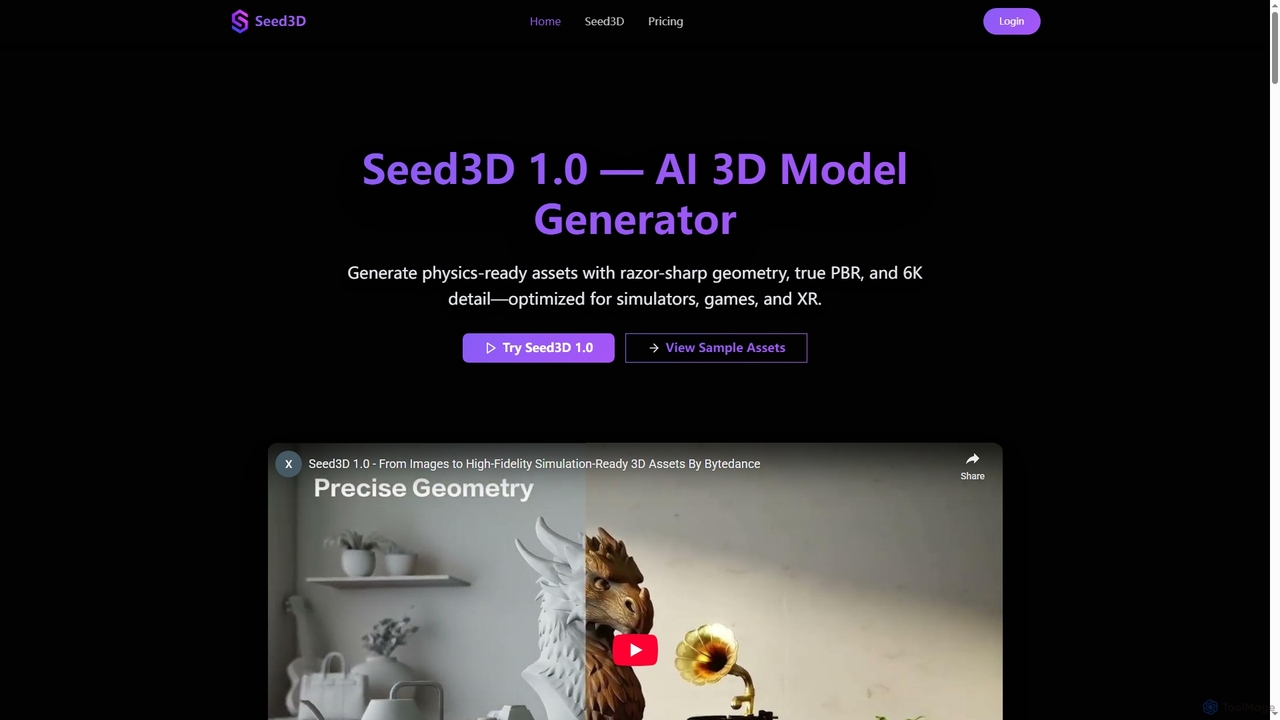
Seed3D is an AI-powered 3D model generator that creates high-fidelity, physics-ready 3D assets from a single image. It delivers razor-sharp geometry, true PBR materials, and 6K textures, optimized for simulators, games, and XR applications.

3D Modeling
Visits 3.5KFavorites 96Likes 95

TattooMind
Freemium

TattooMind

TattooMind is the #1 AI tattoo app that transforms your unique tattoo ideas into custom designs. It offers an AI generator, remix capabilities, image-to-stencil conversion, and a 3D virtual try-on feature, empowering both enthusiasts and artists to visualize and create their dream ink effortlessly.

Tattoo Design
Visits 3.4KFavorites 135Likes 125
Tat Ink
Freemium

Tat Ink

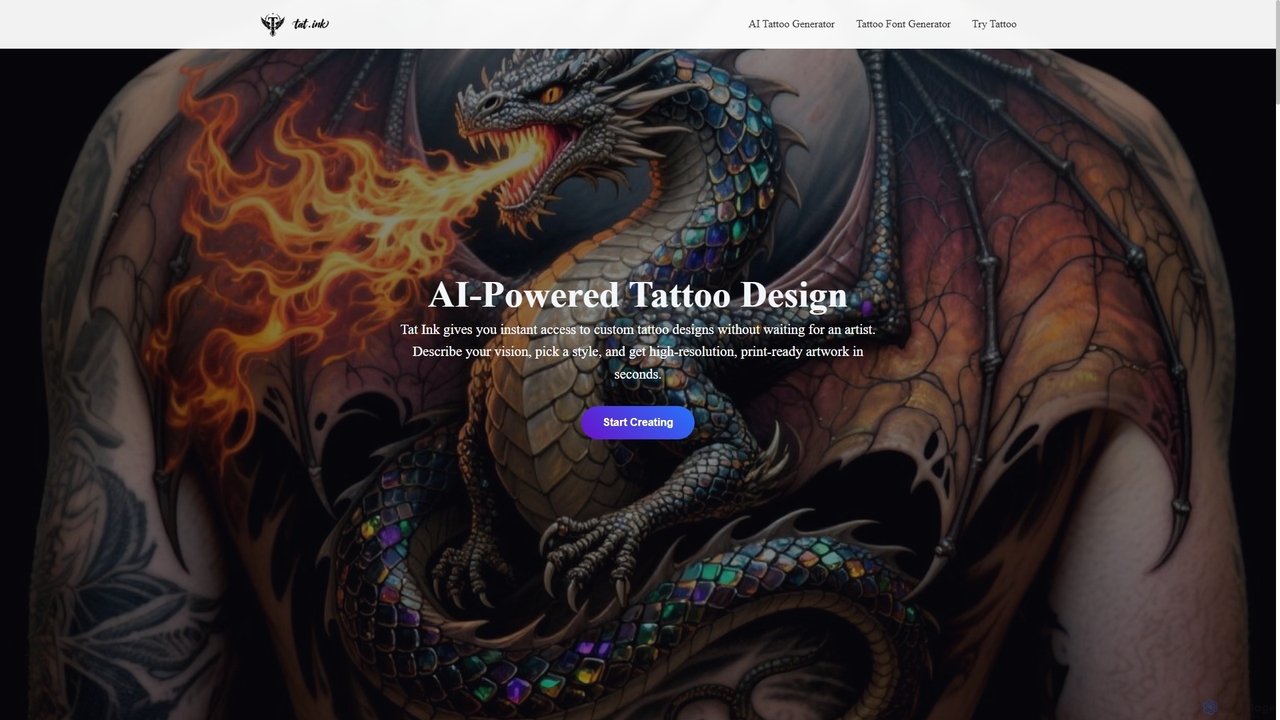
Tat Ink is an innovative AI-powered platform that transforms your tattoo ideas into unique, high-resolution designs in seconds. It offers an AI tattoo generator, a vast idea explorer, a versatile font generator, and a realistic virtual try-on feature, allowing users to visualize custom ink on their skin before commitment. Perfect for enthusiasts, artists, and designers seeking creative inspiration and personalized body art.

Idea Generation
Visits 83.2KFavorites 114Likes 135
Wonda Pro
Freemium

Wonda Pro

Wonda Pro is an immersive simulation training platform for healthcare professionals. It uses AI and VR to help users practice and master critical communication and clinical skills in a safe, virtual environment, ultimately improving patient outcomes.

Training
Visits 5.8KFavorites 118Likes 120
Convai
Freemium

Convai

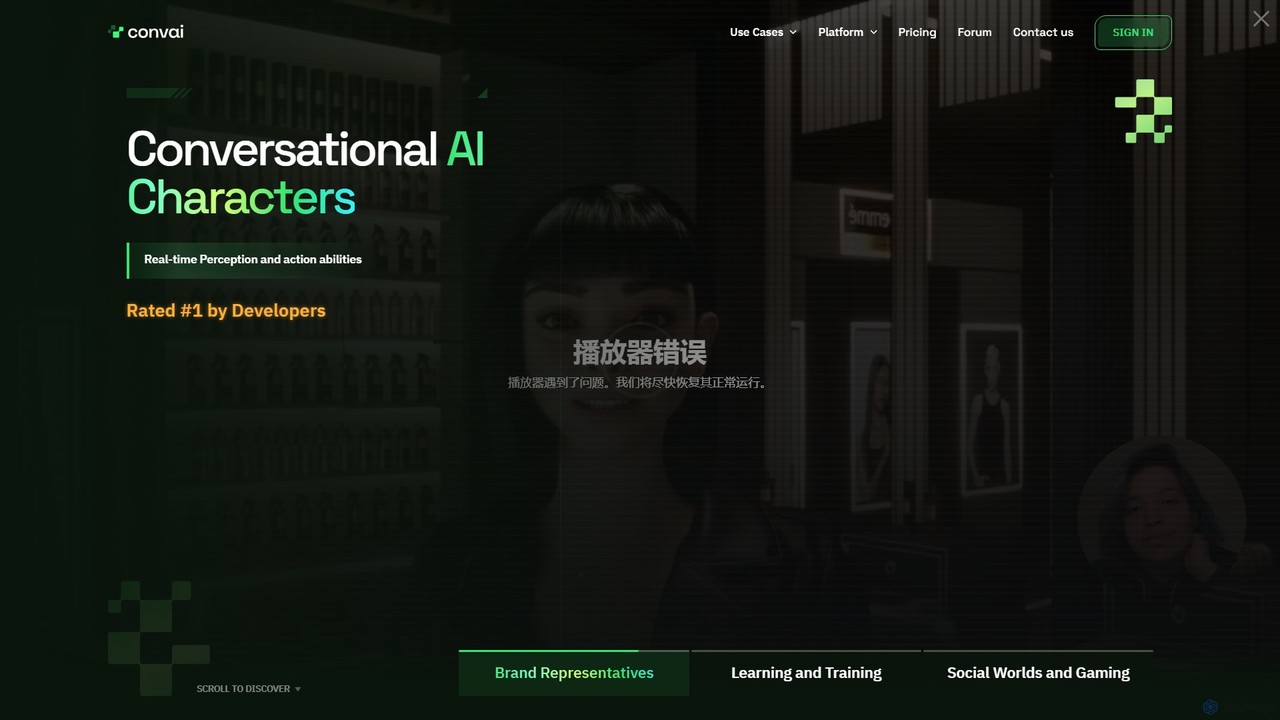
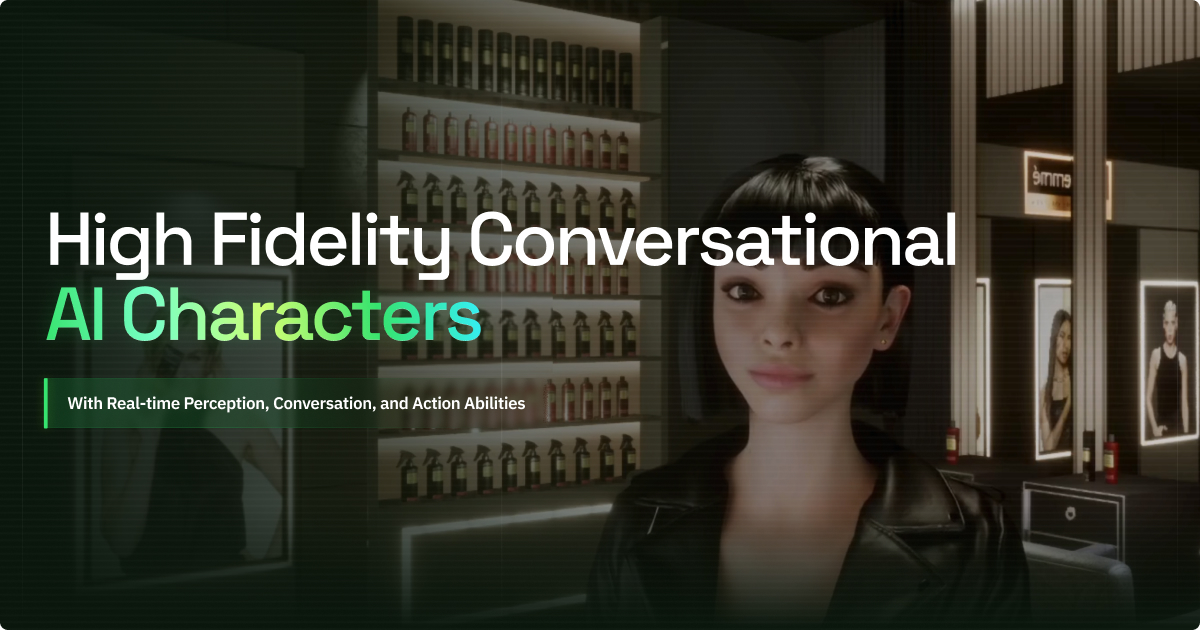
Convai is a developer platform for creating intelligent, conversational AI characters (NPCs) for games and virtual worlds. It features real-time perception, multimodal interaction (vision, sound, text), and seamless integration with major game engines like Unreal and Unity, enabling lifelike and dynamic virtual experiences.

Game Development
Visits 88.7KFavorites 122Likes 143
Immerse
Paid

Immerse

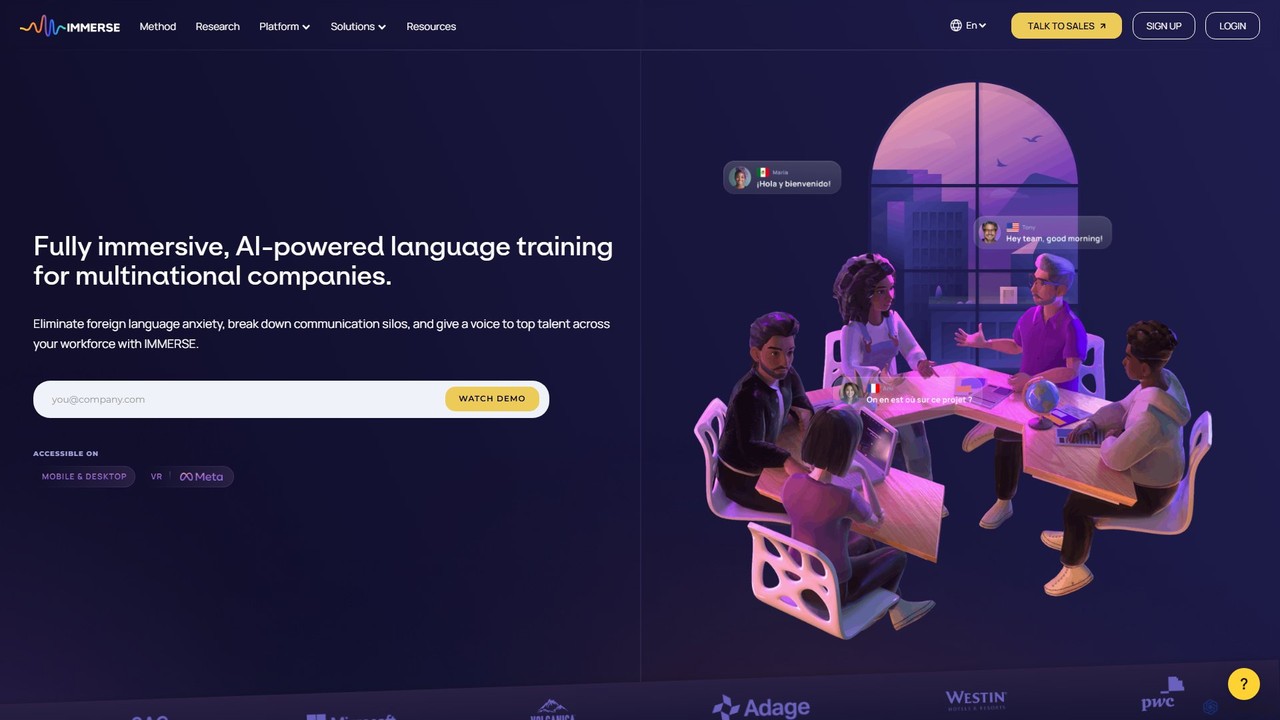
Immerse is an AI-powered language training platform for enterprises, using immersive VR, desktop, and mobile experiences. It combines AI avatar coaching, real-world simulations, and live instructor-led classes to eliminate language anxiety, boost conversational fluency, and increase employee engagement up to 9x faster than traditional methods.

Employee Training
Visits 31.3KFavorites 112Likes 129
moonvrhome
Freemium

moonvrhome

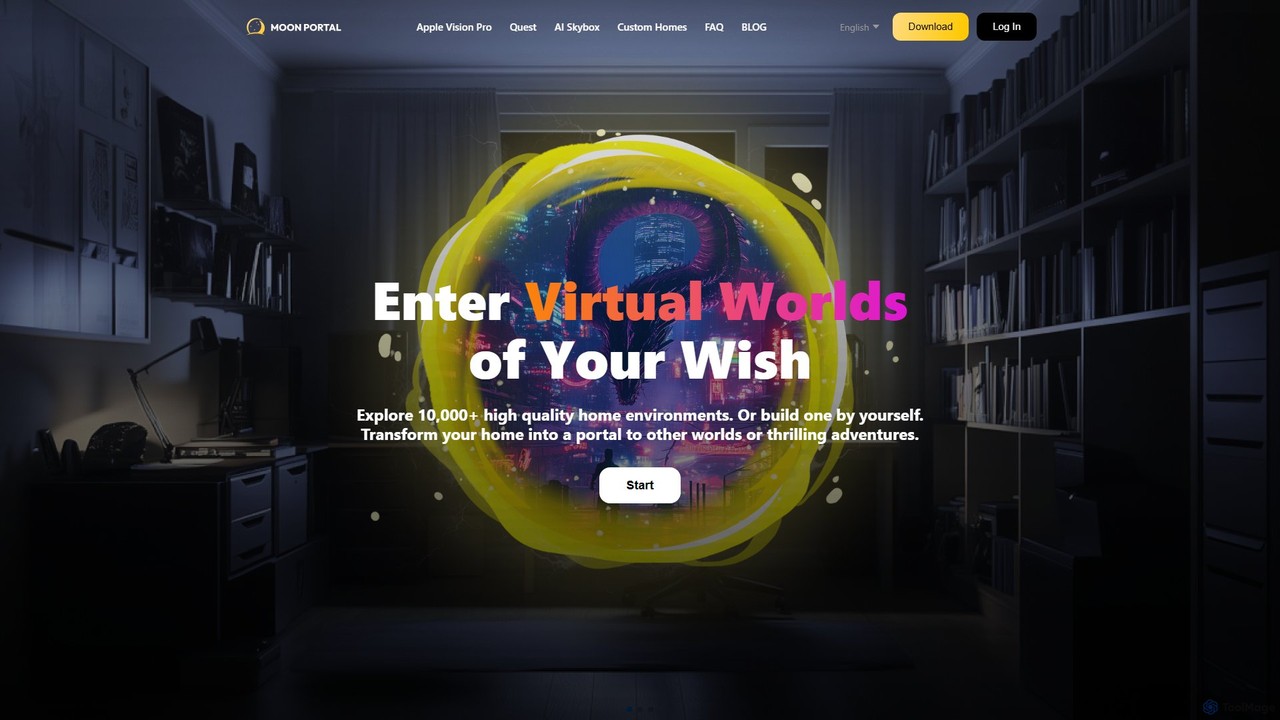
moonvrhome is a platform for Meta Quest and Apple Vision Pro users to customize their virtual reality home environments. It offers a vast library of over 10,000 custom homes and 30,000 skyboxes, plus an AI Skybox Generator to create unique 360° worlds from text prompts. Transform your VR space with ease, no sideloading required.

Utilities
Visits 16.7KFavorites 119Likes 112
Spotvirtual
Freemium

Spotvirtual

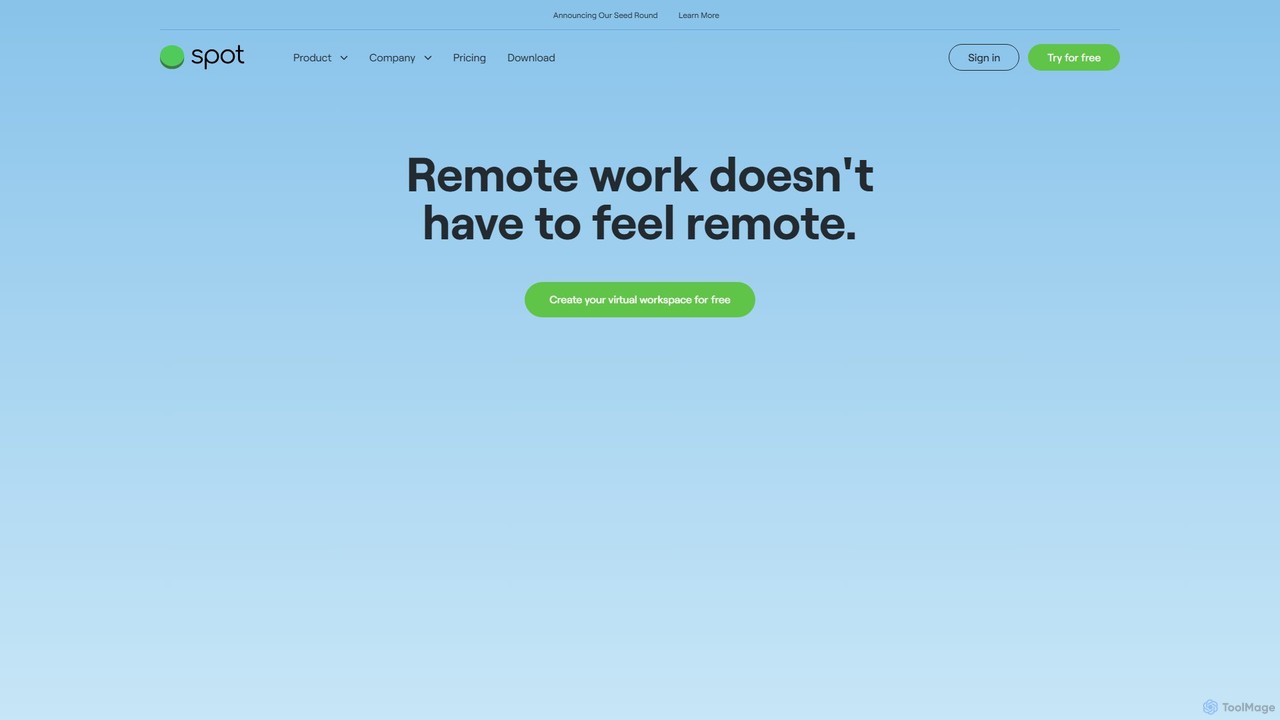
Spotvirtual is a virtual office platform that transforms remote work by creating an immersive, customizable 3D workspace. It combines the features of Slack and Zoom with the spatial presence of a physical office, allowing teams to collaborate, communicate, and connect more naturally, boosting productivity and team morale.

Team Chat
Visits 24.1KFavorites 125Likes 136

About Virtual Reality

Virtual Reality (VR) AI tools are advanced platforms that leverage artificial intelligence to create, enhance, and interact within immersive simulated environments. These tools utilize AI for dynamic content generation, intelligent avatar behaviors, and personalized user experiences, enabling more realistic and responsive virtual worlds. They transform fields from gaming and professional training to architectural visualization and therapeutic applications, offering unparalleled levels of engagement and interaction.

Core Features

  • AI-Powered Content Generation: Automatically creates realistic 3D models, textures, and environments based on textual or visual prompts.
  • Intelligent Avatar & NPC Behavior: Develops autonomous virtual characters with realistic movements, decision-making, and natural language interaction.
  • Real-time Environment Adaptation: Dynamically adjusts virtual worlds based on user input, gaze, or biometric data for personalized experiences.
  • Spatial Computing & Interaction: Enables intuitive navigation and manipulation of virtual objects through advanced tracking and AI-driven gesture recognition.
  • Haptic Feedback Integration: Enhances immersion by simulating tactile sensations, often optimized by AI for realistic physical interactions.

Use Cases

VR AI tools are extensively used across various sectors. In gaming, they create dynamic narratives and intelligent NPCs. For corporate training, they simulate complex scenarios for skill development. Healthcare benefits from AI-driven VR for pain management and rehabilitation therapies.

How to Choose

When selecting VR AI tools, consider the depth of AI integration for features like content generation or intelligent agents. Evaluate hardware compatibility with your existing VR systems and development ecosystem support for ease of content creation. Assess real-time rendering performance and the tool's ability to handle complex virtual environments, alongside scalability for future projects.

Featured tool rankings

Virtual Reality use cases

1

Immersive Corporate Training Simulations

Corporate trainers and HR departments utilize VR AI tools to create realistic, interactive training modules for employees. For instance, new hires can practice complex machinery operation or customer service scenarios in a safe, virtual environment. AI analyzes their performance, provides real-time feedback, and adapts the simulation difficulty, leading to faster skill acquisition and reduced real-world risks, significantly improving training effectiveness.

2

AI-Driven Virtual World Creation for Game Development

Game developers leverage VR AI tools to rapidly generate vast and dynamic virtual worlds. Artists and designers can input high-level concepts, and AI algorithms create detailed environments, populate them with intelligent NPCs, and even design quests. This significantly accelerates the game development pipeline, allowing for more complex and expansive VR games with reduced manual effort and faster iteration cycles.

3

Interactive Product Prototyping and Design Review

Industrial designers and architects use VR AI tools to create interactive prototypes of products or buildings. They can visualize designs in full scale, walk through virtual spaces, and make real-time modifications. AI can analyze user interactions within the prototype to identify ergonomic issues or design flaws, streamlining the design review process and reducing the need for costly physical mock-ups.

4

Therapeutic VR Experiences for Mental Health

Healthcare providers and therapists employ VR AI tools to deliver personalized therapeutic experiences. For instance, patients with phobias can gradually confront their fears in a controlled virtual environment, with AI adjusting exposure levels based on their physiological responses. This offers a safe, scalable, and highly customizable approach to cognitive behavioral therapy, improving patient outcomes for anxiety, PTSD, and pain management.

5

Virtual Tourism and Cultural Heritage Exploration

Tourism boards and educational institutions utilize VR AI tools to create immersive virtual tours of historical sites, museums, or remote natural wonders. Users can explore these locations with AI-guided narration, interact with virtual artifacts, and even ask AI-powered guides questions. This makes cultural heritage accessible globally, offering rich educational experiences and promoting tourism without physical travel limitations.

6

AI-Enhanced Social VR and Virtual Meetings

Businesses and social platforms use VR AI tools to create more engaging and natural virtual meeting spaces or social hubs. AI can power realistic avatar expressions and body language, facilitate real-time language translation, and even moderate conversations. This fosters stronger connections in remote work environments and enhances social interactions in virtual communities, making online collaboration feel more personal and effective.

Virtual Reality FAQ

What are Virtual Reality (VR) AI tools?

Virtual Reality (VR) AI tools are software and platforms that integrate artificial intelligence to create, enhance, and manage immersive virtual environments. They leverage AI for tasks like generating realistic 3D content, developing intelligent virtual characters (avatars, NPCs), and adapting virtual worlds dynamically based on user interaction. These tools aim to make VR experiences more interactive, personalized, and believable across various applications.

How do AI tools enhance VR experiences?

AI tools significantly enhance VR experiences by adding intelligence and dynamism. They enable procedural content generation, allowing for vast and varied virtual worlds without manual creation. AI drives realistic behaviors for virtual characters, making interactions more believable. Furthermore, AI can personalize experiences by adapting environments and narratives based on user input, emotions, or performance, leading to deeper immersion and engagement.

What are the key applications of AI in VR?

AI in VR has diverse applications. It's crucial for dynamic content generation, creating environments, objects, and characters on the fly. Intelligent virtual agents (NPCs, avatars) benefit from AI for realistic dialogue, decision-making, and emotional responses. AI also powers personalized adaptive experiences, tailoring scenarios to individual users in training, gaming, and therapy. Furthermore, spatial computing and interaction are enhanced by AI for more natural gesture recognition and object manipulation.

How to choose the right Virtual Reality AI tool?

Choosing the right VR AI tool involves several factors. First, assess your specific needs: are you generating content, creating intelligent agents, or building adaptive experiences? Look for tools with strong AI integration relevant to your goals. Consider hardware compatibility with your VR headsets and systems, and the ease of development (e.g., SDKs, APIs). Evaluate the community support and scalability for future projects, along with the pricing model that fits your budget.

What is the difference between VR AI and AR AI tools?

The primary difference lies in their core focus: VR AI tools create fully immersive, simulated environments, replacing the real world. AR AI tools, conversely, augment the real world by overlaying digital information onto it. While both use AI for tasks like object recognition and intelligent interaction, VR AI emphasizes generating and managing entirely virtual content and intelligent agents within a closed digital space, whereas AR AI focuses on seamlessly integrating virtual elements into a live physical environment.