Frame by Brilliant Labs are open-source AI smart glasses designed for developers, hackers, and creators. Featuring a micro OLED display, camera, and microphone, they allow users to build and experience custom AI and AR applications. These lightweight glasses integrate with cloud AI services, enabling real-time visual search, translation, and more, all powered by a vibrant, community-driven ecosystem.
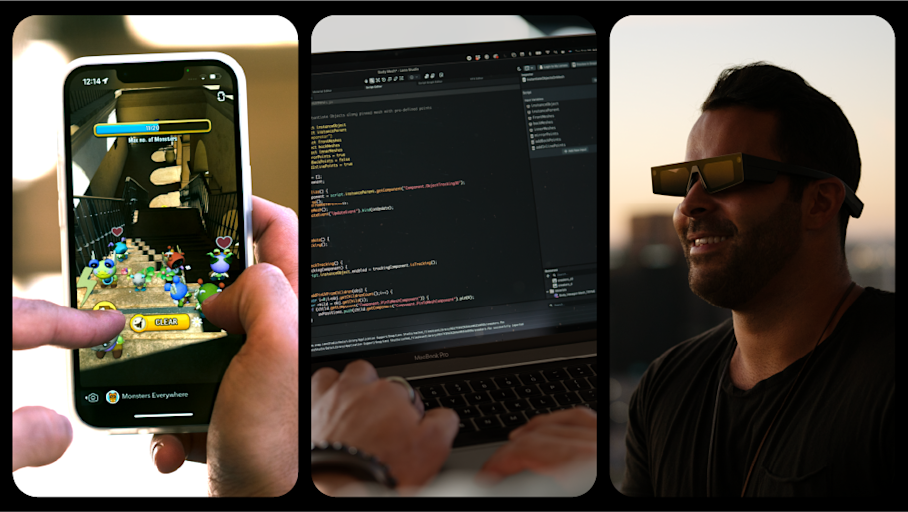
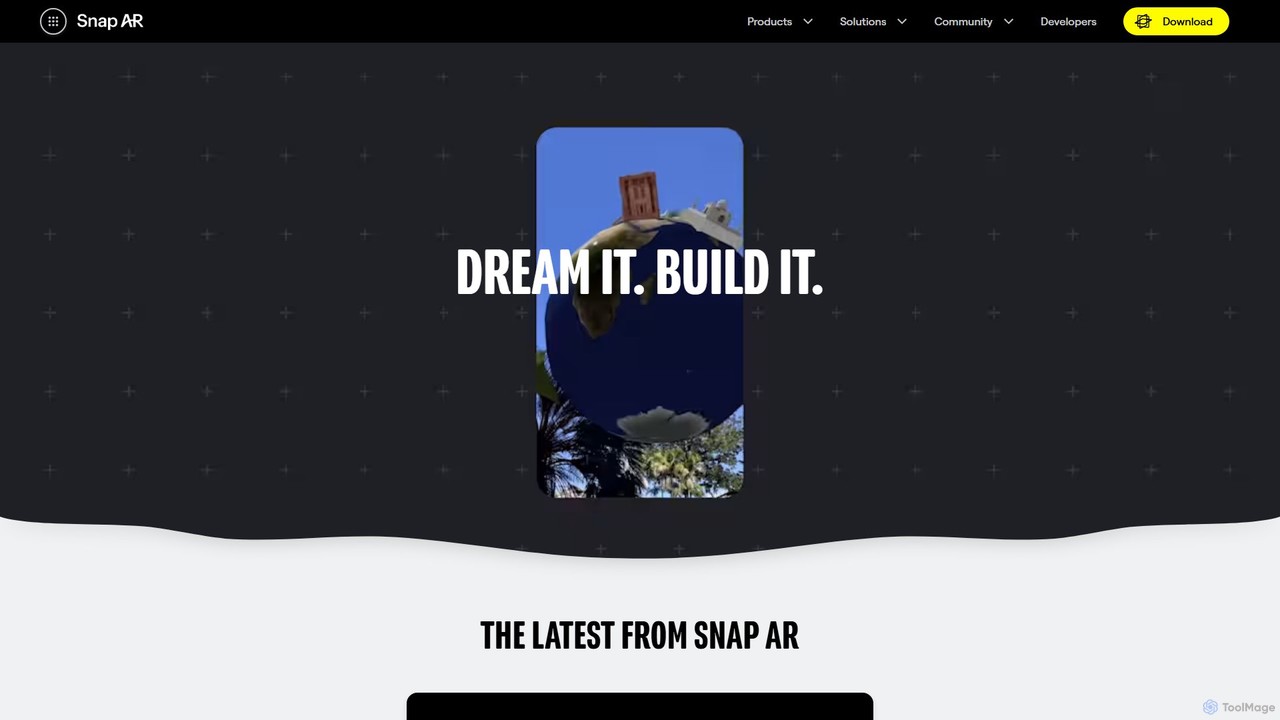
Snap AR is a comprehensive platform for creators, developers, and brands to build and deploy powerful augmented reality experiences. It features the advanced Lens Studio for creation, the Camera Kit SDK for cross-platform integration, and a new GenAI Suite to accelerate development from a simple prompt to a published AR Lens.
Product overview
Frame Product overview
Frame by Brilliant Labs are open-source AI smart glasses designed for developers, hackers, and creators. Featuring a micro OLED display, camera, and microphone, they allow users to build and experience custom AI and AR applications. These lightweight glasses integrate with cloud AI services, enabling real-time visual search, translation, and more, all powered by a vibrant, community-driven ecosystem.
Snap AR Product overview
Snap AR is a comprehensive platform for creators, developers, and brands to build and deploy powerful augmented reality experiences. It features the advanced Lens Studio for creation, the Camera Kit SDK for cross-platform integration, and a new GenAI Suite to accelerate development from a simple prompt to a published AR Lens.
Detailed feature comparison
| Feature | Frame | Snap AR |
|---|---|---|
| Primary category | Personal Assistant | 3D |
| Added | 2025-08-13 | 2025-08-14 |
| Pricing | Freemium | Freemium |
| Official website | brilliant.xyz | ar.snap.com |
| Product type | App | Website |
| Performance data | ||
| User rating | Not verified | Not verified |
| Comments | 0 | 0 |
| Monthly visits | 258.1K | 264.6K |
| Monthly growth | 76% | -11.8% |
| Favorites | 104 | 111 |
| Details | View details | View details |
Frame vs Snap AR monthly traffic
Compare Frame and Snap AR by monthly reach, traffic trend, visit depth, top regions, and acquisition sources.
How to interpret the traffic data
In the Frame vs Snap AR monthly traffic comparison, Frame currently shows 258.1K visits and Snap AR shows 264.6K; the two products have similar visible traffic, an absolute difference of about 6.5K visits. This reflects visible reach, not feature quality or paid users.
Both tools provide verified traffic details, so monthly trends, visit depth, regions, and acquisition sources can be compared on the same basis.
Frame monthly traffic:
Latest traffic
Monthly traffic trend
- 2025/9: 104.7K Monthly visits
- 2026/1: 118.7K Monthly visits
- 2026/2: 104.8K Monthly visits
- 2026/3: 81K Monthly visits
- 2026/4: 146.7K Monthly visits
- 2026/5: 258.1K Monthly visits
Top regions
Top 5 countries/regions
| Country/region | Percentage | Traffic |
|---|---|---|
| 🇺🇸United States | 36.11% | 93.2K |
| 🇧🇷Brazil | 33.24% | 85.8K |
| 🇮🇳India | 13.75% | 35.5K |
| 🇨🇦Canada | 8.84% | 22.8K |
| 🇰🇷Korea, Republic of | 8.06% | 20.8K |
Traffic sources
| Source type | Percentage | Traffic |
|---|---|---|
| Direct | 92.26% | 238.2K |
| 6.12% | 15.8K | |
| Referral | 1.62% | 4.2K |
Search keywords
Snap AR monthly traffic:
Latest traffic
Monthly traffic trend
- 2025/9: 261.4K Monthly visits
- 2026/1: 320.2K Monthly visits
- 2026/2: 276.9K Monthly visits
- 2026/3: 268.5K Monthly visits
- 2026/4: 300K Monthly visits
- 2026/5: 264.6K Monthly visits
Top regions
Top 5 countries/regions
| Country/region | Percentage | Traffic |
|---|---|---|
| 🇮🇳India | 53.83% | 142.5K |
| 🇵🇰Pakistan | 17.52% | 46.4K |
| 🇺🇸United States | 17.15% | 45.4K |
| 🇲🇽Mexico | 6.22% | 16.5K |
| 🇧🇷Brazil | 5.28% | 14K |
Traffic sources
| Source type | Percentage | Traffic |
|---|---|---|
| Direct | 73.43% | 194.3K |
| Referral | 17.45% | 46.2K |
| 9.12% | 24.1K |
Search keywords
Usage comparison
Compare the core capabilities of Frame and Snap AR
Frame Core features
Snap AR Core features
Use cases
Frame Use cases
Snap AR Use cases
Frame vs Snap AR:In-depth comparison and selection guidance
First decide whether the products solve the same kind of need
This in-depth Frame vs Snap AR comparison uses only the product records, taxonomy, audience, traffic, and community signals available on this page. Frame is primarily listed under “Personal Assistant”, while Snap AR is primarily listed under “3D”, so the first decision is whether your actual task matches their recorded scope.
The structured fields currently show these decision-relevant differences: Primary category (Frame: Personal Assistant; Snap AR: 3D); Product type (Frame: App; Snap AR: Website); Monthly visits (Frame: 258.1K; Snap AR: 264.6K); Monthly growth (Frame: 76%; Snap AR: -11.8%); Favorites (Frame: 104; Snap AR: 111). These facts are more useful for selection than brand visibility alone.
What market visibility and monthly traffic mean
In the Frame vs Snap AR monthly traffic comparison, Frame currently shows 258.1K visits and Snap AR shows 264.6K; the two products have similar visible traffic, an absolute difference of about 6.5K visits. This reflects visible reach, not feature quality or paid users.
Both tools provide verified traffic details, so monthly trends, visit depth, regions, and acquisition sources can be compared on the same basis.
The current traffic scope is not sufficient for a reliable product ranking. Treat monthly visits as a market-interest signal, then decide using taxonomy, use cases, pricing, and a like-for-like trial rather than reading exposure as product capability.
Product positioning, use cases, and roles
Frame and Snap AR currently overlap in shared categories: Ar & Vr; shared tags: augmented reality. This can place both on the same shortlist, but it does not prove equal implementation, depth, or cost.
Frame's unique categories/tags are Personal Assistant, Wearable, AI assistant, computer vision, developer tool, open source, real-time translation, and smart glasses; Snap AR's are 3D, Image, Social Media Marketing, 3D modeling, AR, game development, generative AI, and Lens Studio. These unique fields are the strongest differentiators: validate the product whose recorded scope matches the task instead of following traffic alone.
What ratings, comments, and favorites can tell you
Frame has no verified rating, 0 comments, 104 favorites, and 113 likes;Snap AR has no verified rating, 0 comments, 111 favorites, and 145 likes。
Neither product has enough rating or comment samples for a credible reputation ranking.
Selection guidance by actual need
When to evaluate Frame first
Put Frame on the priority trial list when the task aligns with “Personal Assistant” and especially Personal Assistant, Wearable, AI assistant, computer vision, developer tool, and open source. This follows recorded positioning and does not imply unlisted capabilities are absent.
Frame also currently records: pricing is freemium, product type is app, 258.1K verified monthly visits, no verified user rating. Verify any hard requirement around price, platform, or reach before trial, and do not let sparse review data substitute for testing.
When to evaluate Snap AR first
Put Snap AR on the priority trial list when the task aligns with “3D” and especially 3D, Image, Social Media Marketing, 3D modeling, AR, and game development. This follows recorded positioning and does not imply unlisted capabilities are absent.
Snap AR also currently records: pricing is freemium, product type is website, 264.6K verified monthly visits, no verified user rating. Verify any hard requirement around price, platform, or reach before trial, and do not let sparse review data substitute for testing.
How to validate the recommendation before deciding
The available data describes positioning, public visibility, and community signals, but it cannot prove output quality, speed, integration effort, privacy, or long-term cost in your workflow. Before deciding, run the same representative tasks in Frame and Snap AR, then record completion time, accuracy, manual corrections, and the real paid threshold. A like-for-like trial turns this comparison into a defensible adoption decision.
Comparison FAQ
How should I choose between Frame and Snap AR?
Where does this comparison data come from?
What do unknown fields mean?
Related AI tools

Spectacles
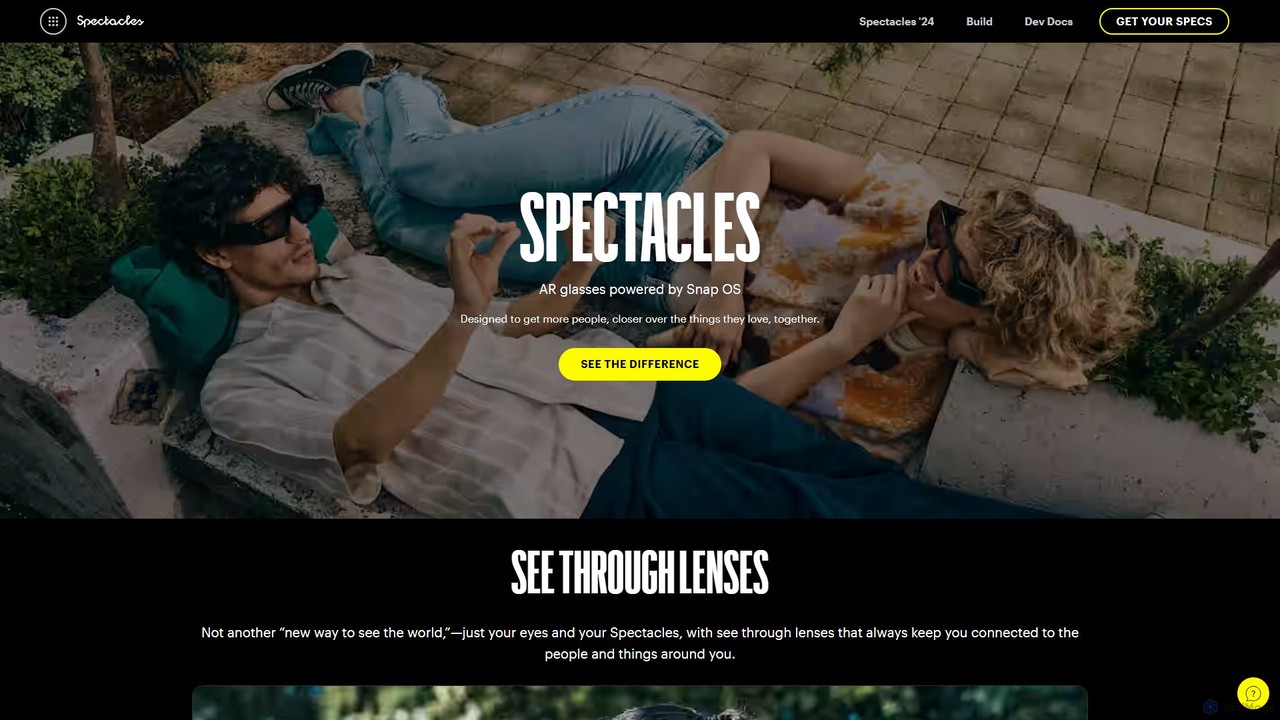
Spectacles are standalone Augmented Reality (AR) glasses by Snap, powered by the Snap OS. They integrate multi-modal AI and are designed for developers and creators to build immersive, shared AR experiences. Featuring see-through lenses and advanced sensors, Spectacles seamlessly blend digital content with the real world, extending the Snapchat ecosystem into three dimensions.
Generative Ai
Mentra
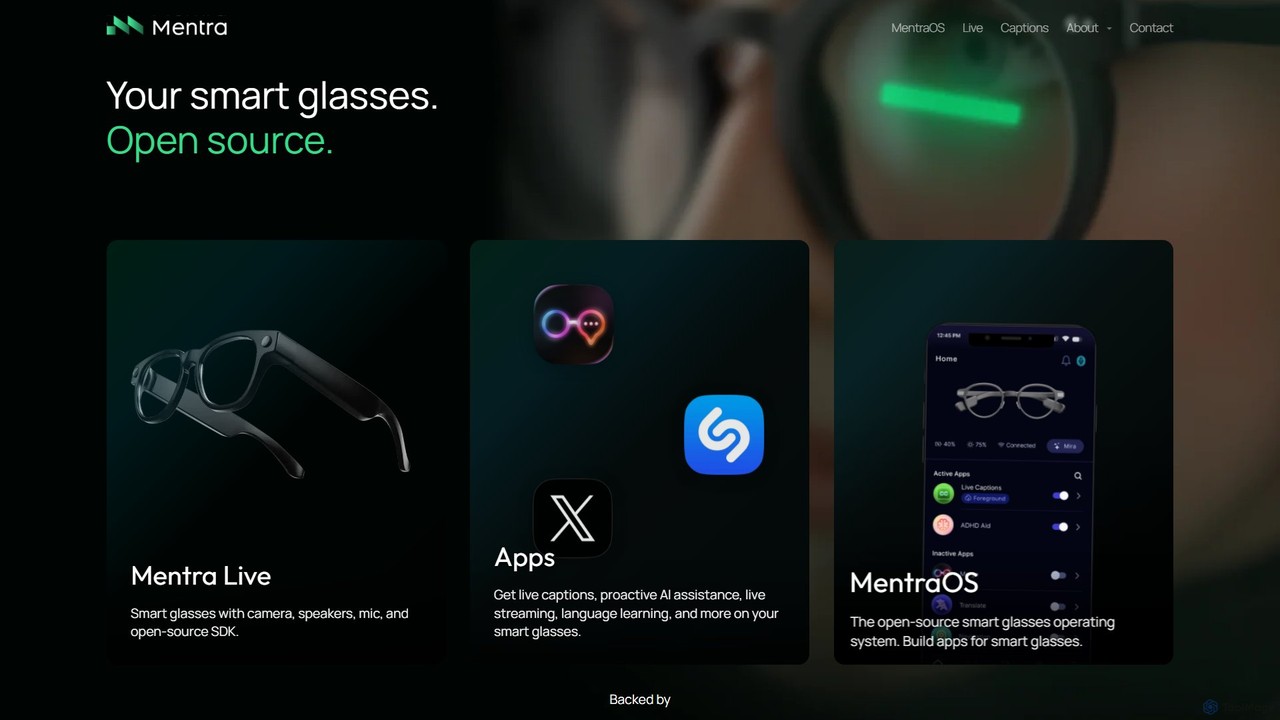
Mentra is a pioneering platform building the future of personal computing with open-source AI smart glasses. It features Mentra Live hardware and the MentraOS operating system, designed for proactive AI assistance, unrestricted live streaming, real-time translation, and a robust developer ecosystem. It aims to be the 'Android for smart glasses'.
Personal Assistant
Even Realities
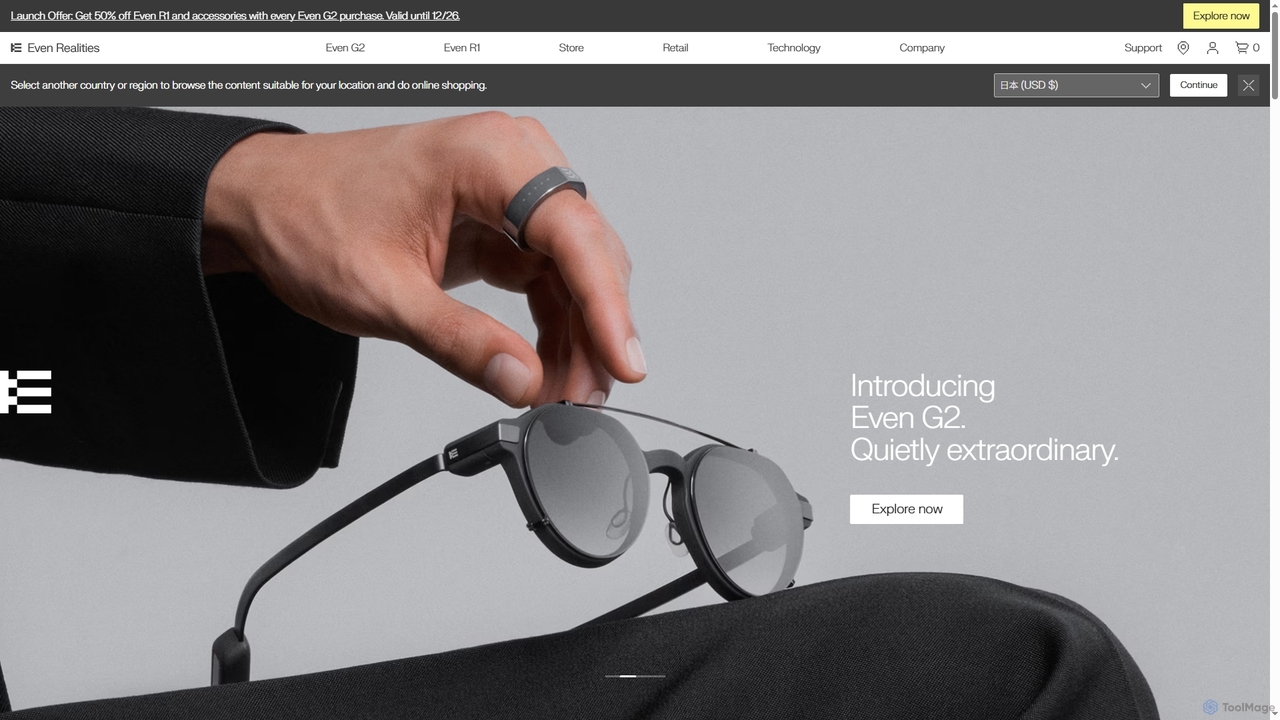
Even Realities offers AI-powered smart glasses (Even G2) and a companion smart ring (Even R1) designed to enhance daily productivity, communication, and well-being. Experience discreet, hands-free interaction, real-time information display, and comprehensive health tracking, all integrated into stylish wearable technology.
Live Captioning
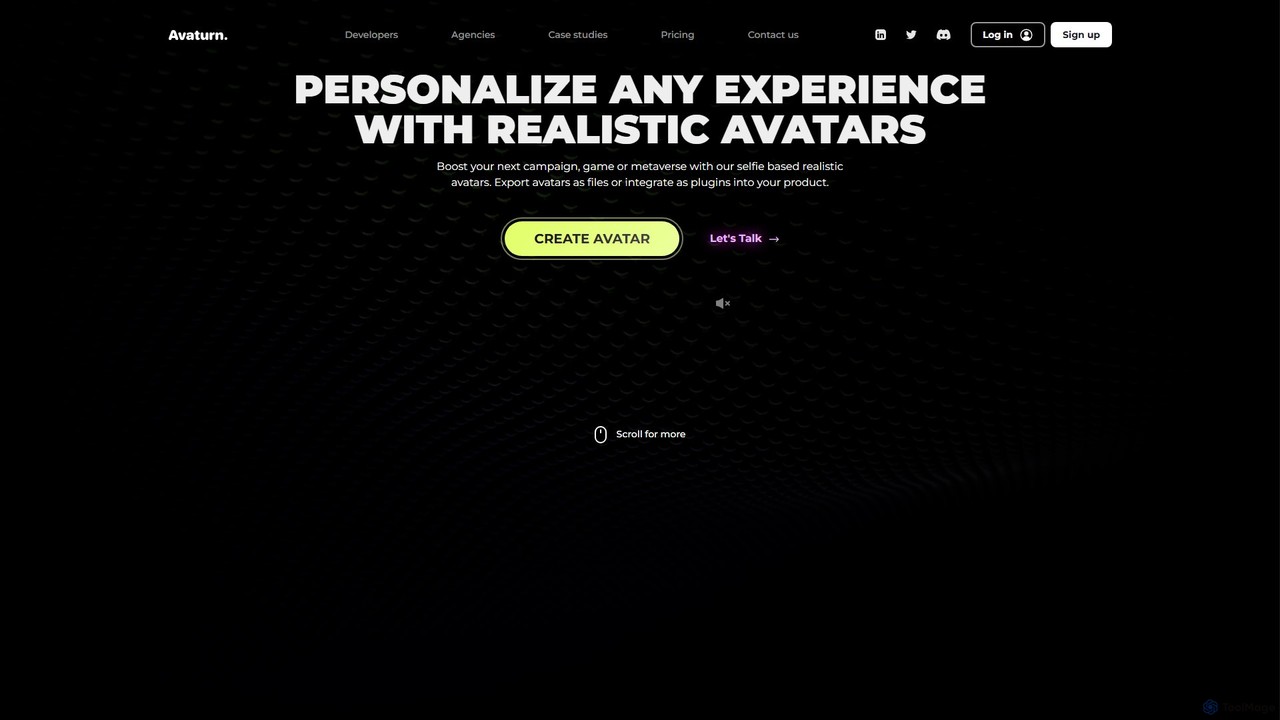
Avaturn
A powerful AI-driven platform that generates realistic, customizable 3D avatars from a single selfie. Designed for developers, agencies, and creators, it allows for seamless integration into games, metaverses, and marketing campaigns, offering extensive personalization and multi-platform export options.
Game Development
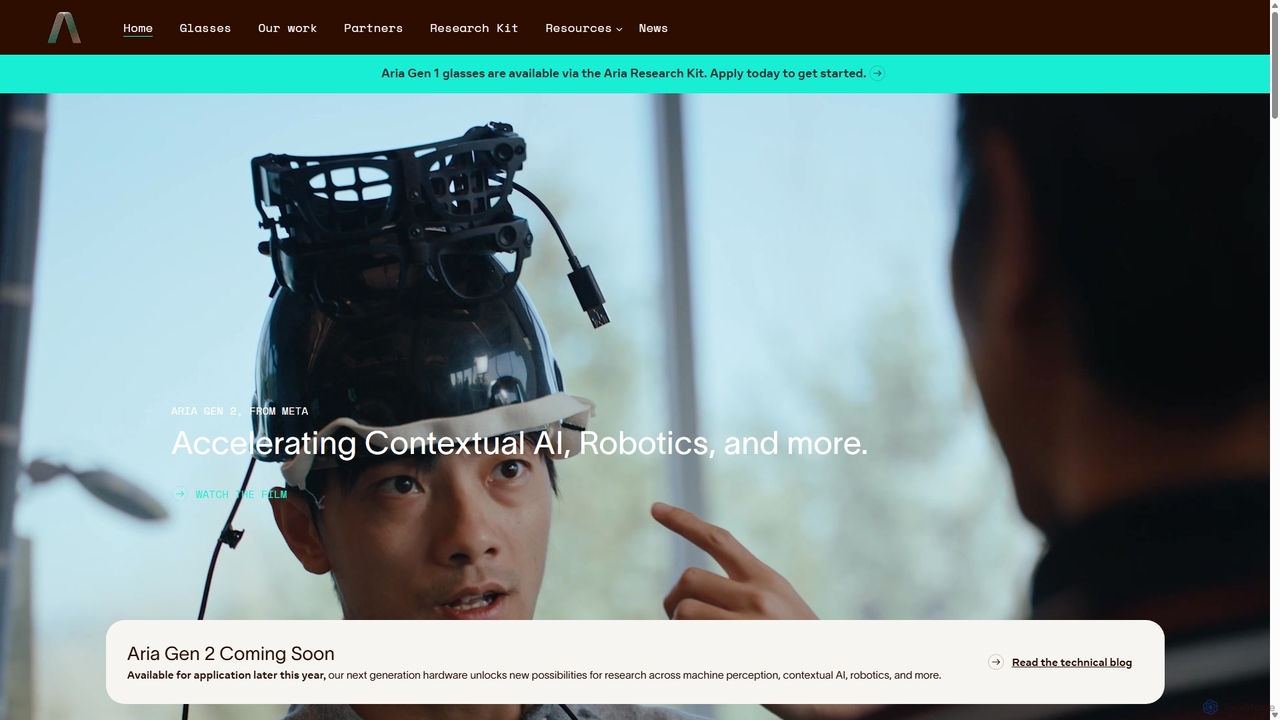
Project Aria
Project Aria is a research initiative by Meta designed to accelerate the development of contextual AI, augmented reality (AR), and robotics. It utilizes advanced research glasses, like the Aria Gen 2, to capture first-person perspective data, providing researchers with a comprehensive platform including hardware, open-source datasets, and development tools to build the future of machine perception.
Datasets
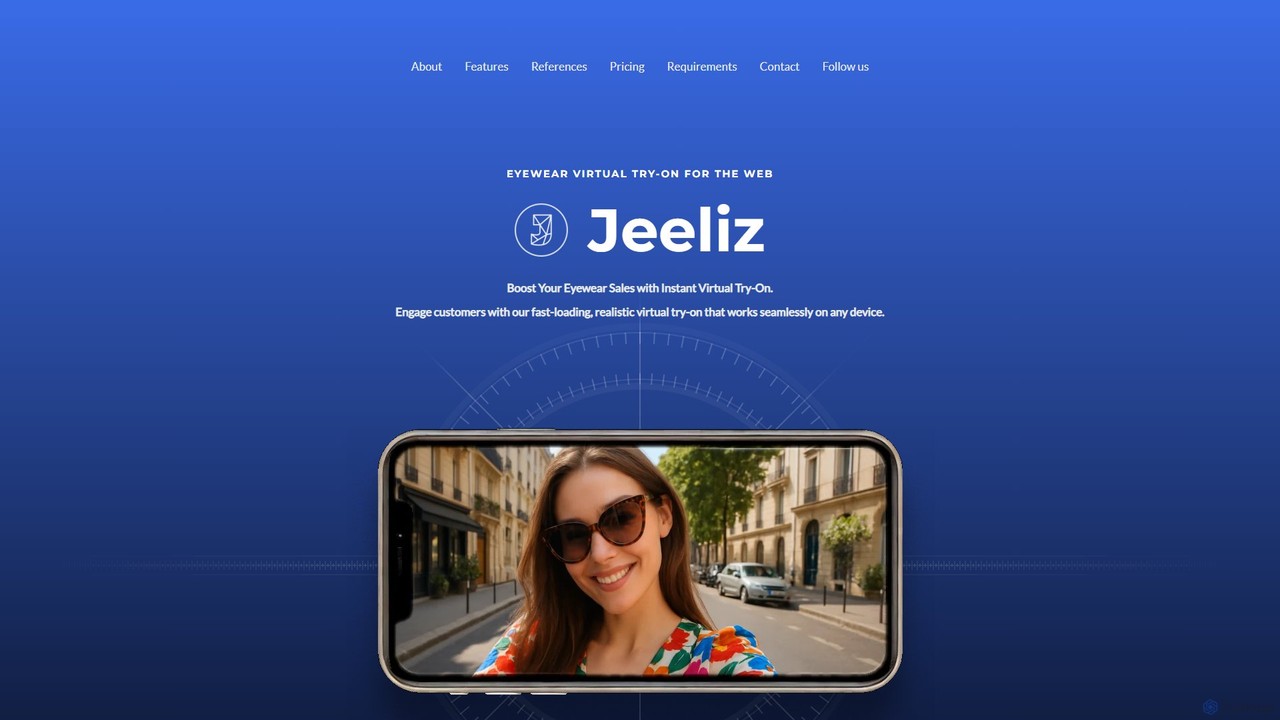
Jeeliz
Jeeliz is a generative AI-powered virtual try-on (VTO) solution for eyewear e-commerce. It enables customers to realistically try on glasses via the web on any device. Featuring seamless one-snippet integration, ultra-fast loading, and high-fidelity 3D rendering, it helps brands boost engagement, increase conversions, and reduce returns.
Webar
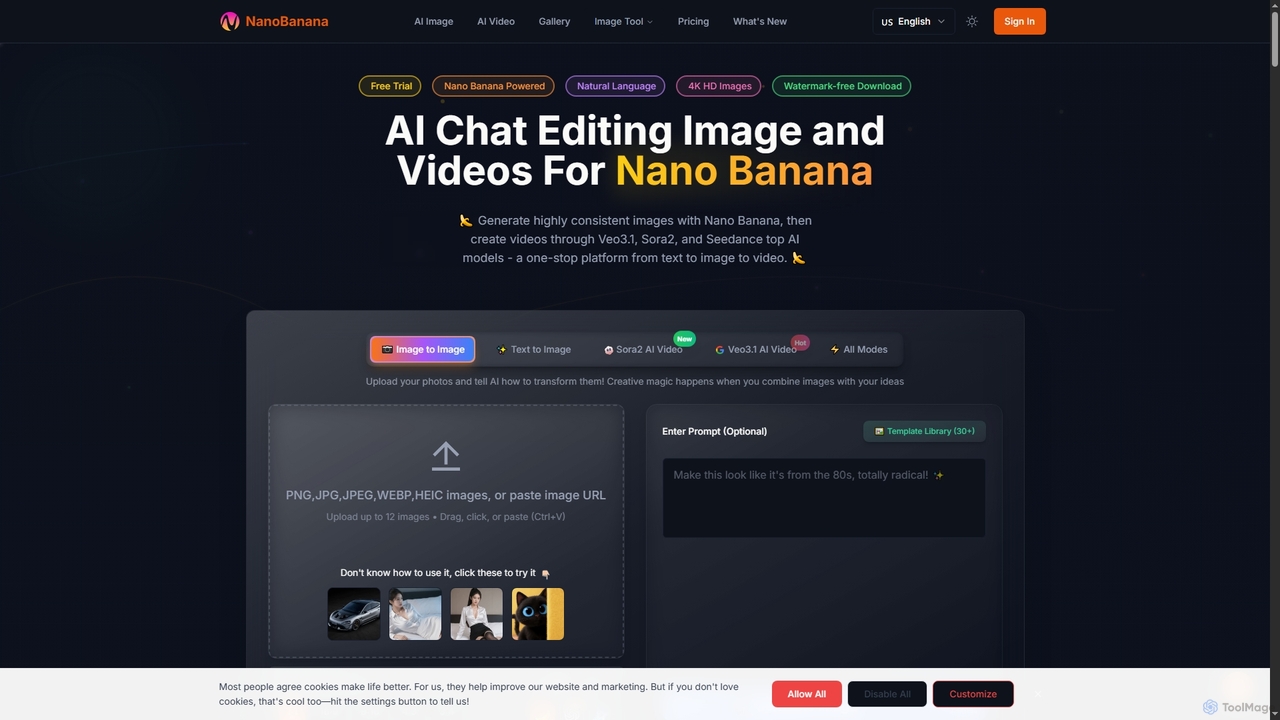
NanoBanana
NanoBanana is an advanced AI-powered platform for generating and editing images and videos using natural language. It offers lightning-fast creation, high-resolution outputs, and a wide array of creative modes, making professional-quality visual content accessible to everyone from beginners to seasoned creators.
Digital ArtAvatar SDK
An advanced AI-powered Software Development Kit (SDK) for creating realistic and customizable 3D avatars from a single 2D photo. Ideal for games, metaverses, and virtual communication applications.
Avatar Generation
Instagram is a visual-first social media platform that leverages powerful AI to personalize user experience. Its core AI features include a sophisticated recommendation engine for content discovery, AR effects for creative expression, and a highly targeted advertising system, making it an essential tool for creators, brands, and individuals.
Video Sharing
Kanai
Kanai is an AI-powered mobile app that transforms interior design by allowing you to instantly capture your room in 3D. It can turn photos of furniture into detailed 3D models, enabling you to visualize, design, and collaborate on your dream space with stunning realism and ease.
Interior Design
MiMo
MiMo is Xiaomi's advanced large-scale AI model, designed to redefine intelligence by integrating deep language understanding with real-world physical perception. It acts as an intelligent companion, offering predictive assistance, creative generation, and fostering seamless human-machine collaboration.
Largelanguagemodels
Seed
Seed is ByteDance's advanced AI research initiative focused on building general artificial intelligence. They develop foundational models across various domains including multimodal, vision, speech, robotics, and LLMs, driving innovation in both academic research and real-world applications.
Foundational Models
AI SDK
AI SDK by Vercel is a free, open-source TypeScript toolkit for building AI-powered applications. It provides a unified API to seamlessly integrate various large language models (LLMs) like OpenAI, Google, and Anthropic. It simplifies development with features like streaming responses, generative UI components, and tool calling, enabling developers to build and ship AI features faster across frameworks like Next.js, React, and Svelte.
Library
Experiments with Google
A curated online gallery showcasing thousands of creative and innovative experiments built with Google technologies since 2009. It serves as an inspiration hub for developers, designers, and creators, exploring the intersection of technology, art, and culture through AI, AR, WebXR, and more.
Generative Art
Bezi
Bezi is an AI assistant for Unity developers and creatives, designed to accelerate game development. It understands your entire project context—not just code—to help with complex debugging, script generation, shader creation, and workflow automation, all within the Unity editor.
Code Assistant