ToolMage
Sign in

Best 1 Negotiation AI tools for Ai Agent

Popular Negotiation AI tools in Ai Agent include Getapproval, helping you work more efficiently.

Getapproval
Free

Getapproval

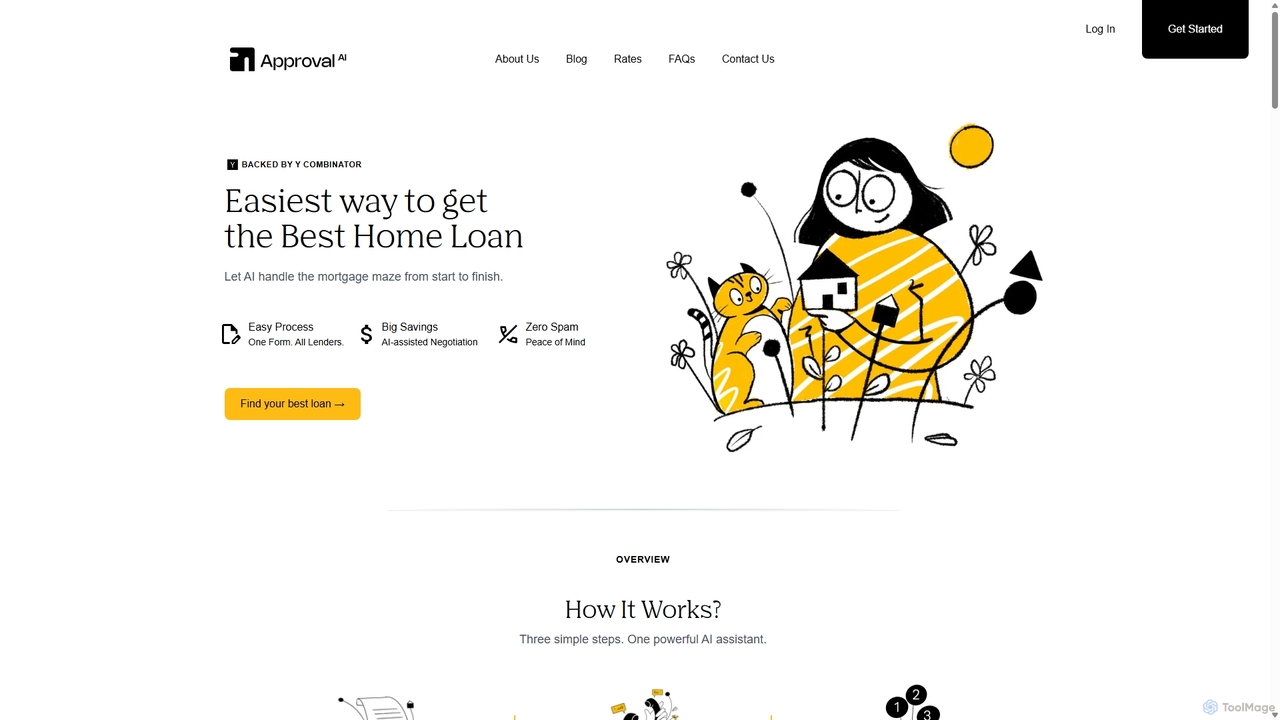
Getapproval is an AI-powered platform that simplifies the home loan process. It uses an AI assistant to shop for the best mortgage rates, negotiate with lenders on your behalf, and manage the application process, saving you time, money, and stress while ensuring data privacy.

Negotiation
Visits 5.6KFavorites 133Likes 130

About Negotiation

AI Negotiation tools are a specialized type of AI agent designed to autonomously conduct negotiations on behalf of a user to achieve specific outcomes. These tools utilize natural language processing (NLP), game theory models, and strategic reasoning to understand offers, formulate counter-offers, and secure favorable terms. They are primarily applied in scenarios like price negotiation for online purchases, SaaS subscription renewals, or lowering recurring bills. Unlike general-purpose agents, AI Negotiation tools are specifically trained on persuasive tactics and operate within predefined constraints, such as budget limits and deadlines, to maximize value for the user.

Core Features

  • Goal-Oriented Autonomy: Independently interacts with systems or humans to achieve a defined negotiation goal, such as a specific price or discount.
  • Strategic Counter-Offers: Analyzes incoming proposals and generates data-driven, logical counter-offers to progress the negotiation.
  • Constraint Management: Operates strictly within user-defined boundaries, including maximum price, minimum requirements, and timeframes.
  • Interaction Logging: Maintains a transparent, auditable record of the entire negotiation conversation for user review and verification.
  • Multi-Channel Capability: Engages in negotiations across various platforms, such as email, web chat, and direct API integrations.

Use Cases

AI Negotiation tools are valuable for individual consumers seeking to save money on bills and purchases, as well as for businesses aiming to optimize procurement and sales processes. For instance, a procurement manager can deploy an agent to negotiate terms with multiple suppliers simultaneously. Similarly, consumers can use these tools to automatically find and apply for better rates on services like internet or insurance.

How to Choose

When selecting an AI Negotiation tool, first consider its specific domain—whether it's tailored for e-commerce, SaaS contracts, or personal finance. Evaluate the level of autonomy and whether it requires manual approval for key decisions. Assess its integration capabilities with your existing platforms (e.g., email client, CRM). Finally, scrutinize its security protocols to ensure your financial and personal data is handled safely throughout the negotiation process.

Negotiation use cases

1

Automating SaaS Subscription Renewals

A finance manager at a mid-sized tech company is tasked with renewing a 100-seat software license. Instead of spending hours in back-and-forth emails, they deploy an AI Negotiation agent. The manager sets the goal: achieve a 15% discount on the renewal price or secure three extra months of service. The agent initiates contact with the vendor's sales representative via email, analyzes the initial renewal offer, and systematically presents counter-offers based on historical pricing data and current market rates. The agent successfully negotiates a 12% discount plus one additional month, saving the company thousands of dollars and freeing up the manager's time for more strategic tasks.

2

Lowering Personal Internet and Cable Bills

A consumer notices their monthly internet bill has increased after a promotional period ended. They use an AI Negotiation service to handle the conversation with their service provider. The user provides their account details and sets a maximum acceptable monthly price. The AI agent initiates a chat with the provider's customer support, navigates the automated phone tree or chatbot, and engages with a human representative. It references competitor pricing and inquires about available loyalty discounts or promotions. After a short negotiation, the agent secures a new 12-month promotional rate, reducing the user's bill by 25% without them having to spend any time on the phone.

3

E-commerce Price Haggling for High-Value Items

A user is looking to purchase a new high-end camera from an online electronics store that uses a sales chatbot. They employ a browser extension powered by an AI Negotiation agent. Once the user navigates to the product page, the agent automatically opens the chat window and begins a conversation. It asks about any available discounts, bundle deals, or coupon codes. When the chatbot offers a standard 5% discount, the AI agent counters by referencing a slightly lower price on a competitor's site and asks if they can match it. The negotiation results in the retailer offering a 10% discount plus free expedited shipping to close the sale, a better deal than the user would likely have gotten manually.

4

B2B Procurement of Office Supplies

An office manager needs to order a bulk supply of new ergonomic chairs for 50 employees. They use a B2B procurement platform with an integrated AI Negotiation agent. The manager inputs the specifications: 50 chairs, specific model, delivery by a certain date, and a target budget. The AI agent then contacts three pre-approved suppliers through the platform's messaging system. It requests quotes, compares terms, and negotiates with each supplier simultaneously. It leverages the bulk order size to ask for volume discounts and better warranty terms. The agent presents the final three offers side-by-side to the manager, who can then make an informed decision based on the best overall value negotiated by the AI.

5

Booking Travel and Hotel Accommodations

A frequent traveler plans a multi-city business trip. Instead of manually searching dozens of websites, they use an AI Negotiation agent focused on travel. The user inputs their destinations, dates, and preferences (e.g., 4-star hotel, non-stop flights, rental car type). The agent scours booking platforms, airline sites, and hotel chains, identifying the best initial prices. It then engages with booking portals' chatbots or promotional systems to inquire about package deals, room upgrades, or unpublished rates. The agent consolidates the best negotiated options into a single itinerary, often securing a better overall package price than what is publicly available through standard search methods.

6

Salary Negotiation Practice and Simulation

A job candidate preparing for a final interview wants to practice their salary negotiation skills. They use an AI Negotiation tool designed for career coaching. The candidate inputs the job title, industry, their experience level, and their target salary range. The AI acts as the hiring manager in a simulated chat or voice conversation. It presents a low initial offer and responds to the candidate's counter-offers with realistic pushback and questions. The tool provides real-time feedback on the candidate's phrasing, confidence, and strategy, suggesting better ways to justify their desired salary. This allows the candidate to refine their approach and build confidence before the actual negotiation.

Negotiation FAQ

What is an AI Negotiation Agent?

An AI Negotiation Agent is a specialized type of AI software that autonomously conducts negotiations on a user's behalf. Unlike a simple chatbot that answers questions, this agent is goal-driven. It uses natural language processing (NLP) and strategic models to understand offers, make logical counter-offers, and work towards a specific outcome, such as a lower price on a bill or a better deal on a contract. It essentially acts as your personal, automated negotiator for digital interactions.

How to choose the right AI Negotiation tool?

To choose the right tool, consider these factors:

  • Domain Specificity: Does the tool specialize in a certain area, like SaaS contracts, e-commerce, or personal bill negotiation? A specialized tool often performs better.
  • Level of Autonomy: Decide if you want a fully autonomous agent or one that requires your approval at each step.
  • Integration: Check if it integrates with your necessary platforms, such as your email client, CRM, or specific e-commerce sites.
  • Security and Trust: Verify the tool's security measures for handling sensitive data and ensure it operates within clear, user-defined constraints like a maximum budget.
What's the difference between an AI Negotiation Agent and a standard chatbot?

The key difference is their purpose and capability. A standard chatbot is primarily reactive, designed to answer questions or guide users through a predefined script (like checking an order status). An AI Negotiation Agent is proactive and strategic. It doesn't just provide information; it has a specific goal (e.g., 'reduce this bill by 10%') and actively works to achieve it by making offers, countering proposals, and using negotiation tactics. It's the difference between a customer service representative and a dedicated procurement agent.

Is it safe to let an AI handle my negotiations?

Reputable AI negotiation tools are designed with safety as a priority. They operate within strict constraints that you define, such as a maximum price you're willing to pay or a minimum discount you'll accept. The AI cannot go beyond these boundaries. Furthermore, these services use secure connections to protect your data, and they typically provide a full transcript of the negotiation for your review. It's always wise to start with lower-stakes negotiations and review the provider's privacy policy before sharing sensitive information.

What are the main benefits of using AI for negotiation?

The primary benefits include:

  • Time Savings: It automates time-consuming back-and-forth communication, freeing you up for other tasks.
  • Data-Driven Strategy: AI can analyze market data and historical prices to negotiate from a position of strength, often achieving better outcomes.
  • Emotional Neutrality: The AI negotiates based on logic and predefined goals, removing the emotional stress and potential for errors that can come with human negotiation.
  • Scalability: An AI agent can handle multiple negotiations simultaneously, something that is impossible for a human to do effectively.