Ai Tools Best in category 4 results Text Analysis AI Tool

Popular AI tools in the Text Analysis field of Ai Tools include Mark This For Me、Zenquiz、myEssai、pdf2quiz, etc., helping you quickly improve efficiency.

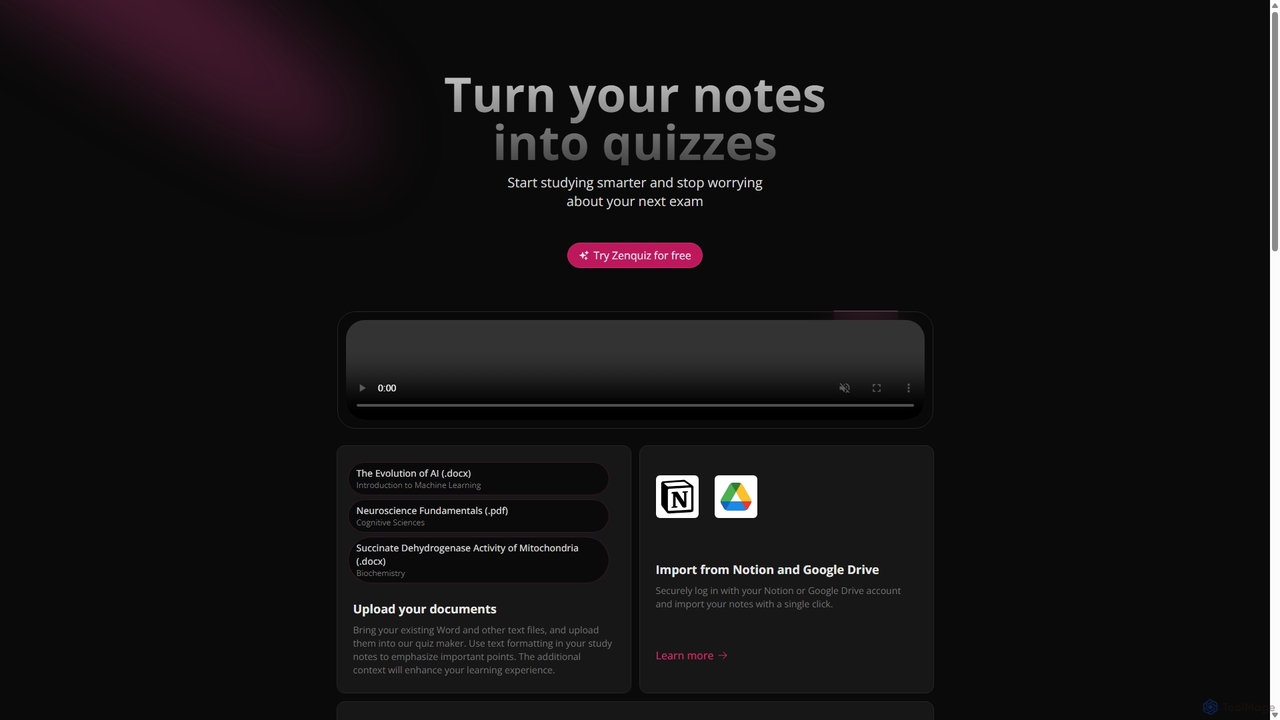
Zenquiz

Zenquiz

Zenquiz is an AI-powered quiz generator that transforms your study notes, documents, and text into interactive quizzes. Upload …

4.0K
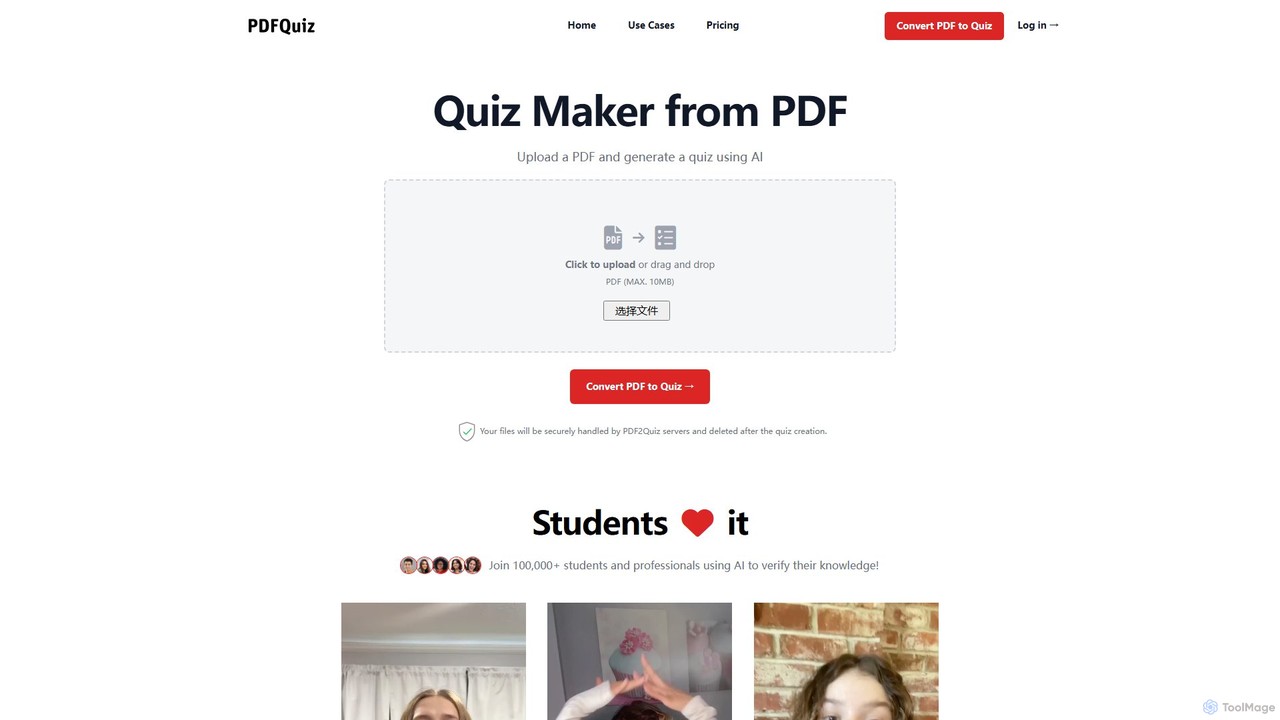
pdf2quiz

pdf2quiz

pdf2quiz is an AI-powered tool that instantly converts PDF documents into interactive quizzes. Simply upload your file, and …

2.6K
Free
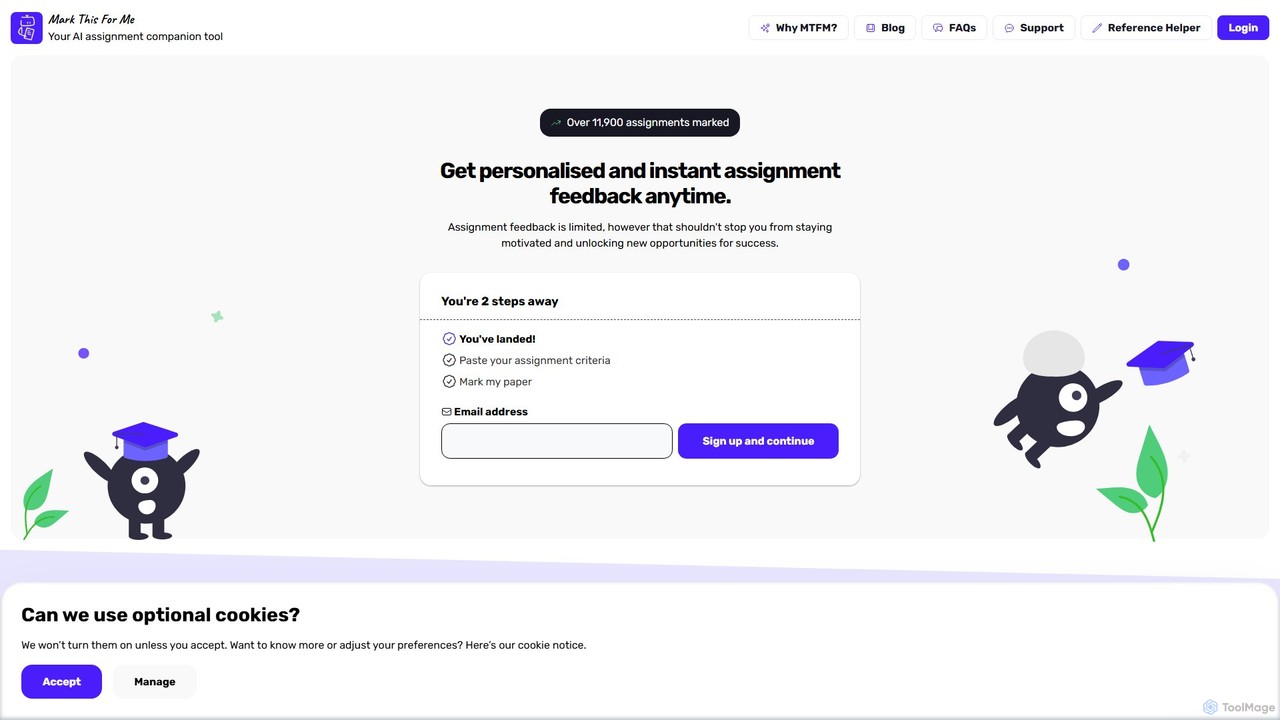
Mark This For Me

Mark This For Me

An AI-powered academic companion that provides free, detailed feedback on student assignments. It analyzes your work against marking …

8.2K
myEssai

myEssai

myEssai is an AI-powered essay tutor designed to help students improve their writing and achieve better grades. It …

2.7K

About Text Analysis

Text Analysis tools are AI-powered applications designed to extract meaningful information and insights from unstructured text data. Leveraging Natural Language Processing (NLP) techniques, these tools can understand, interpret, and structure human language at scale. They enable businesses and researchers to automate the processing of large volumes of documents, customer feedback, and social media content to uncover trends, sentiments, and key topics. This capability transforms raw text into actionable data for decision-making.

Core Features

  • Sentiment Analysis: Determines the emotional tone (positive, negative, neutral) within a piece of text.
  • Named Entity Recognition (NER): Identifies and categorizes key entities such as names, organizations, locations, and dates.
  • Topic Modeling & Classification: Automatically identifies the main subjects in a document or categorizes it into predefined themes.
  • Keyword Extraction: Pinpoints the most relevant and frequently used terms and phrases in a text.
  • Language Detection: Automatically identifies the language of a given text document.

Use Cases

Text Analysis tools are widely used in market research for analyzing customer reviews, in business intelligence for monitoring news and financial reports, and in content moderation for flagging inappropriate user-generated content. Academic researchers also use them to analyze large corpora of text for literary or social studies.

How to Choose

When selecting a Text Analysis tool, consider the accuracy of its models and the range of languages it supports. Evaluate its API availability and documentation for integration with your existing systems. Also, assess its scalability to handle your data volume and whether it offers options for training custom models tailored to your specific industry jargon.

Text AnalysisUse Cases

1

Analyze Customer Feedback from Surveys

A product manager needs to understand user sentiment from thousands of open-ended survey responses. Instead of manually reading each entry, they use a text analysis tool. The tool's sentiment analysis feature automatically categorizes each response as positive, negative, or neutral, providing an immediate overview of overall satisfaction. Furthermore, topic modeling and keyword extraction identify recurring themes, such as 'user interface' or 'slow performance,' allowing the product team to prioritize improvements based on quantitative data rather than anecdotal evidence.

2

Monitor Brand Mentions on Social Media

A marketing team wants to track public perception of their brand in real-time. They connect a text analysis tool to their social media monitoring platform. The tool continuously scans for brand mentions across Twitter, Facebook, and news sites. Using sentiment analysis, it instantly flags negative comments for the customer support team to address. Entity recognition identifies key influencers or publications talking about the brand, while topic classification helps the team understand the context of conversations, distinguishing between product feedback, news coverage, and customer service issues.

3

Automate Content Moderation

An online forum with a large user base struggles with manually moderating user-generated comments for hate speech, spam, and inappropriate content. By implementing a text analysis API, all new comments are automatically scanned. The tool uses text classification models trained to identify harmful content. Comments flagged as high-risk are automatically removed or sent to a human moderator for review, while safe comments are published instantly. This significantly reduces the workload on the moderation team, improves community safety, and ensures a faster response time to policy violations.

4

Streamline Resume Screening for HR

An HR department receives hundreds of resumes for a single job opening. Manually reviewing each one is time-consuming and prone to bias. They use a text analysis tool to parse and analyze resumes. The tool's Named Entity Recognition (NER) feature extracts key information like candidate names, contact details, past employers, and educational institutions. Keyword extraction identifies specific skills and qualifications mentioned in the job description, allowing recruiters to quickly shortlist the most relevant candidates. This process reduces screening time by over 70% and helps ensure a more objective initial review.

5

Extract Insights from Financial Reports

A financial analyst needs to quickly assess the performance of multiple companies by reviewing their quarterly reports. These documents are often long and dense. Using a text analysis tool, the analyst can automatically extract key financial figures, identify mentions of competitors (using NER), and analyze the sentiment of the management's discussion section. The tool can also classify sections of the report, allowing the analyst to jump directly to risk factors or forward-looking statements. This accelerates the research process, enabling faster and more informed investment decisions.

6

Analyze Legal Documents for E-Discovery

In a legal case, lawyers need to sift through thousands of documents to find relevant evidence, a process known as e-discovery. A text analysis tool can drastically speed this up. By using keyword extraction and topic modeling, the tool can identify and tag documents related to specific case issues. Named Entity Recognition helps map out relationships between people, organizations, and locations mentioned in the texts. This automated approach not only saves hundreds of hours of manual labor but also reduces the risk of human error in overlooking critical information, leading to a more thorough and efficient discovery process.

Text AnalysisFrequently Asked Questions